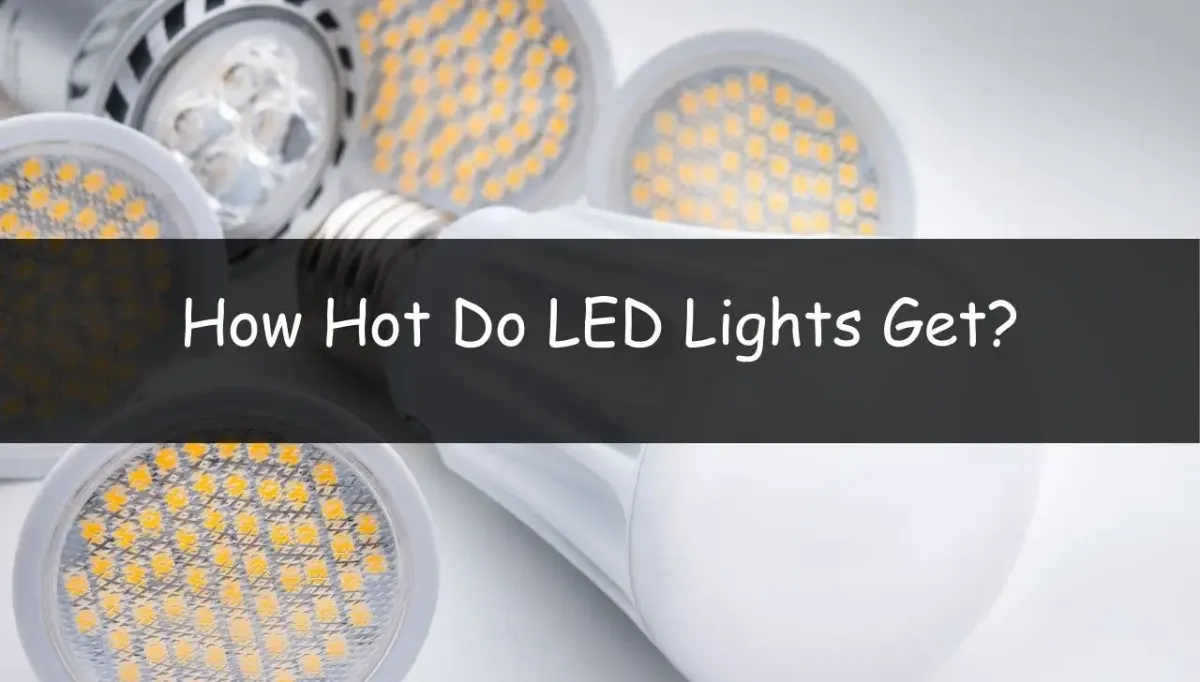
LED light bulbs reach a surface temperature of 100-150°F (38-65°C) during normal operation - warm to the touch but not hot enough to cause burns or fire. By comparison, incandescent bulbs reach 400-500°F (200-260°C) and halogen bulbs reach 500-900°F (260-480°C). LED strip lights run even cooler at 90-120°F (32-49°C). While LEDs produce far less heat than older technologies, they do generate some heat at the semiconductor junction and driver circuit, which is why heat sinks and thermal management are critical to LED lifespan and performance.
LED Temperature by Product Type
LED Product Surface Temperature Junction Temperature LED A19 bulb (10W) 100-140°F (38-60°C) 150-185°F (65-85°C) LED BR30 recessed (12W) 110-150°F (43-65°C) 160-200°F (70-93°C) LED strip light (14W/m) 90-120°F (32-49°C) 120-150°F (49-65°C) LED high bay (150W) 130-175°F (54-80°C) 175-230°F (80-110°C) LED flood light (50W) 120-160°F (49-71°C) 150-200°F (65-93°C)
Surface temperature is what you feel when you touch the bulb. Junction temperature is the temperature at the semiconductor chip inside the LED - this is higher because it is the heat source, and the heat sink draws it away to the surface where it dissipates into the air. Junction temperature is the critical metric for LED lifespan: every 10°C increase in junction temperature approximately halves the LED's operational life.
Comparison With Other Lighting Technologies
Light Source Surface Temperature Burn Risk LED 100-150°F (38-65°C) No - warm, not painful CFL 100-180°F (38-82°C) Low - can be uncomfortable to hold Incandescent 400-500°F (200-260°C) Yes - instant burn on contact Halogen 500-900°F (260-480°C) Yes - severe burn, fire risk HID / Metal Halide 400-700°F (200-370°C) Yes - extreme heat
Why LEDs Still Generate Heat
Despite being called "cool" lighting, LEDs are not 100% efficient. Commercial LEDs convert approximately 40-50% of input electricity into visible light. The remaining 50-60% becomes heat - primarily at the semiconductor junction (where electrons cross the P-N junction) and in the driver circuit (which converts AC to DC). A 10W LED generates approximately 5-6W of heat. While this is far less than the 54W of heat from a 60W incandescent, it is still enough to require thermal management.
The key difference is where the heat goes. Incandescent bulbs radiate heat from the glass surface in all directions (including infrared radiation toward surrounding objects). LEDs conduct heat backward through the heat sink into the fixture and ambient air. This means LED heat is concentrated at the base and heat sink, not radiated toward surrounding surfaces. This is why LEDs do not warm the room the way incandescents do and why they are safe near combustible materials.
Enclosed Fixtures and Heat Buildup
LEDs in enclosed fixtures (fully sealed glass covers, airtight recessed cans, small enclosed pendants) run hotter than LEDs in open fixtures because the enclosed space traps heat. This elevated temperature accelerates LED degradation and can cause premature failure. If you must use LEDs in enclosed fixtures, choose bulbs specifically rated for "enclosed fixture use" (marked on the packaging). These bulbs have upgraded thermal management designed to handle the reduced airflow of sealed housings.
Recessed can lights are a common problem area. Older recessed housings are insulation-contact (IC) rated but designed for the heat output of incandescent bulbs. While LEDs produce far less heat, the tight, insulated space still restricts airflow. LED bulbs rated for enclosed/IC fixtures ensure safe operation in these environments. Never exceed the fixture's maximum wattage rating, even with LEDs.
Conclusion
LED lights run much cooler than incandescent or halogen bulbs, with surface temperatures typically 90-150°F (32-65°C), making them safe to touch and use near most surfaces. While they still generate heat at the semiconductor junction, proper heat sinks and fixture design ensure long lifespan and reliable performance, even in enclosed spaces.
Frequently Asked Questions
Q1: Can LED lights start a fire?
A: Under normal operating conditions, no. LED surface temperatures (100-150°F) are well below the ignition point of common household materials (paper ignites at ~450°F, wood at ~500°F, most fabrics at ~400°F+). This is a major safety advantage over incandescent bulbs, which routinely reach temperatures that can ignite paper, fabric, and dried organic material on contact. However, a defective LED driver, incorrect wiring, or extreme overloading could potentially create a fire hazard - always use UL-listed products and follow installation guidelines.
Q2: Can I touch an LED bulb while it's on?
A: Yes. The dome (light-emitting end) of an LED bulb is typically 100-120°F - warm but not painful to touch briefly. The base (near the driver) runs slightly warmer at 120-150°F - uncomfortable to hold for more than a few seconds but not hot enough to cause a burn. By comparison, touching a lit incandescent bulb (400°F+) causes instant, painful burns. Still, it is good practice to turn off and let any bulb cool before handling, simply because warm objects are easier to grip and less likely to slip.
Q3: Do LED strip lights get hot enough to damage wood or drywall?
A: No. LED strip lights operate at 90-120°F surface temperature, which is well within the safe range for wood, drywall, plastic, and fabric surfaces. This is why LED strips can be mounted directly on wood shelves, drywall ceilings, and inside cabinets without any heat-related risk. For high-power strip installations (24W/m or higher), mounting on an aluminum channel provides additional heat dissipation and extends strip life, but the surface temperature is still far below any fire or damage threshold.