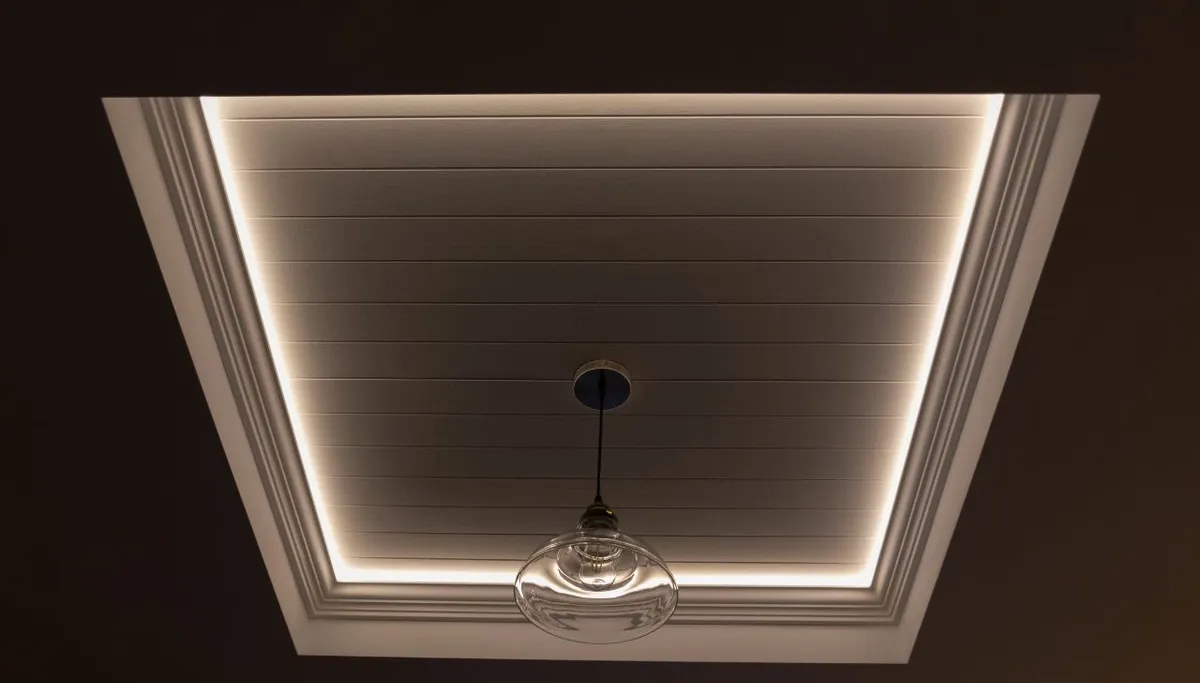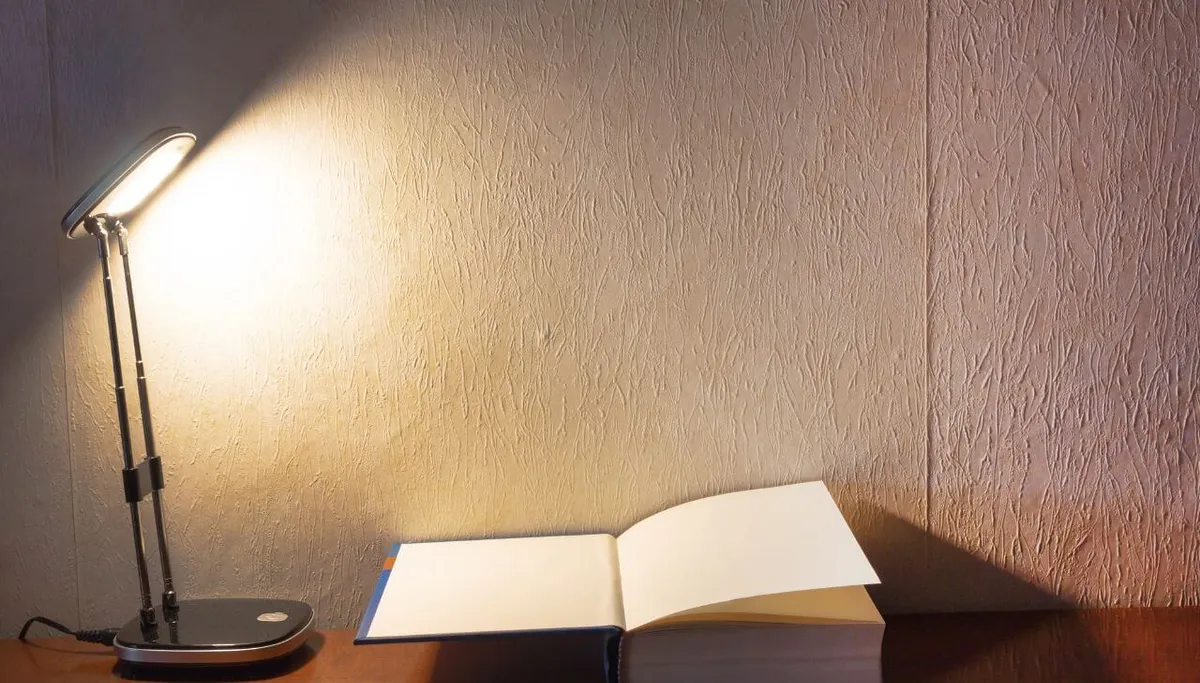
Cool white light between 4000K and 5000K is the best all-round choice for studying. It looks like natural daylight, which keeps your brain alert and your focus steady. Warm yellow light (2700K-3000K) tells your body to wind down, so it works against you at the desk. Aim for a bulb with CRI 90+ so text and notes look crisp.
The color of your light quietly changes how awake you feel. Here is what to use, when to use it, and why it works.
Why Light Color Changes Your Focus:
Your brain reads light color as a time signal. Cool, blue-rich light looks like midday sun, so your body slows its release of melatonin - the hormone that makes you sleepy - and you stay alert.
Warm, yellow light does the opposite. It mimics sunset, which invites melatonin back in. That is lovely for a novel before bed and unhelpful for revision at 4pm.
Best Color Temperature by Kelvin:

Color Temperature | Look | Best Use |
|---|---|---|
2700K-3000K | Warm yellow | Relaxing, pleasure reading, pre-bed |
3500K-4000K | Neutral white | Late-afternoon or evening study |
4000K-5000K | Cool white | Best all-round study light |
5000K-6500K | Daylight | Intense daytime study, maximum alertness |
Above 6500K | Blue-tinged | Avoid - can cause glare and eye fatigue |
4000K-5000K is the sweet spot because it keeps you sharp without feeling harsh over a long session. Push to 5000K-6500K only for short bursts of demanding daytime work.
Best of both: A tunable bulb lets you run cool white while you work, then shift warm an hour or two before bed. Better focus by day, better sleep at night.
What About Colored LEDs?
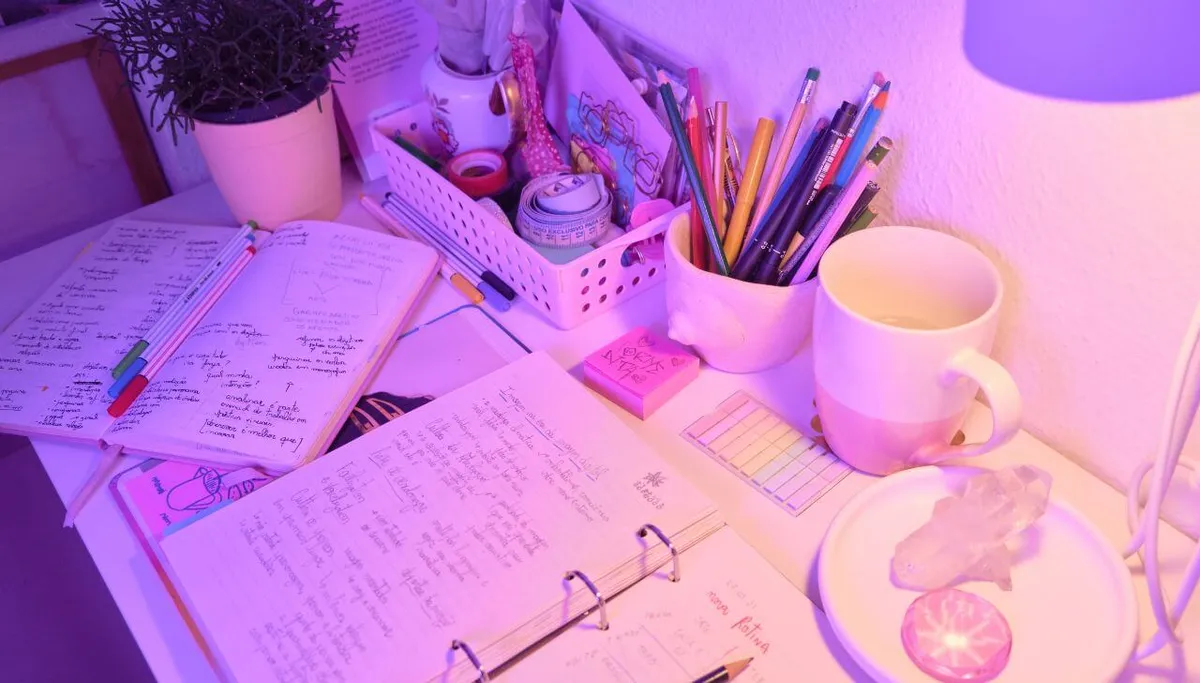
Colored light strips are fun, but plain white is what you want on your desk. Colors dim the room, wash out the true color of your notes, and can strain your eyes as you read.
If you love RGB, use it as background light on the wall behind you and keep a proper white lamp aimed at your work. That keeps the vibe without hurting your focus.
Brightness and CRI Matter Too:
Color is only part of it. Two other numbers make a real difference:
Lumens: Kelvin sets the shade; lumens set the brightness. Cool light that is too dim still leaves you squinting. A desk lamp around 400-800 lumens suits most study spaces.
CRI 90+: A high Color Rendering Index makes text sharper and colors true - useful for maps, diagrams, and art. Cheap low-CRI bulbs make everything look flat.
Dimmable: Full brightness is rarely right at night. Dimming keeps light comfortable as the room gets darker.
Where to Put the Light:
Even perfect light hurts if it is aimed badly. Glare is what actually tires your eyes.
Angle the lamp down onto your desk or book, never at your face or screen. Keep a soft room light on too - a bright lamp in a dark room forces your pupils to work hard, which is what causes strain.
If you study at a screen, a gentle glow behind the monitor eases that contrast. That trick is called bias lighting.
Studying at Night:
Cool light after dark keeps you awake, and then keeps you awake in bed too. If you study late, use 3500K-4000K in the last couple of hours before sleep.
You lose a little alertness and protect your sleep, which matters more for tomorrow's focus than one extra sharp hour tonight.
Setting up your space? See our guides to the best LED desk lamps and the best LED lights for the bedroom.
(FAQs):
1. What color LED light is best for studying?
A: Cool white, 4000K-5000K. It mimics daylight and keeps you alert without the glare of very blue light. Choose a bulb rated CRI 90+ so text stays crisp.
2. Is warm or cool light better for studying?
A: Cool light, for most study. Warm light encourages melatonin and drowsiness. Save warm white for relaxed reading or the hours right before bed.
3. Is blue light good for focus?
A: Blue-rich white light does boost daytime alertness. But strong blue light late at night disrupts sleep, and very cool bulbs above 6500K can add glare. Cool white is the safer middle.
4. Should I study with colored LED lights?
A: Not as your main light. Colored light is dimmer and distorts how your notes look. Use white task light on the desk and keep color as accent lighting behind you.
5. How bright should a study light be?
A: Around 400-800 lumens for a desk lamp, plus a softer room light so the contrast is not harsh. Dimmable is ideal, since you need less light at night.