Before you write off a dead solar light as broken, know that the fix is usually free and takes seconds. Most solar lights go dark for a handful of simple reasons that have nothing to do with a failed panel, and the most common one of all is a tiny plastic tab most people never notice.
When a solar light stops working, the cause is almost always one of five things: a pull-tab still in the battery, a sensor fooled by nearby light, a dirty panel, a worn-out battery, or a hidden power switch left off. Only the battery usually costs anything, and that is a $5 swap.
Start With the Free Fixes Before You Buy Anything:
Nine times out of ten a solar light is not broken, it is blocked. Work through the no-cost checks first: the pull-tab, the on/off switch, the sensor's surroundings, and a clean panel. Only reach for a new battery if those come up empty.
The Pull-Tab Nobody Notices:
This is the number one reason brand-new solar lights do not work. To save the battery in shipping, makers slip a clear plastic pull-tab between the battery and its contact, so the light cannot draw power until you remove it. Open the battery compartment, usually on the underside or back of the panel, find the small plastic strip poking out, and pull it free. The light should work that night. It is so easy to miss that it fools most people on their first solar light.
The Sensor Paradox: Too Much Light Keeps It Off:
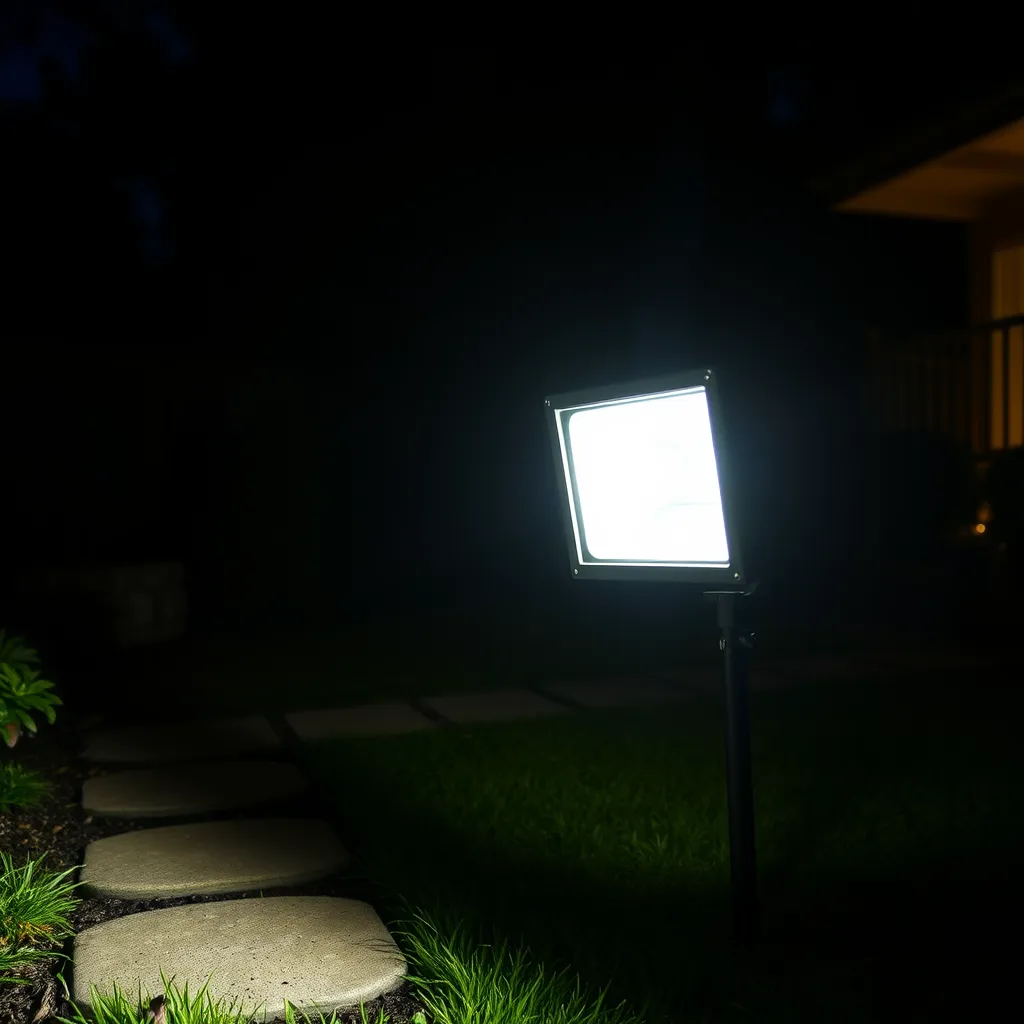
Here is the one that stumps everyone. Solar lights use a light sensor to switch on only in darkness, so if it sees any nearby light at night, it thinks it is still day and stays off. A path light near a porch light, a streetlamp, or a glowing window may never turn on. Move it away from those sources, or shield the sensor. To test fast, cover the panel with your hand in daylight, and a working light switches on within seconds.
A Dusty Panel Is a Starving Panel:
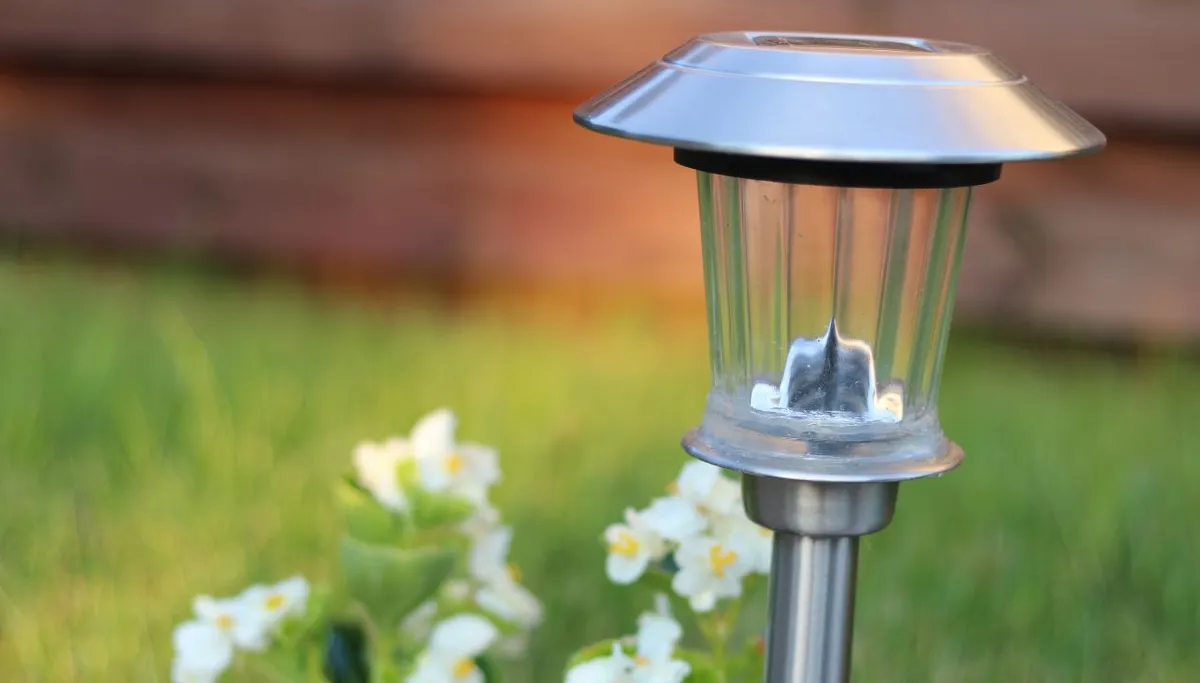
The panel needs real sunlight to charge, and a thin film of dust, pollen, or grime cuts its intake sharply, leaving the light too weak to run all night. Wipe the panel with a damp cloth and a little dish soap, then dry it. While you are there, check placement: the panel needs 6 or more hours of direct sun a day, so trim branches or move it out from under a shading eave.
The Battery Is the Real Weak Link:
If the free fixes fail, the battery is almost always the culprit, since it is the one part that genuinely wears out. Solar lights use small rechargeable NiMH or Li-ion cells that last only 1 to 2 years before they stop holding a charge, while the panel and LED keep going for years.
The $5 revival: Swap the old cell for a matching rechargeable (check the size and voltage, often AA 1.2V NiMH). It is the single most effective fix for an older light that used to work and slowly faded. Do not use standard alkaline batteries, since they are not made to recharge from a panel.
The Hidden On/Off Switch:
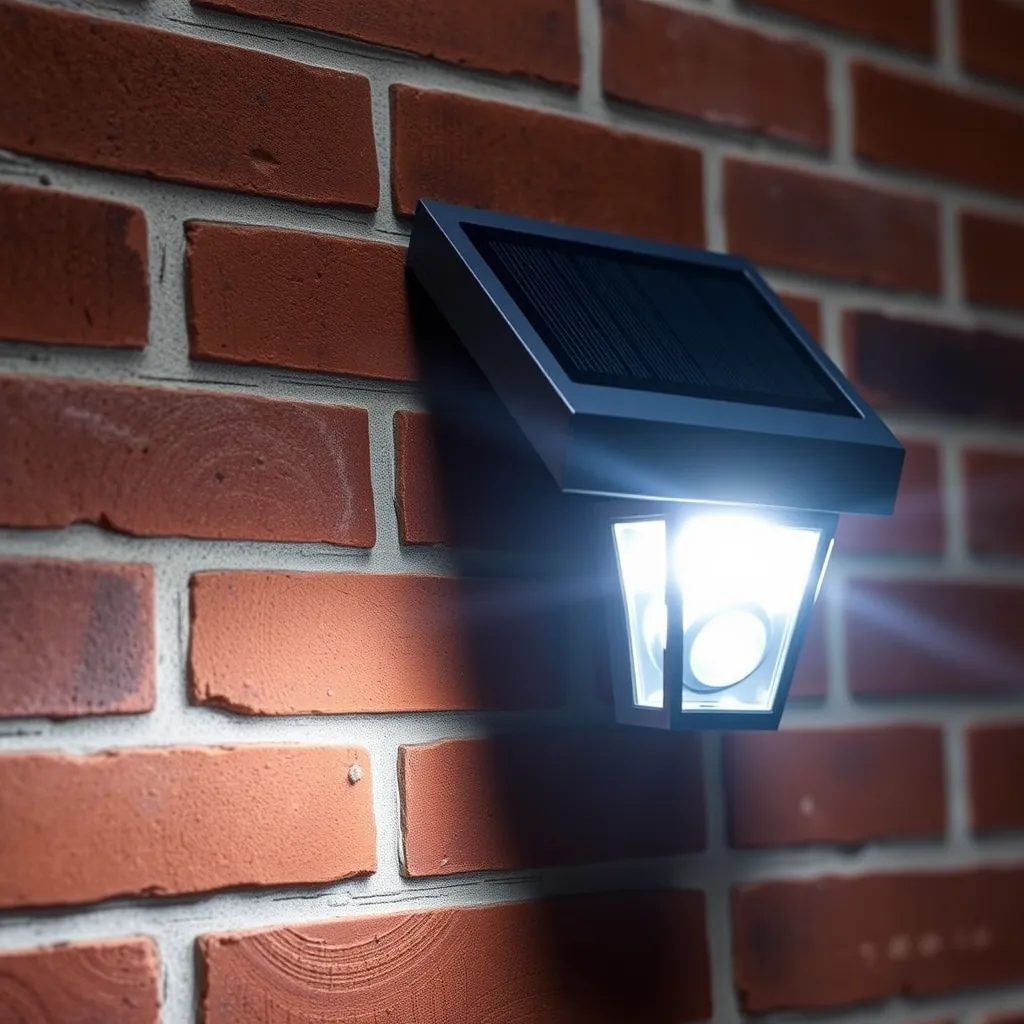
Many solar lights have a small power switch that is easy to overlook, and shipping or a battery change can leave it off. Find it, often inside the battery compartment or under the panel, marked ON/OFF or AUTO, and set it to ON or AUTO, since some lights will not charge or run while switched off. It catches a surprising number of "dead" lights.
Quick Diagnosis by Symptom:

Symptom | Most Likely Cause | Fix |
|---|---|---|
Brand new, will not light | Pull-tab still in place | Remove the plastic tab |
Never turns on at night | Sensor sees nearby light, or switch off | Move it, or set switch to ON |
Used to work, now dim | Worn battery or dirty panel | Clean panel, then swap battery |
Dies after an hour | Battery no longer holds charge | Replace the rechargeable cell |
Weak even when clean | Not enough direct sun | Relocate to 6+ hours of sun |
Shopping for replacements that last longer? See our picks for the best solar path lights, waterproof outdoor solar lights, and solar flood lights.
Conclusion:
Most "dead" solar lights are not broken at all. Pull the shipping tab, move them away from other lights, wipe the panel, flip the switch to ON, and if it used to work and faded, swap in a fresh $5 battery. Try the free fixes first, and most solar lights come right back to life.
(FAQs):
Q1. Why did my solar lights stop working after a year?
A: Almost always the rechargeable battery, which lasts only 1 to 2 years. The panel and LED outlast it by years, so a matching $5 cell usually brings the light right back. Clean the panel too, since grime cuts charging.
Q2. Can solar lights charge on a cloudy day?
A: Yes, but less. Panels still gather diffused light on overcast days at reduced output, so a light may run fewer hours. A run of gray days can leave the battery undercharged until strong sun returns.
Q3. Do solar lights work in winter?
A: They do, though shorter days and low sun mean less charge and shorter run times. Keep panels clear of snow and angled toward the winter sun. Extreme cold also cuts battery capacity, so expect weaker performance until spring.
Q4. Why do my solar lights only stay on for a short time?
A: Short run time points to a battery not fully charging. Either the panel is not getting enough sun (aim for 6+ hours), it is dirty, or the battery is worn. Clean the panel and check placement first, then replace the cell.