7-color LED light therapy uses seven wavelengths of light, each aimed at a different skin concern. Red targets aging, blue targets acne, green targets pigmentation, and yellow targets redness, while purple, cyan, and white blend those effects. Use it on clean skin for 10 to 20 minutes, 3 to 5 times a week, picking the color for your main concern.
There is a catch most product listings skip: the seven colors do not share the same scientific backing, and one in particular rests on far thinner evidence than the rest.
Note: This is general information, not medical advice. Talk to a dermatologist before starting, especially if you have a skin condition, take light-sensitizing medication, or are pregnant.
7-Color LED Therapy at a Glance:
Red and blue have the strongest evidence. Green, yellow, and the blends are promising but less proven. Use clean skin, 10 to 20 minutes a session, 3 to 5 times a week, and expect visible results in 8 to 12 weeks.
What Are the 7 LED Light Therapy Colors?
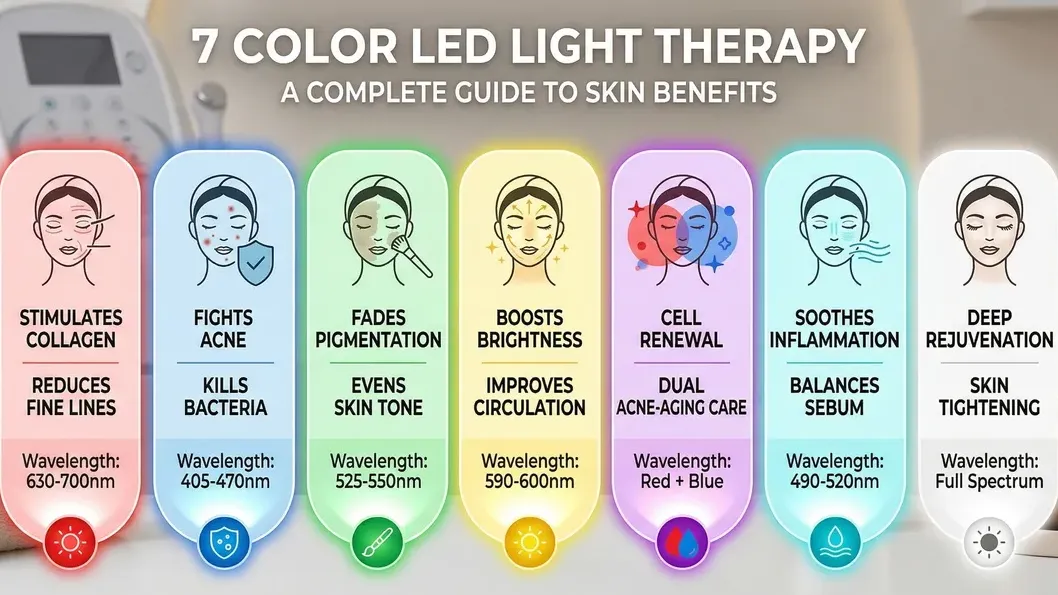
Each color sits at a different wavelength, and wavelength sets how deep the light reaches and what it does. Deeper red works where collagen forms, while shallow blue stays near the surface where acne bacteria live.
Color | Wavelength | Main Benefit | Best For |
|---|---|---|---|
Red | 630nm | Collagen boost | Aging, fine lines |
Blue | 415nm | Kills acne bacteria | Acne, breakouts |
Green | 520nm | Calms melanin | Dark spots |
Yellow | 590nm | Eases redness | Rosacea, sensitivity |
Purple | Red + blue | Dual action | Acne plus aging |
Cyan | Blue + green | Anti-inflammatory | Irritated skin |
White | All combined | Overall renewal | General health |
How Do You Use Each LED Therapy Color?
Match the color to your goal, then follow its timing. All seven run for 15 to 20 minutes a session unless noted, starting with the two best-proven.
Red, for anti-aging:
4 to 5 times a week. At 630nm it reaches the dermis and wakes the cells that make collagen, softening fine lines and firming skin. It is the most studied color, with trials showing gains after 8 to 12 weeks.
Blue, for acne:
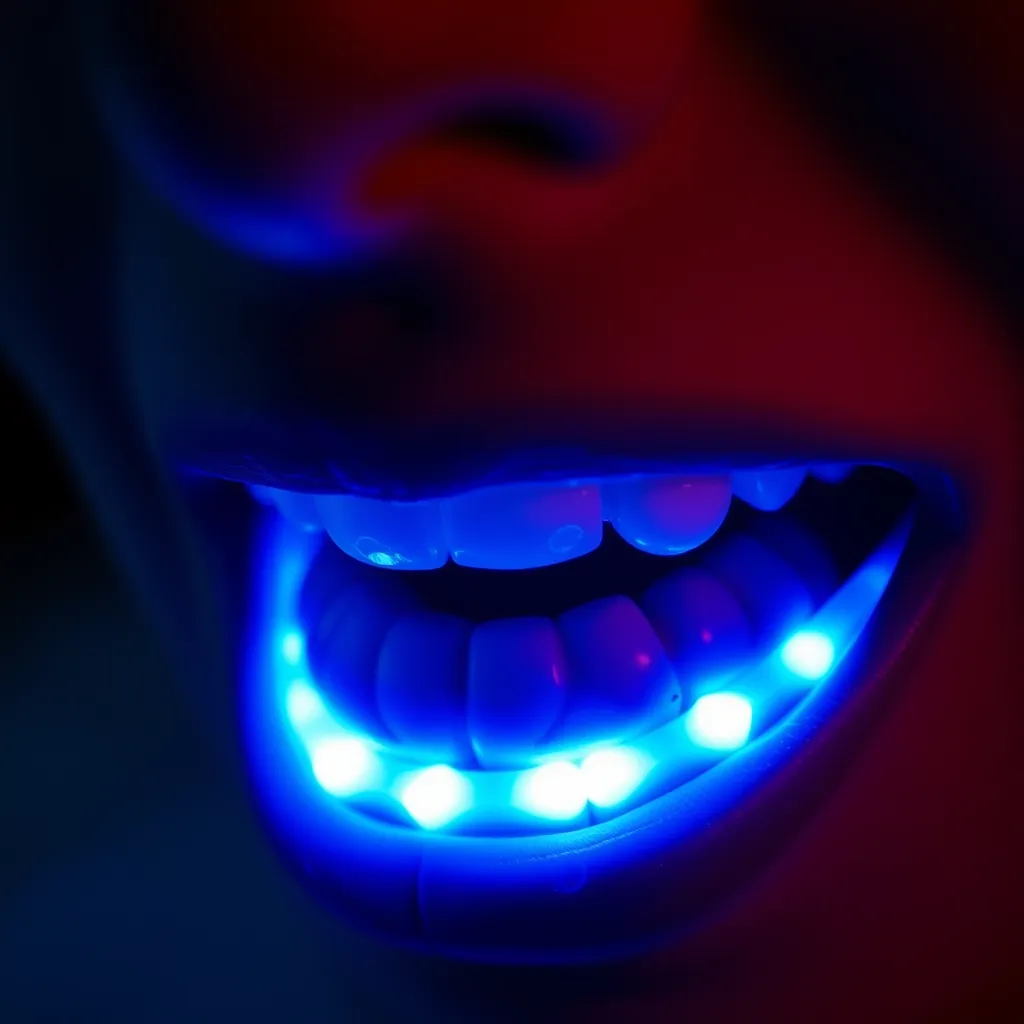
10 to 15 minutes, daily during breakouts, then 2 to 3 times a week. At 415nm it kills acne bacteria. It does not fix hormonal acne or clear blackheads. The same blue light also powers LED teeth whitening.
Green, for pigmentation:
3 to 4 times a week. At 520nm it is thought to calm the cells behind dark spots. Be honest with your hopes here: the evidence is weaker than red or blue, so use it alongside proven products like vitamin C, not alone.
Yellow, for redness:
3 to 5 times a week. At 590nm it is reported to ease redness and flushing, so it suits rosacea and sensitive skin. It also calms skin after peels or microneedling. Evidence is thinner than red and blue.
Purple, for acne and aging:
3 to 5 times a week. Purple is red and blue together, aiming at breakouts and early lines at once. It suits combination skin, though some prefer alternating pure red and blue so each runs at full strength.
Cyan, for inflammation:
3 to 5 times a week. Cyan blends blue and green to calm irritated, reactive skin. It is one of the least studied colors, so treat it as gentle support on stressed-skin days, not a proven fix.
White, for overall health:
3 to 5 times a week. White combines every wavelength for general upkeep and glow. The trade-off is that spreading energy across all colors makes each one weaker, so a single color works better for a specific concern.
How Do You Do an LED Therapy Session Step by Step?
Cleanse first. Remove makeup, sunscreen, and skincare so the light reaches bare skin, then pat dry.
Choose your color. Pick the one for your main concern, or use purple for two concerns at once.
Position the device. Hold a panel 1 to 6 inches away, or wear a mask-style device in contact. Closer means a stronger dose. Close your eyes, especially with blue.
Time it. Stick to 10 to 20 minutes. Going past 30 adds little, since skin cells saturate.
Apply skincare. Follow with serums, moisturizer, and daytime sunscreen. Skin absorbs actives well right after.
Conclusion:
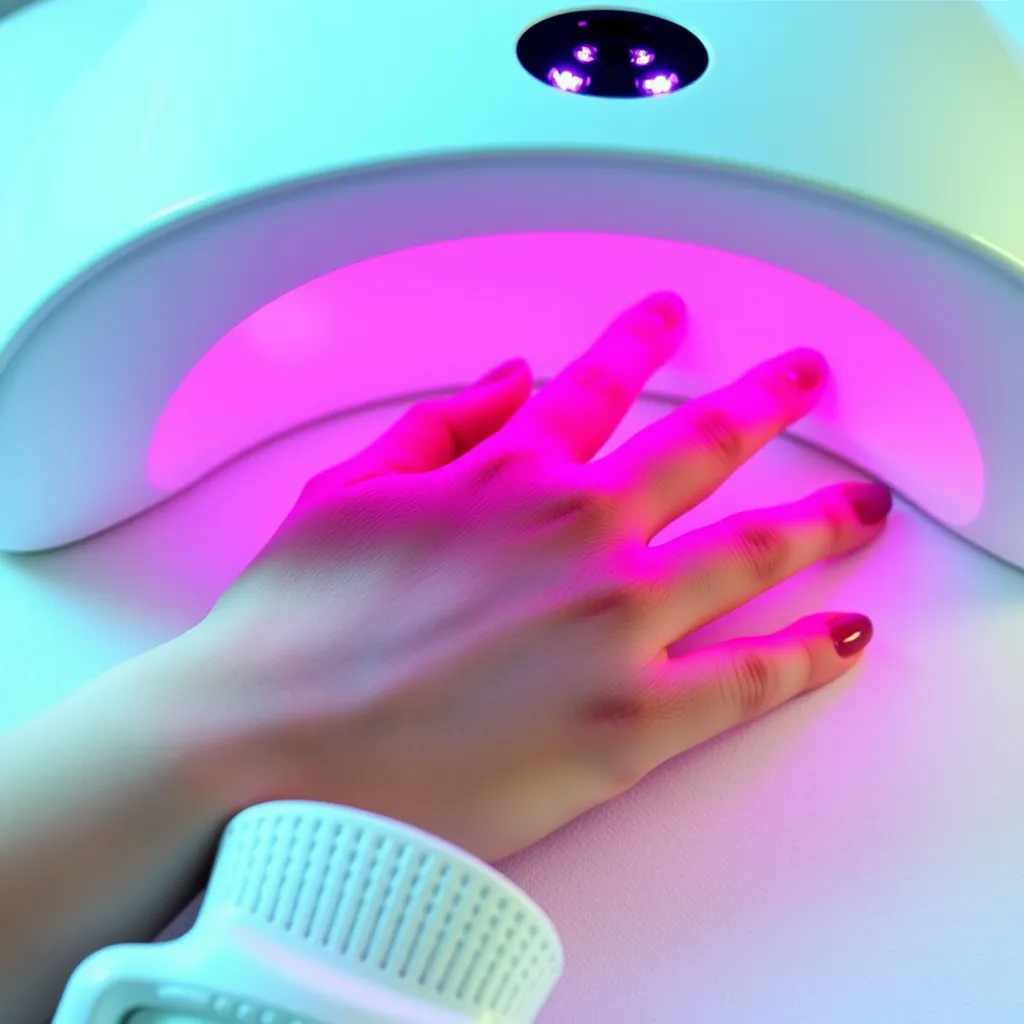
7-color LED therapy works best when you match the color to your goal and stay consistent. Lean on well-proven red and blue, treat the rest as support, and pair every session with good skincare. The same LED tech even cures gel polish.
(FAQs):
Q1: Can you use multiple colors in the same session?
A: Yes. Many devices let you run colors in sequence, like 10 minutes of blue then 10 of red, to hit two concerns. Sequencing does not weaken any color, since each acts on a different target.
Q2: How long before you see results?
A: Early glow and less redness can show in 2 to 4 weeks. Bigger changes like fewer wrinkles or clearer skin take 8 to 12 weeks of steady use, 3 to 5 times a week. Consistency matters more than long sessions.
Q3: Are 7-color devices as good as single-color ones?
A: For red and blue, a quality 7-color device can match a single-color one if the intensity is equal. Some spread their LEDs thin across all colors, so check the per-color intensity in mW/cm², not just LED count.
Q4: Is LED light therapy safe at home?
A: For most people, yes. Consumer devices are low-risk and use no UV, so they will not burn or tan skin. Stop if you notice irritation, and check with a dermatologist if you have a skin condition or take light-sensitive medication.
Beyond skincare, the same LED technology runs through your beauty routine, from curing gel polish to whitening teeth. Match the color to your goal, stay consistent, and pair it with proven skincare for the best results.