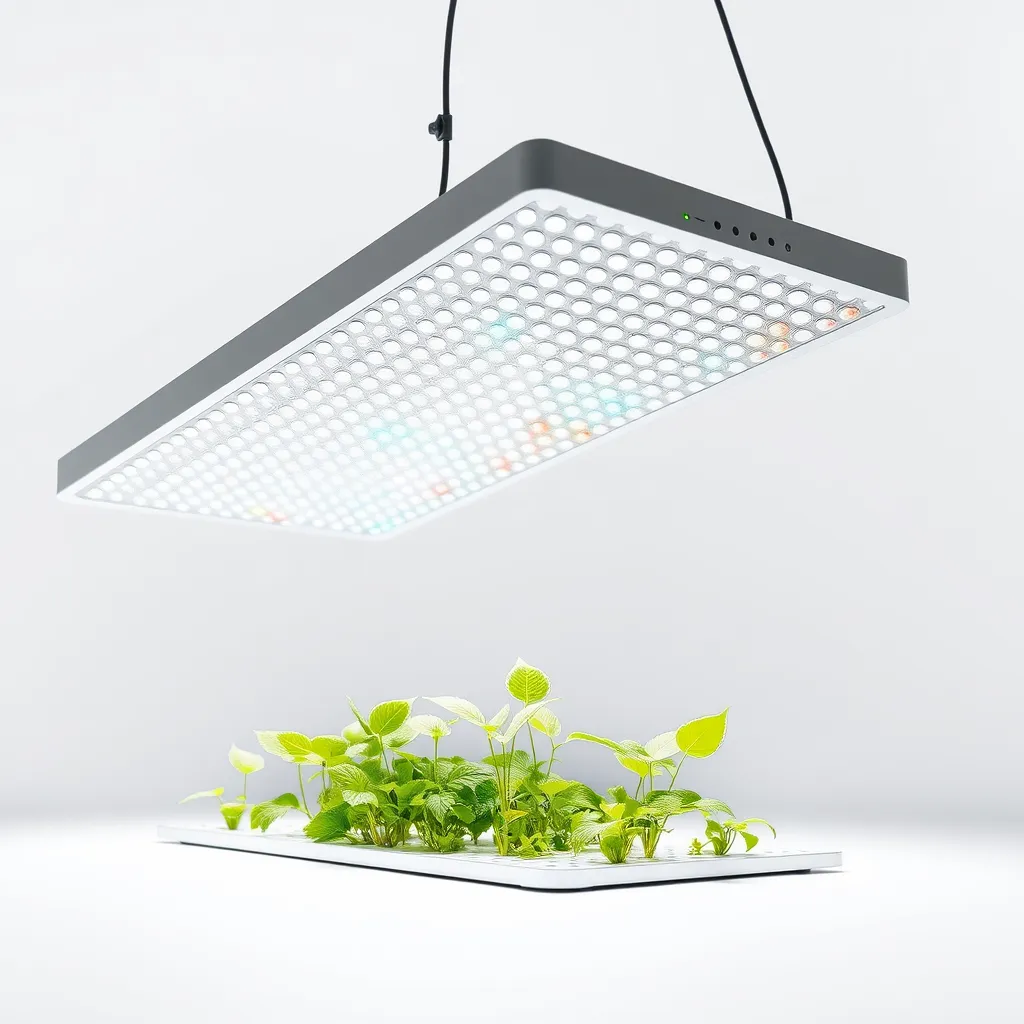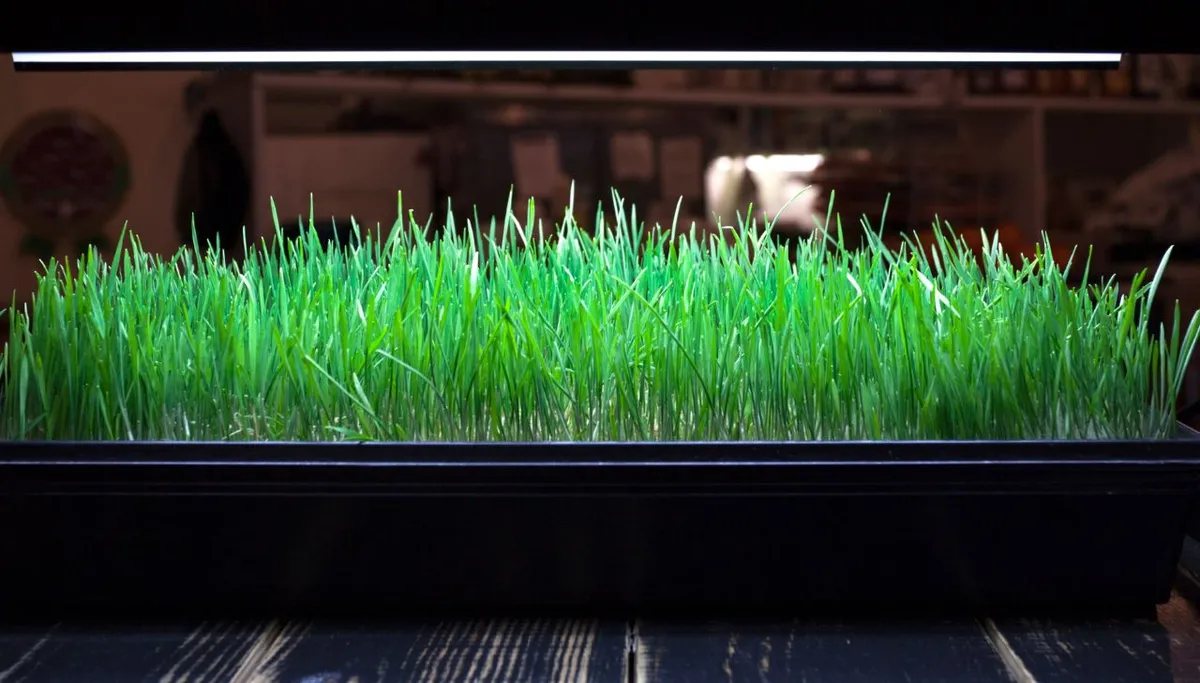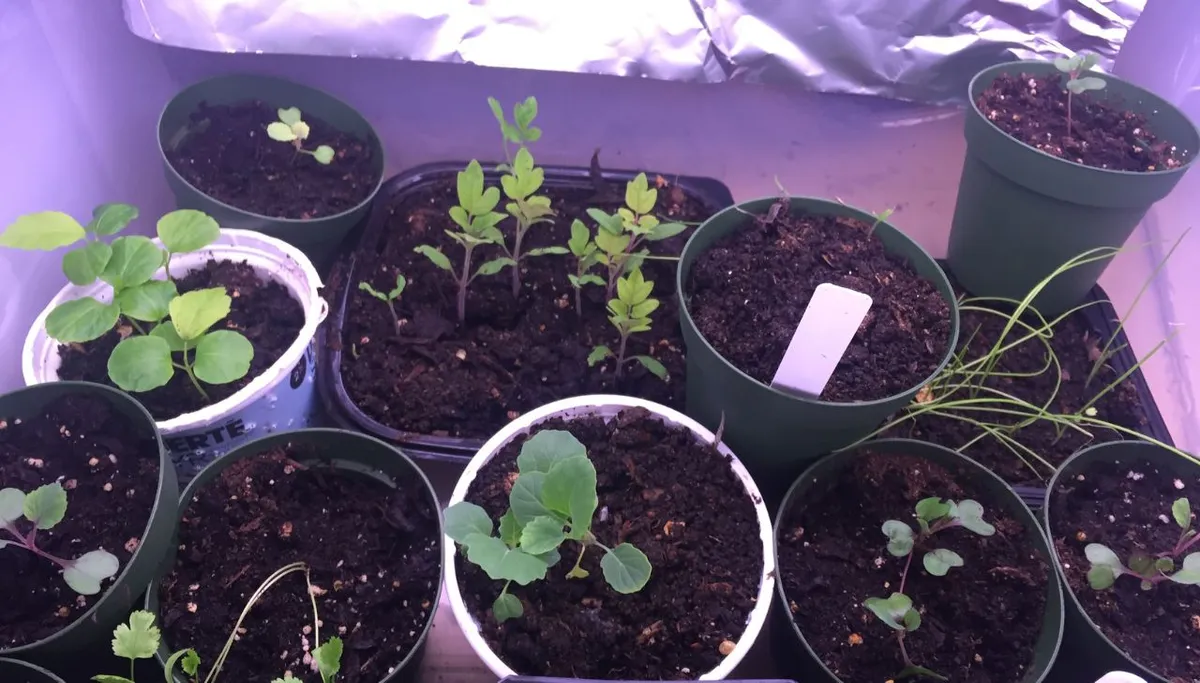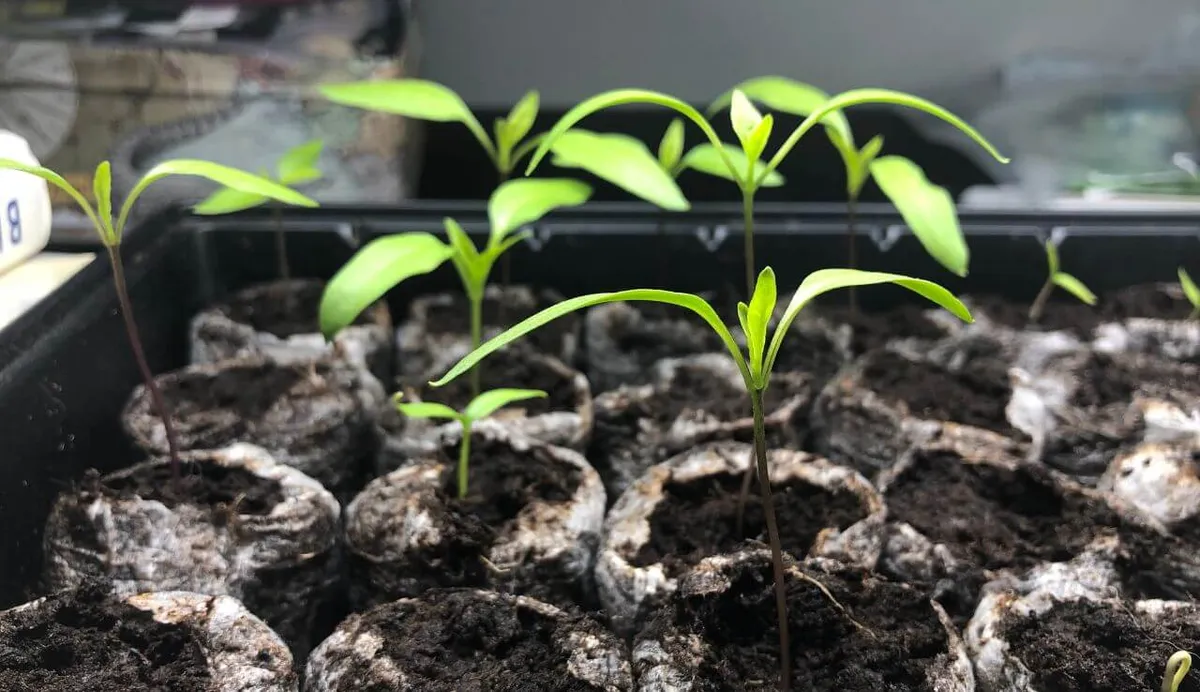
Yes, grow lights can burn plants. If a light sits too close, runs too strong, or stays on too long, it damages the leaves nearest to it. You will see pale, bleached, or curling leaves at the top of the plant.
Here is the part that fools most growers: with modern LED grow lights, the damage is almost never from heat. A light that feels cool to your hand can still bleach a plant white, and the reason why changes how you fix it.
Grow Light Burn at a Glance
Bleached or yellow tips near the light, leaves curling into a taco shape, and slowed growth even with good water and food. The usual fix is raising the light or turning its power down.
What Is Grow Light Burn?
Grow light burn is damage from too much light energy reaching a plant. It is not the same as a hot bulb scorching a leaf on contact.
The plant takes in more light than it can use to make food, and the extra energy damages the leaf tissue. This is why growers often mistake it for a feeding problem and treat the wrong thing.
Why Do LED Grow Lights Burn Plants Without Getting Hot?
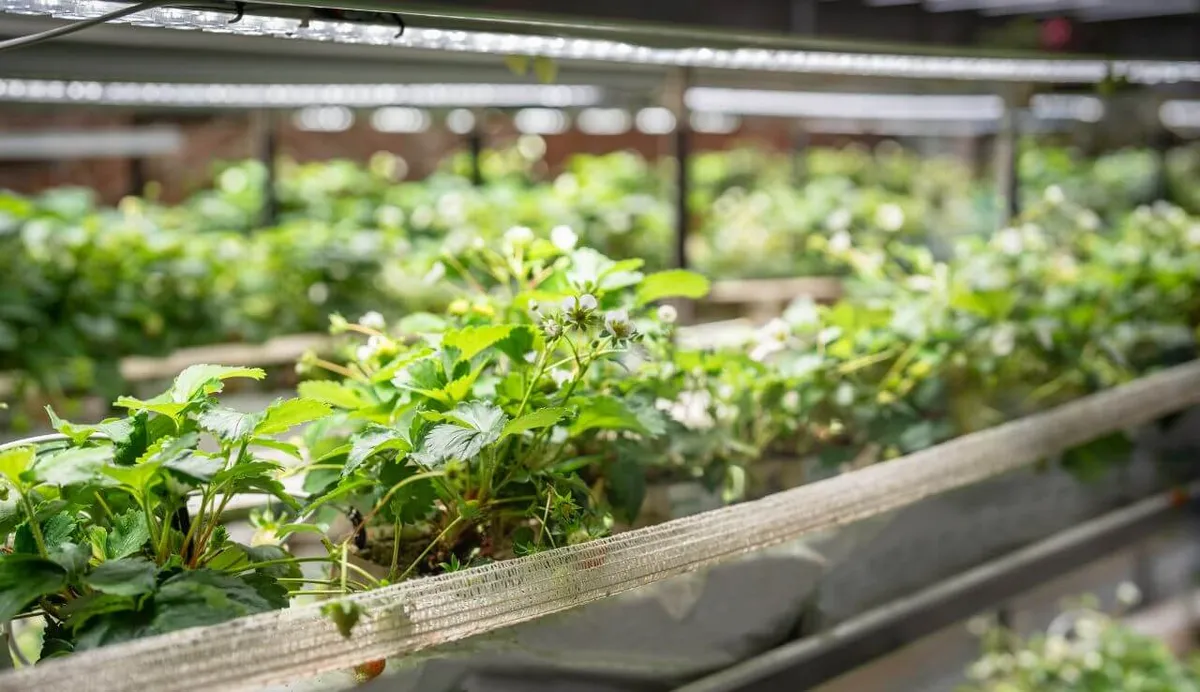
This is the surprise that trips people up. Old HPS and metal halide lamps ran very hot and could scorch leaves that grew too close, a true heat burn.
LED grow lights turn most of their energy into light and give off far less heat. So with an LED, the problem is almost always light intensity, not temperature.
Intensity is measured as PPFD, the amount of usable light landing on the plant. A seedling needs a low PPFD, while a mature plant handles much more. Push too much PPFD onto a small plant and it bleaches, even if the fixture is cool to the touch.
What Are the Signs of Grow Light Burn?
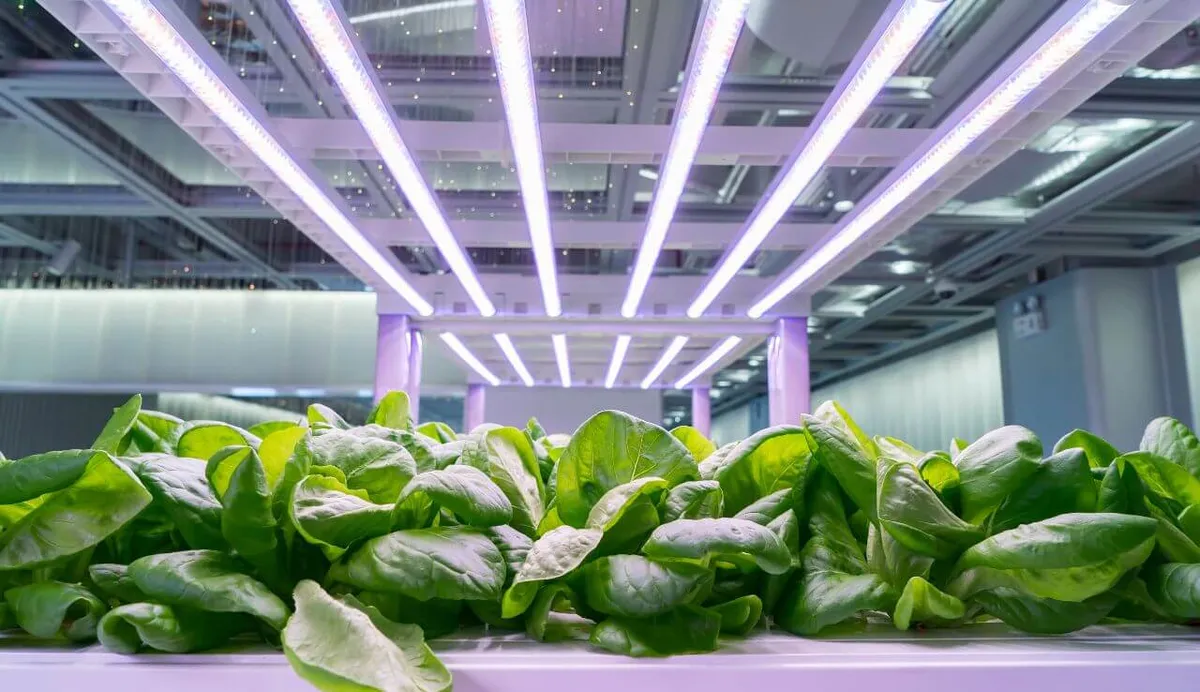
Light burn shows up on the leaves closest to the light first, and that is the key clue. If the top leaves suffer while the lower ones look healthy, the light is the likely cause.
Sign | What You See |
|---|---|
Bleaching | Top leaves fade to pale yellow or white |
Leaf curling | Edges curl up into a taco shape |
Brown or crispy tips | Leaf edges dry out nearest the light |
Stalled growth | Plant slows even with good water and food |
Yellowing between veins | The leaf fades but the veins stay green |
How Can You Tell Light Burn From a Nutrient Problem?
These two look alike, which is why so many growers fix the wrong thing. The difference is where the damage starts on the plant.
Light burn hits the top of the plant, the leaves closest to the fixture. Most nutrient problems start at the bottom and move up. So if your worst leaves are the ones nearest the light, suspect the light before you change your feeding.
How Far Should Grow Lights Be From Plants?
Distance is the main control, and it changes with the light's power and the plant's stage. A weak light sits closer, a strong light sits farther away.
Light Power | Seedlings | Veg and Flower |
|---|---|---|
Low, under 200W | 12 to 24 in [30 to 61 cm] | 12 to 18 in [30 to 46 cm] |
Medium, 200 to 500W | 18 to 30 in [46 to 76 cm] | 12 to 24 in [30 to 61 cm] |
High, 600W and up | 24 to 36 in [61 to 91 cm] | 18 to 30 in [46 to 76 cm] |
These are general ranges, so follow your fixture's hanging chart first. For young plants, our guide on how far grow lights should be from seedlings gives stage-by-stage distances.
Can Too Many Hours of Light Burn Plants?
Yes, and this cause gets missed because people focus only on distance. Running a light too many hours a day stresses a plant even at a safe height.
Most plants need a daily dark period to rest and process the day's light. Leaving a grow light on 24 hours can cause the same bleaching and stress as a light held too close, so match the light schedule to what your plant needs.
How Do You Prevent Grow Light Burn?
Prevention comes down to managing distance, intensity, and hours, then watching how the plant responds:
Follow the hanging chart. Use the maker's distance for your fixture and grow stage as your starting point.
Dim the light. Many LED grow lights dim to 75 to 85 percent, which lowers intensity without moving the fixture.
Do the hand test. Hold your hand at the top of the plant for 30 seconds. If it feels hot or the light feels harsh, raise the fixture.
Set the right hours. Give plants a daily dark period instead of running the light around the clock.
Watch the newest leaves. The top of the plant shows stress first, so check it daily.
Can Plants Recover From Grow Light Burn?
Often yes, if you catch it early. Badly bleached leaves will not turn green again, but the plant can grow healthy new leaves once you fix the distance, power, or hours.
Trim the worst-damaged leaves so the plant stops spending energy on them, then hold the light at the corrected height. New growth that comes in green and flat tells you the problem is solved.
Frequently Asked Questions
Are some plants more prone to grow light burn than others?
A: Yes. Seedlings, young clones, and low-light plants like lettuce and herbs burn far more easily than mature, high-light plants. Start weaker plants farther from the light and lower the intensity.
Does grow light burn hurt yield or just looks?
A: It can hurt yield. Bleached leaves stop making food for the plant, so heavy or repeated burn slows growth and cuts your harvest, not just the plant's appearance.
Can white LED grow lights burn plants more than purple ones?
A: Not by color. Burn depends on total intensity and distance, not whether the light looks white or purple. A powerful full-spectrum white light simply tends to be run at higher output.
Will a diffuser or glass cover stop light burn?
A: A diffuser spreads light and softens hot spots, which helps a little, but it does not replace correct distance. Raising the fixture or dimming it fixes burn far more reliably.