The easiest way to install LED lights in your car is a plug-and-play interior strip kit that powers from the 12V socket or USB port, no wiring or tools needed. From there it scales up: swap dome bulbs in minutes, hardwire strips to the fuse box, or fit LED headlights and underglow for the biggest change.
Here is the twist most guides skip: the upgrade people want most, bright LED headlights, is also the one that can blind other drivers and get you pulled over. So start with the quick, legal wins and treat headlights and underglow as the careful end of the job.
Start Easy, Then Level Up
Dome and plate bulbs are a two-minute, always-legal swap. Plug-in interior strips take five. Hardwired strips, headlights, and underglow need more care and, for the last two, a look at your state law. Work up the ladder as your confidence grows.
Which LED Upgrade Should You Start With?
Pick by how much effort and risk you want, from a two-minute swap to a full custom job.
Upgrade | Effort | Legal |
|---|---|---|
Dome, map, plate bulbs | 2 min, no tools | Always |
Plug-in interior strips | 5 min, no wiring | Interior only |
Hardwired strips | Fuse-box wiring | Interior only |
Headlight bulbs | 5 min per bulb | Gray area |
Underglow | Undercarriage wiring | Varies by state |
The 2-Minute Win: Dome, Map, and Plate Bulbs
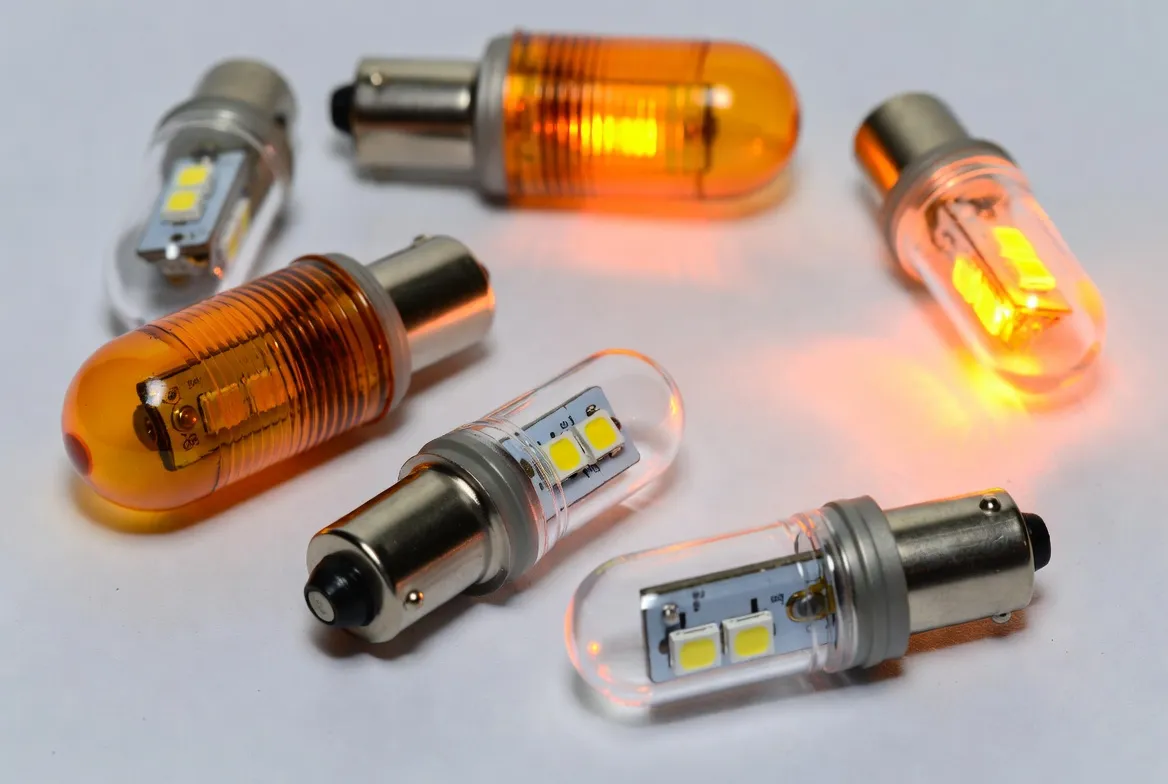
Start here, the simplest, cheapest, most universally legal upgrade. Pop out the festoon or wedge bulb and press in an LED matching the same number (194/T10, 168, 578, DE3175). You get brighter, whiter 5000K to 6500K light for $5 to $15, in two minutes with no tools.
How to Install Plug-and-Play Interior Strips
Interior footwell strips are the classic ambient upgrade. Most kits give four segments, two longer (12 to 18 inches) under the dash and two shorter (8 to 12 inches) under the front seats. Lay them out before peeling any adhesive to check the wiring reaches. Wipe each surface with isopropyl alcohol, press each strip for 30 seconds, and route wires under carpet and trim to stay hidden. Then plug into the 12V socket or USB port and test in accessory mode.
Hardwiring Strips Without Draining Your Battery
For a cleaner install with no dangling cable, hardwire to the fuse box, and one choice protects your battery. Connect the positive wire to a circuit that only powers on with the ignition, using an add-a-fuse adapter ($3 to $5), so it cannot run the battery flat when parked. Ground the negative to bare metal, and add a 3-amp inline fuse. On a constant-power circuit, a 3-amp kit could flatten a battery in about 16 hours.
Fitting LED Headlights the Right, Legal Way
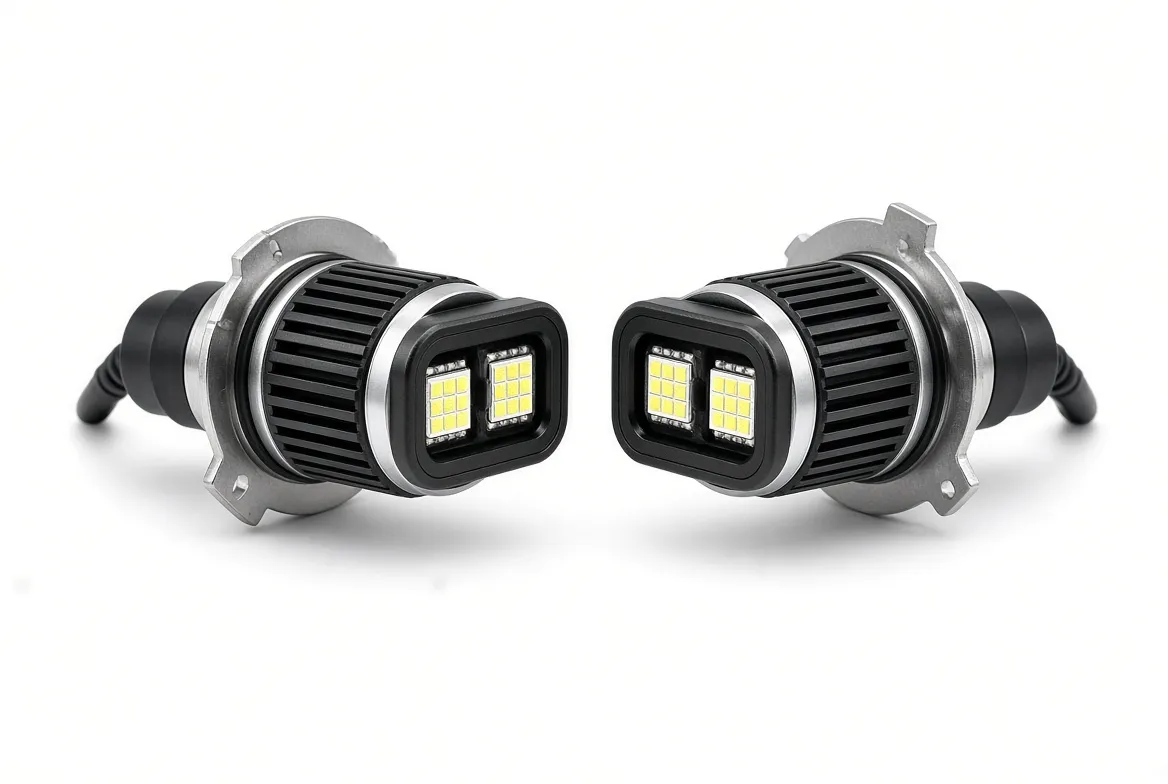
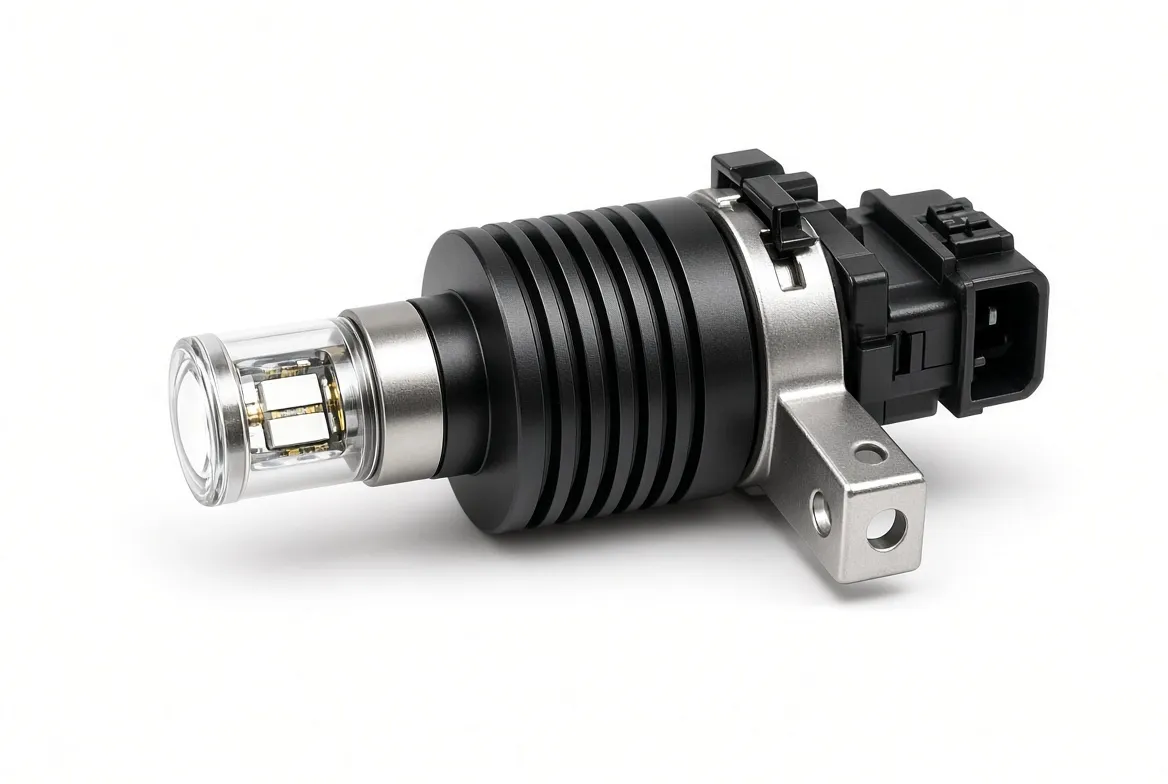
Headlights give the biggest jump, but need the most care. LED conversion bulbs replace the halogen (H11, 9005, 9006, H7) for 2 to 4 times the light at 30 to 50% less draw. Turn out the old bulb, fit the LED the same way, and secure it. For picks that match the beam properly, see the best H11 LED bulbs.
The glare trap: LEDs in a reflector housing (most cars) scatter light and blind oncoming drivers, while projector housings control the beam. Cheap bulbs make it worse, so pay for quality ($40 to $80) over budget ($10 to $20), and check your state law, since headlight LEDs are a legal gray area.
Taillights and Turn Signals: Beating Hyper Flash
LED taillight and signal bulbs (1157, 7443, 3157) drop straight in, but there is a catch. Drawing less current, they make the flasher read a dead bulb and blink 2 to 3 times too fast, called hyper flash. Fix it with an LED-compatible flasher relay ($8 to $15) or load resistors ($5 to $10 a pair), or pick bulbs with built-in resistors from the best LED turn signal bulbs.
Underglow: The Upgrade the Law Cares About Most
Underglow mounts waterproof strips (IP65 or higher) to the undercarriage. Mount to the subframe, wire through a relay and fuse to the battery, and keep strips away from exhaust heat and suspension. But the real issue is legal: many states ban red or blue underglow, flashing patterns, and any light visible from the front, and some allow it only while parked. Fines run $50 to $500, so check your state first. White and amber are the most widely legal for driving.
The Details That Make It Look Factory, Not Aftermarket
Match color temperature. Use one across all interior bulbs, since mixing 5000K and 6500K looks off. Pick 5000K to 6000K for clean white or 4000K for a factory tone.
Skip cheap headlight bulbs. Budget chips sit in the wrong spot and wreck the beam. Quality bulbs match the filament position and keep a clean cutoff.
Use proper connectors. Never twist and tape a permanent job. Use butt, heat-shrink solder, or Posi-Tap connectors, since car wiring faces constant vibration and moisture.
Conclusion:
Climb the ladder: start with two-minute dome and plate bulbs, add plug-in strips, then hardwire for a clean look. Save headlights and underglow for last, mind the beam and the law, use quality bulbs and proper connectors, and keep it reversible if you lease.
(FAQs):
Q1. Are LED lights in cars legal?
A: Interior LEDs are legal everywhere as long as red or blue is not visible from outside. Taillight and plate LEDs are fine if the color and visibility are right. Headlight conversions sit in a gray area under federal beam standards.
Q2. Will LED lights drain my car battery?
A: Not if wired right. On an ignition-switched circuit or the 12V socket, they only run when the car is on, so there is zero drain. On a constant-power circuit, a 3-amp kit could flatten a battery in about 16 hours, so always use an ignition-switched feed.
Q3. Can you install LED lights in a leased car?
A: Yes, with reversible methods. Plug-in kits and bulb swaps leave no trace, and adhesive strips lift with a heat gun and remover. Avoid drilling or cutting, and keep the original bulbs to refit before return.
Q4. Do you need special LED bulbs to avoid errors on newer cars?
A: Often yes. Many newer cars flag LED bulbs as faults or flicker them, so look for CANbus-ready bulbs. For headlights and signals especially, a CANbus or built-in-resistor bulb avoids dash warnings on most vehicles.