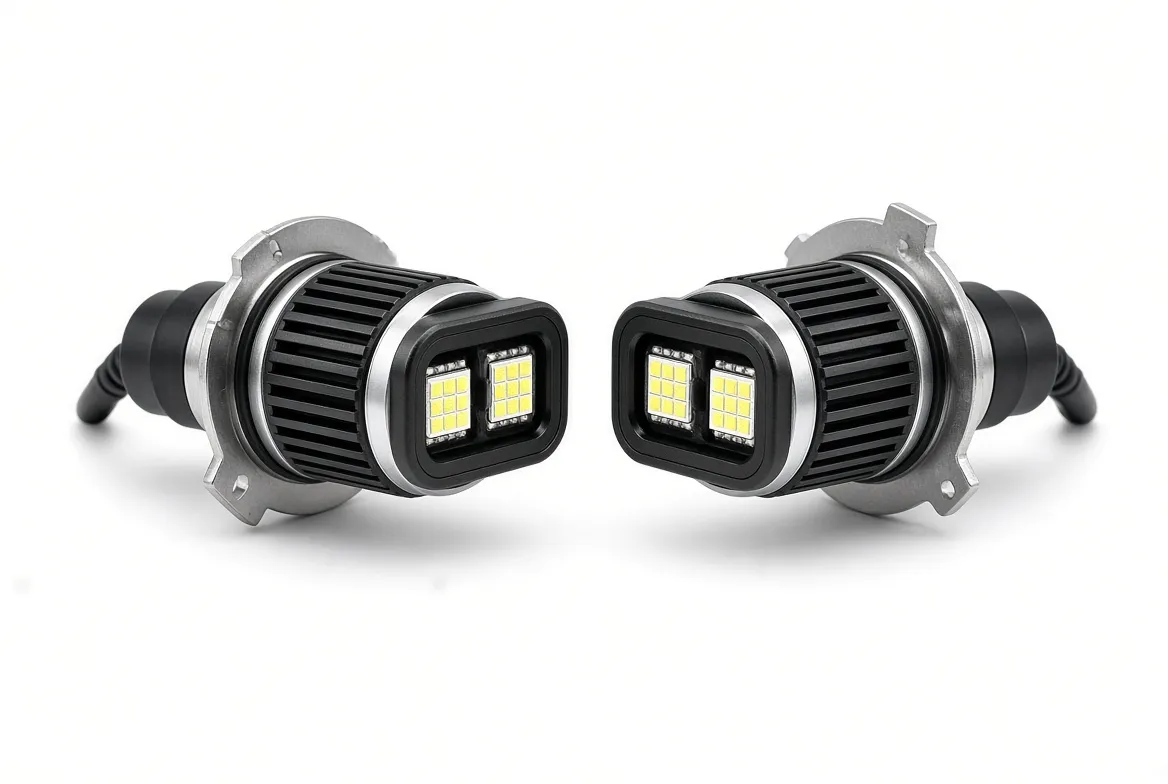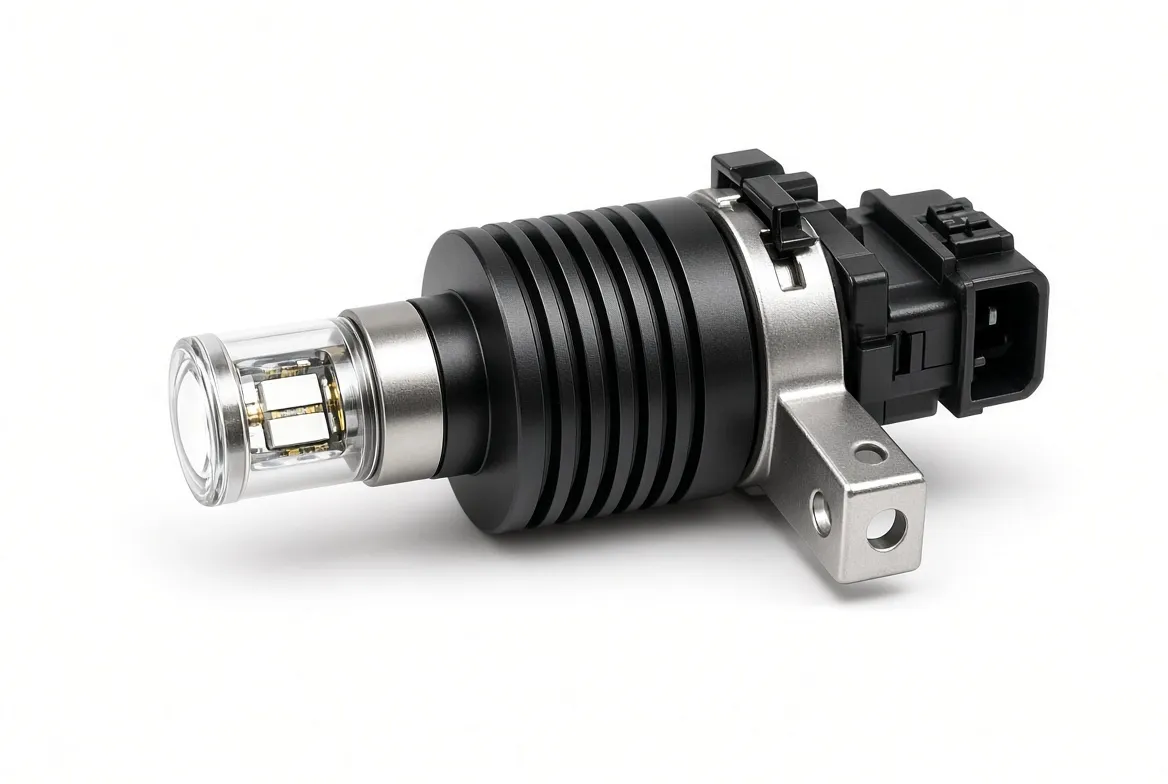
Rock lights are small, tough LED pods mounted under a vehicle - usually in the wheel wells or along the frame - that light up the ground beneath it. They are built for off-roading, where they help you spot rocks, ruts, and obstacles at night. Many are also RGB color-changing, so drivers use them for underglow style too.
The name comes from rock crawling, where seeing the ground around your tires matters. But rock lights do far more than that now. Here is how they work and what to know before buying.
What Do Rock Lights Do?
Unlike headlights or a light bar, which throw a focused beam forward, rock lights cast a wide, soft glow downward. That even spread lights the ground right under and around the vehicle.
On the trail, that helps you and a spotter see exactly where your tires are, so you can pick a safe line over obstacles. It is lighting for the ground you are about to drive over, not the road ahead.
What Else Are They Used For?
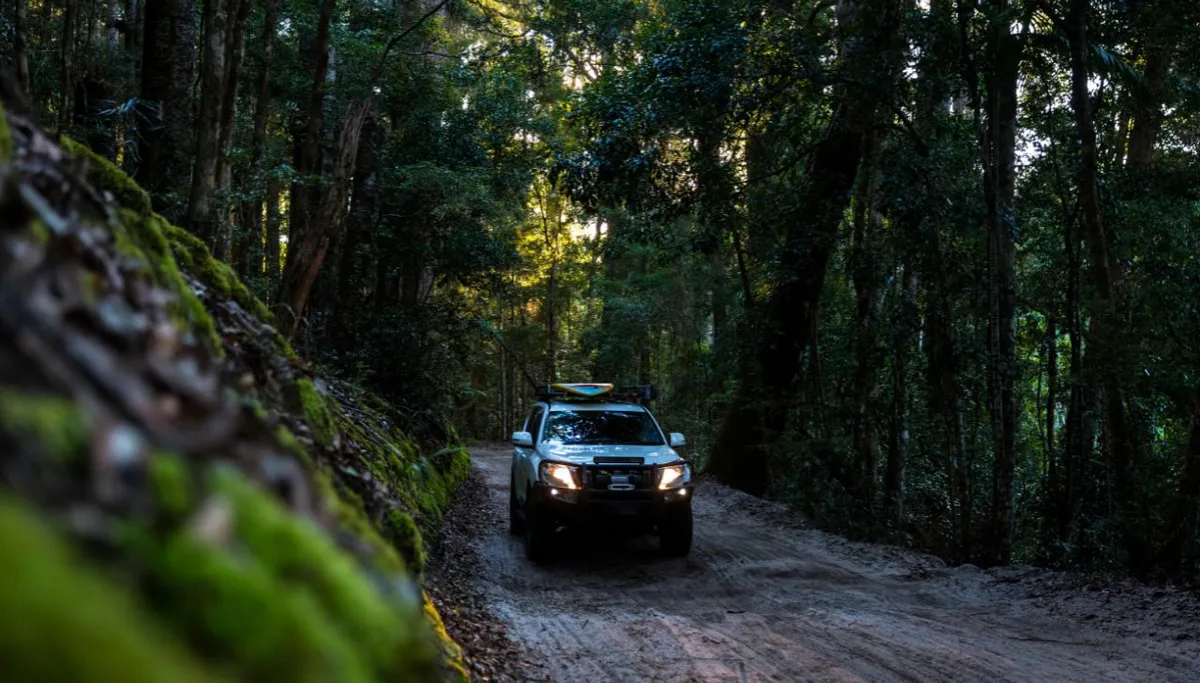
Rock lights are compact and bright, so people mount them far beyond the wheel wells:
Underglow style - RGB pods give that colorful glow under a truck at a show or meet.
Campsite and work light - extra light around the vehicle for loading, repairs, or a campsite.
Cargo and engine bays - a pod in the truck bed or under the hood for hands-free light at night.
Essentially, they add even, durable light anywhere you want it on a rig.
Rock Light Colors: White, RGB, or RGBW:
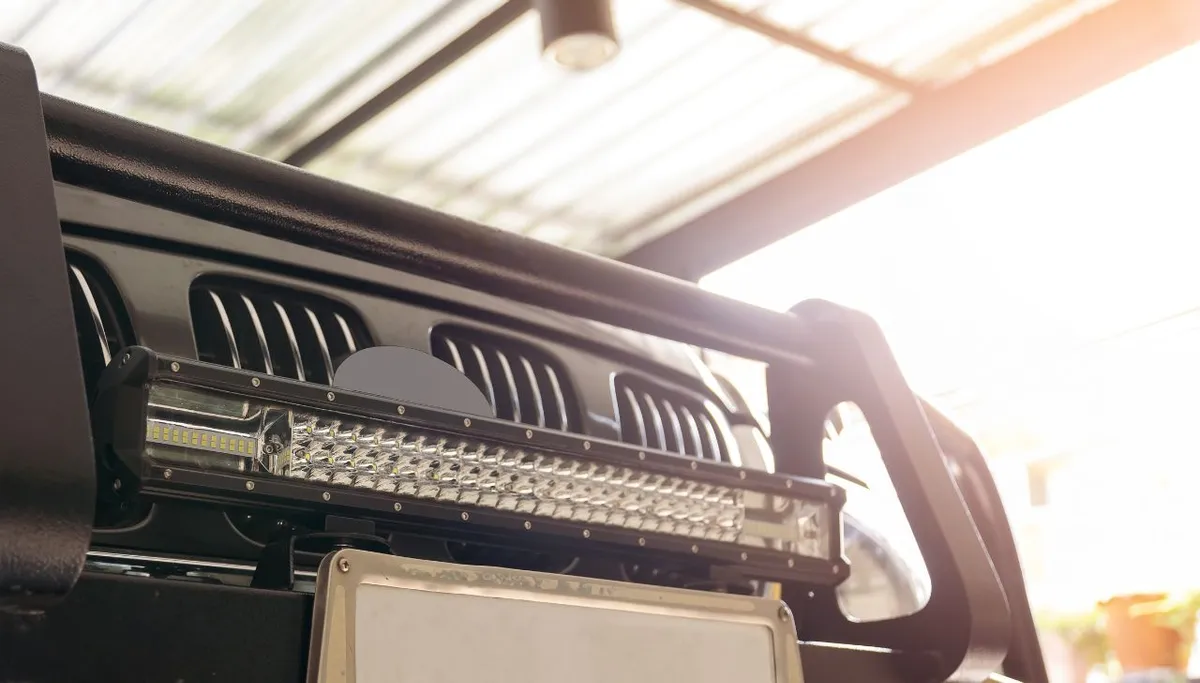
Color is the biggest choice you will make, and it comes down to what you need:
Type | Best For |
|---|---|
White | Real trail visibility - brightest, clearest ground light |
RGB | Color and underglow style; can dim but makes a poor true white |
RGBW | Both - a true-white diode plus 16 million colors |
Rule of thumb: If you actually off-road at night, white gives the most useful light. If it is mostly for looks, RGB is fine. Want both? Pay a little more for RGBW.
How Many Do You Need?
The right number depends on your vehicle and goal. Four pods - one per wheel well - is the usual minimum for a Jeep or ATV.
A mid-size truck or SUV looks best with 8 to 12, spread along the frame for even light. Big trucks and show builds go higher for a seamless glow with no dark gaps.
Are Rock Lights Waterproof?
Good ones are. Since they live in mud, rain, and road spray, look for an IP67 or IP68 rating and a die-cast aluminum housing.
One catch: the control box is often not waterproof, so mount it somewhere dry and protected.
Are Rock Lights Legal?
They are made for off-road use, and that is where they are always fine. On public roads, the rules vary by state.
Many places restrict red or blue light and lights that flash or shine while driving, since those can look like an emergency vehicle. Check your local laws before running them on the street.
Do Rock Lights Drain Your Battery?
They can if left on with the engine off, since they draw power whenever they are wired in. A typical 4-pod kit pulls only a few amps, but that adds up over hours.
The fix is simple: use the included switch, a relay, or a kit with an auto-off feature so they cannot run your battery down while parked.
Ready to pick a set? See our guide to the best LED rock lights, and for wiring help, how to install LED lights in a car.
(FAQs):
Q1. What is the point of rock lights?
A: They light the ground under and around your vehicle so you can spot obstacles like rocks and ruts while off-roading at night. They also add underglow style and work as campsite or cargo light.
Q2. Where do rock lights go on a vehicle?
A: Most mount inside the wheel wells or along the frame rails. People also add them to truck beds, engine bays, and roll bars for extra light wherever they need it.
Q3. Are white or RGB rock lights better?
A: White is brighter and better for actually seeing the trail. RGB is for color and style. An RGBW kit gives you a true white plus colors in one.
Q4. How many rock lights do I need?
A: Four is the minimum, one per wheel well. A mid-size truck or SUV is better with 8 to 12, and larger builds use more for an even, gap-free glow.