Yes - but only up to a point. Regular white LED lights can grow plants because they give off the red and blue light plants use, so a bright daylight bulb kept close will keep low-light houseplants alive. But regular bulbs are far weaker and less tuned than real grow lights, so plants grow slowly and often stretch. For seedlings, vegetables, flowering plants, or succulents, a proper grow light works far better.
Why Regular LEDs Can Grow Plants (a Little):
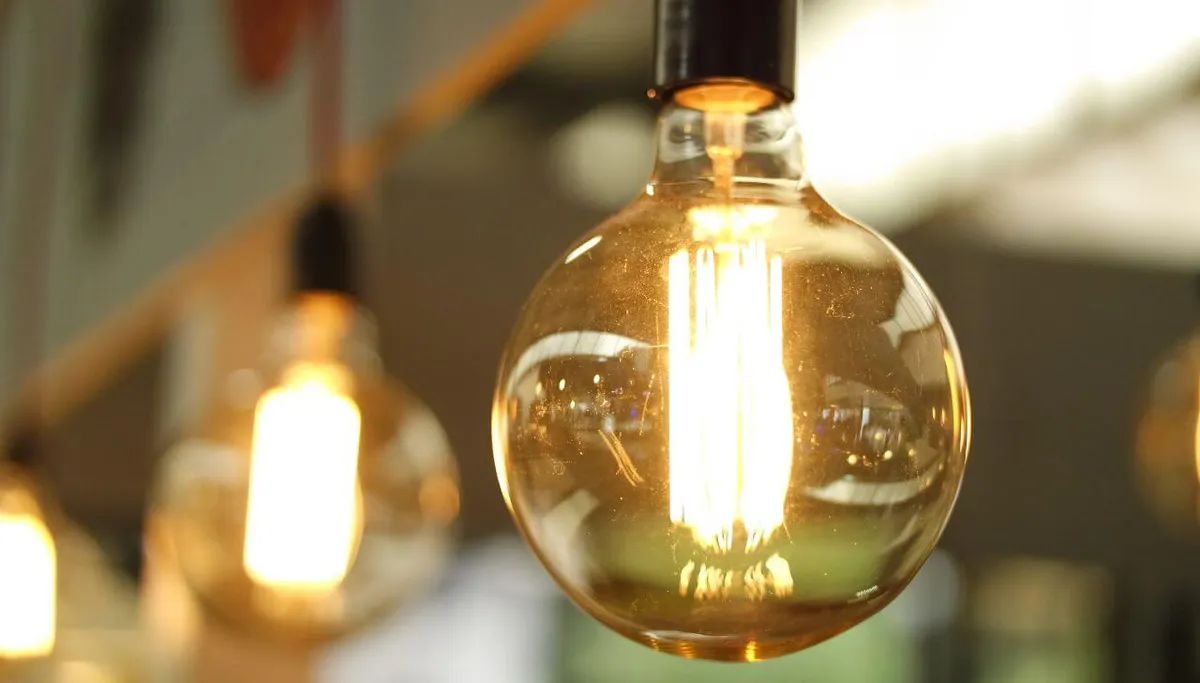
Plants make food from light using mainly blue light (for compact, leafy growth) and red light (for overall growth and flowering). White LED bulbs are actually blue LEDs with a coating that spreads the light across the whole spectrum - so they do contain the blue and red plants need. That is why a plant under a bright white bulb will not just die.
The problem is not whether the light is there - it is how much. Regular bulbs are built to look bright to human eyes, not to pump out the amount of light energy a plant needs.
Why Grow Lights Are Still Much Better:
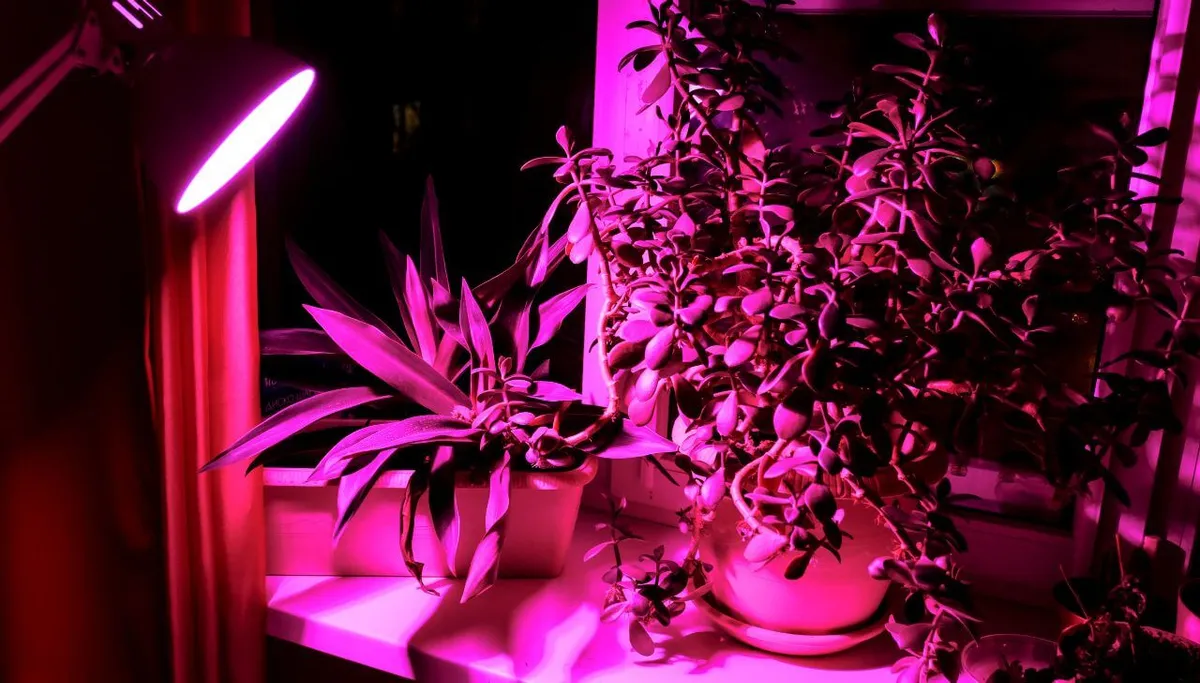
Two things separate a regular bulb from a grow light:
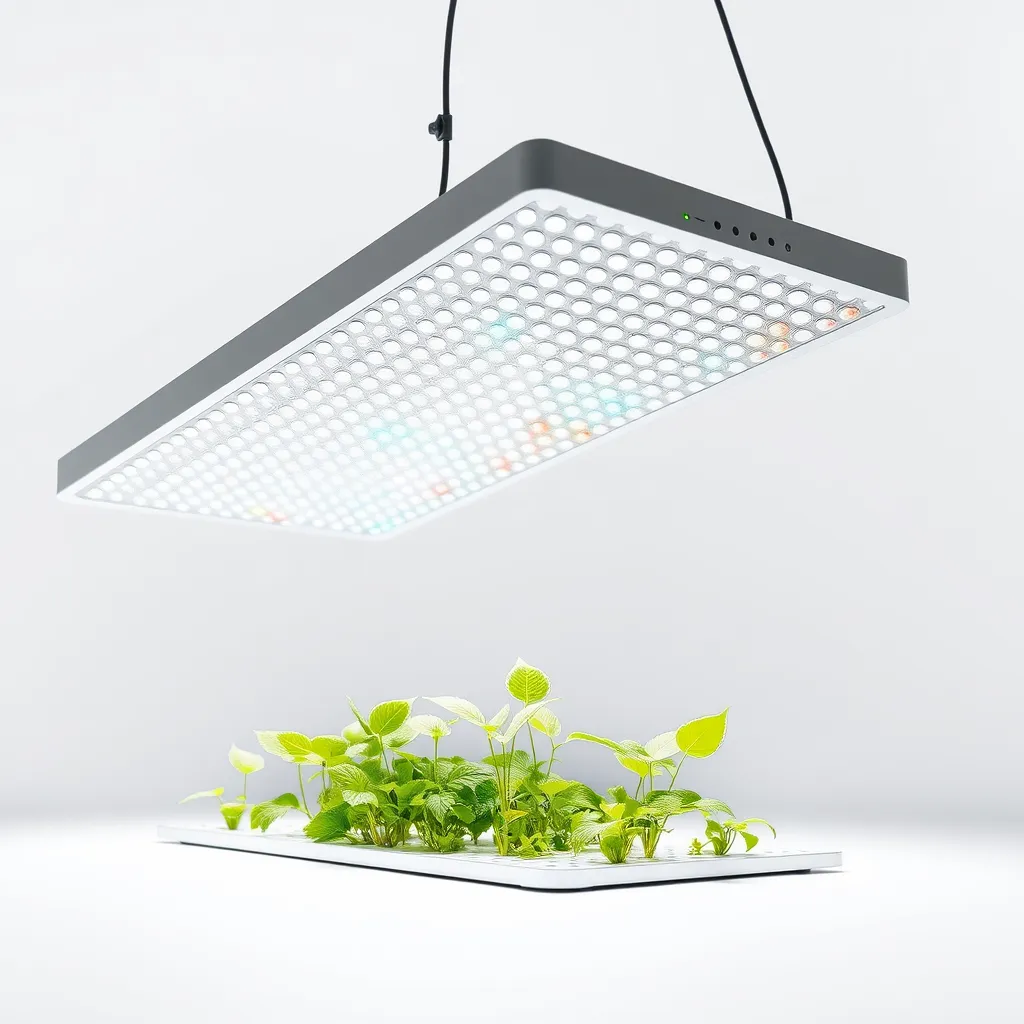
Intensity: Grow lights deliver far more plant-usable light (measured as PPFD) than a household bulb. A regular bulb bright enough for a room is dim from a plant's point of view.
Spectrum: Regular LEDs are tuned for human vision (heavy on green/yellow, which our eyes love). Grow lights are tuned with more red and blue, the wavelengths plants use most.
This is also why lumens (a measure of brightness for human eyes) is the wrong way to judge a plant light. Plants care about PPFD - the amount of usable light photons hitting the leaves - which regular bulbs are not designed or rated for.
Factor | Regular LED Bulb | LED Grow Light |
|---|---|---|
Designed for | Lighting rooms (human eyes) | Growing plants |
Measured in | Lumens (brightness) | PPFD (plant light) |
Spectrum | Broad, human-optimized | Tuned red + blue / full spectrum |
Intensity for plants | Low | High |
Best for | Keeping easy plants alive | Strong growth, seedlings, flowering |
Which Plants Tolerate Regular LED Light?
The lower a plant's light needs, the better a regular bulb works. Good candidates:
Low-light houseplants: pothos, philodendron, snake plant, ZZ plant, spider plant, lucky bamboo. These survive happily under a bright daylight bulb.
Plants that will struggle under a regular bulb:
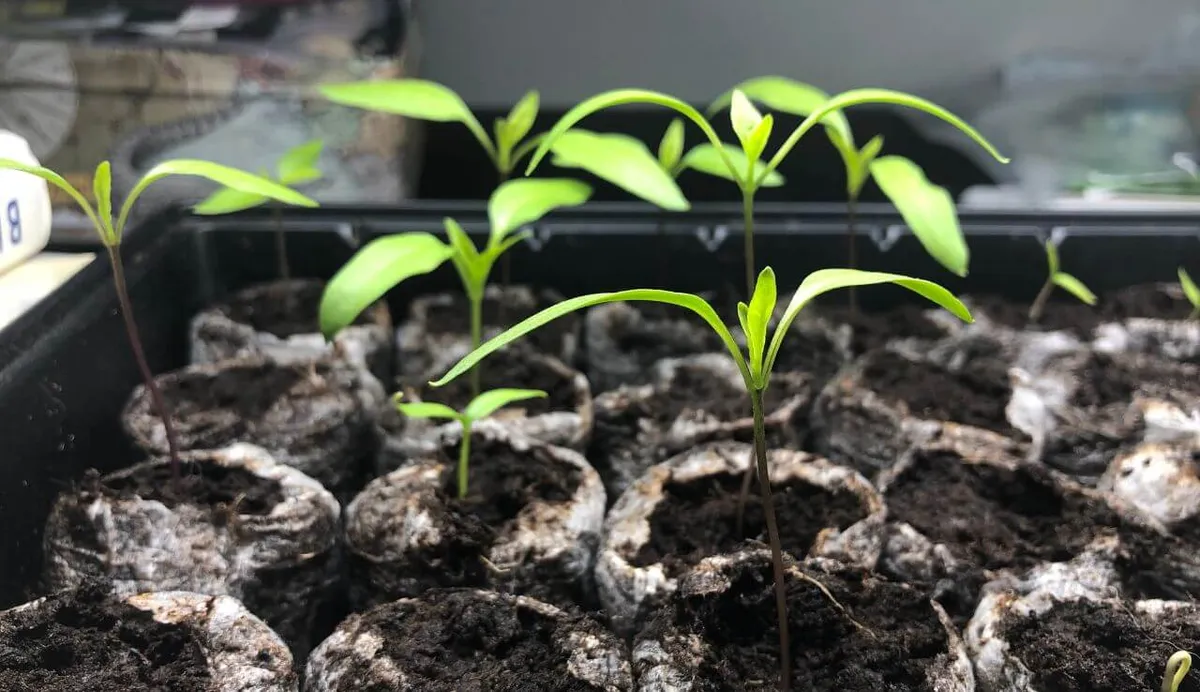
Seedlings - they stretch into weak, leggy stems without strong light.
Succulents - they lose their tight shape and etiolate.
Vegetables and flowering/fruiting plants (tomatoes, peppers, herbs for real harvests) - they need high intensity to produce.
Rule of thumb: If the plant is a tough, low-light houseplant, a bright regular LED is fine. If you want it to grow fast, flower, or fruit - or you are starting from seed - use a grow light.
How to Make Regular LEDs Work Better for Plants:
If a normal bulb is all you have, stack the odds in your favor:
Use daylight bulbs (5000K-6500K), not warm white. Daylight white is more blue-rich and closer to sunlight.
Go as bright as you can - use the highest-lumen / highest-wattage bulbs available, or several bulbs together.
Keep the light close - a few inches to a foot above the plant. Intensity drops off fast with distance.
Leave it on 12-16 hours a day to make up for the lower intensity, then give the plant darkness.
Pair it with a bright window so the bulb supplements natural light rather than replacing it.
When to Just Buy a Grow Light:
Grow lights are cheap to buy and cost only a couple of dollars a month to run, so if you are serious about your plants, they are worth it. Get one if you are starting seedlings, growing succulents, or want any plant to truly thrive rather than just survive. See our picks for the best LED grow lights for indoor plants, and if cost is your concern, how much electricity grow lights use.
Frequently Asked Questions
Q1. Can any LED light grow plants?
A: Most white LEDs can grow low-light plants a little, because they emit some red and blue light. But they are much weaker than grow lights, so plants grow slowly. Bright daylight (5000K-6500K) bulbs work best.
Q2. What color LED is best for growing plants?
A: Daylight white (5000K-6500K) is the best regular bulb for plants, because it is blue-rich and close to sunlight. Purpose-built grow lights add extra red for flowering and stronger overall growth.
Q3. Will regular LED lights help seedlings?
A: Not well. Seedlings need high intensity to stay compact, and regular bulbs are usually too weak, so seedlings stretch into thin, leggy stems. A grow light is strongly recommended for seed starting.