Buy an LED and the box promises decades, but whether you actually get them comes down to two things the rating never mentions: heat and the driver. Get those right and an LED can outlive 25 old bulbs. Get them wrong and it quietly quits years early.
On average, LED lights last 25,000 to 50,000 hours. At about 8 hours a day, that is roughly 10 to 17 years before noticeable dimming. High-end integrated fixtures push past 100,000 hours, while budget LEDs can fall short of their rating within a few years. Per the U.S. Department of Energy, residential LEDs use at least 75% less energy and last up to 25 times longer than incandescent bulbs.
Why the Rated Number and Reality Rarely Match:
A single figure hides the real story. LED lifespan depends on the product type, the operating heat, and how the maker defines "lasting." The chips almost never fail first, the driver and heat decide when a light actually dies. Here is what the data shows.
How Long Does Each Type of LED Last?
LED Type | Rated Lifespan | Real-World Estimate |
|---|---|---|
LED bulbs (A19, BR30) | 25,000 to 50,000 hrs | 10 to 20 years |
LED strip lights | 25,000 to 50,000 hrs | 8 to 15 years |
LED ceiling & recessed | 30,000 to 60,000 hrs | 10 to 20 years |
Integrated LED fixtures | 50,000 to 100,000 hrs | 15 to 30+ years |
LED Christmas lights | 10,000 to 25,000 hrs | 4 to 10 seasons |
Estimates based on 8 hours of daily use.
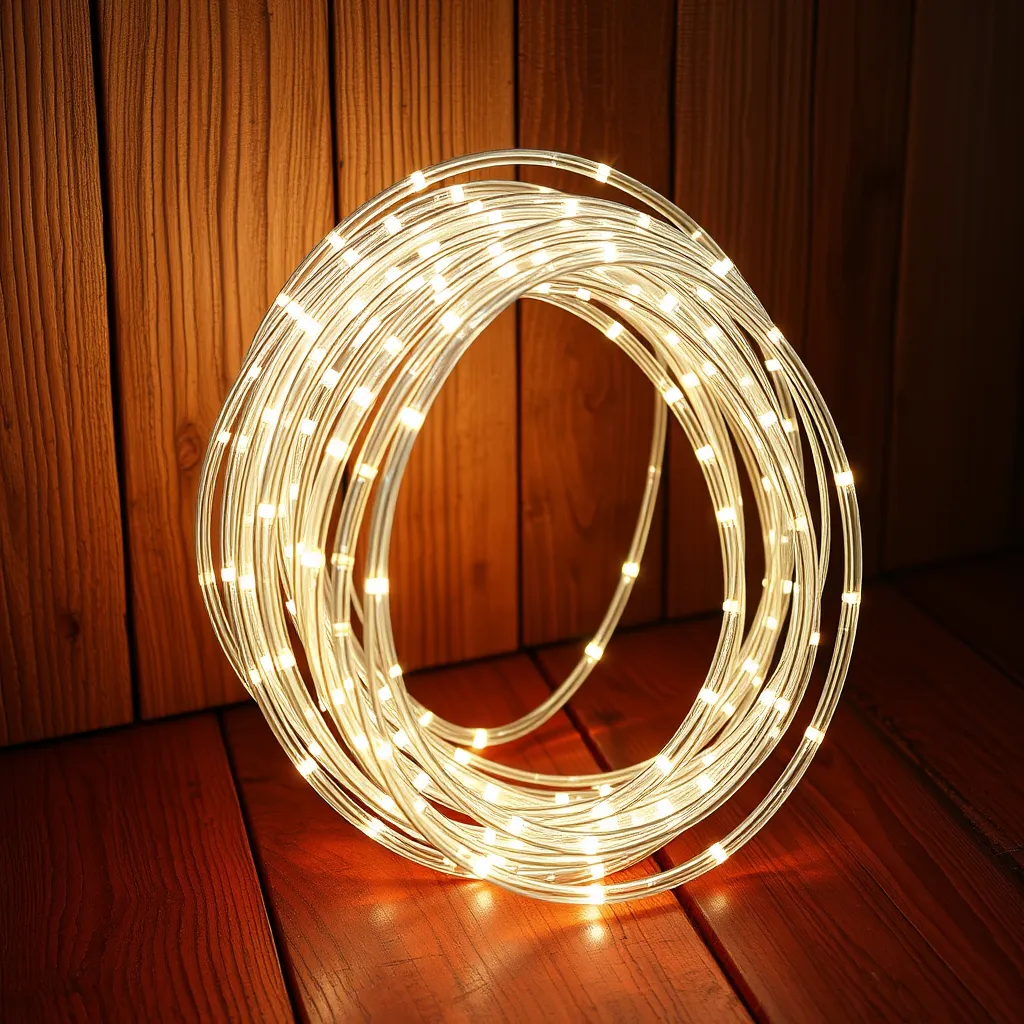
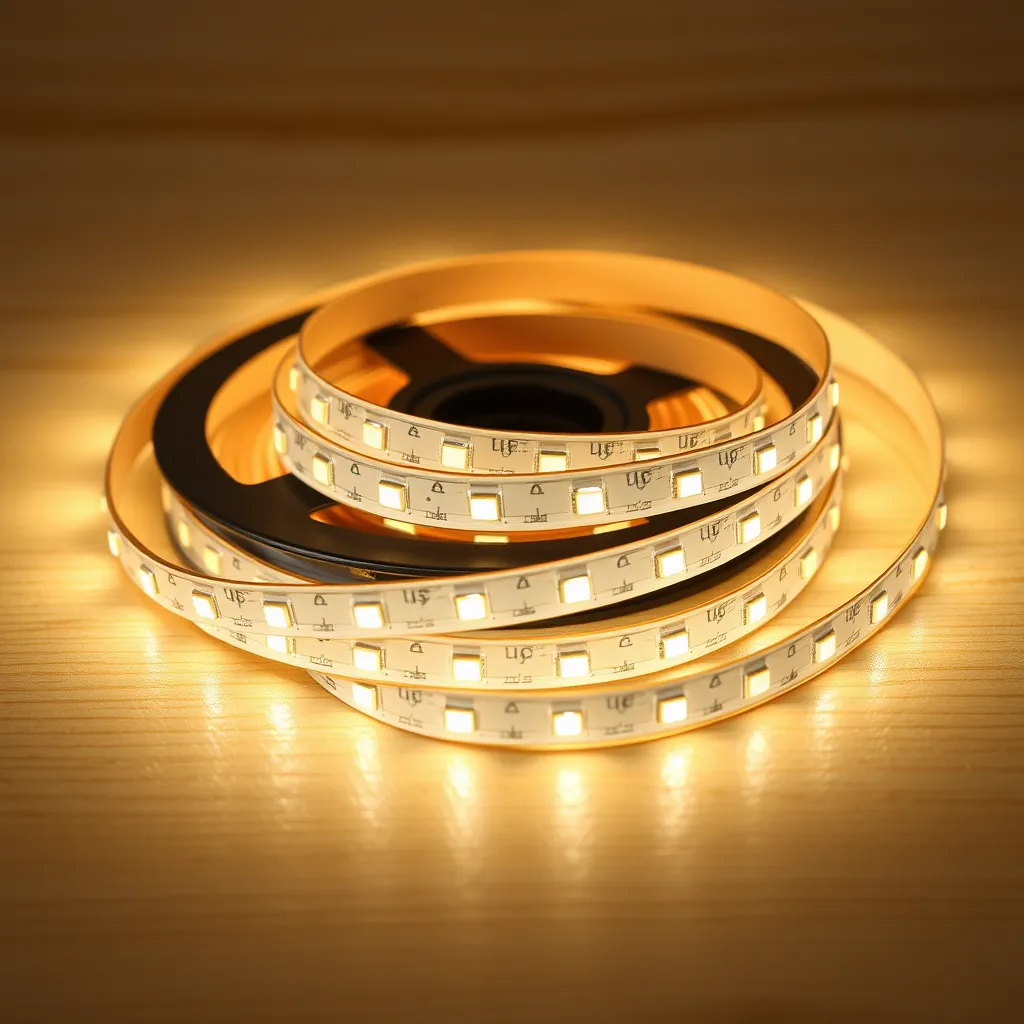
LED strip lights deserve a note. While the LEDs are rated for 50,000 hours, the adhesive backing and solder joints often degrade faster in warm spots. Running strips at 70 to 80% brightness instead of maximum cuts heat and extends their working life.
LED Christmas lights diverge the most from their rated numbers. UV, rain, freezing temperatures, and the stress of yearly setup drag their real life well below lab estimates. Commercial-grade strings last 7 to 10 seasons, while budget strings may fail after one. Our guide on how long LED Christmas tree lights last covers this in depth.
What "50,000 Hours" Actually Means:
When a maker rates an LED for 50,000 hours, it does not mean the light dies then. Unlike incandescent bulbs, LEDs do not burn out suddenly. They fade slowly through lumen depreciation.
The industry measures this with the L70 standard: the hours until an LED drops to 70% of its original brightness. A bulb rated 50,000 hours still lights at hour 50,000, just about 30% dimmer. Most people do not notice the fade until it passes that 70% mark, which is why L70 became the default.
True failure, where the light flickers, shifts color, or shuts off, usually comes from driver failure, not chip degradation. The driver converts household AC into the DC the LED needs, and it is the part most vulnerable to heat, voltage spikes, and cheap manufacturing. When one dies early, our guide on how to fix an LED ceiling light shows how a cheap driver swap often revives it.
How LEDs Compare to Other Bulb Types:
Bulb Type | Average Lifespan | At 3 hrs/day |
|---|---|---|
Incandescent | 750 to 1,000 hrs | Under 1 year |
Halogen | 2,000 to 4,000 hrs | 2 to 4 years |
CFL | 8,000 to 15,000 hrs | 7 to 14 years |
LED | 25,000 to 50,000 hrs | 23 to 45 years |
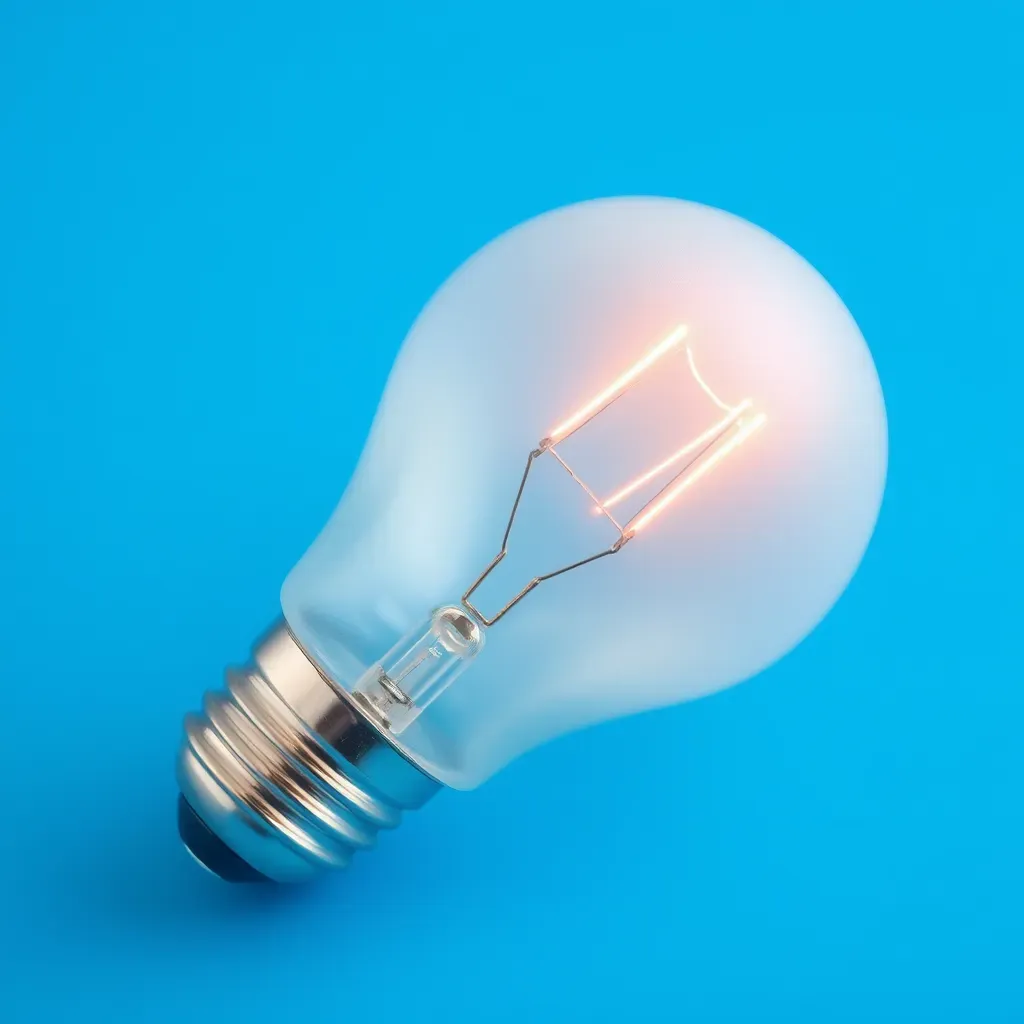
One quality LED outlasts about 25 to 50 incandescent bulbs or 3 to 5 CFLs. LEDs also run far cooler: incandescent bulbs release 90% of their energy as heat and CFLs about 80%, while LEDs turn most of theirs into light. That lower heat is a main reason they survive so long, since less heat means less stress on the parts inside.
What Actually Cuts an LED's Life Short:
Heat is the dominant factor. For every 10°C rise in junction temperature, LED lifespan drops about 50%. An LED running at 85°C may last only 25,000 hours, while the same LED at 65°C could reach 50,000. Enclosed fixtures, recessed cans in insulated ceilings, and warm mounting spots all trap heat and speed up the fade. Our guide on how hot LED lights get explains that hidden junction temperature.
Power quality matters more than people think. Voltage spikes from lightning, appliance startups, or incompatible dimmers can kill LED drivers. For strips, an undersized power supply forces the driver to overwork and overheat, so pick a supply rated at least 20% above total strip wattage.
Product quality creates the widest gap. A name-brand bulb with ENERGY STAR certification and a published L70 rating usually reaches its rated life. A no-name bulk bulb with a budget driver and thin heat sinking often will not. Look for a warranty of at least three years and published LM-80 test data as signs of a legitimate claim.
Conclusion:
The 50,000-hour benchmark is a useful guide, but your real result depends on thermal management and component quality. Prioritize fixtures with heavy heat sinks, and avoid putting standard bulbs in airtight, enclosed housings unless they are rated for it. Keeping the driver cool is the single most effective way to reach the full rated lifespan, and often a decade or more of maintenance-free light.
(FAQs):
Q1: Do LED lights really last 10 years?
A: Yes. A 25,000-hour LED used 8 hours a day lasts about 8.5 years. At 3 hours a day, the same bulb runs over 22 years. The DOE confirms residential LEDs last up to 25 times longer than incandescent.
Q2: How long do integrated LED ceiling lights last?
A: Integrated fixtures, where the LED module is built in, typically last 50,000 to 100,000 hours. Their factory-tuned heat sinks and calibrated drivers give them the longest life of any home LED, often 15 to 30 years.
Q3: Why did my LED burn out early?
A: Almost always overheating in an enclosed or poorly ventilated fixture, an incompatible dimmer stressing the driver, a power surge, or a low-quality product. The chip itself rarely fails before the driver does.
Q4: How long do LED Christmas lights last?
A: Commercial-grade strings last 7 to 10 seasons with care, mid-range retail ones 4 to 7. Storing them indoors in a cool, dry spot between seasons is the biggest thing that extends their life.