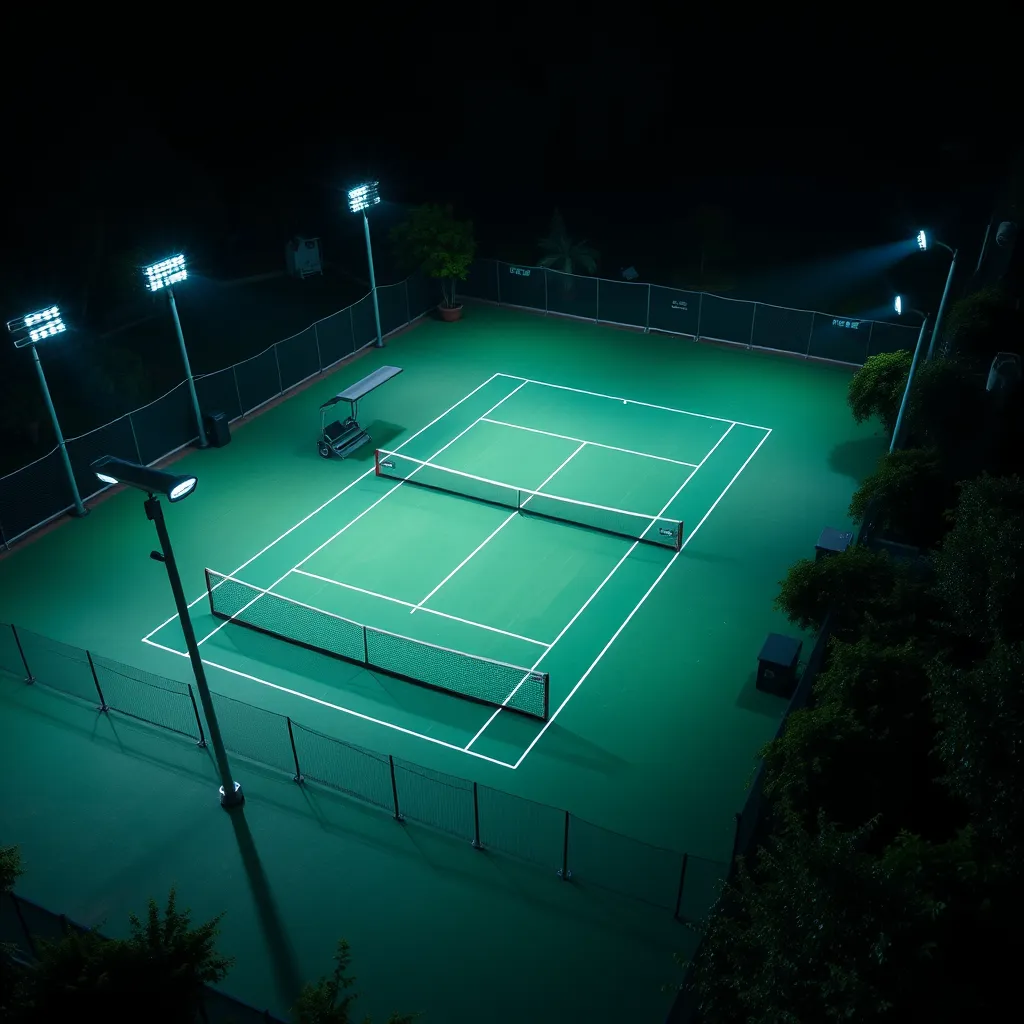
Determining how long LED tennis court lights last requires looking beyond a single number on a spec sheet. While the industry standard often cites 50,000 to 100,000 hours, the actual functional lifespan depends on thermal management, component quality, and environmental stressors. For a facility manager or club owner, this translates to roughly 15 to 30 years of service under typical operating conditions of four to eight hours per night.
Unlike traditional metal halide lamps that fail abruptly or "burn out," light-emitting diodes (LEDs) experience lumen depreciation. They gradually dim over time. The industry measures this using the L70 rating, which identifies the point at which the fixture produces only 70% of its original light output. At this stage, while the lights still function, they may no longer meet the footcandle requirements necessary for safe, competitive play.
The Engineering Behind LED Longevity
The primary reason these systems outlast legacy HID (High-Intensity Discharge) lighting is the absence of a filament or gas-filled chamber. Metal halide bulbs rely on a fragile internal arc tube that degrades rapidly due to extreme heat and high-voltage starts. LEDs are solid-state devices; they create light by moving electrons through a semiconductor material. This process is inherently more efficient and generates significantly less waste heat per lumen of light produced.
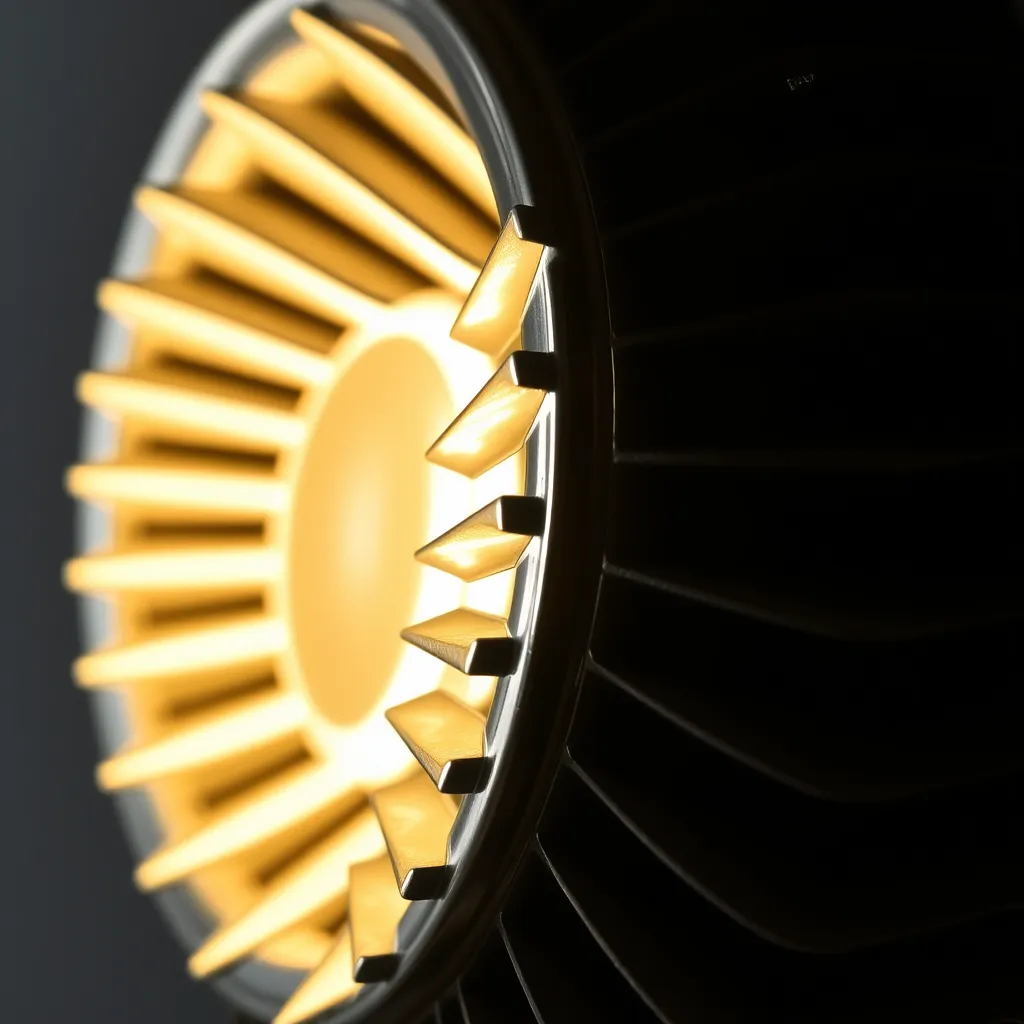
However, the semiconductor is sensitive. The "lifespan" is essentially a race against heat. If the internal junction temperature of the LED chip remains low, the materials stay stable for decades. If the heat is not dissipated effectively, the semiconductor degrades, leading to color shifting (turning purple or green) and rapid dimming. This is why high-end sports lighting fixtures are heavy; they require substantial aluminum heat sinks to pull warmth away from the diodes and release it into the ambient air.
Thermal Management Systems
Effective cooling is the most critical factor in reaching that 100,000-hour mark. Premium fixtures utilize passive cooling through finned aluminum housings. These fins increase the surface area exposed to the air, allowing for natural convection. In outdoor tennis environments, wind also assists in this process.
In warmer climates, such as the Southern United States or Australia, fixtures face a higher "ambient baseline." A fixture operating in 100°F (38°C) weather will have a higher internal junction temperature than one in a cooler climate. High-quality manufacturers compensate for this by over-engineering the thermal path, ensuring that even in peak summer, the LEDs operate well below their maximum rated temperature. When comparing fixtures, the weight and surface area of the heat sink are often better indicators of longevity than the marketing text on the box.
The Critical Role of the LED Driver
While the LEDs themselves might be rated for 100,000 hours, the LED driver-the power supply that converts AC current from the grid into the DC current used by the diodes-is often the first component to fail. The driver is a complex piece of electronics containing capacitors, inductors, and integrated circuits. These components are susceptible to voltage spikes, lightning strikes, and heat.
Industrial-grade drivers, such as those from MeanWell, Inventronics, or Sosen, are designed specifically for the rigors of sports lighting. They often feature:
Surge Protection: Built-in protection up to 10kV or 20kV to guard against indirect lightning strikes and grid fluctuations.
Potting: The internal electronics are encased in a silicone or epoxy resin to protect against moisture and vibration.
High Efficiency: Drivers that operate at 95% efficiency or higher generate less internal heat, extending their own life alongside the LEDs.
A common mistake in budget installations is using "integrated" drivers that cannot be serviced. If the driver fails in a high-quality system, it can be replaced in the field for a fraction of the cost of a new fixture. If the driver is non-replaceable, a $50 electronic failure results in the disposal of a $500+ light fixture.
Comparing LED vs. Metal Halide Lifespan
The transition from metal halide to LED is not just about energy savings; it is about the "maintenance delta." Metal halide bulbs lose roughly 20% of their brightness within the first 1,000 hours of use. By the time they reach 5,000 hours, they are often struggling to provide half of their original light.
Performance Metric | Standard LED Fixture | Metal Halide (1000W) |
|---|---|---|
Rated Lifespan (L70) | 50,000 - 100,000 Hours | 6,000 - 15,000 Hours |
Lumen Maintenance (at 5,000 hrs) | ~98% | ~50% - 60% |
Typical Warranty | 5 - 10 Years | 1 - 2 Years (Ballast only) |
Failure Mode | Gradual Dimming | Abrupt Burnout / Color Shift |
Warm-up / Restrike Time | Instant (0 seconds) | 15 - 20 Minutes |
Maintenance Requirement | Minimal (Cleaning) | Frequent Re-lamping / Ballast Replacement |
Environmental Factors and Physical Durability
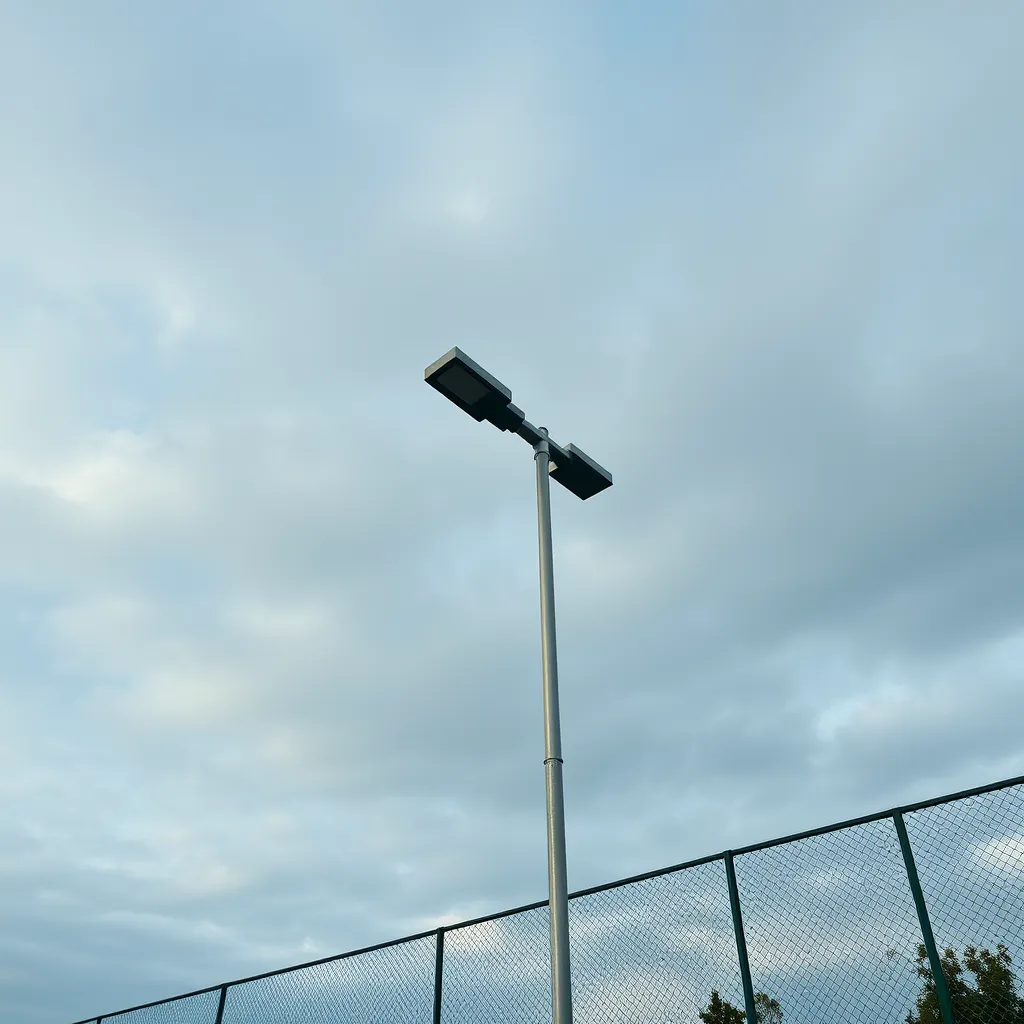
Tennis court lights are perched on poles 20 to 30 feet in the air, leaving them exposed to the elements. Physical longevity is just as important as electronic longevity. High-quality fixtures carry an IP65 or IP66 rating, meaning they are "dust-tight" and protected against powerful jets of water. This prevents insects, moisture, and dust from entering the optical chamber and coating the LEDs, which would otherwise cause overheating and reduced light output.
Vibration and Wind Loading: High-mast poles sway in the wind. This constant vibration can cause solder joints in cheap fixtures to crack over time, leading to intermittent flickering or total failure. Professional sports lights undergo vibration testing (standardized as ANSI C136.31) to ensure they can handle the mechanical stress of being pole-mounted in high-wind zones.
Salt Spray: For coastal tennis clubs, salt air is a major threat. Aluminum housings must be treated with specialized powder coatings or marine-grade finishes to prevent "white rust" or corrosion that can eat through the housing and compromise the internal seal.
Total Cost of Ownership and Maintenance
The longevity of LED systems fundamentally changes the economics of court management. With metal halide systems, the "hidden cost" is the bucket truck. Every 2 to 3 years, a facility must pay for a technician and a lift to reach the top of the poles to replace bulbs and failing ballasts. This often costs $200 to $500 per pole in labor and equipment rental alone.
With an LED system, these costs are virtually eliminated for the first two decades. The only recommended maintenance is a periodic visual inspection and a lens cleaning every few years. In areas with high pollen or dust, a layer of grime on the fixture lens can reduce light output by 5-10%. A simple cleaning restores this "lost" light without needing to replace any parts.
For a four-court facility, the savings on electricity and maintenance usually result in a "payback period" of 3 to 5 years. Given that the lights will likely last 20+ years, the remaining 15 years represent pure profit or budget savings for the club.
When Should You Actually Replace Your Lights?
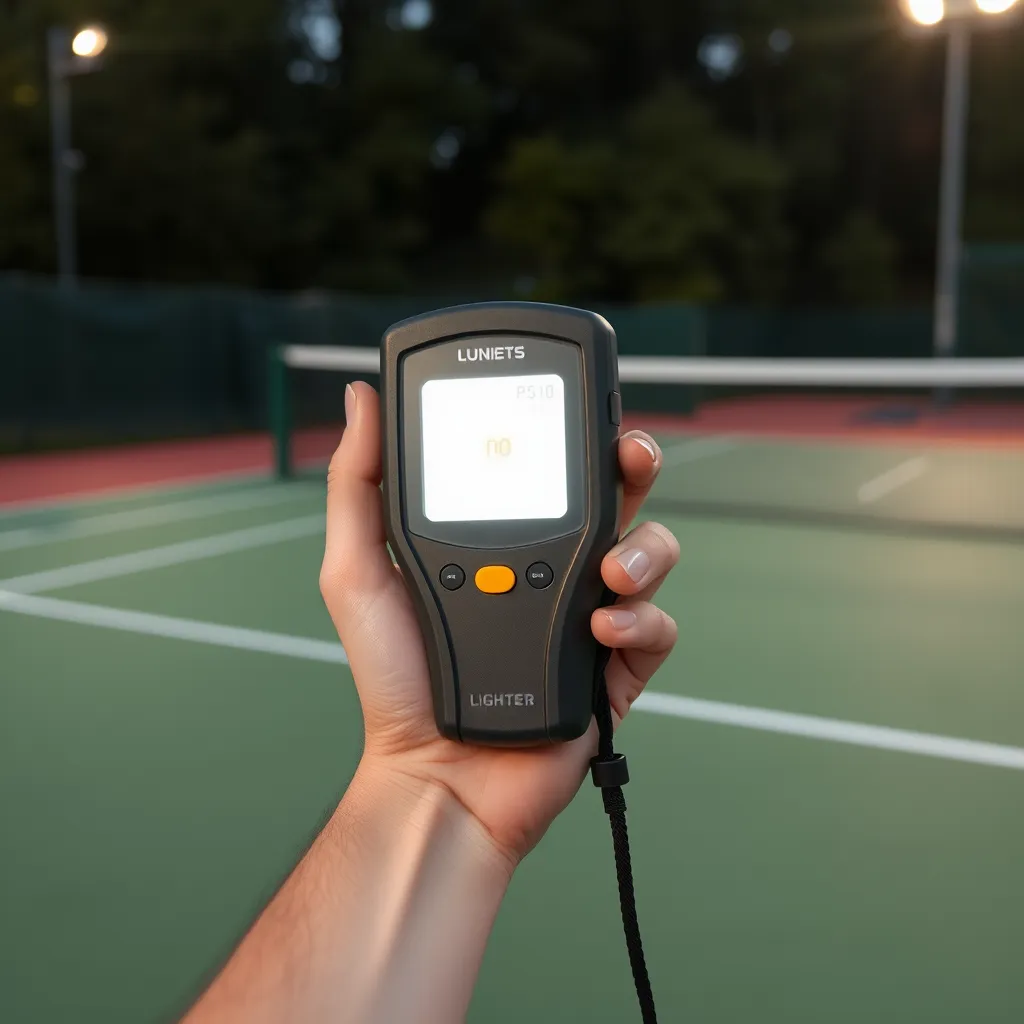
Because these lights don't usually "die" all at once, knowing when to replace them requires measurement rather than observation. The USTA and the Illuminating Engineering Society (IES) provide specific standards for tennis court lighting. As the lights age, you should periodically check the footcandle (fc) levels at the court surface using a light meter.
Recreational Play: Minimum of 30 average maintained footcandles.
Club/Tournament Play: Minimum of 50 average maintained footcandles.
Professional/Televised: 100+ footcandles.
When your average readings drop below these thresholds, or when the uniformity ratio (the difference between the brightest and darkest spots on the court) exceeds 3:1, the lights have reached the end of their useful life for that specific application. Even if they are still "on," they are no longer providing a safe or fair playing environment.
Another factor is efficacy gains. LED technology improves every year. A fixture installed in 2015 might produce 100 lumens per watt (lm/W). A modern fixture might produce 160 lm/W. In some cases, it becomes financially savvy to replace 15-year-old LEDs with new ones simply to cut the power bill by another 30-40%, even if the old ones haven't reached L70 yet.
Common Installation Mistakes That Shorten Lifespan
Even the best light won't last if it's installed incorrectly. To ensure your investment reaches its full 25-year potential, avoid these common pitfalls:
Inadequate Surge Protection: While many fixtures have internal protection, installing additional surge protectors at the base of the pole or at the electrical panel is a cheap insurance policy against catastrophic lightning damage.
Incorrect Gauged Wiring: Using wire that is too thin for the run length causes a voltage drop. While LEDs are more forgiving than HID, excessive voltage drop can cause the driver to work harder and run hotter, shortening its life.
Poor Aiming: If fixtures are tilted too high (above 60 degrees), the heat sink fins may not be oriented for optimal airflow. Most sports lights are designed to be aimed downward at the court; extreme angles can trap heat within the housing.
Ignoring Local Wildlife: In some areas, birds nesting on top of fixtures can block airflow or introduce corrosive droppings. Installing "bird spikes" can prevent this and keep the thermal management system clear.
Conclusion
LED tennis court lights offer exceptional longevity, typically delivering 15 to 30 years of reliable service when properly engineered and installed. Their lifespan ultimately depends on thermal management, driver quality, and environmental protection rather than the diodes alone. By prioritizing fixtures with robust heat sinks, surge-protected drivers, and IP66 ratings, facility owners can minimize maintenance costs and maximize performance. With gradual lumen depreciation replacing abrupt failure, LEDs represent a smarter, more sustainable lighting investment for any modern tennis facility.
Frequently Asked Questions
Q1: Can I just replace the bulbs in my old fixtures with LED corn bulbs?
A: It is not recommended for tennis courts. "Corn bulbs" or screw-in LED retrofits usually have poor thermal management and cannot project light effectively from 20 feet up. They often fail prematurely because the old metal halide housing traps heat. A dedicated LED fixture or a high-quality retrofit kit that removes the old socket is a much better long-term investment.
Q2: Do the lights lose their color quality over time?
A: High-quality LEDs have a high Color Stability rating. While very slight shifts may occur over 20 years, they are generally imperceptible to the human eye. This is a massive improvement over metal halide, which often turns noticeably pink or green within just two years of use.
Q3: Does turning the lights on and off frequently shorten their life?
A: No. Unlike fluorescent or HID lights, LEDs are not affected by "cycling." In fact, because they don't require a warm-up or cool-down period, they are perfect for use with motion sensors or "pay-to-play" button systems. Frequent switching has zero impact on the lifespan of the diodes.
Q4: What happens if one single LED chip on the board fails?
A: Modern sports lights are designed with parallel circuitry. If one individual diode fails, the rest of the board stays lit. In many cases, you won't even notice a single-chip failure from the ground. Only a massive failure of the driver or a large section of the board would require a repair.