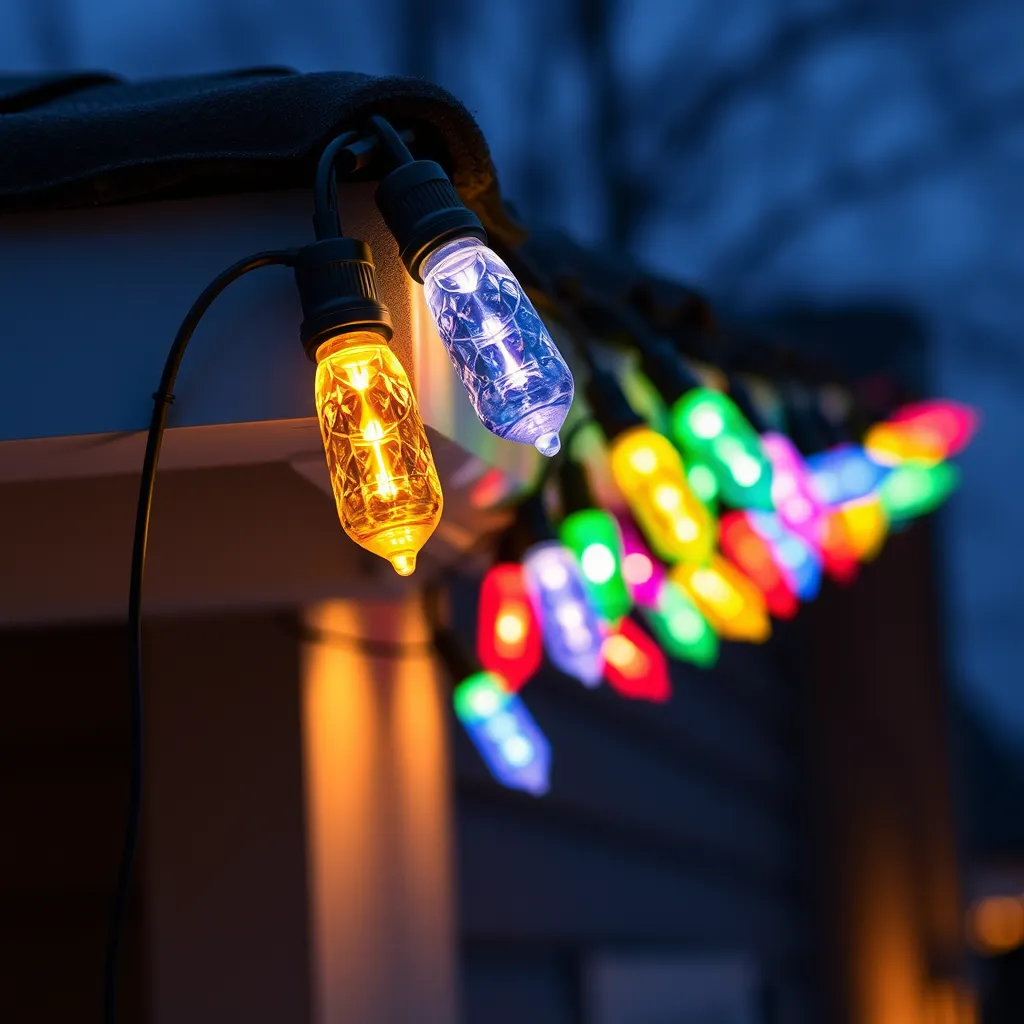
Decorating a roofline with C9 bulbs is a holiday tradition that defines the classic "big bulb" look. However, transitioning from older incandescent technology to modern LED versions changes the math of installation. While you might have been limited to only three or four strands in the past, LEDs allow for significantly longer continuous runs. Most modern C9 LED strands allow you to connect between 40 and 87 strands end-to-end, covering hundreds of feet on a single plug. The exact number depends on the specific wattage of the bulbs and the gauge of the wire used in the manufacturing process.
Understanding these limits is not just about making sure the lights turn on; it is about preventing fire hazards and ensuring the longevity of your investment. When you string lights together, the very first strand in the sequence carries the electrical current for every single bulb that follows it. If that current exceeds what the wire can handle, the insulation can melt, or the internal fuse will blow to prevent a fire.
The Science of Electrical Loads in Holiday Lighting
To determine how many strands can safely work together, you must look at three specific factors: the wattage of the individual bulbs, the current capacity of the wire (measured in Amps), and the circuit limit of your home's electrical system.
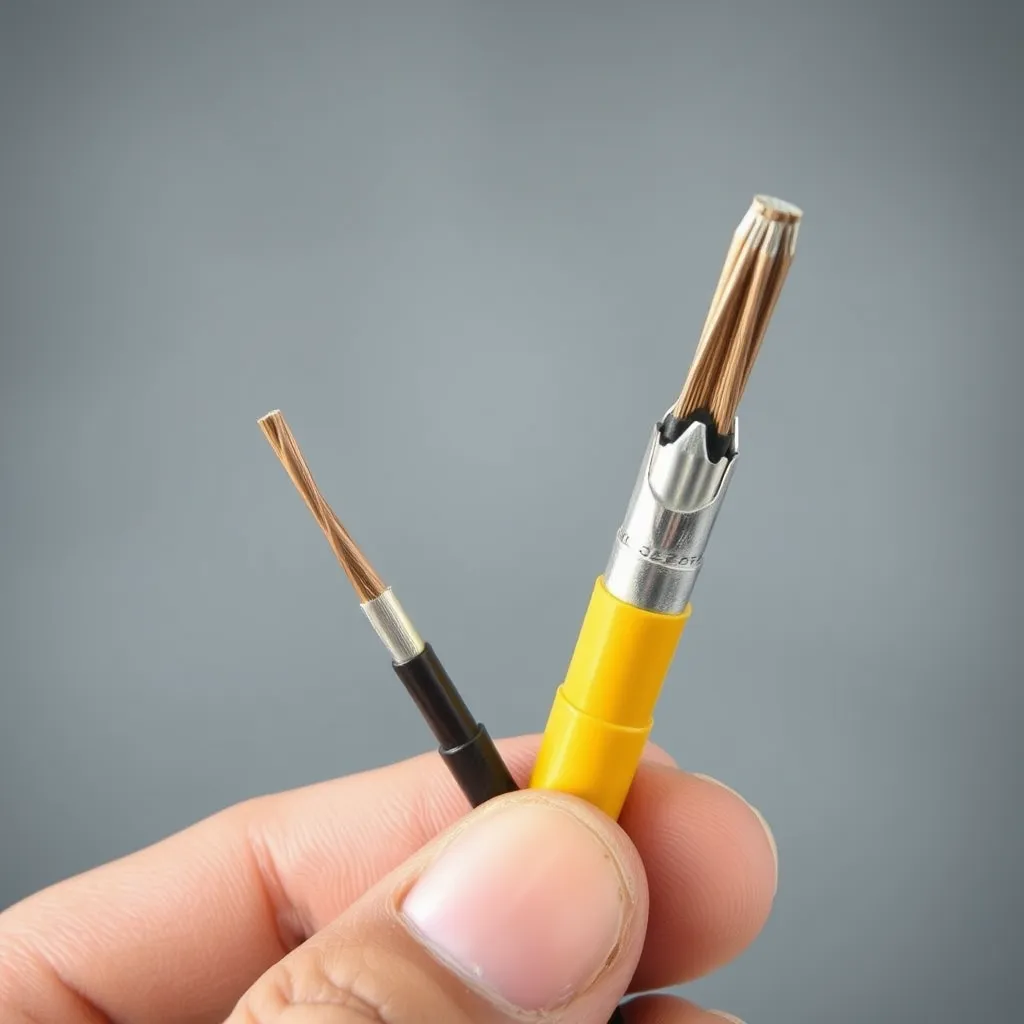
In the past, incandescent C9 bulbs were notorious energy hogs, consuming roughly 7 watts per bulb. A standard 25-light strand would pull 175 watts. Because most retail light strings use thin 20 or 22 AWG (American Wire Gauge) wire, they are typically rated for a maximum of 420 to 500 watts total. LED technology changed this dynamic by producing the same amount of light-or more-using a fraction of the energy. A typical C9 LED bulb consumes between 0.6 and 1 watt. This massive reduction in power draw means you can connect dozens of strands before reaching the physical limit of the wire.
Wire Gauge and Amperage Limits
The "bottleneck" in any lighting display is usually the wire of the first strand. Most consumer-grade LED strands use 22 AWG wire, which is rated to handle about 3 to 5 Amps safely. Since Amps = Watts / Volts, a 5-Amp limit on a 120V household circuit means the wire can handle about 600 watts. If each of your LED strands draws only 15 watts, you could theoretically connect 40 strands before hitting that 600-watt ceiling. Commercial-grade C9 sets often use 18 AWG wire, which can handle up to 10 Amps (1,200 watts), allowing for even longer runs.
Comparing C9 LED to Traditional Options
The following table illustrates why LED has become the standard for large-scale residential displays. The difference in "Max Strands" is the result of the lower wattage per bulb, which prevents the wire from overheating.
Bulb Type | Average Watts per Bulb | Strand Wattage (25 count) | Typical Max Connected Strands | Total Bulbs per Run |
|---|---|---|---|---|
C9 LED (Faceted/Standard) | 0.6W | 15W | 80 - 90 | 2,000+ |
C9 LED (High-Output/Smooth) | 1.0W | 25W | 40 - 50 | 1,000 - 1,250 |
C7 LED | 0.5W | 12.5W | 90+ | 2,250+ |
C9 Incandescent (Vintage style) | 7.0W | 175W | 2 - 3 | 50 - 75 |
LED Mini Lights | 0.06W | 4.2W | 40 - 60 (100-count) | 4,000 - 6,000 |
As shown, the jump from incandescent to LED is astronomical. An incandescent setup would require a new extension cord every 50 feet to avoid blowing a fuse, whereas an LED setup can often cover the entire perimeter of a large home from a single outlet.
How to Calculate Your Safe Maximum
While the table above provides general estimates, you should always perform a quick calculation based on the specific lights you purchased. Manufacturers often change specifications, and "generic" or budget brands may use thinner wire with lower tolerances.
Step 1: Identify the Wattage
Look at the white tag near the male plug of your light strand. It will list the total wattage for that specific string. If it only lists the wattage per bulb, multiply that number by the number of bulbs on the strand. For example: 0.8 Watts x 25 Bulbs = 20 Watts per strand.
Step 2: Check the "Max Connected" Rating
The same tag will usually state a maximum wattage or a maximum number of strands. This is the manufacturer's hard limit based on the internal fuse and wire gauge. Never exceed this number, even if your math suggests the circuit can handle more. The fuse in the plug is designed to protect that specific gauge of wire.
Step 3: Account for the Circuit Breaker
Most outdoor household outlets are on a 15-Amp or 20-Amp circuit. For a continuous load (anything running for more than 3 hours), you should only use 80% of the circuit's capacity:
15-Amp Circuit: 1,800 Total Watts → 1,440 Safe Watts
20-Amp Circuit: 2,400 Total Watts → 1,920 Safe Watts
If you have 1,440 watts available and your strands use 20 watts each, the circuit can technically support 72 strands. However, if the manufacturer's tag says "Do not connect more than 50 strands," you must stop at 50. The wire on the strand is the weaker link than the breaker in your wall.
Advanced Considerations for Large Displays
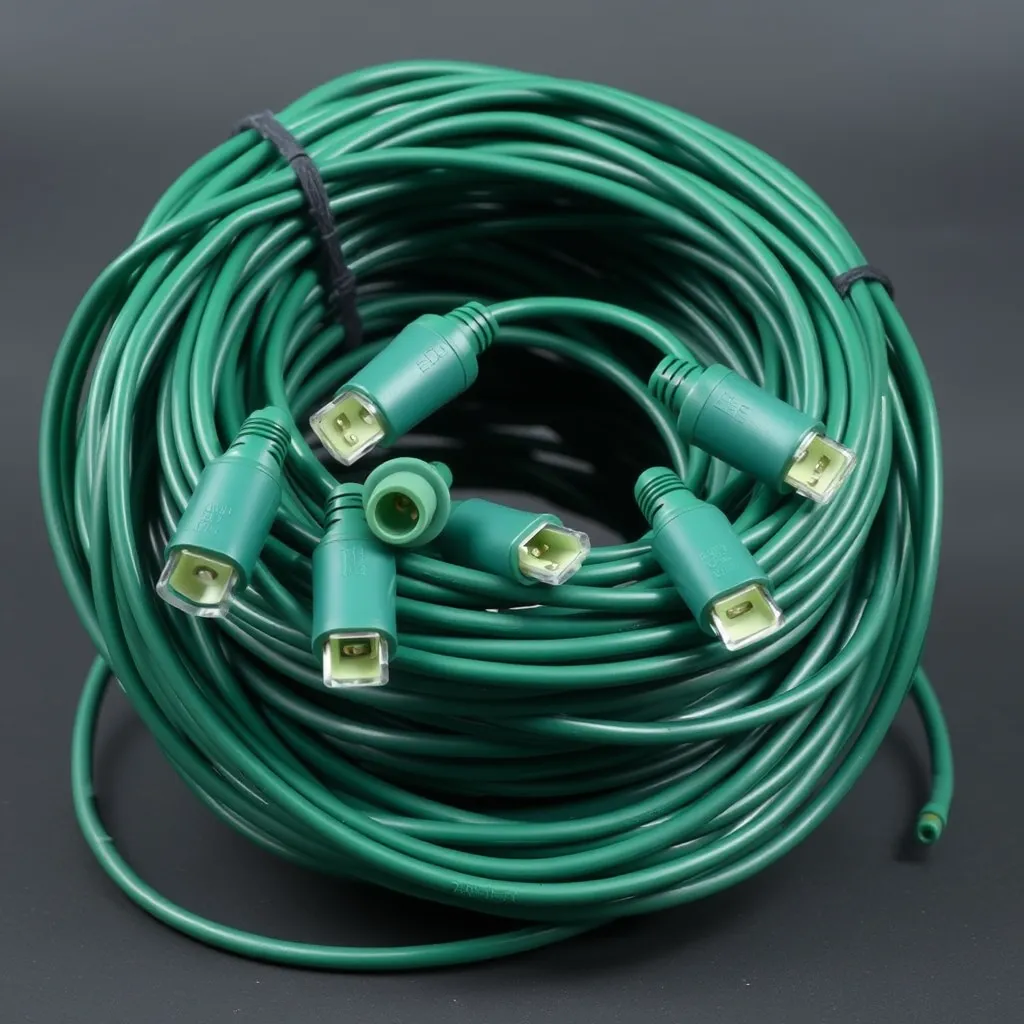
For those looking to move beyond standard retail strands, Commercial Grade C9 lighting offers a different approach. These systems use bulk zip cord (usually SPT-1 or SPT-2) and individual clip-on sockets, allowing you to custom-cut the wire to the exact length of your roofline.
The Impact of Voltage Drop
Even if you stay under the wattage and amperage limits, you may encounter voltage drop. Electricity loses pressure as it travels over long distances. In a very long run of 50+ LED strands, the bulbs at the far end may appear slightly dimmer or shift in color. This is because the voltage has dropped below the threshold required for the LED drivers to operate at peak efficiency. To fix this, pros use a power injection technique or split the run into two smaller sections powered from a central extension cord.
Fuse Safety and Troubleshooting
Every C9 LED strand has a small sliding door on the male plug containing one or two tiny fuses (usually 3-Amp or 5-Amp). A blown fuse is a clear signal that you have connected too many strands or that there is a short circuit. Always replace fuses with the exact same amperage rating; using a higher-rated fuse is a significant fire risk, as it allows the wire to heat up beyond its design limits.
Installation Best Practices for Longevity
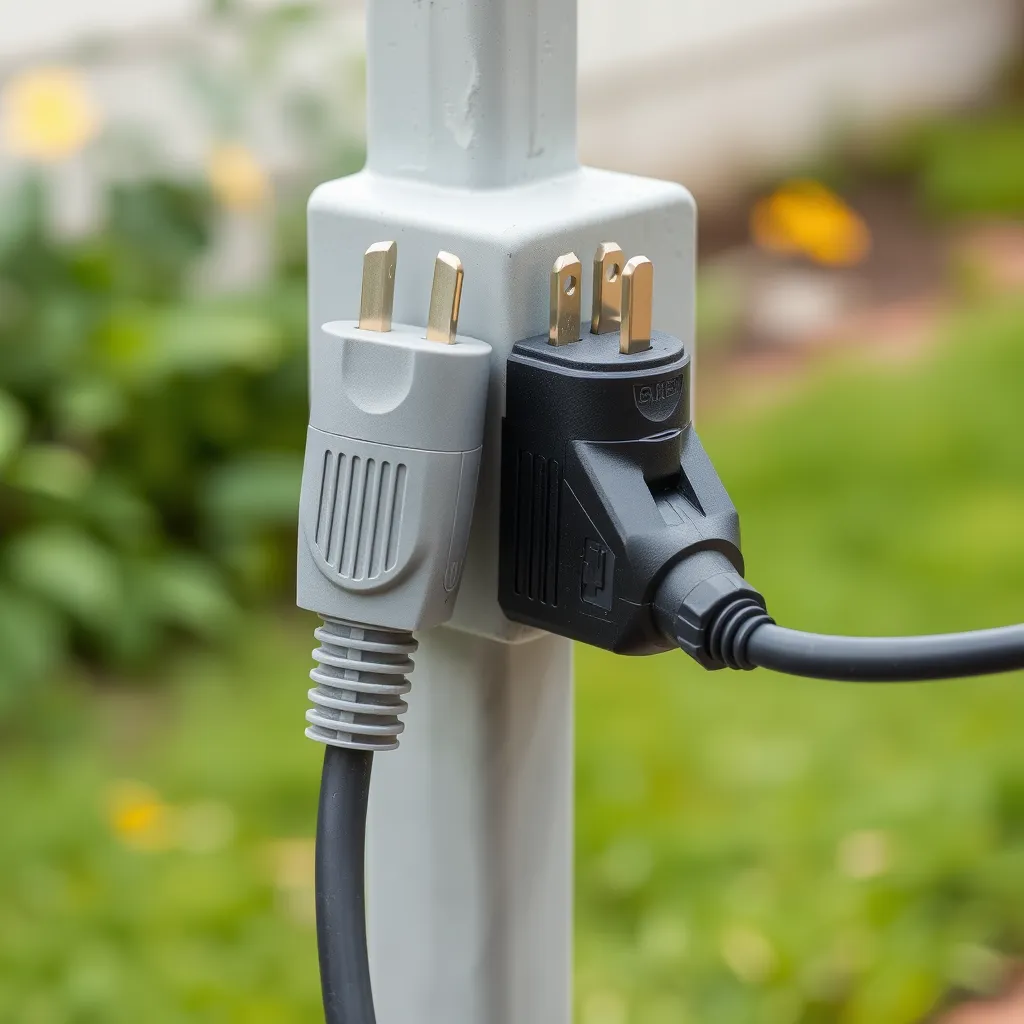
Connecting 50 strands of lights creates 50 potential points of failure. To ensure your display lasts through the winter, follow these technical guidelines:
Seal the Connections: Use "clamshell" cord protectors or wrap connections in electrical tape to keep moisture out. Ensure connections are elevated off the ground or tucked under the eaves.
Use Heavy-Duty Extension Cords: Do not use a thin indoor extension cord. Use a 14 AWG or 12 AWG outdoor-rated cord to minimize voltage drop before the power reaches your first strand.
Inspect for "Ghosting": If LEDs glow dimly when turned off, it is often due to induced current. Using a grounded (3-prong) timer or a higher-quality power strip can usually resolve this.
Secure the Bulbs: C9 bulbs catch more wind than mini lights. Use shingle clips or gutter clips every 12 inches to prevent the weight of the long run from pulling on the electrical connections.
Conclusion
C9 LED lights have transformed holiday decorating by allowing 40 to 87 strands to be safely connected end-to-end, far surpassing the limits of traditional incandescent bulbs. By understanding wattage, wire gauge, and circuit capacity, you can design longer, brighter displays without risking fuses or fire hazards. Always follow manufacturer ratings, secure your connections against moisture, and use heavy-duty extension cords for best results. With proper planning, your C9 LED display will deliver stunning illumination season after season for years.
Frequently Asked Questions
Q1: Can I mix different brands of C9 LED lights?
A: While the plugs are universal, mixing brands is risky. Different manufacturers use different wire gauges and internal fuse ratings. If you must mix them, ensure the strand with the lowest maximum rating is the one plugged into the wall. Additionally, colors often vary between brands; one company's "Warm White" may look different next to another's.
Q2: Why did my lights blow a fuse even though I'm under the limit?
A: This is usually caused by moisture entering a plug or a crushed wire. Water is conductive; if it gets into the female end of a plug, it can cause a short circuit. Check all connections for dampness and inspect the wire for any nicks caused by staples or clips.
Q3: Can I plug C9 LEDs into the same outlet as my old incandescent lights?
A: Yes, but you must calculate the total wattage of both types. If you have 1,000 watts of incandescent lights on a 15-Amp circuit, you only have about 440 watts of "safe" headroom left for your LEDs. Always sum the wattage of every device on that circuit breaker.