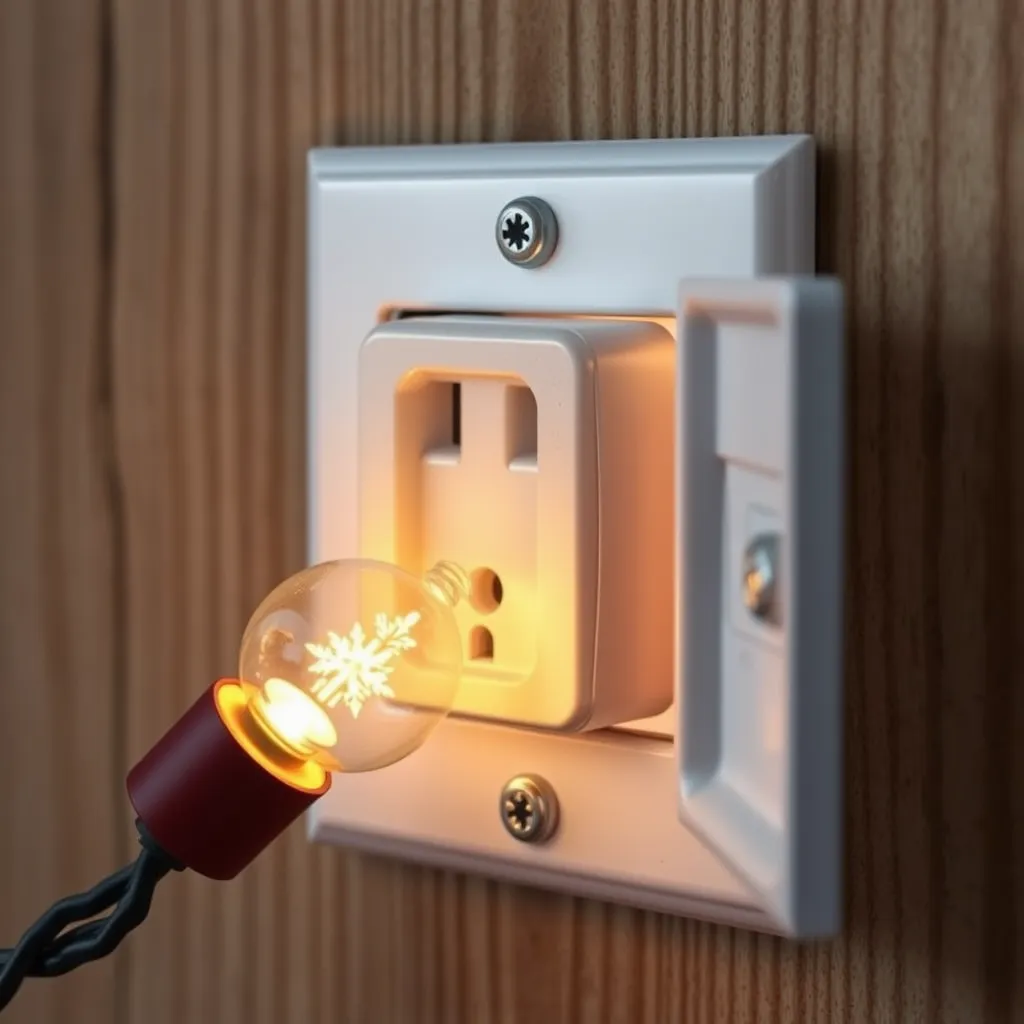
Change the fuse on LED Christmas lights by sliding open the small fuse compartment door on the male plug, pulling out the blown fuse with your fingers or a small flathead screwdriver, and inserting a new fuse of the same amperage rating. Most LED Christmas light sets use 3A or 5A miniature glass fuses (5mm × 20mm). Replacement fuses are included with most new light sets (taped to the cord or inside the packaging) and cost $2-$4 for a pack of 10. The entire process takes under 2 minutes and requires no tools beyond a small screwdriver.
Step-by-Step Fuse Replacement
Step 1: Unplug the lights. Always unplug the light string from the outlet before working on the fuse. Even though the fuse compartment is on the plug end, handling live electrical components is unsafe.
Step 2: Locate the fuse compartment. Look at the male plug (the end that goes into the outlet). On most LED Christmas light plugs, there is a small sliding door or hinged cover on the face of the plug, between or below the two prongs. Some plugs require you to slide the door toward the prongs; others have a small tab you pry open with a fingernail or screwdriver tip.
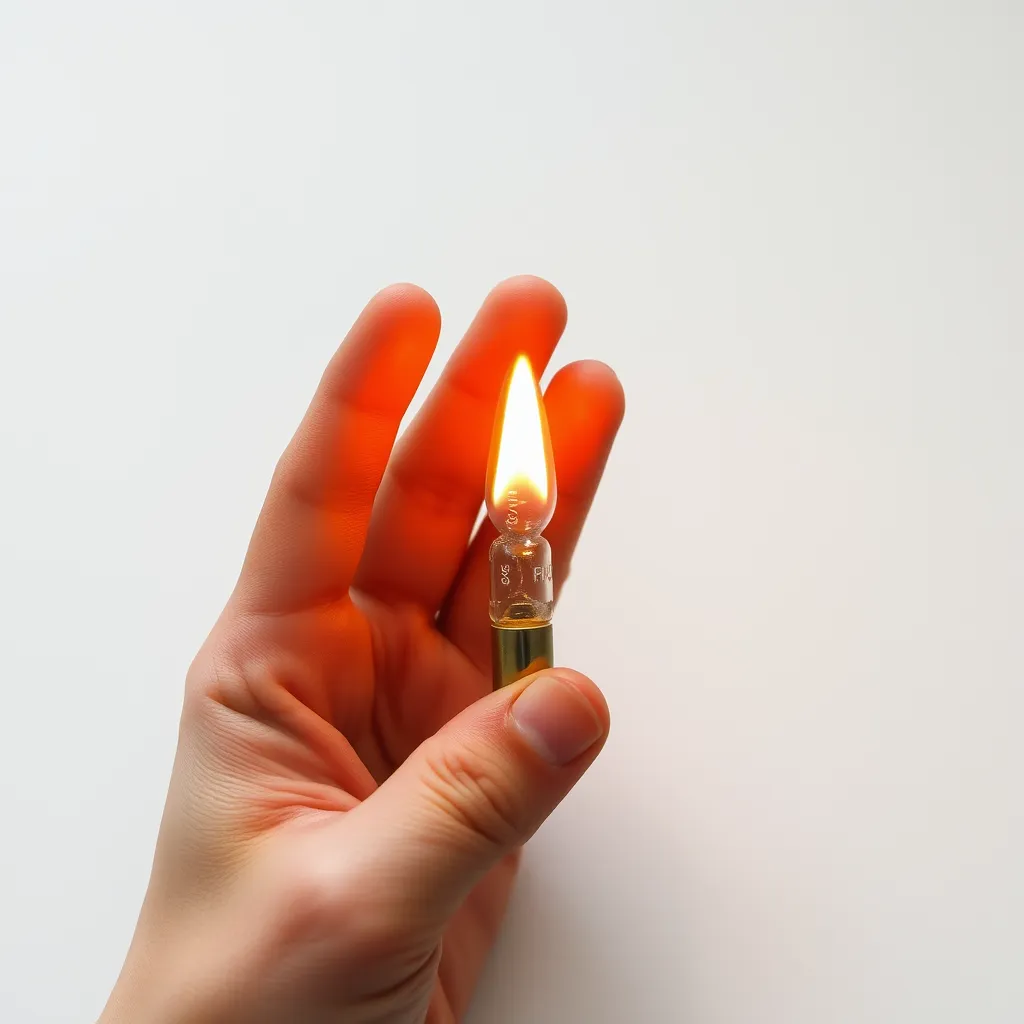
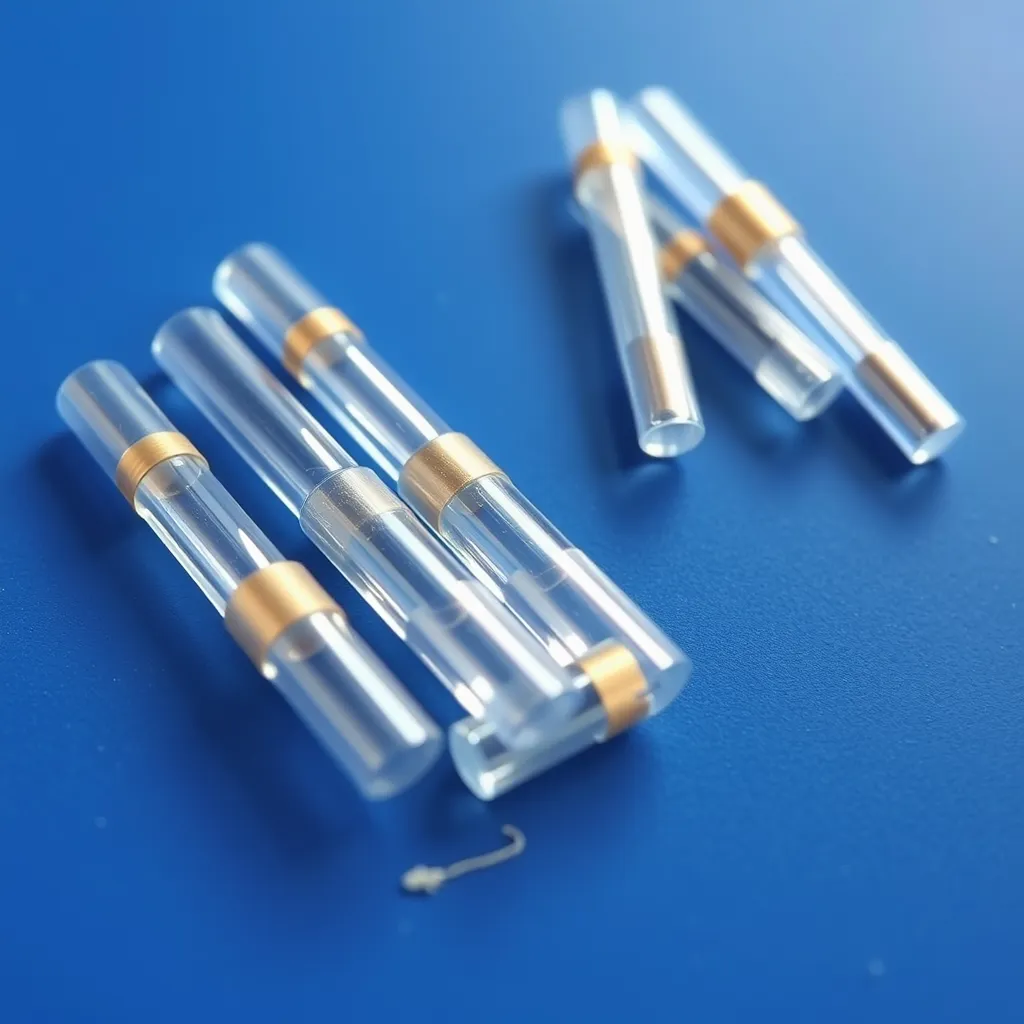
Step 3: Remove the blown fuse(s). Inside the compartment, you will find one or two small glass fuses. These are cylindrical, about the size of a grain of rice, with a metal cap on each end. Gently pry the fuse out with a small flathead screwdriver, a toothpick, or your fingernail. A blown fuse will typically have a broken or blackened wire visible inside the glass tube. In some cases, the fuse may look intact but still be blown - a multimeter set to continuity mode will confirm.
Step 4: Insert the replacement fuse. Push the new fuse into the slot, ensuring the metal caps make contact with the metal clips inside the compartment. The fuse should sit snugly. If there are two fuse slots, replace both fuses even if only one appears blown - they are inexpensive and have been subjected to the same electrical stress.
Step 5: Close the compartment and test. Slide or snap the fuse door closed and plug the lights into the outlet. The lights should turn on immediately. If they still do not work, the issue is likely not the fuse - check for broken bulbs, damaged wiring, or a loose connection.
Identifying the Correct Replacement Fuse
Light String Type | Typical Fuse Rating | Fuse Size |
|---|---|---|
LED mini lights (100-300 count) | 3A, 125V | 5mm × 20mm |
LED C6/C7/C9 lights | 3A or 5A, 125V | 5mm × 20mm |
LED icicle lights | 3A, 125V | 5mm × 20mm |
LED net lights | 3A, 125V | 5mm × 20mm |
Incandescent mini lights | 3A or 5A, 125V | 5mm × 20mm |
The exact fuse rating is usually printed on the fuse itself (requires a magnifying glass) or listed on the light set's packaging or instruction sheet. If you cannot determine the rating, bring the blown fuse to a hardware store for a match. Using a fuse with a higher amperage rating than specified is dangerous - it defeats the fuse's purpose of protecting against overcurrent and can cause wire overheating.
Why LED Christmas Light Fuses Blow
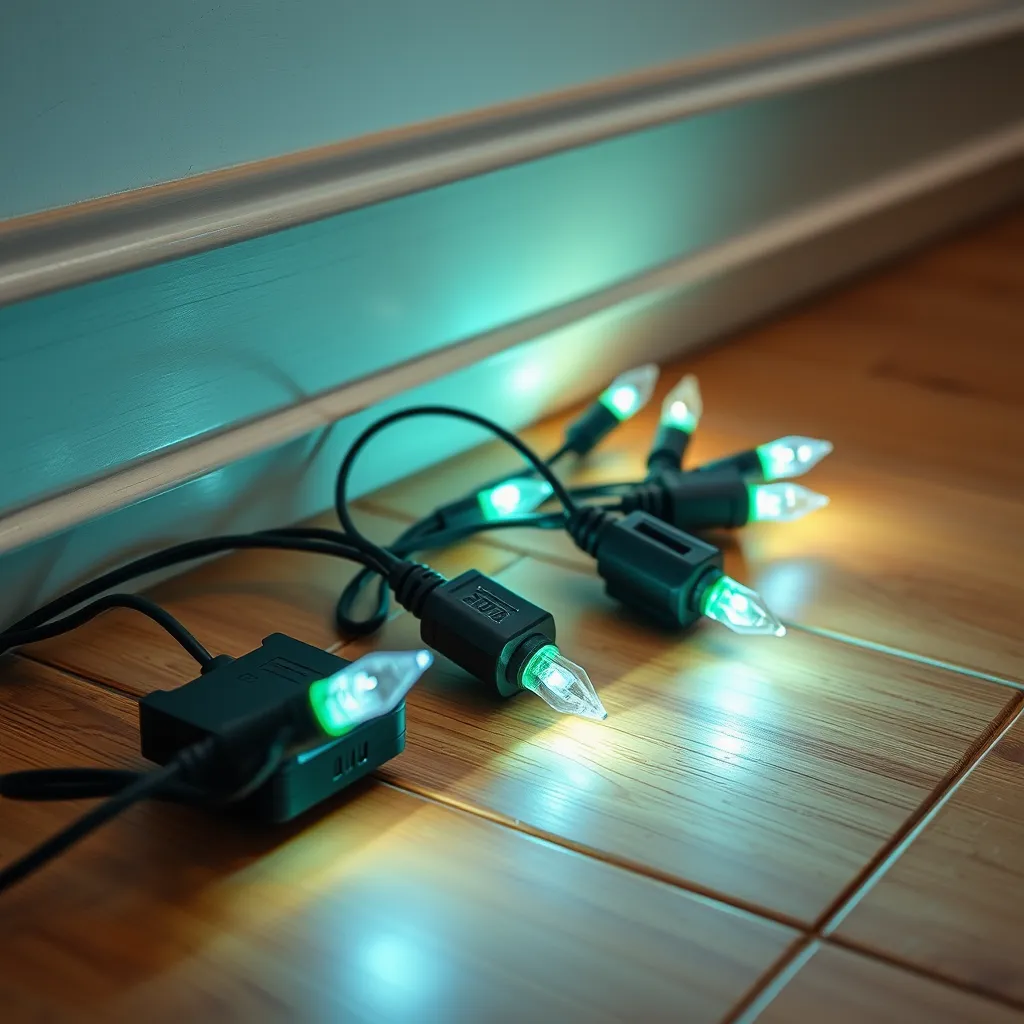
Daisy-chaining too many strands: Each light set has a maximum number of strands that can be connected end-to-end (usually 3-5 for LED sets). Exceeding this limit pulls more current through the first plug's fuse than it is rated for, causing it to blow. The maximum is printed on the packaging and on a tag attached to the cord.
Moisture intrusion: Outdoor LED lights exposed to rain or snow can develop micro-shorts in damaged insulation, causing current spikes that blow the fuse. Inspect all connections for damaged insulation and use waterproof electrical tape or heat-shrink tubing on any exposed wire before the next season.
Power surge: Plugging in a large number of LED light sets simultaneously - or on a circuit shared with high-draw appliances - can create a momentary current surge that exceeds the fuse rating. Plug in light sets one at a time to minimize inrush current. Using a surge protector also helps prevent fuse damage from voltage spikes on the line.
Conclusion:
Replacing a fuse is a simple five-minute fix that saves money and keeps perfectly good LED strands out of the landfill. By understanding the limits of your light strings and keeping a small stash of spare 3A or 5A fuses in your holiday storage bin, you can quickly resolve mid-season outages without a trip to the store.
As you pack away your lights this year, take a moment to inspect the plugs and cords for any signs of heat or wear. Taking these small preventative steps ensures that your holiday display remains safe and bright for many seasons to come, allowing you to focus on the festivities rather than troubleshooting electrical issues.
Frequently Asked Questions
Where can I buy replacement fuses for LED Christmas lights?
Replacement fuses for LED Christmas lights are available at hardware stores (Home Depot, Lowe's), general retailers (Walmart, Target), and online (Amazon). Search for "Christmas light replacement fuses 3A" or "5mm × 20mm glass fuse 3A." A pack of 10-20 fuses costs $2-$5. Many LED light sets include two spare fuses taped to the power cord near the plug - check there before buying. The fuses are standardized, so any brand works as long as the amperage and size match.
Can I use aluminum foil instead of a fuse?
Absolutely not. Wrapping aluminum foil around a blown fuse bypasses the overcurrent protection entirely. Without a proper fuse, a short circuit or overload will cause the wires to overheat, potentially melting insulation and starting a fire. Fuses exist specifically to break the circuit when current exceeds safe levels. Always use a properly rated replacement fuse - they cost pennies and take seconds to install.
My LED lights still don't work after changing the fuse - what now?
If the lights remain dead after replacing both fuses, check for these common issues: a broken or corroded socket somewhere in the string (inspect each bulb), a cut or damaged wire (run your fingers along the entire cord feeling for nicks), or a loose connection at the plug prong or at a daisy-chain junction. Use a non-contact voltage tester or LED light tester tool ($10-$15) to find exactly where the circuit breaks. If the fuse blows again immediately after replacement, a short circuit exists in the string, and the entire set should be replaced.