The shift from traditional incandescent bulbs to light-emitting diodes (LEDs) has fundamentally changed the economics of holiday decorating. For decades, a massive light display was synonymous with a staggering January electricity bill. Today, the physics of semiconductor lighting allows for elaborate displays that cost less to power over an entire season than a few loads of laundry. Understanding the actual numbers behind these energy savings helps in planning a display that is both visually striking and budget-conscious.
On average, running a standard 100-light string of LED mini lights for the entire holiday season costs between $0.15 and $0.50. This estimate assumes the lights are active for six hours per night over a 45-day period, calculated at the U.S. average electricity rate of $0.16 per kilowatt-hour (kWh). For a typical household using ten such strings, the total seasonal impact on the utility bill is often less than the price of a single specialty coffee.
The Mechanics of Energy Consumption
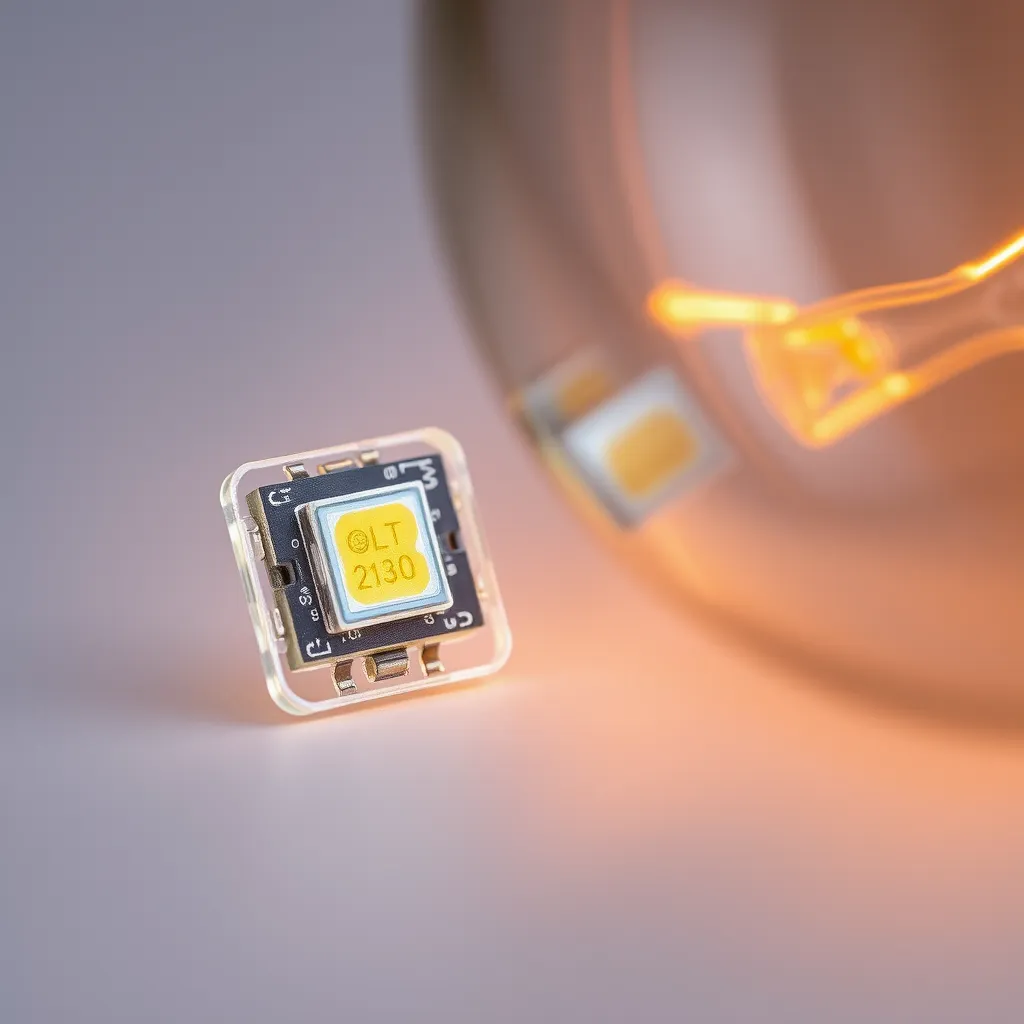
To understand why these costs are so low, it is necessary to look at how different lighting technologies produce visible light. Incandescent bulbs operate through resistive heating. Electricity passes through a tungsten filament, heating it until it glows. This process is incredibly inefficient, as approximately 90% of the energy is wasted as heat, leaving only 10% to be converted into light. In contrast, LEDs produce light through electroluminescence in a semiconductor material. This process generates almost no heat, meaning nearly all the electricity consumed is used for illumination.
This efficiency gap is best illustrated by wattage. A standard incandescent mini-light string typically draws 40 to 45 watts. An equivalent LED string providing the same amount of light draws only 4 to 7 watts. Because utility companies bill by the kilowatt-hour, this 85-90% reduction in power draw translates directly into a 90% reduction in operating costs.
Calculating Your Specific Costs
Determining the exact cost for a specific home setup requires three variables: the total wattage of the lights, the number of hours they remain on, and the local electricity rate. The formula is:
(Total Watts ÷ 1,000) × Hours of Use × Electricity Rate = Total Cost
For example, if a homeowner installs 20 strings of LED lights (100 lights each) with a total draw of 100 watts and runs them for 6 hours a day for 30 days (180 hours total), the calculation at a $0.16/kWh rate would be: (100 ÷ 1,000) × 180 × 0.16 = $2.88 for the month.
Light Type (100 count) | Average Wattage | Cost per 100 Hours ($0.16/kWh) | Estimated Seasonal Cost (270 hrs) |
|---|---|---|---|
LED Mini Lights | 4.8W | $0.07 | $0.21 |
LED C6/C7/C9 Bulbs | 7.0W | $0.11 | $0.30 |
Incandescent Mini Lights | 40.0W | $0.64 | $1.73 |
Incandescent C9 Bulbs | 700.0W | $11.20 | $30.24 |
Comparing Different Bulb Styles
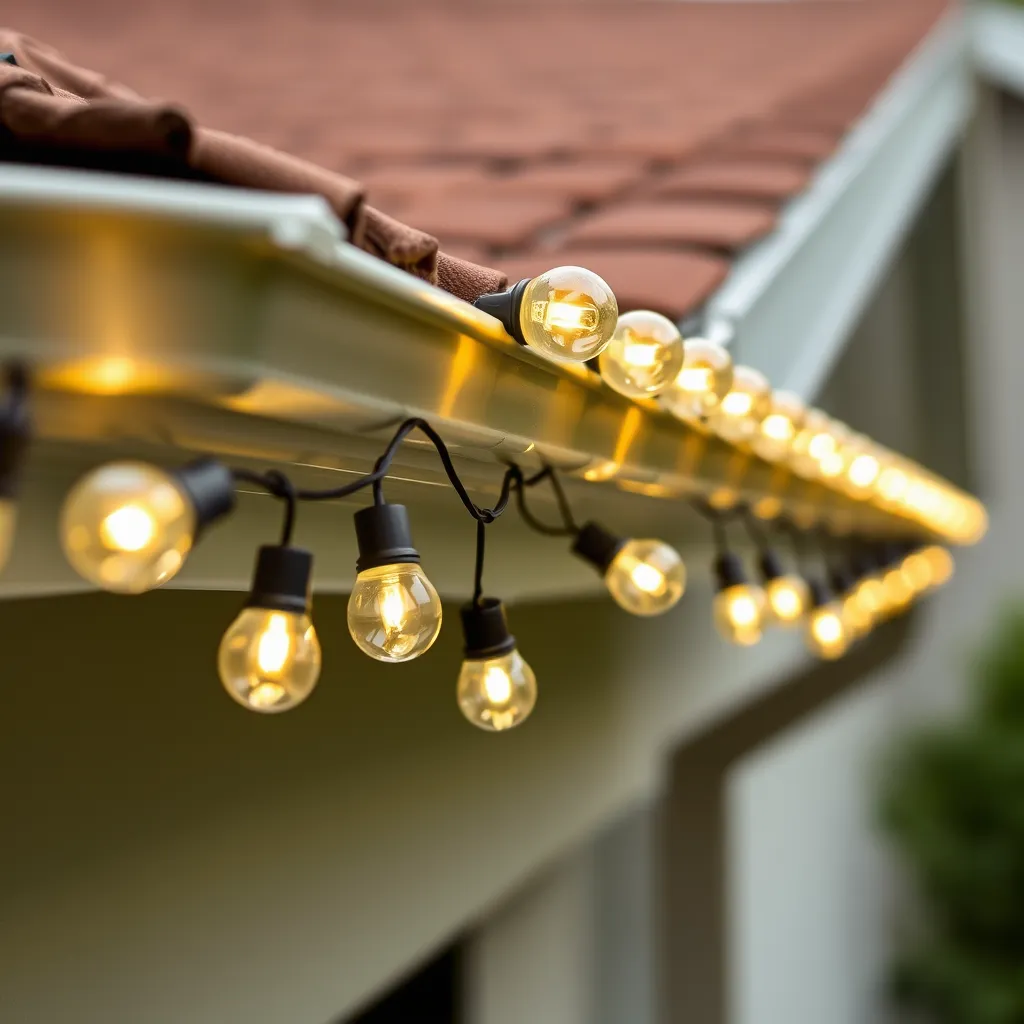
Not all holiday lights are created equal. The physical size of the bulb and the internal circuitry of the string influence the total power draw. While all LEDs are efficient, some styles use slightly more energy to achieve specific aesthetic effects.
LED Mini Lights and 5mm Wide Angle
These are the workhorses of modern displays. They typically consume about 0.048 watts per bulb. Because they are small and run cool, they are ideal for wrapping indoor trees or dense outdoor shrubbery. A 100-light string usually pulls around 4.8 watts. You can often connect up to 40 or 50 of these strings in a single end-to-end run without blowing a fuse, which is a major logistical advantage over older technology.
Large Scale C7 and C9 Bulbs
The "retro" look of large C7 and C9 bulbs is popular for rooflines and walkways. In the incandescent era, these were the most expensive lights to run, with a single C9 bulb consuming 7 watts. An entire string of 25 bulbs would pull 175 watts. The LED versions of these bulbs consume roughly 0.1 to 0.2 watts each. Replacing one 25-light incandescent C9 string with an LED version reduces power consumption from 175 watts to just 2.5 watts-a 98% reduction.
Icicle and Net Lights
Icicle lights and net lights often have slightly higher wattages than standard mini-light strings because they require more copper wiring to bridge the gaps between the hanging drops or the grid pattern. A 100-count icicle string might draw 6 to 9 watts. Despite this slight increase, they remain significantly cheaper to operate than their 40-60 watt incandescent counterparts.
The Impact of Local Electricity Rates
Electricity prices vary significantly by geography, which affects how much LED Christmas lights cost to run in different regions. While the U.S. average is approximately $0.16/kWh, residents in Hawaii or California may pay $0.30 to $0.45/kWh. Conversely, residents in states with abundant hydroelectric or wind power might pay as little as $0.10/kWh.
Even in high-cost areas, the efficiency of LEDs keeps the seasonal expense manageable. In a state with $0.40/kWh rates, a 10-string LED display still only costs about $10.00 for the season. The same display using incandescent bulbs in that high-rate area would cost nearly $100.00, making the switch to LEDs a financial necessity rather than a luxury.
Strategies for Maximizing Efficiency
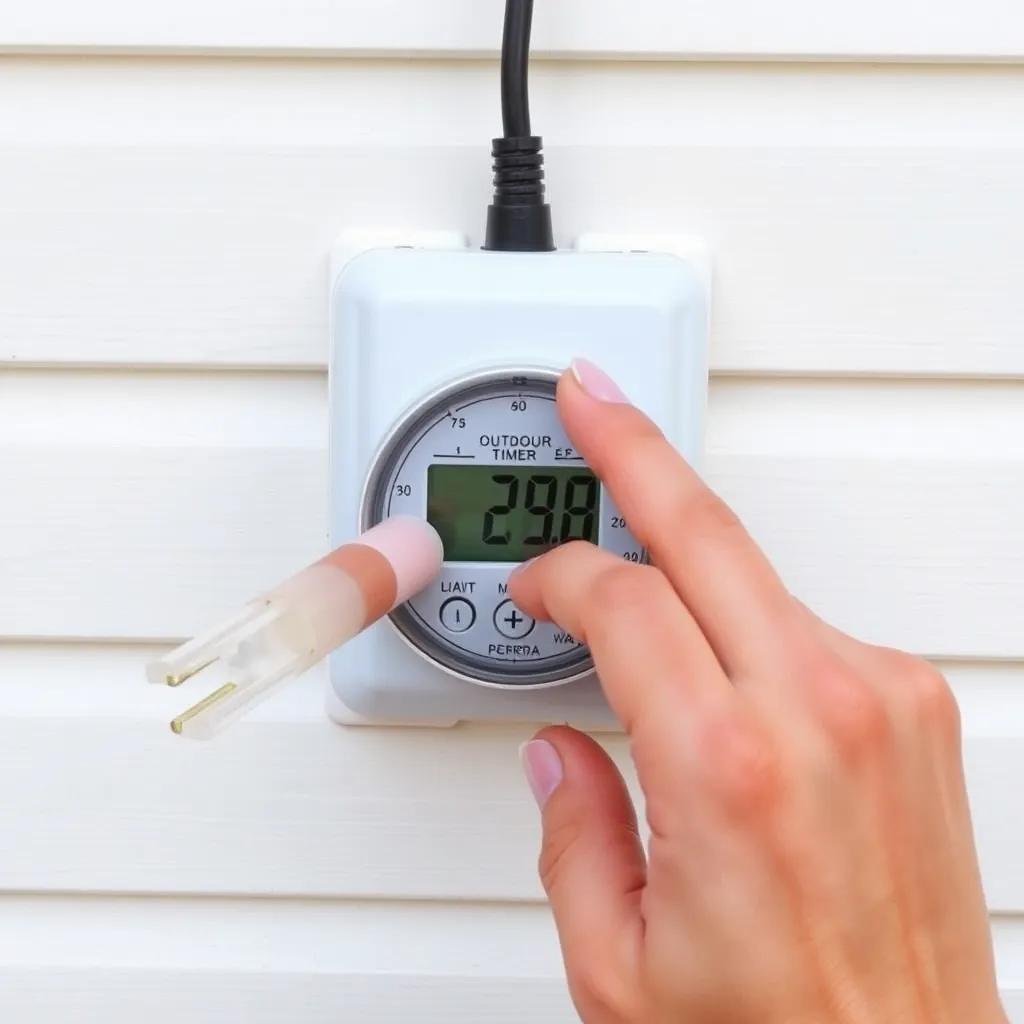
While the operating costs are already low, implementing a few control strategies can ensure no energy is wasted. These methods also extend the lifespan of the lights by reducing total "on" time.
Automated Timers: Using a simple mechanical or digital timer ensures lights are only active when people are awake to see them. Setting lights to run for 6 hours instead of 14 cuts the electricity bill by more than half.
Smart Home Integration: Smart plugs allow for precise scheduling and remote control via smartphone. Some smart plugs can even track energy usage in real-time, providing an exact dollar figure for the display's cost.
Photocell Sensors: These sensors automatically turn lights on at dusk and off at dawn. While convenient, they often result in longer runtimes than a programmed timer.
Solar-Powered Options: For areas far from an outlet, solar LED strings are a viable alternative. These have zero operating costs, though they are generally less bright and may struggle during consecutive cloudy days.
The Hidden Costs: Durability and Replacement
When evaluating the cost of holiday lighting, the purchase price and the electricity bill are only part of the equation. Lifespan is a critical factor in the total cost of ownership. Incandescent bulbs are rated for about 1,000 to 3,000 hours of use. Due to the fragile nature of the filament and the expansion/contraction caused by heat, these strings often fail after one or two seasons.
LEDs are rated for 20,000 to 50,000 hours. In a typical holiday season of 300 hours, an LED string can theoretically last for decades. Furthermore, because LEDs are solid-state components encapsulated in durable plastic rather than thin glass, they are far more resistant to breakage during installation and storage. The higher upfront cost of LED strings is usually recouped within two to three seasons through electricity savings and the lack of replacement costs.
Voltage and Safety Considerations
Beyond the financial aspect, the low power draw of LEDs improves home safety. Overloading a circuit is a common cause of holiday fires with incandescent lights. A standard 15-amp household circuit can safely handle about 1,440 watts (80% of its total capacity).
With incandescent C9 bulbs, you could only put about 200 bulbs on a single circuit before reaching that safety limit. With LED C9 bulbs, you could theoretically put over 7,000 bulbs on that same circuit. This reduction in current draw means wires stay cool to the touch, and the risk of tripping a breaker or overheating an extension cord is virtually eliminated.
Conclusion
LED Christmas lights have revolutionized holiday decorating by slashing energy costs by up to 90% compared to traditional incandescent bulbs. With seasonal expenses often under a dollar per string, even elaborate displays remain remarkably affordable. Beyond savings, LEDs offer superior safety, durability, and lifespans reaching 50,000 hours. By pairing them with timers or smart plugs, homeowners can maximize efficiency while minimizing waste. Switching to LED lighting is no longer just an eco-friendly choice-it's a smart financial and practical investment.
Frequently Asked Questions
Q1: Is it cheaper to leave LED lights on 24/7 or turn them off?
A: It is always cheaper to turn them off when not in use. While the "surge" of turning an LED on is negligible, the cumulative cost of running them 24 hours a day is four times higher than running them for 6 hours. Additionally, constant use shortens the total lifespan of the semiconductor.
Q2: Do different colors of LED lights cost more to run?
A: The cost difference between colors is statistically insignificant for a home user. While different colored diodes require slightly different voltages, manufacturers balance the resistors so the total wattage remains consistent across the product line. A 5-watt string of red LEDs will cost the same as a 5-watt string of multi-colored LEDs.
Q3: Will my electric bill go up if I have a very large display?
A: Even for "mega" displays with 10,000 to 20,000 lights, the increase is modest. A 20,000-light LED display draws approximately 1,000 to 1,400 watts-about the same as a single hair dryer. While noticeable, it will likely cost between $30 and $60 for the month, whereas an equivalent incandescent display would cost hundreds or even thousands of dollars.
Q4: Can I mix LED and incandescent strings on the same outlet?
A: You can plug them into the same outlet or power strip, but you should never connect them end-to-end in the same continuous string. Incandescent strings draw much more current, and the thinner wiring of an LED string is not designed to carry that load. Always keep the two technologies on separate runs.