How to Remove a Ballast for LED Lights

How to Remove a Ballast for LED Lights

Installation12 min readMay 23, 2026A.Wahab

Learn to safely remove a ballast for LED lights with our step-by-step guide on tube types, tombstones, wiring, and key mistakes to avoid.

Converting legacy fluorescent fixtures to modern LED technology is one of the most effective ways to reduce energy consumption and eliminate the maintenance headaches of flickering tubes and failing components. While many "plug-and-play" options exist, a true conversion often requires you to remove a ballast for LED lights to achieve maximum efficiency and long-term reliability.

The ballast is a transformer-like device that regulates the current to fluorescent lamps. In an LED system, this component is not only unnecessary but becomes a "vampire" load, consuming between 5 and 15 watts of electricity just to stay powered. By performing a ballast bypass, also known as a direct-wire installation, you provide line voltage directly to the LED tubes, simplifying the circuit and removing a common point of failure.

Understanding LED Tube Categories
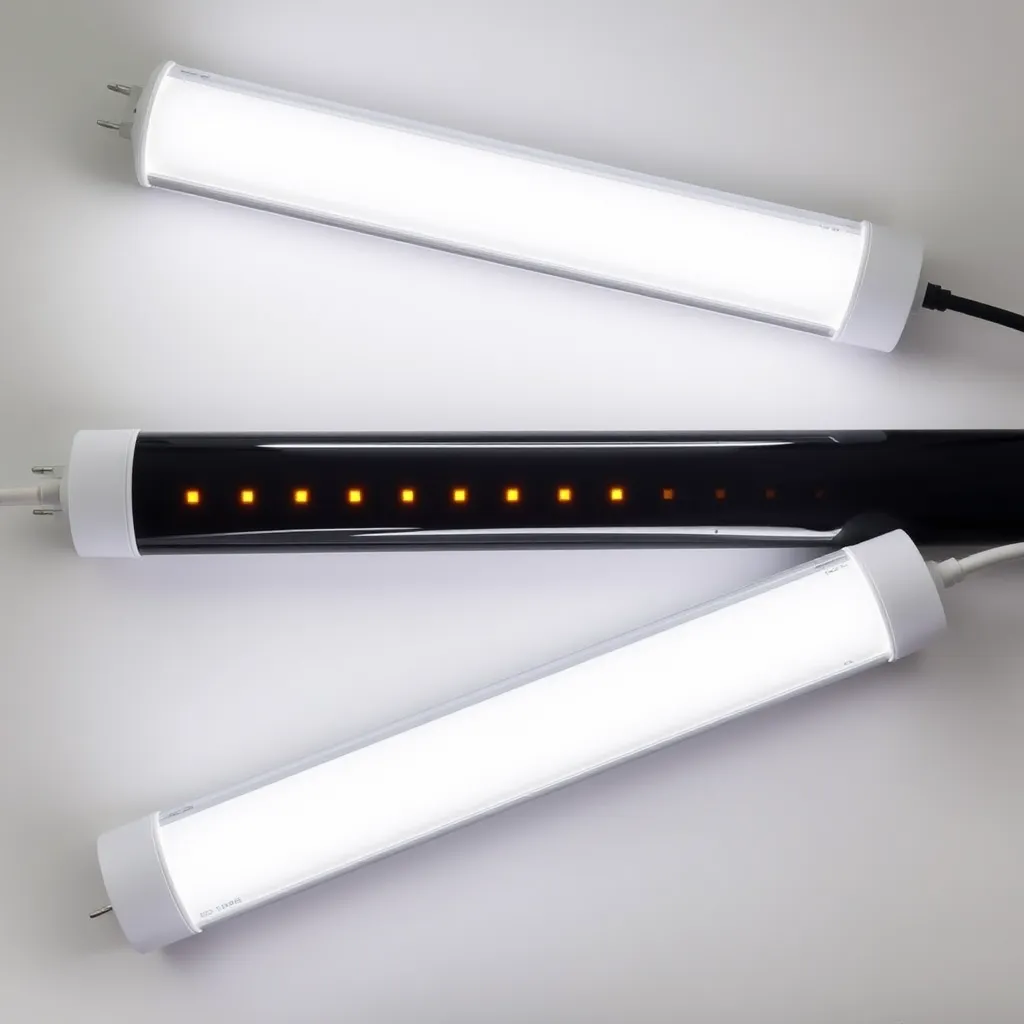
Comparison of different LED tube light types for retrofitting

Before opening a fixture, you must identify which type of LED tube you have purchased. The industry categorizes these into three main types, and only one of them requires the full removal of the ballast.

Type

Common Name

Ballast Required?

Wiring Difficulty

Energy Efficiency

Type A

Plug-and-Play

Yes (Existing)

Very Low

Moderate

Type B

Direct Wire

No (Bypass)

Moderate

High

Type C

External Driver

No (New Driver)

High

Highest

Type A+B

Hybrid/Dual Mode

Optional

Low to Moderate

High

Type B tubes are the industry standard for professional retrofits. They contain an internal driver that accepts 120V or 277V power directly. This guide focuses on the installation of Type B tubes, as they offer the best balance of cost-effectiveness and performance.

Essential Tools and Safety Protocols

Electrical work requires precision and the right equipment. Working inside a ceiling fixture involves overhead reach and tight spaces, so gather these tools before starting:

  • Non-contact voltage tester: To verify the circuit is truly dead.

  • Wire strippers: Sized for 14-18 AWG wire.

  • Wire nuts or push-in connectors: For secure, insulated joins.

  • Lineman's pliers or side cutters: To remove the old ballast wiring.

  • Screwdriver: Typically a Phillips or 1/4" nut driver for the ballast cover.

  • Step ladder: Ensure it is stable and tall enough to reach the fixture comfortably.

Safety Warning: Never rely solely on a wall switch to cut power. Light switches often only break the "hot" wire, leaving the "neutral" and potentially a shared hot wire active in the junction box. Always flip the circuit breaker and use your voltage tester to confirm the absence of electricity at the fixture itself.

The Critical Role of Tombstones
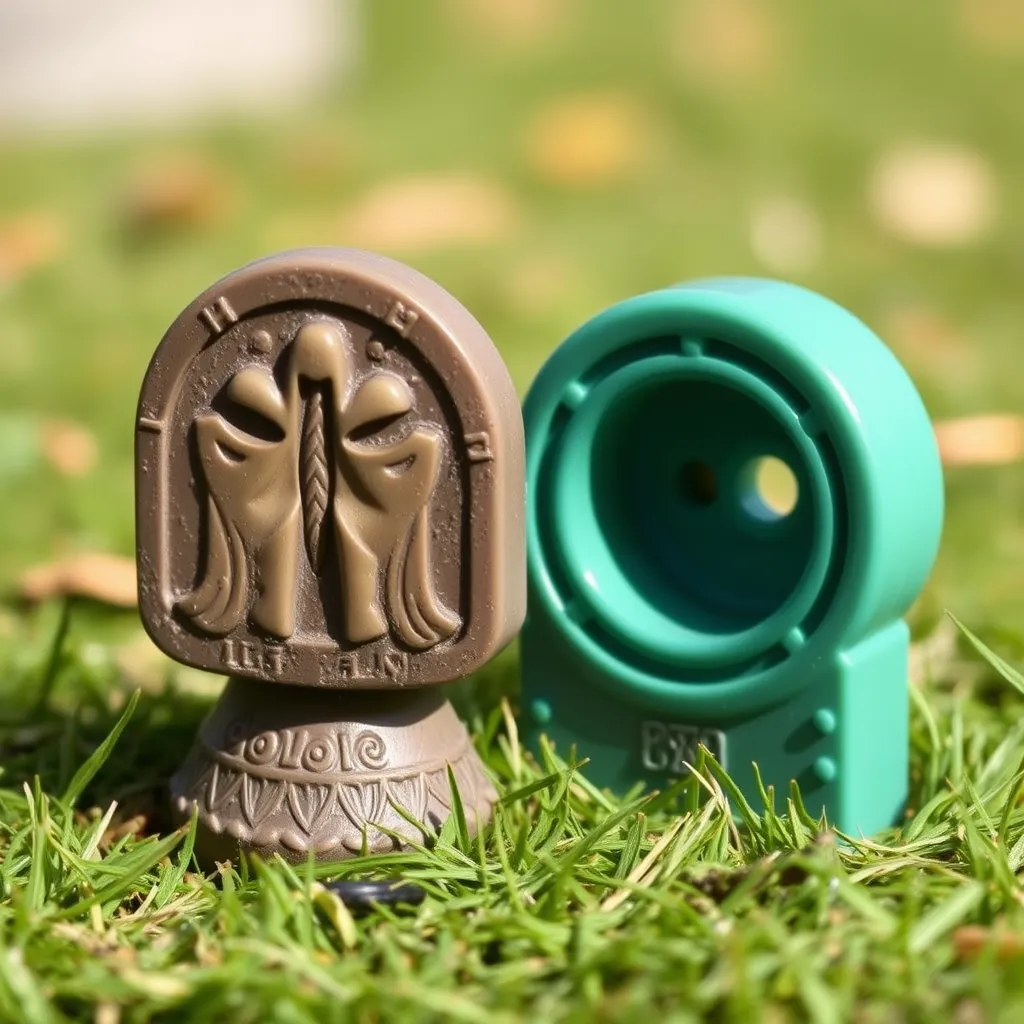
Detail of shunted and non-shunted T8 fluorescent lamp holders

The "tombstones" are the plastic sockets that hold the tubes in place. When you remove a ballast for LED lights, the type of tombstone in your fixture determines your wiring strategy.

Shunted vs. Non-Shunted Sockets

A shunted tombstone has internal busbars that connect the two pins together. This means electricity flows through both pins as a single path. These are common in "Instant Start" fluorescent fixtures.

A non-shunted tombstone keeps the two pins electrically isolated from each other. These have two separate wire entry points on the back.

Why this matters: Most single-ended Type B LED tubes require non-shunted tombstones because they need the hot and neutral wires to connect to separate pins on the same end of the tube. If you use a shunted tombstone with a single-ended tube, you will create a dead short the moment you flip the switch. Double-ended LED tubes, however, are generally compatible with both types.

Step-by-Step Ballast Removal and Rewiring

Once you have confirmed your tube type and tombstone compatibility, follow these steps to bypass the ballast.

1. Access the Internal Wiring

Remove the plastic lens or metal grid (diffuser) from the fixture. Take out the old fluorescent tubes and dispose of them at a local hazardous waste facility, as they contain mercury. Locate the ballast cover-usually a long metal strip in the center of the fixture-and remove the screws or squeeze the sides to pop it off.

2. Disconnect the Ballast

You will see a tangle of wires. The wires coming from the ceiling are usually Black (Hot) and White (Neutral). The wires exiting the ballast and going to the tombstones are usually Red, Blue, and Yellow.

Cut the wires as close to the ballast as possible. This leaves you with the maximum amount of "lead" wire to reach your new connections. Unscrew the mounting nut holding the ballast to the fixture and remove the heavy metal box entirely.

3. Rewire for Single-Ended LED Tubes

If your LED tubes are "Single-Ended," you only need to provide power to one side of the fixture.

  1. Identify the "Live" end of the fixture (the side you want to power).

  2. Take all wires coming from the tombstones on that end.

  3. Connect the Black (Line) wire from your building to one side of the tombstone.

  4. Connect the White (Neutral) wire to the other side of the tombstone.

  5. The tombstones at the far end of the fixture should remain unwired; they will simply act as a physical cradle for the tube.

4. Rewire for Double-Ended LED Tubes

Double-ended tubes are often easier for DIYers because they mimic the physical layout of the original wiring.

  1. Connect the Black (Line) wire to all the wires leading to the tombstones on the left side of the fixture.

  2. Connect the White (Neutral) wire to all the wires leading to the tombstones on the right side of the fixture.

  3. Ensure all connections are secured with wire nuts and no bare copper is exposed.

Testing and Final Assembly
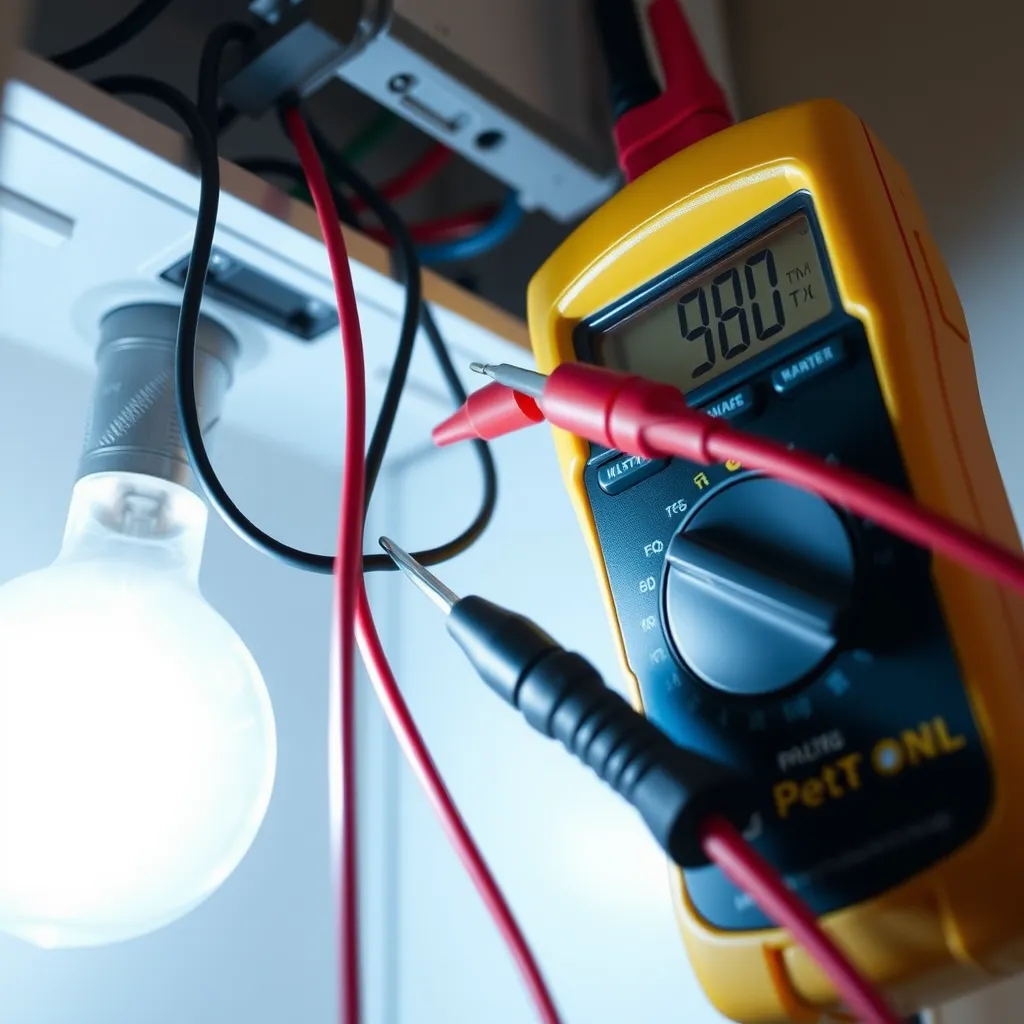
Electrician testing voltage in a light fixture after ballast removal

Before snapping the ballast cover back on, perform a quick visual inspection. Ensure the green or bare copper ground wire is still securely fastened to the metal frame of the fixture. This is vital for safety in the event of an electrical fault.

Insert the LED tubes. If you are using single-ended tubes, look for the "Input" label on the tube and ensure that end is inserted into the powered tombstones. Replace the ballast cover and the diffuser.

Restore power at the breaker. The lights should turn on instantly without humming or flickering. If the tubes do not light up, or if the breaker trips immediately, there is likely a short circuit or a mismatch between the tube type and the tombstone.

Common Mistakes to Avoid

Even for experienced DIYers, retrofitting legacy fixtures has its pitfalls. Avoiding these three common errors will save time and prevent equipment damage.

  • Mixing Shunted and Non-Shunted: As mentioned, using single-ended tubes with shunted tombstones is the most common cause of failure. If you aren't sure, use a multimeter to check for continuity between the pins. If it beeps, it's shunted.

  • Ignoring the Warning Label: Once you remove the ballast, the fixture is no longer "standard." If someone installs a fluorescent tube into a direct-wire fixture later, the tube could shatter or the fixture could catch fire. Always apply the "Modified Fixture" sticker included with your LED tubes.

  • Loose Wire Nuts: Vibration from building HVAC systems or footsteps overhead can loosen poorly applied wire nuts. Always give every wire a "tug test" after twisting the nut on. If the wire slides out, redo the connection.

Financial and Environmental Impact

The decision to remove a ballast for LED lights is often driven by the bottom line. A typical 4-lamp T12 fixture consumes roughly 160-180 watts. After a Type B LED conversion, that same fixture will consume about 60-72 watts while providing equivalent or better light output.

In a commercial setting where lights run for 12 hours a day, the payback period for the tubes and the labor is often less than 18 months. Furthermore, because LEDs do not contain mercury, you are significantly reducing the environmental footprint of your building's maintenance cycle.

Conclusion:

Converting fluorescent fixtures to LED through a ballast bypass delivers significant energy savings, eliminates maintenance issues, and extends fixture lifespan. By understanding the differences between Type A, B, and C tubes, identifying shunted versus non-shunted tombstones, and following proper safety protocols, even DIYers can successfully complete this retrofit. Always verify power is off at the breaker, label modified fixtures clearly, and ensure secure wire connections to prevent hazards. While buying new LED fixtures may suit damaged housings, retrofitting existing ones remains the most cost-effective and environmentally friendly choice. With payback periods under 18 months commercially, this upgrade delivers lasting value.

Frequently Asked Questions

Q1: Can I leave the ballast in place if I'm using Type B tubes?

A: No. Type B tubes are designed to receive 120-277V directly. If you pass that power through a ballast first, you will likely destroy the internal driver of the LED tube or cause the ballast to overheat. Type B tubes require the ballast to be completely disconnected and bypassed.

Q2: What do I do with the extra wires?

A: In many fixtures, you will have more wires coming from the tombstones than you have incoming power wires. You can group these together using a larger wire nut. For example, in a 4-lamp fixture, you might have four blue wires. You would strip the ends of all four, twist them together with the incoming black wire, and cap them with a single wire nut.

Q3: Is it better to just buy a new LED fixture?

A: If your existing fixture is "crusty"-meaning the plastic tombstones are brittle and cracking or the metal housing is rusted-replacing the entire fixture is often faster and safer. However, if the housing is in good condition, retrofitting is significantly cheaper and keeps the metal out of the landfill.

Q4: How do I know if my LED tube is single-ended or double-ended?

A: Check the packaging or the printed text on the tube itself. Single-ended tubes will have "L" (Live) and "N" (Neutral) markings on the pins of only one end. Double-ended tubes will often have "L" on one end and "N" on the other, or they will explicitly state "Double-Ended Power" on the label.

Related Articles

More guides in this category

How To Get LED Lights To Stick To Wall
Installation

How To Get LED Lights To Stick To Wall

The frustration of finding a pile of tangled LED strips on the floor a few days after installation is a common experience for many DIY enthusiasts. While most flexible light strips come with a pre-applied adhesive backing, the factory tape is often the bare minimum required for temporary placement. Achieving a permanent, professional-grade bond requires an understanding of surface tension, adhesive chemistry, and mechanical reinforcement. Most consumer-grade light strips utilize a pressure-sensitive adhesive (PSA). Unlike liquid glues that dry and harden, PSAs remain "tacky" and rely on physical pressure to create a bond with the microscopic pores of a surface. When these lights fail, it is rarely because the glue "dried out." Instead, it is usually due to surface contamination, improper curing, or environmental factors like heat and gravity overcoming the adhesive's shear strength. The Science Behind Adhesive Failure To ensure your lighting stays in place, you must first identify the forces working against it. Gravity is the most obvious culprit, but several invisible factors contribute to a failing installation. Surface Energy: Different materials have different "surface energy." Glass and metal have high surface energy, meaning the adhesive spreads and bonds easily. Plastics and certain "scrubbable" paints have low surface energy, causing the adhesive to bead up rather than stick. Outgassing: New paint can release gases for up to 30 days after application. These gases can chemically break down the adhesive bond from behind, causing the strip to peel away even if the surface feels dry to the touch. Thermal Cycling: LED chips generate heat. While 12V or 24V strips are efficient, the circuit board (PCB) still warms up. This heat softens the adhesive, making it more prone to "creep"-a slow sliding motion caused by the weight of the strip. Dust and Oils: Microscopic skin oils or household dust act as a barrier. If the adhesive touches dust before the wall, it bonds to the dust particles instead of the mounting surface. Preparing the Mounting Surface Preparation is 90% of the work. If the wall isn't chemically clean, no amount of pressure will make the lights stay up long-term. Avoid using standard household glass cleaners or multi-surface sprays. These products often contain silicone, waxes, or fragrances that leave a thin film behind, which acts as a release agent for the adhesive. The gold standard for preparation is 90% or higher Isopropyl Alcohol. Higher concentrations are preferred over the common 70% variety because they contain less water and evaporate faster, leaving zero residue. Wipe the area thoroughly using a lint-free microfiber cloth. If the cloth comes away gray or brown, repeat the process until the surface is pristine. Allow the area to air dry for at least five minutes before proceeding. Temperature also plays a critical role. Most adhesives require an application temperature between 60°F and 80°F (15°C - 27°C). If the wall is too cold, the adhesive becomes brittle and won't flow into the surface pores. If it is too hot, the adhesive may become too fluid to hold its own weight during the initial tack. Installation Mechanics for a Lasting Bond The "pressure" in pressure-sensitive adhesive is not a suggestion. To get LED lights to stick to wall surfaces effectively, you must apply firm, consistent force across every inch of the strip. Simply running a finger lightly over the tape is insufficient. Work in small increments of 6 to 12 inches. Peel back a small section of the paper backing, align it carefully, and press down. Use your thumb to apply heavy pressure for at least 10 to 15 seconds on each section. For the best results, use a small rubber wallpaper roller to apply even pressure across the entire length of the strip. This ensures that the adhesive is forced into the texture of the drywall. Avoid "over-stretching" the strip during installation. LED strips are flexible, but pulling them tight creates internal tension. Over time, the strip will try to contract to its original length, creating a constant pulling force on the ends that will eventually cause them to pop off the wall. Choosing the Right Method for Your Wall Type Not all walls are created equal. A strategy that works on a glass mirror will fail on a textured "orange peel" or "knockdown" drywall. Use the following table to determine if your surface requires additional help beyond the factory tape. Surface Material Texture Level Recommended Mounting Strategy Expected Longevity Glass / Mirror None Factory 3M Adhesive only Excellent Smooth Painted Drywall Low Adhesive + Alcohol Prep Good Textured Drywall Medium/High Adhesive + Mounting Clips Poor without clips Unfinished Wood Porous Staples or Screw-in Clips Very Poor (Adhesive fails) Brick / Concrete Rough Construction Adhesive or Channels Impossible with tape Powder-Coated Metal Varies VHB Tape (Very High Bond) Excellent Advanced Reinforcement Techniques When the factory adhesive isn't enough-especially on ceilings or vertical runs-you need mechanical or chemical reinforcements. These methods ensure that even if the adhesive softens due to heat, the strip remains physically tethered to the wall. Mounting Clips and Brackets Small, translucent plastic clips are the most reliable way to prevent "peel-back." These should be placed every 12 to 18 inches. They are particularly vital at the beginning and end of a run, where the weight of the power cable might pull on the strip. If you are renting and cannot use screws, look for adhesive-backed clips that use 3M Command strips, which are designed for clean removal. 3M VHB Tape If the original adhesive has already failed or been contaminated, do not try to "reactivate" it. Instead, scrape it off and apply 3M VHB (Very High Bond) tape. This is a closed-cell acrylic foam tape that is significantly thicker than the standard "tissue" tape found on cheap LEDs. It conforms to surface irregularities and creates a permanent bond that can often replace mechanical fasteners. It is commonly used in the automotive and construction industries for its sheer strength. Aluminum Channels For the most professional appearance and the longest lifespan, use aluminum LED channels (also known as extrusions). These U-shaped tracks are screwed into the wall, and the LED strip is adhered inside the track. This offers three major benefits: Heat Dissipation: The aluminum acts as a heat sink, drawing warmth away from the LEDs and the adhesive, preventing thermal degradation. Protection: A plastic diffuser cover protects the LEDs from dust and physical damage while softening the light to eliminate "hot spots." Perfect Alignment: It is much easier to mount a rigid metal track in a perfectly straight line than a floppy flexible strip. The Impact of Environment and Heat Environmental factors can significantly degrade adhesive over time. In kitchens, airborne grease can settle on the edges of the strip, slowly wicking underneath and dissolving the bond. In bathrooms, high humidity can cause moisture to penetrate the adhesive layer. If you are installing lights in these areas, look for IP65-rated strips which are coated in silicone. Note that these strips are heavier than non-waterproof ones, making mechanical clips mandatory rather than optional. Furthermore, consider the power draw of your lights. High-density strips (e.g., 120 LEDs per meter) generate significantly more heat than standard density (30 or 60 LEDs per meter). If your strip feels hot to the touch after 30 minutes of use, the adhesive is likely to fail within months unless it is mounted in an aluminum channel or reinforced with high-temperature hot glue dots every few inches. Safe Removal Without Wall Damage Inevitably, you may need to move or replace your lights. Ripping them off the wall will likely take the top layer of drywall paper or paint with it. To remove them safely, use a hair dryer on a medium-heat setting. Move the hair dryer back and forth over a 12-inch section for about 30 seconds. The heat will soften the acrylic polymers in the tape, allowing you to peel it back slowly at a 45-degree angle. If any sticky residue remains, do not scrub it with a dry cloth, as this will only spread the mess. Apply a small amount of citrus-based adhesive remover or more isopropyl alcohol to a rag and let it sit on the residue for a minute before wiping it away. For stubborn spots on non-porous surfaces, a plastic scraper or an old credit card can be used to gently lift the softened glue. Conclusion: Keeping LED strips firmly mounted is less about the lights themselves and more about respecting the chemistry and physics behind the adhesive. The factory tape on most strips is only a starting point - its success depends entirely on how well you prepare the surface, how much pressure you apply, and whether the wall material is suited to a pressure-sensitive bond in the first place. The key takeaways are straightforward: clean every mounting surface with 90%+ isopropyl alcohol, apply firm and sustained pressure during installation, and match your mounting method to your wall type. Smooth, non-porous surfaces will hold with adhesive alone, but textured drywall, ceilings, humid environments, and high-density strips almost always require reinforcement through mounting clips, VHB tape, or aluminum channels. Ultimately, a "permanent" LED installation is a system, not a single product. By combining proper surface prep, correct application technique, and the right mechanical backup for your environment, you can transform LED strips from a temporary novelty into a clean, lasting feature of your space - and avoid the all-too-familiar disappointment of finding them in a tangled heap on the floor. Frequently Asked Questions Q1: Can I use hot glue to keep my LED strips up? A: Yes, but with caution. Use a low-temperature glue gun to avoid damaging the delicate circuitry or melting the waterproof coating of the strip. Apply small dots of glue every 6 inches along the side of the strip rather than directly underneath it. This provides a "mechanical" bridge between the strip and the wall without interfering with the primary adhesive bond. Q2: How long should I wait before turning the lights on? A: Adhesive bonds improve over time. While the strip may feel secure immediately, it typically takes 24 hours for the bond to reach 90% strength and up to 72 hours for a full cure. It is best to keep the lights off during the first 24 hours to prevent heat from softening the adhesive before it has fully "wetted" the surface. Q3: Will LED strips stick to a popcorn ceiling? A: No. The surface area on a popcorn or highly textured ceiling is too small for the adhesive to grab. For these surfaces, you must use screw-in mounting clips or install a flat wooden or plastic trim piece first to provide a smooth mounting surface for the lights.

15 min readMay 20
How to Connect LED Lights to Power Supply
Installation

How to Connect LED Lights to Power Supply

Learn how to safely connect LED lights to a power supply. This guide covers voltage matching, the 80% wattage rule, polarity, wiring methods, and voltage drop fixes.

20 min readMay 19
How To Hardwire LED Strip Lights
Installation

How To Hardwire LED Strip Lights

Learn how to hardwire LED strip lights, including driver sizing, 12V vs 24V, dimmer compatibility, and NEC code compliance for a clean install.

15 min readMay 18