Light dictates the rhythm of a home. It influences how paint colors appear on a wall, how food looks on a plate, and even how the body prepares for sleep. Choosing between different color temperatures is not merely a matter of personal preference; it is a technical decision that impacts visual acuity and psychological well-being. The choice between LED lights daylight vs soft white often comes down to a balance between functional clarity and atmospheric comfort.
Color temperature is measured on the Kelvin (K) scale. Lower numbers represent warmer, more yellow light, while higher numbers represent cooler, bluer light. While both types of bulbs can produce the same amount of light-measured in lumens-the "feel" of that light changes the utility of a room. Understanding the specific characteristics of the 2700K to 6500K range allows for a more intentional approach to interior design and home utility.
Understanding the Kelvin Scale in Residential Lighting
To make an informed decision, it is necessary to look at where these terms fall on the spectrum of light. The term "soft white" generally refers to bulbs in the 2700K to 3000K range. These mimic the glow of traditional tungsten incandescent filaments. "Daylight" bulbs sit much higher on the scale, typically between 5000K and 6500K, mimicking the crisp, blue-toned light of the sun at high noon.
There is also a middle ground, often labeled "Bright White" or "Cool White," which falls between 3500K and 4500K. This range provides a neutral balance that lacks the heavy yellow of soft white and the stark blue of daylight. The following table breaks down the technical specifications and common applications for each range:
Lighting Category | Kelvin Range | Visual Characteristic | Primary Use Case |
|---|---|---|---|
Soft White | 2700K - 3000K | Warm, yellow-amber glow | Bedrooms, living rooms, cozy dens |
Bright White | 3500K - 4500K | Neutral, crisp white | Kitchens, bathrooms, retail spaces |
Daylight | 5000K - 6500K | Cool, blue-white brilliance | Garages, workshops, craft rooms |
The Psychology and Function of Soft White
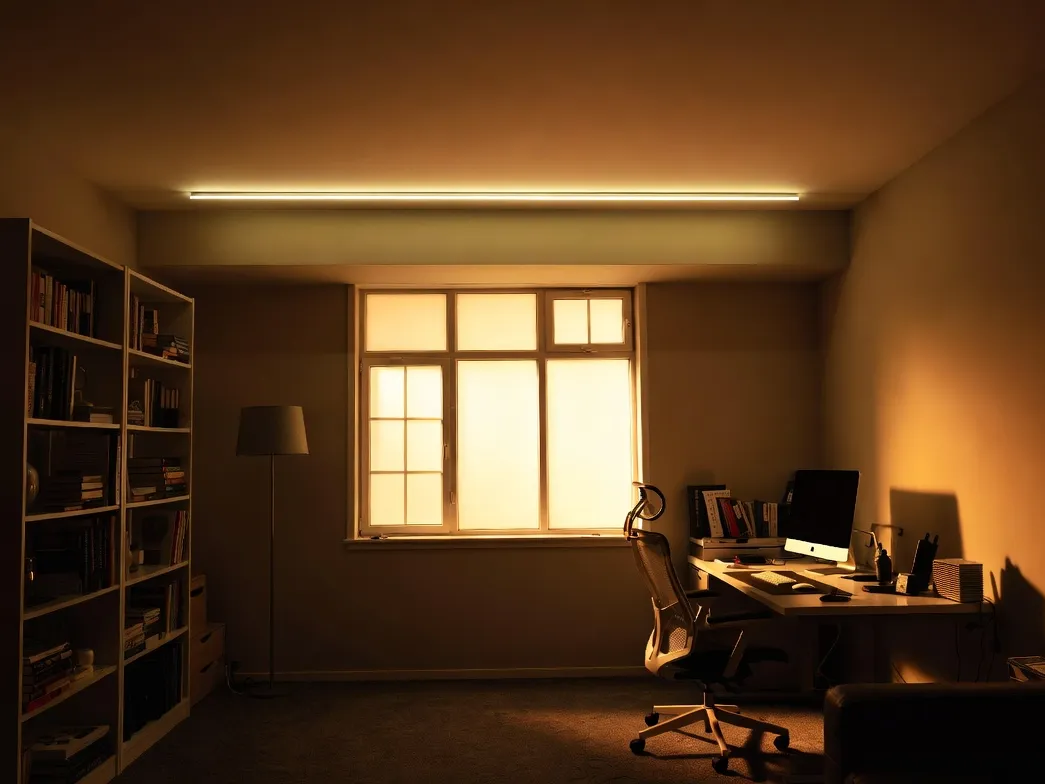
Soft white is the standard for residential comfort. Because humans have spent decades using incandescent bulbs, the 2700K glow is associated with "home." This temperature promotes the production of melatonin, the hormone responsible for sleep. Using warm tones in the evening signals to the brain that the day is ending, making it the superior choice for areas intended for relaxation.
Beyond biology, soft white is more forgiving for interior design. It enhances warm wood grains, brings out the depth in earth-toned fabrics, and provides a flattering glow on human skin. In a dining room, warm light makes food appear more appetizing by saturating reds and oranges. However, the downside of soft white is a lack of contrast. In a workshop or a high-detail environment, the yellow tint can make it harder to distinguish between similar dark colors or read fine print for extended periods.
Best Applications for Soft White (2700K-3000K)
Bedrooms: To maintain a healthy circadian rhythm and create a sanctuary-like feel.
Living Rooms: To encourage social interaction and a relaxed atmosphere for watching media.
Dining Areas: To create an intimate environment and enhance the visual appeal of a meal.
Decorative Fixtures: Chandeliers and wall sconces often look better with warm bulbs that mimic candle flames.
The Utility and Precision of Daylight
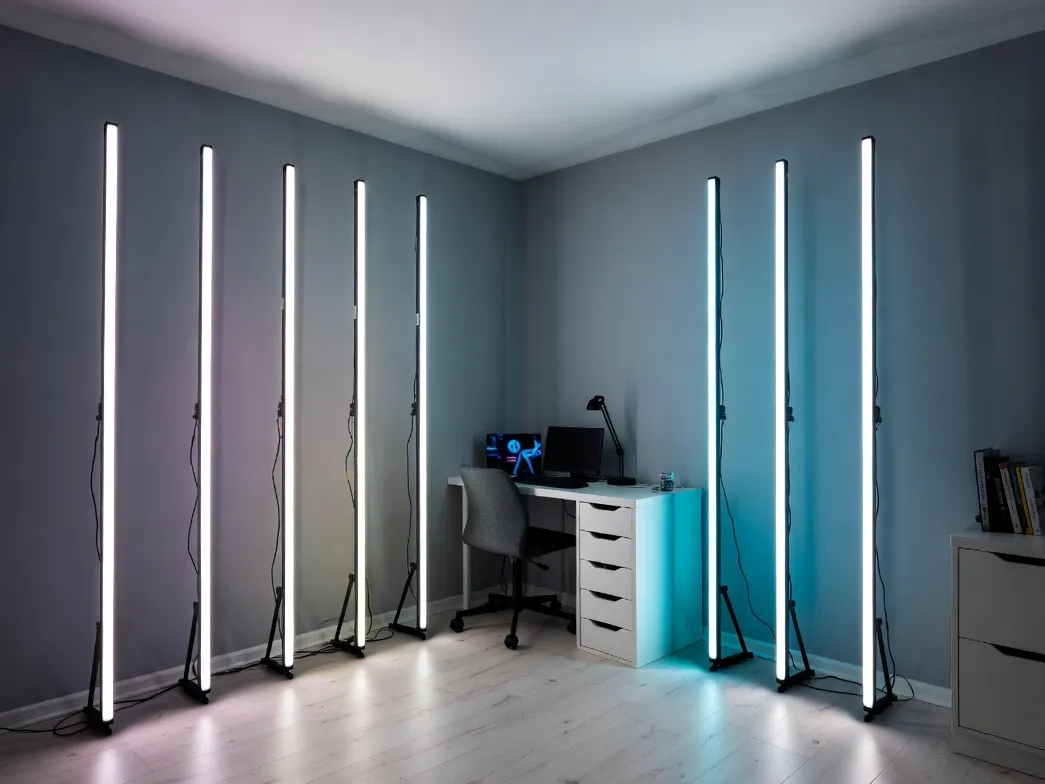
Daylight LEDs are designed for performance. At 5000K and above, the light contains a higher concentration of blue wavelengths. This suppresses melatonin and increases cortisol, which helps with alertness and focus. This is why daylight bulbs are frequently used in commercial offices and hospitals; they keep people awake and attentive.
In a home setting, daylight bulbs are indispensable for tasks requiring high visual acuity. If you are soldering electronics, sewing, or working with detailed woodcarvings, the high contrast provided by daylight bulbs allows you to see textures and edges that would be lost in the "mushy" warmth of a 2700K bulb. Daylight is also the preferred choice for closets and vanities. It provides the most accurate representation of how colors will look when you step outside into the sun, preventing "color mismatch" errors with clothing or makeup.
Best Applications for Daylight (5000K-6500K)
Garages and Basements: These areas often lack natural windows; daylight bulbs provide the necessary "sun-like" brightness for safety and work.
Home Offices: To maintain productivity during the workday and reduce eye strain when reading documents.
Kitchen Task Areas: Specifically over the stove or prep island where knife safety and food inspection are critical.
Art Studios: For artists who need to see true color balance without the yellow bias of warmer bulbs.
The Perception of Brightness: Lumens vs. Kelvin
A common misconception is that daylight bulbs are "brighter" than soft white bulbs. Technically, brightness is measured in lumens. An 800-lumen bulb produces the same amount of light energy whether it is 2700K or 5000K. However, the human eye perceives cooler light as brighter. This is due to the way our eyes process blue light wavelengths, which trigger the "photopic" response more effectively.
If a room feels "dim" even with several lights on, switching to a cooler color temperature may solve the problem without increasing energy consumption. Conversely, if a room feels "harsh" or "clinical," it is likely because the color temperature is too high for the space, not necessarily because the bulbs have too many lumens. When evaluating LED lights daylight vs soft white, always check the lumen count first to ensure you have enough raw light, then choose the Kelvin rating to set the mood.
Color Rendering Index (CRI) and Its Role
While color temperature determines the "tint" of the light, the Color Rendering Index (CRI) determines how accurately that light reveals the true colors of objects. CRI is measured on a scale of 0 to 100. A bulb with a CRI of 90 or higher is considered "High CRI."
This is particularly important when using daylight bulbs. A cheap 5000K bulb with a low CRI (around 70-80) can make a room look "dead" or "gray" because it lacks the full spectrum of light needed to reflect colors accurately. If you choose daylight bulbs for a kitchen or a bathroom, prioritize bulbs with a CRI of 90+ to ensure that skin tones and food look healthy rather than washed out.
Room-by-Room Strategy for Mixed Lighting
You do not have to choose a single color temperature for your entire home. In fact, professional lighting designers recommend a "layered" approach. This involves using different temperatures for different types of fixtures within the same space.
The Kitchen: A Hybrid Approach
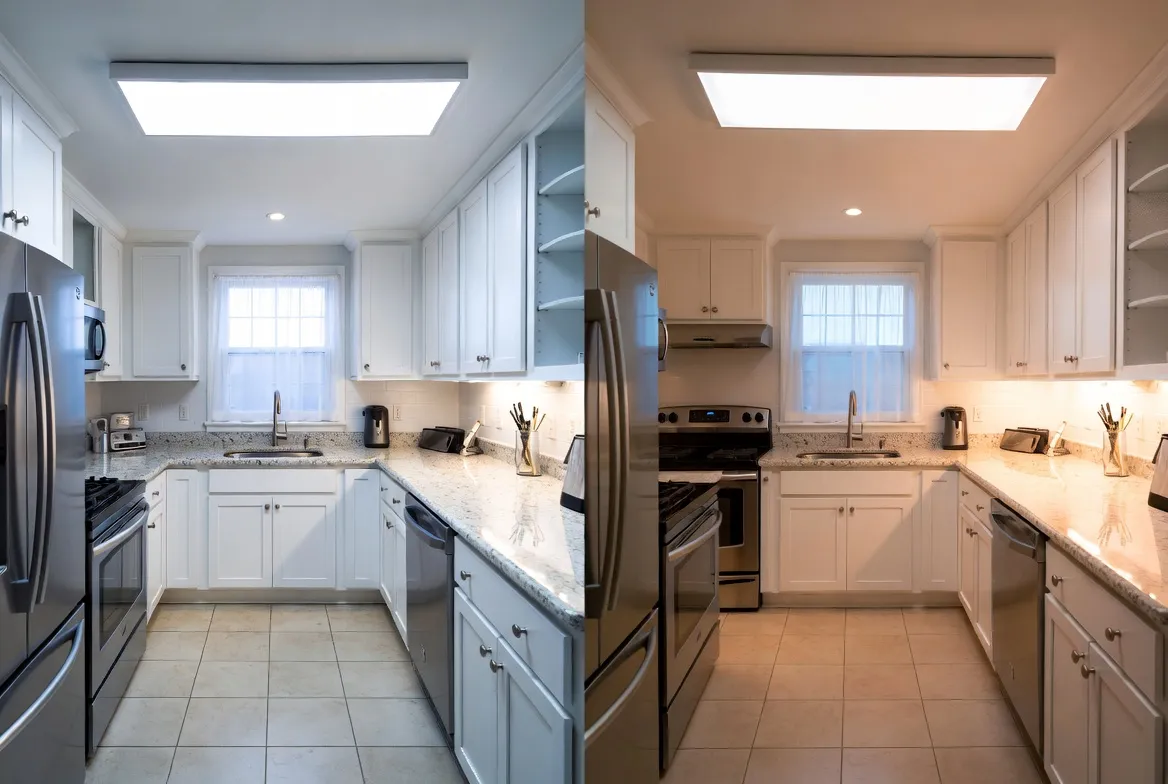
The kitchen is the most difficult room to light correctly. You need warmth for dining and socializing, but you need crisp light for chopping vegetables and reading recipes. A successful setup often uses 3000K (Soft/Warm White) for recessed ceiling cans to provide a general glow, paired with 4000K or 5000K (Bright White/Daylight) LED strips under the cabinets for task lighting. This allows the workspace to be highly functional while the room remains inviting.
The Bathroom: Vanity vs. Shower
In the bathroom, daylight bulbs are excellent for the vanity mirror to assist with grooming. However, a 5000K bulb over the shower or tub can feel jarring during a relaxing evening bath. Using a warmer bulb for the main ceiling light and cooler bulbs for the vanity provides the best of both worlds.
The Home Office: Circadian Syncing
The home office benefits from daylight bulbs during the 9-to-5 window. However, if you work late into the evening, that same blue light can interfere with your sleep. This is where tunable white LEDs or smart bulbs become valuable. These allow you to transition from 5000K during the day to 2700K after sunset, matching your home's lighting to your body's natural clock.
Common Mistakes to Avoid
One of the most frequent errors in home lighting is mixing color temperatures within the same visual plane. If you have a ceiling fixture with three bulbs, and you put two soft white bulbs and one daylight bulb in it, the result is visually chaotic. The human brain struggles to "white balance" the room, leading to eye fatigue and a sense of unease.
Another mistake is ignoring the color of the walls. If your walls are painted a cool gray or a crisp navy, soft white bulbs will often make the paint look "muddy" or yellowed. Conversely, if you have a room with warm beige walls and lots of oak furniture, daylight bulbs will make the space look sterile and uninviting. Always match the "temperature" of your light to the "temperature" of your decor.
Installation and Compatibility Tips
When upgrading to LED, keep these technical considerations in mind:
Dimmer Compatibility: Not all LED bulbs are dimmable. Furthermore, older dimmers designed for incandescents often cause LEDs to flicker. Ensure your bulbs are labeled "Dimmable" and consider upgrading to an LED-compatible dimmer switch.
Enclosed Fixtures: LEDs generate heat at their base. If you place a standard LED in a fully enclosed globe or recessed "can" without proper ventilation, the heat will shorten the life of the internal electronics. Look for bulbs rated for "enclosed fixtures."
Directional Light: Unlike incandescents that emit light in 360 degrees, some LEDs are directional. Ensure you choose "Omni-directional" bulbs for lamps and "BR30" or "PAR" bulbs for recessed ceiling lights.
Conclusion
The debate between daylight and soft white LEDs ultimately isn't about which bulb is "better" - it's about matching the right color temperature to the right purpose. Soft white at 2700K-3000K creates the warm, melatonin-friendly atmosphere that turns a house into a home, making it the natural choice for bedrooms, living rooms, and dining spaces where relaxation and connection matter most. Daylight at 5000K-6500K, with its crisp clarity and alertness-boosting blue wavelengths, earns its place in garages, home offices, vanities, and any task area where precision and color accuracy are non-negotiable.
The most successful lighting plans rarely commit to a single temperature. Instead, they layer warm and cool sources strategically - soft white for ambient glow, daylight for focused tasks - so each room can shift between functional and inviting as needed. When making your selections, remember that lumens determine actual brightness while Kelvin only sets the mood, and that a high CRI rating (90+) is what separates lighting that flatters your space from lighting that drains the life out of it.
Ultimately, good lighting is invisible. You shouldn't notice the bulbs themselves - only how comfortable, productive, or restful you feel beneath them. By understanding the Kelvin scale, respecting your circadian rhythm, and avoiding common pitfalls like mixing temperatures in a single fixture, you can transform every room in your home from merely "lit" into thoughtfully illuminated.
Frequently Asked Questions
Can I use daylight bulbs in my bedroom?
While you can, it is generally discouraged. The high blue light content in daylight bulbs suppresses melatonin production, which can make it harder to fall asleep. If you prefer the look of daylight for cleaning or reading, consider using a smart bulb that can switch to warm tones in the evening.
Does daylight lighting save more energy than soft white?
No. The energy consumption of an LED bulb is determined by its wattage, not its color temperature. An 8-watt LED bulb will consume the same amount of electricity whether it is 2700K or 5000K. The efficiency is identical; the only difference is the color of the light produced.
Which is better for outdoor security lighting?
Daylight (5000K-6000K) is superior for security. It provides higher contrast, making it easier for security cameras to capture clear footage and for the human eye to detect movement at a distance. It also tends to look more "alert" and "active," which can act as a deterrent.
What is "Bright White" compared to these two?
Bright White (usually 3500K-4100K) is the middle ground. It is less yellow than soft white but lacks the blue intensity of daylight. It is an excellent choice for laundry rooms, kitchens, and bathrooms where you want a clean, modern look without the clinical feel of a hospital room.
Why do my daylight bulbs look blue?
If you are used to traditional incandescent bulbs, daylight LEDs will look blue by comparison. This is a result of your eyes' "white balance" adjusting to the new spectrum. After a few days of use, your brain will likely stop perceiving them as blue and start perceiving them as a neutral, crisp white.