The transition from traditional filament bulbs to solid-state lighting represents the most significant shift in illumination technology since the days of Edison. While halogen bulbs were once the standard for high-quality, dimmable light, they are rapidly being replaced by light-emitting diodes (LEDs). This shift is driven not just by energy mandates, but by a fundamental difference in how these two technologies convert electricity into visible light.
Understanding the technical nuances between these two light sources
requires looking past the purchase price. It involves evaluating thermal management, spectral power distribution, and the electrical compatibility of existing infrastructure. For homeowners and facility managers, the decision to switch involves balancing the immediate cost of retrofitting against long-term operational savings and light quality requirements.
Core Technologies: Thermal Radiation vs. Electroluminescence
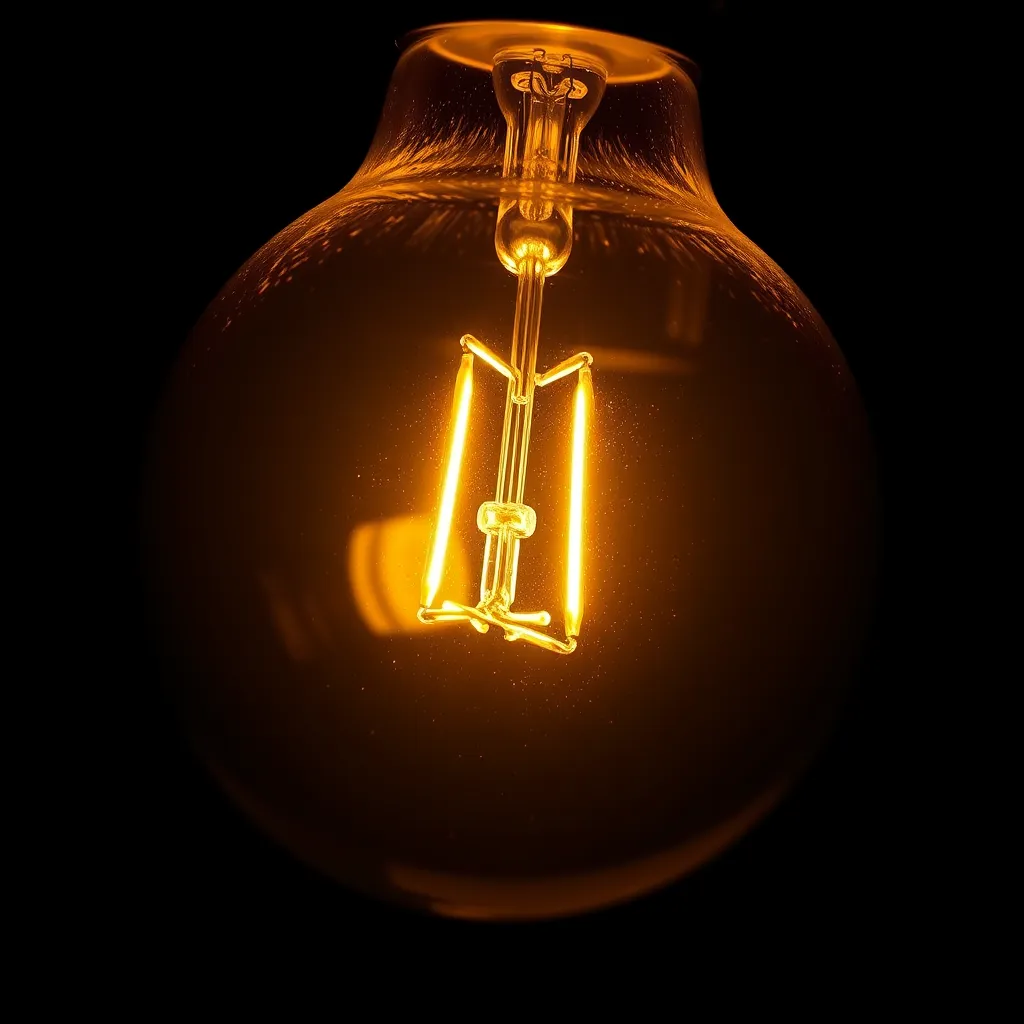
To understand why one technology is more efficient than the other, we must examine the physics of light production. A halogen bulb is a sophisticated evolution of the incandescent lamp. It uses a tungsten filament housed inside a small quartz envelope filled with a halogen gas, such as iodine or bromine. When electricity passes through the filament, it heats up to approximately 2,500°C, glowing white-hot to produce light. The halogen gas performs a "halogen cycle," where evaporated tungsten atoms are redeposited back onto the filament, extending its life and allowing it to run at higher temperatures than standard incandescent bulbs.
In contrast, an LED is a semiconductor device. It produces light through electroluminescence. When a voltage is applied to the P-N junction of the diode, electrons recombine with electron holes, releasing energy in the form of photons. This process does not require heating a physical mass to thousands of degrees, which is why the technology is inherently more efficient. Because LEDs do not rely on heat to create light, they are categorized as "cold" light sources, though they still generate heat at the junction point that must be managed through heat sinks.
Thermal Dynamics and Safety Implications
Heat generation is the primary byproduct of halogen lighting. Approximately 90% of the energy consumed by a halogen bulb is emitted as infrared radiation (heat), with only 10% resulting in visible light. This inefficiency creates a surface temperature that typically ranges between 250°C and 350°C (482°F to 662°F). In practical terms, this necessitates specialized fixtures. For example, recessed halogen downlights often require "fire-rated" enclosures or significant clearance from attic insulation to prevent combustion.
LEDs operate at significantly lower temperatures, usually maintaining a heat sink temperature between 45°C and 75°C. While they are not "heat-free," the heat is conductive rather than radiative. It moves backward into the fixture's heat sink rather than forward into the room. This lower operating temperature provides several benefits:
Reduced Cooling Loads: In large commercial spaces, the heat from hundreds of halogen bulbs can significantly increase air conditioning costs. Switching to LED reduces this secondary energy burden.
Fixture Longevity: High heat degrades lamp holders, wiring insulation, and decorative trims over time. LED retrofits stop this thermal degradation.
Safety: LEDs eliminate the risk of contact burns and significantly reduce the risk of fire when lights are placed near flammable materials like curtains or artwork.
Luminous Efficacy and Operational Costs
The most compelling argument for the transition is the massive disparity in luminous efficacy-the measure of how much light (lumens) is produced per watt of electricity consumed. A standard halogen bulb provides roughly 15 to 25 lumens per watt. High-quality LEDs now regularly exceed 100 lumens per watt, with some industrial models reaching 150 or more.
Performance Metric | Halogen (50W GU10) | LED (6W GU10) | Improvement Factor |
|---|---|---|---|
Luminous Flux | 400 Lumens | 450 Lumens | Slightly Brighter |
Efficacy | 8 Lm/W | 75 Lm/W | 9.3x More Efficient |
Power Consumption | 50 Watts | 6 Watts | 88% Reduction |
Rated Lifespan | 2,000 Hours | 25,000 Hours | 12.5x Longer Life |
Surface Temperature | ~260°C | ~55°C | 78% Cooler |
When calculating the total cost of ownership, the initial purchase price of the bulb is often the least significant factor. If electricity costs $0.15 per kWh, running a 50W halogen for 25,000 hours (the life of one LED) would cost $187.50 in energy alone. Running a 6W LED for the same duration would cost $22.50. When you add the cost of purchasing and replacing 12 separate halogen bulbs during that timeframe, the financial argument for the older technology disappears entirely.
Color Accuracy and Spectral Quality
One area where halogen technology has historically held the lead is the Color Rendering Index (CRI). Because halogen bulbs produce light through heat, they emit a continuous spectrum of light that closely mimics natural sunlight. They have a CRI of 100, meaning they represent colors perfectly. This makes them ideal for art galleries, high-end retail, and jewelry displays where the "sparkle" and color depth are paramount.
Early LEDs struggled with color rendering, often appearing "flat" or casting a blue/green tint. However, modern "High-CRI" LEDs have bridged this gap. High-end chips now offer CRI ratings of 95 to 98. When selecting a replacement for color-sensitive areas, it is vital to look for the R9 value specifically; a high R9 ensures that skin tones and red fabrics look natural rather than washed out.
The Warm Dimming Effect
Halogen bulbs possess a natural characteristic: as they are dimmed, the filament cools, and the color temperature shifts from a bright white (3000K) to a warm, candle-like orange (1800K). This "warm dim" is highly desirable in residential and hospitality settings. Standard LEDs do not do this; they simply get dimmer while maintaining the same color temperature. To solve this, manufacturers developed "Dim-to-Warm" LEDs that use multiple chips and internal logic to mimic the halogen color shift during the dimming cycle.
Retrofitting Challenges and Technical Hurdles
While most halogen-to-LED transitions are "plug-and-play," certain systems present technical challenges. The most common issue occurs with low-voltage 12V systems, typically using MR16 or MR11 bulbs. These systems rely on a transformer to step down the mains voltage.
The Transformer Minimum Load Problem
Older electronic transformers designed for halogen bulbs often have a "minimum load" requirement, usually around 20W or 30W. Because a single LED bulb might only draw 5W or 7W, the transformer may not "see" the load, leading to rapid flickering, buzzing, or a total failure to illuminate. There are two ways to address this:
Replace the Transformer: Swap the old halogen transformer for a dedicated LED driver that has a 0W minimum load.
Mixed Loading: Leaving one halogen bulb in a circuit of four can sometimes provide enough load to satisfy the old transformer, though this is a temporary and inefficient "hack."
Dimmer Compatibility
Halogen bulbs are purely resistive loads, making them easy to dim with simple TRIAC (leading-edge) dimmers. LEDs are complex electronic loads. Using an old dimmer with new LEDs often results in a limited dimming range or "ghosting," where the lights stay faintly on even when the switch is off. For the best performance, it is highly recommended to install a trailing-edge dimmer specifically rated for LED loads.
Environmental Impact and Disposal
Neither halogen nor LED bulbs contain mercury, unlike old fluorescent tubes, which makes disposal simpler. However, LEDs are significantly more environmentally friendly over their lifecycle. The reduction in energy consumption directly correlates to lower carbon emissions from power plants. Furthermore, because one LED lasts as long as 12 to 15 halogen bulbs, the volume of waste entering landfills is reduced by over 90%.
It is worth noting that LEDs contain electronic components, including circuit boards and small amounts of heavy metals like copper and nickel. While they can be thrown in regular trash in many jurisdictions, recycling them through e-waste programs is the more responsible choice to recover these materials.
Future-Proofing Your Lighting
The global regulatory landscape is clear: halogen is being phased out. The European Union has already banned the sale of most halogen lamps for general lighting, and the United States Department of Energy has implemented strict efficacy standards that effectively preclude halogen bulbs from the market. Investing in halogen today is investing in a dead-end technology. For those concerned about the "feel" of halogen, the solution is to seek out premium LED products with high CRI (95+), dim-to-warm capabilities, and flicker-free drivers.
Conclusion
The transition from halogen to LED is more than just a simple bulb swap; it is a fundamental upgrade to your building's safety and efficiency. While the initial investment in high-quality LED fixtures may be higher, the elimination of extreme heat and the drastic reduction in energy consumption provide a rapid return on investment. Beyond the financial benefits, the reduced fire risk and lower maintenance requirements offer peace of mind that traditional filament bulbs simply cannot match.
As you look toward future-proofing your space, prioritize LEDs with high color rendering and reliable thermal management. The lighting industry is moving toward fully integrated smart systems that rely exclusively on the stability of solid-state technology. By making the switch now, you ensure your lighting infrastructure is compatible with the next generation of controls while enjoying a cooler, more sustainable environment today.
Frequently Asked Questions
Why do my new LED bulbs flicker when I use my old dimmer?
This usually happens because the old dimmer is a leading-edge (TRIAC) model designed for high-wattage resistive loads. LEDs draw very little current, which can cause the dimmer's internal switching to become unstable. Replacing the switch with a dedicated LED-compatible trailing-edge dimmer usually resolves the issue.
Can I put an LED bulb in a fully enclosed halogen fixture?
You must check the bulb packaging for an "enclosed fixture rated" label. Because LEDs rely on heat sinks to dissipate heat away from their sensitive internal electronics, placing them in an airtight fixture can cause heat to build up, significantly shortening the bulb's lifespan or causing it to dim prematurely to protect itself.
Is a 100 CRI LED possible?
While some specialized LEDs approach 98 or 99 CRI, a true 100 is difficult to achieve because LEDs produce light in specific spectral peaks rather than the continuous "black body" radiation of a heated filament. However, for almost all human applications, a CRI of 95+ is indistinguishable from a CRI of 100.
Do LED bulbs really last 25 years?
The "25-year" claim is usually based on using the bulb for 3 hours per day. While the LED chips themselves are incredibly durable, the "driver" (the internal circuit board) is the most common point of failure. High-quality brands use better capacitors that are more likely to reach their rated lifespan than budget alternatives.