The choice between classic gas-filled tubes and modern silicon-housed diodes dictates everything from your project's aesthetic impact to its long-term maintenance requirements. While the term "neon" has become a catch-all for any bright, linear light source, the underlying technologies are fundamentally different. Understanding these differences ensures you select the right solution for your specific installation environment.
The Mechanics of Traditional Glass Neon
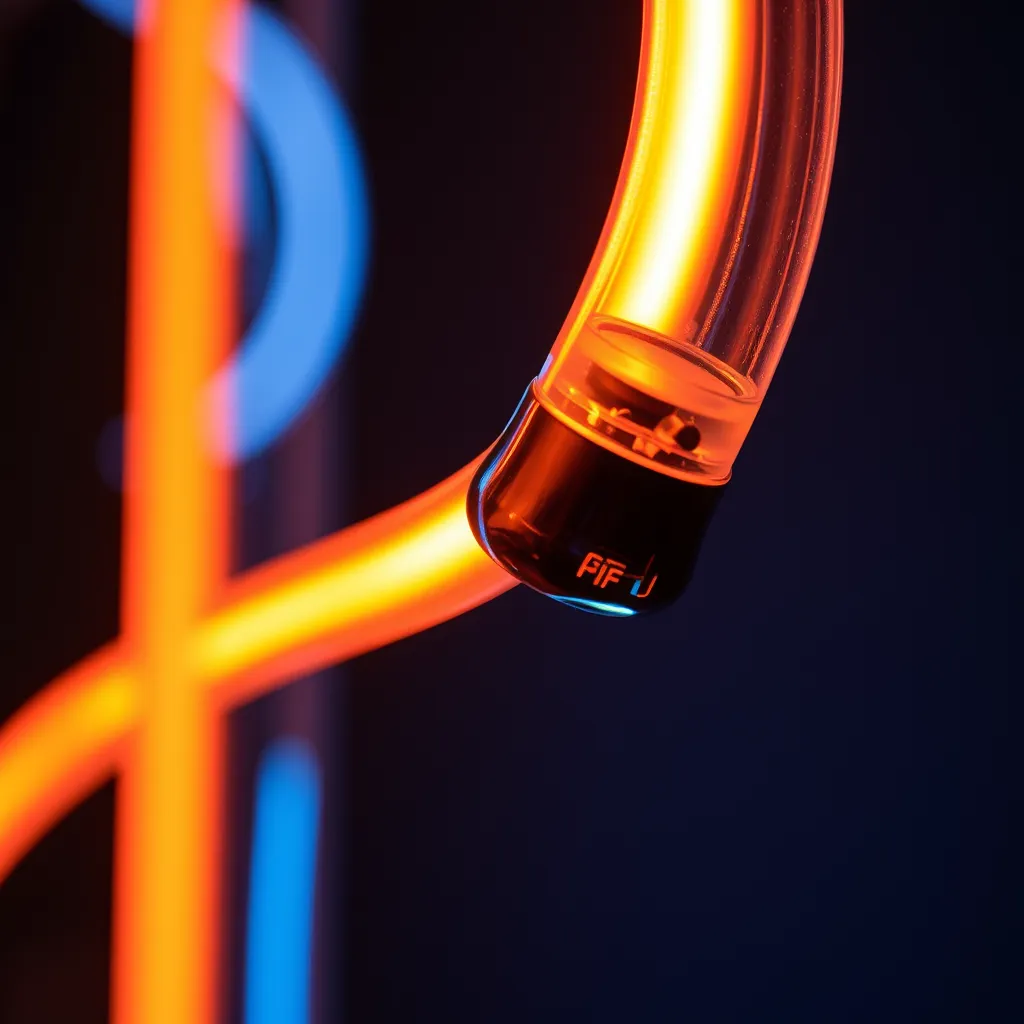
Traditional neon is a cold-cathode gas-discharge lighting system. Artisans heat glass tubing over a ribbon burner or crossfire, bending it into specific shapes while the glass is pliable. Once the shape is formed, the tube is evacuated of air and filled with a noble gas-typically neon (which glows red) or argon (which glows blue or other colors when mixed with mercury vapor and phosphor coatings).
To excite the gas, high-voltage transformers-often stepping up standard line voltage to 3,000-15,000 volts-are required. This high-voltage requirement creates a distinct "buzz" or hum from the transformer and necessitates rigid mounting standards to prevent arcing. Because the light is produced by atomic excitation within a gas, the resulting glow is omnidirectional, meaning it emits light in a 360-degree radius around the tube, creating the characteristic soft halo effect.
How LED Neon Flex Functions
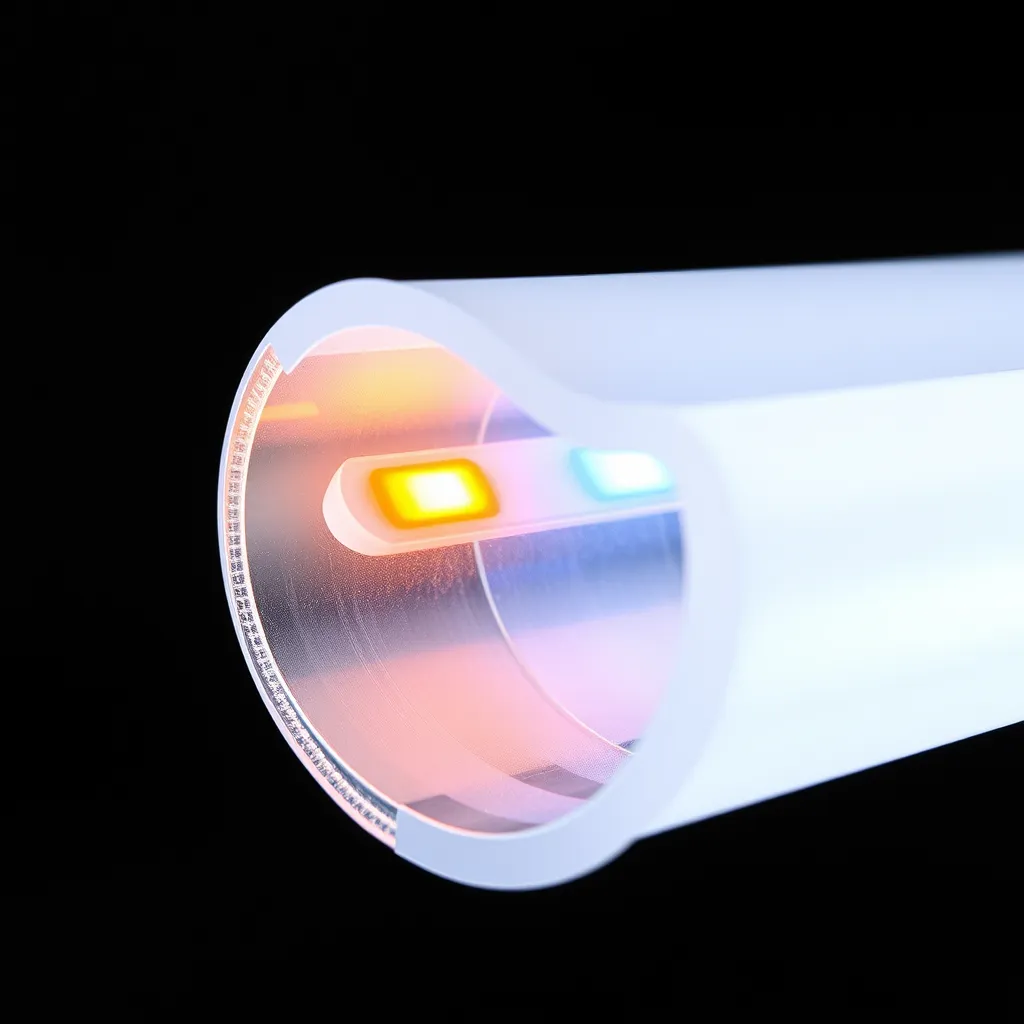
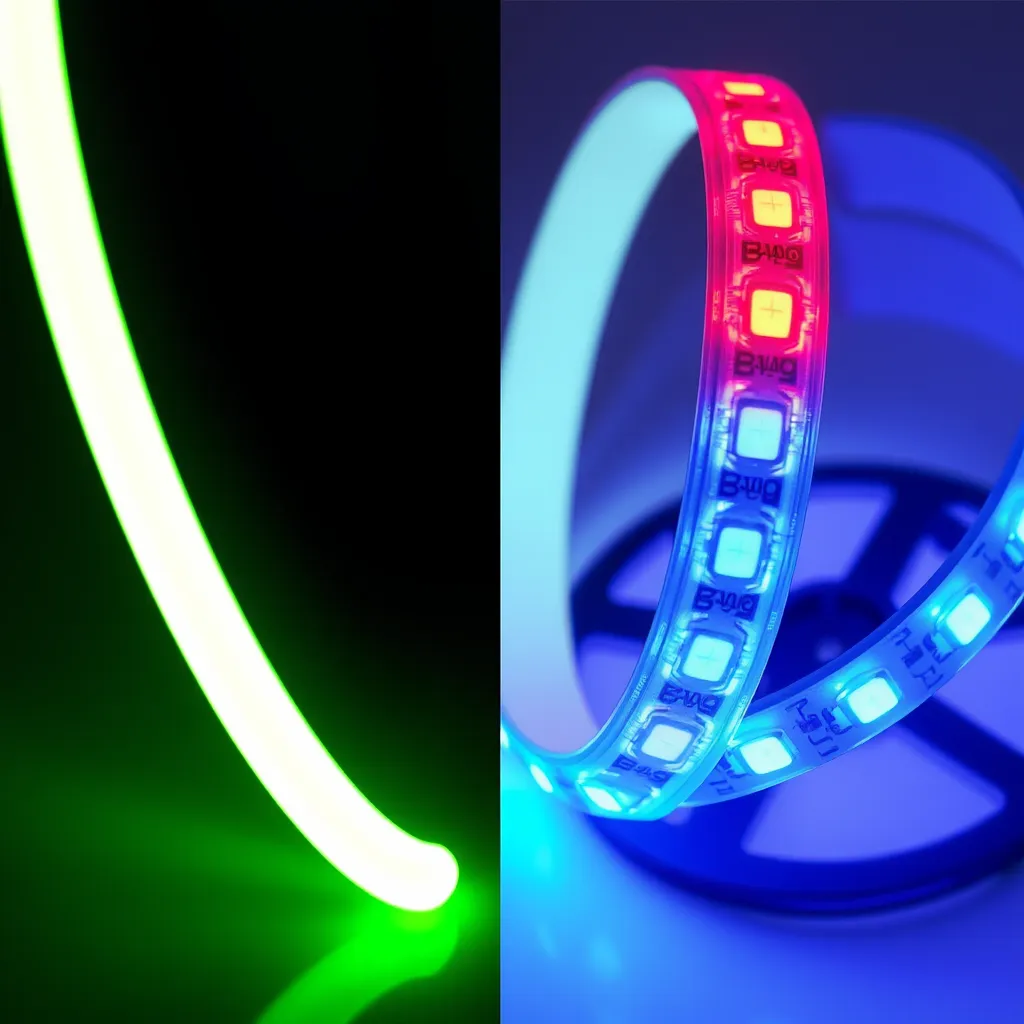
Modern LED neon flex is an engineered product designed to simulate the look of gas-filled tubes using solid-state technology. It consists of a high-density string of surface-mount device (SMD) LEDs mounted on a flexible PCB, which is then encapsulated in a light-diffusing silicone or PVC jacket. This housing acts as a lens, scattering the point-source light of the individual LEDs to create the appearance of a continuous, seamless beam.
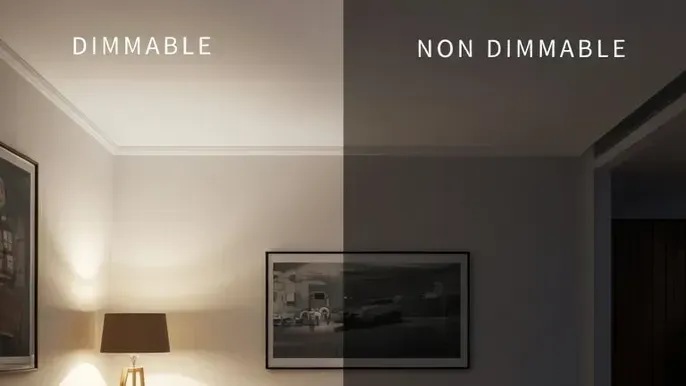
The primary advantage here is efficiency and control. These systems operate on low-voltage DC current (12V or 24V), which eliminates the need for bulky transformers and high-voltage wiring. Because the light source is a semiconductor, it can be dimmed, color-changed (RGB/RGBW), and even programmed to react to music or software inputs, capabilities that are effectively impossible with traditional gas tubes.
Technical Specification Comparison
Characteristic | Glass Neon | LED Neon Flex |
|---|---|---|
Voltage Requirement | 3,000V-15,000V AC | 12V or 24V DC |
Light Distribution | 360-degree (Omnidirectional) | 120-180 degree (Directional) |
Typical Power Draw | 15-30 Watts per meter | 8-12 Watts per meter |
Dimming Capability | Complex (requires specialized dimmers) | Simple (PWM controllers) |
Installation Complexity | Professional-only | DIY-friendly |
Installation and Maintenance Factors
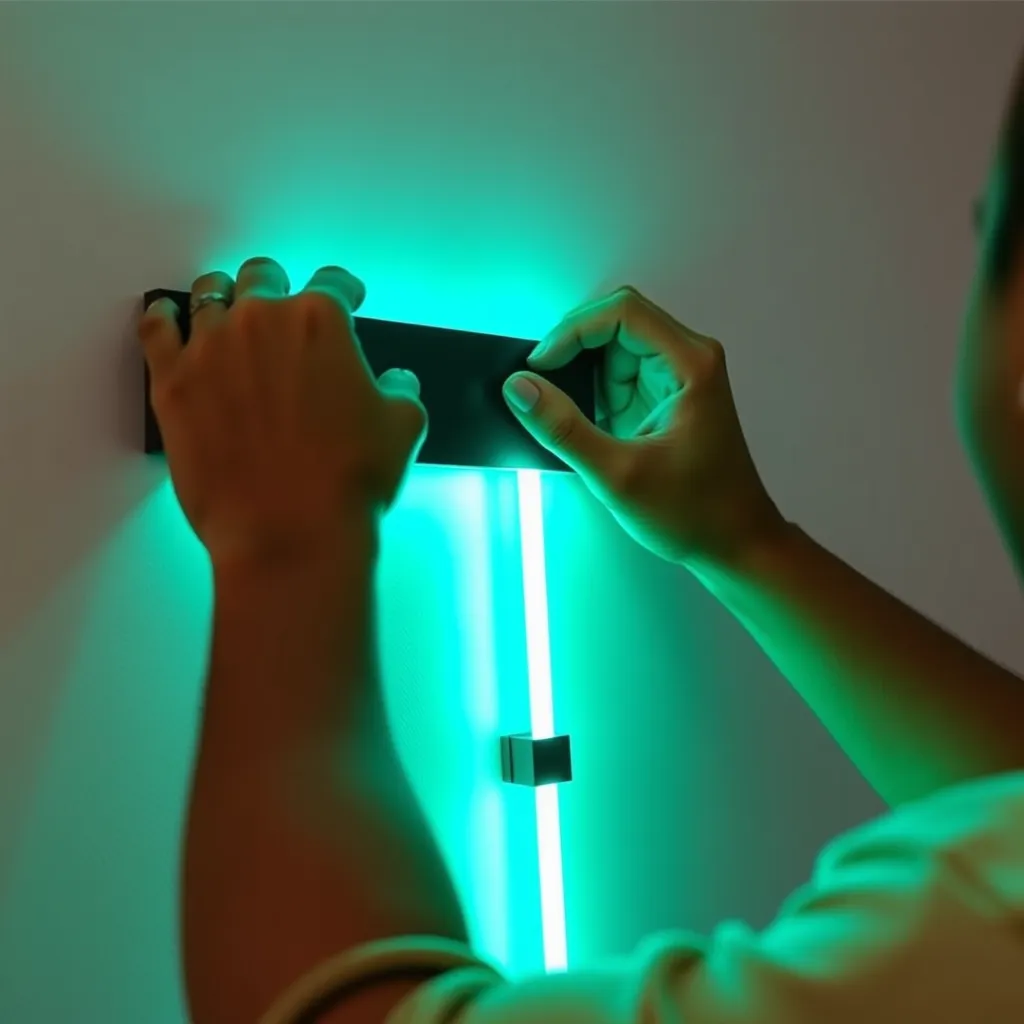
When planning an installation, physical durability is often the deciding factor. Glass neon is inherently brittle; even a minor impact can cause a hairline fracture, leading to gas leakage and total failure of that section. Furthermore, the glass tubes are sensitive to thermal expansion and vibration. For commercial signage in high-traffic areas or residential spaces, the impact resistance of silicone-encased LEDs is a massive practical advantage.
Maintenance cycles also differ drastically. A neon transformer typically lasts 5 to 10 years, and the gas inside the tubes eventually degrades, causing the sign to flicker or dim. Replacing a transformer or re-pumping gas requires a specialized technician. In contrast, LED-based systems have a mean time between failures (MTBF) often exceeding 50,000 hours. If a section of an LED strip fails, it is usually a simple matter of cutting out the damaged segment and soldering in a replacement.
Aesthetic Considerations: The "Glow" Debate
Design purists often argue that LEDs lack the "soul" of traditional glass. This sentiment stems from the way the two sources interact with the environment. Because glass neon is omnidirectional, it casts a wider, softer light that fills the space around the tube. LED neon flex is directional; it emits light primarily from the front face. While manufacturers use diffusing agents in the silicone jacket to minimize "hot spots," the light remains more focused.
If you are aiming for a retro 1950s diner aesthetic, the slight imperfections, the warm color temperature of neon gas, and the physical depth of glass tubes are hard to replicate. However, for modern signage, architectural accent lighting, or dynamic color-changing displays, the precision and versatility of LED technology far outweigh the vintage charm of gas-discharge tubes.
Conclusion:
Choosing between glass neon and LED neon flex comes down to your priorities. Traditional glass delivers an authentic, omnidirectional glow with vintage character, but demands high voltage, professional installation, and ongoing maintenance. LED neon flex offers low-voltage safety, impact resistance, programmable colors, and effortless dimming, making it ideal for modern, dynamic, or DIY projects. If timeless retro charm matters most, glass wins. For versatility, efficiency, and durability, LED is the smarter long-term investment. Match the technology to your installation environment.
Frequently Asked Questions
Q1: Is it possible to dim LED neon?
A: Yes, and it is significantly easier than dimming traditional neon. Because these strips operate on low-voltage DC, you can use standard Pulse Width Modulation (PWM) controllers to adjust brightness. This allows for smooth, flicker-free dimming from 100% down to 1%.
Q2: Can LED neon be used outdoors?
A: High-quality LED neon flex is available with IP65 or IP67 ratings, meaning it is protected against dust and water jets or temporary immersion. Ensure the power supply used for the installation is also rated for outdoor use, as the power connection is the most common point of failure in exterior setups.
Q3: What is the "hot spot" effect in LED neon?
A: Hot spots occur when the individual LED chips inside the silicone housing are visible as bright dots rather than a solid line of light. This usually happens in low-quality products with insufficient diffusion. Always look for "COB" (Chip on Board) LED neon or high-density SMD strips to ensure a uniform appearance.
Q4: Why do some neon signs buzz?
A: The buzzing sound in traditional glass neon comes from the transformer. As the magnetic core inside the transformer vibrates at the frequency of the electrical current, it creates an audible hum. LED neon operates on DC power, which is silent, making it the better choice for quiet environments like bedrooms or home offices.