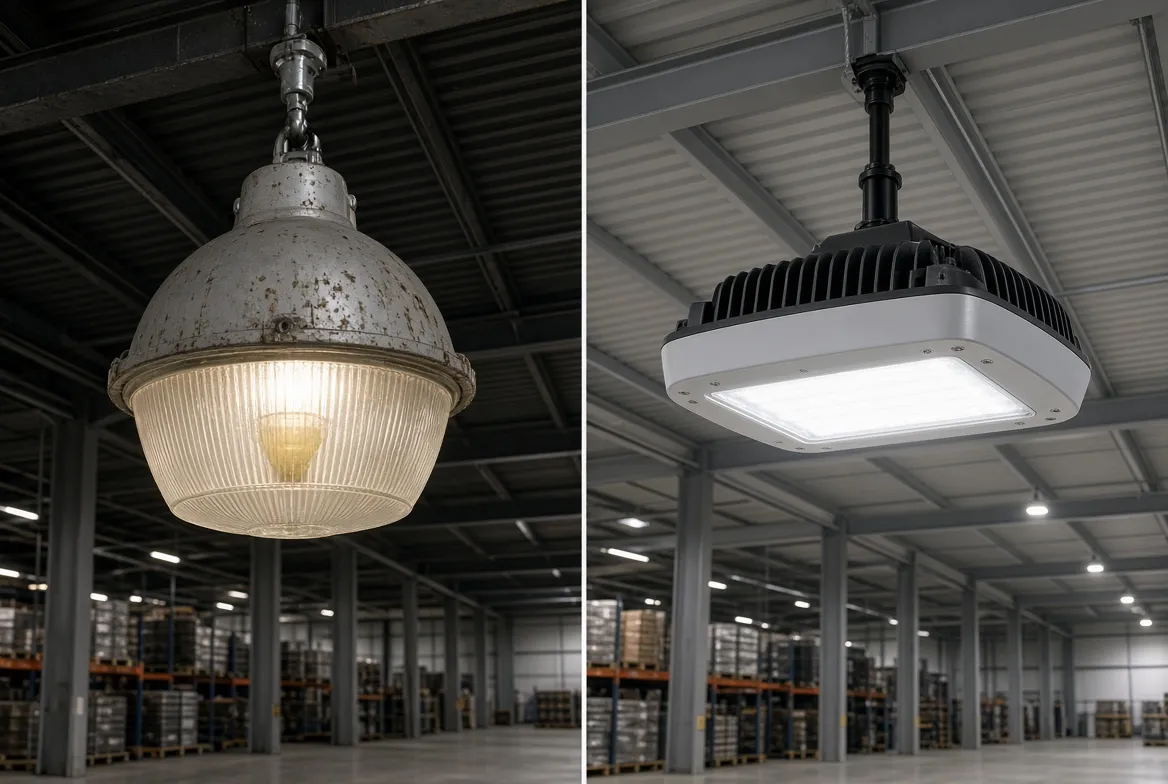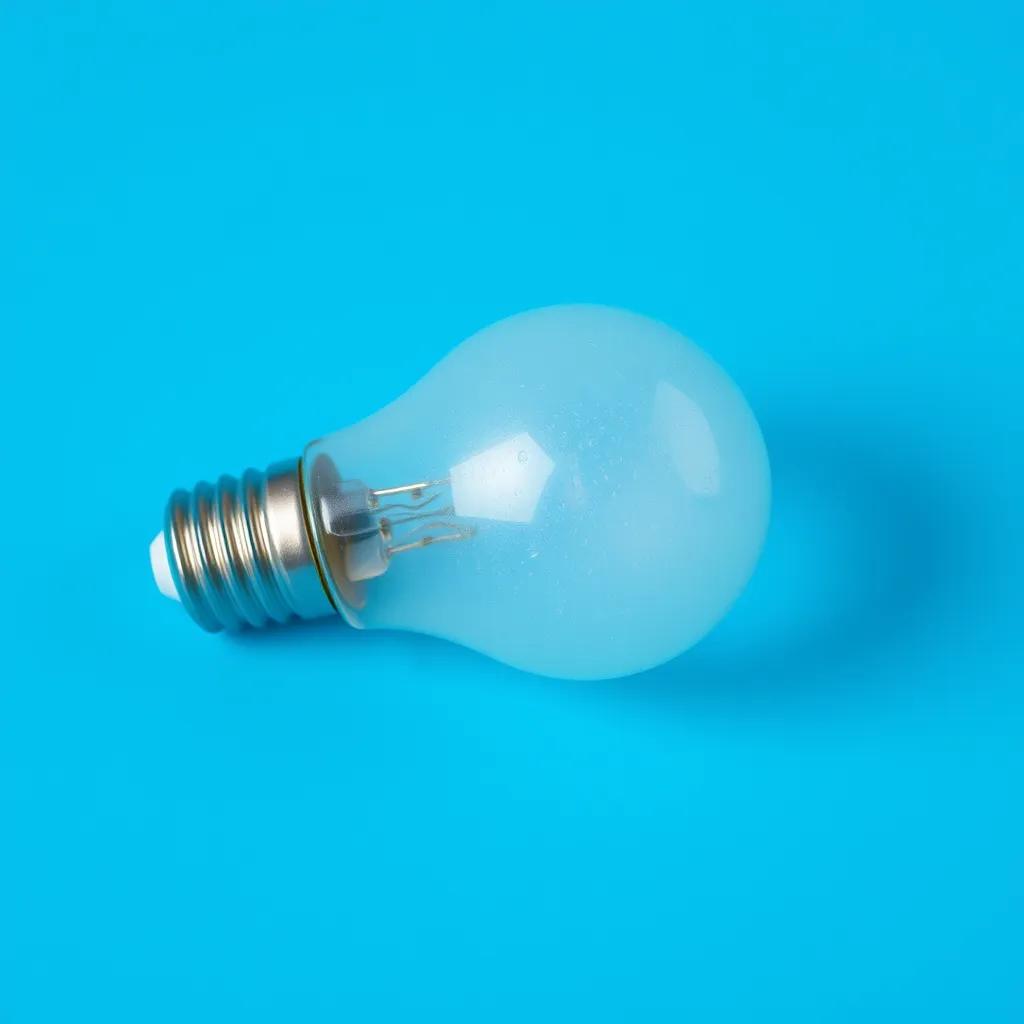
LED bulbs beat CFL (compact fluorescent) bulbs in nearly every category that matters. For the same brightness, LEDs use less energy - an 800-lumen bulb draws about 8-10W as an LED versus 13-15W as a CFL, roughly 30-50% less - last 3-5 times longer, contain no mercury, turn on instantly at full brightness, dim far more smoothly, and render color better. CFL's one lingering edge was a lower price, but LED bulbs now sell for about $1-$3, erasing that gap. For any new bulb today, LED is simply the better choice.
CFLs were an important bridge in the 2000s, delivering about 75% energy savings over incandescent back when LEDs were still pricey and limited. Now that LEDs cost about the same and outperform on everything else, there's no real reason to buy a CFL for a new installation.
Head-to-Head Comparison
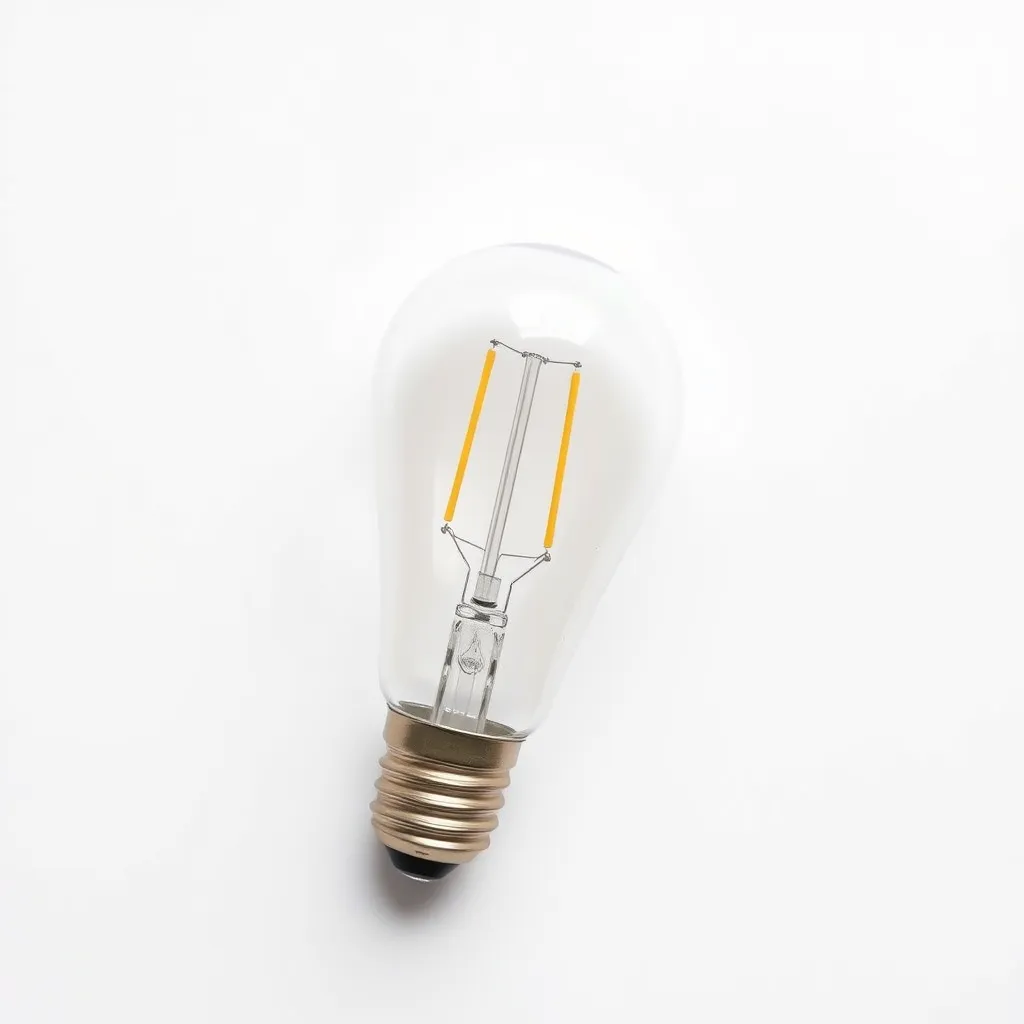
Feature | LED | CFL |
|---|---|---|
Energy use (800 lumens) | 8-10W | 13-15W |
Lifespan | 25,000-50,000 hrs | 8,000-10,000 hrs |
Warm-up time | Instant | 30 seconds to 3 minutes |
Mercury | None | ~4 mg per bulb |
CRI | 80-97 | 70-85 |
Dimmable | Yes (most models) | Limited (special models only) |
Cold weather | Unaffected | Slow start, reduced output |
Bulb cost | $1-$3 | $1-$4 |
Disposal | Regular trash (recycling preferred) | Hazardous waste (mercury) |
Why LED Beats CFL
No mercury
Every CFL seals about 4 mg of mercury inside the tube. Break one and mercury vapor escapes into the air - the EPA recommends airing out the room and following a specific cleanup routine. That's a real concern in kids' rooms and kitchens. LEDs contain no mercury, so they're safe to handle if they break and far simpler to throw away.
Instant full brightness
CFLs need 30 seconds to 3 minutes to reach full brightness, because the mercury vapor inside has to warm up before it fluoresces - and in a cold garage or outdoor fixture that can stretch past 5 minutes. LEDs hit 100% brightness in under 0.1 seconds, cold or not, which makes them the obvious pick anywhere you want light the instant you flip the switch.
Better dimming
CFL dimming is a weak spot: most aren't dimmable at all, and the few that are dim poorly - narrow range, flicker at low settings, and color shifts. Dimmable LEDs are everywhere and dim smoothly from 100% down to 5-10% on a compatible dimmer, with higher-end models even shifting warmer as they dim, the way an incandescent does.
Longer lifespan
LEDs last 3-5 times longer than CFLs. At 3 hours a day, a CFL lasts roughly 7-9 years while an LED runs 22-45 years. The gap is even wider in spots with lots of on/off switching - bathrooms, closets - which wears CFLs out fast but barely touches LEDs.
Cold-weather performance
CFLs start slowly and run dimmer in the cold; LEDs are essentially unaffected, which is why LED has taken over garages, porches, and outdoor fixtures.
Are CFLs Being Phased Out?
Yes - though it helps to be precise about how. The current U.S. standard (a minimum of 45 lumens per watt for general-service lamps, enforced from 2023) is what ended most incandescent and halogen bulbs - but CFLs actually pass it, since they manage roughly 50-70 lm/W. What's pushing CFLs out is a mix of newer, stricter rules and the market:
The U.S. Department of Energy has moved toward a higher 120-lumens-per-watt standard - a bar only LEDs can clear, not CFLs - set to phase CFLs out federally around 2028.
Several states have banned CFL sales over their mercury content, including Vermont (2023) and California (2024), with more following.
The EU and UK phased out most CFLs around 2023, driven largely by mercury restrictions rather than efficiency.
Major makers - Signify (Philips), GE, and Sylvania - have shifted production almost entirely to LED, so CFL choices on shelves keep shrinking.
Either way, the bottom line is the same: CFL is a legacy technology on its way out.
Conclusion
Side by side, LED wins on energy, lifespan, safety, startup, dimming, and cold-weather performance - and now matches CFL on price. CFLs did their job as a stepping stone away from incandescent, but with LEDs cheap and better in every other way, there's no reason to choose CFL for a new bulb. The only open question is whether to swap out CFLs you already own, which comes down to where they are and how well they're working.
Frequently Asked Questions
Q1: Should I replace working CFLs with LEDs?
If a CFL is working fine in a low-stakes spot, you can just wait for it to burn out and put an LED in then. But if it's on a dimmer, in a cold area, in a frequently switched room (bathroom, closet), or somewhere you want better light, switching now is an instant upgrade. The pure energy savings are modest - on the order of $1 a year for swapping a single 13W CFL for a 9W LED - so it's mostly about light quality and convenience.
Q2: How do I dispose of CFL bulbs safely?
Because CFLs contain mercury, don't toss them in regular trash. Take them to a household hazardous-waste site or a participating retailer (Home Depot and Lowe's accept used CFLs in many areas). If one breaks, air out the room for about 10 minutes, scoop up the fragments with stiff paper or cardboard (never a vacuum), seal everything in a bag or jar, and bring it to a hazardous-waste facility.
Q3: Is there any situation where CFL still beats LED?
Not really. LED now matches or beats CFL on every meaningful measure, including price ($1-$3 a bulb). With better light quality, longer life, no mercury, instant brightness, and smoother dimming, LED is the better choice for every job CFL used to do.