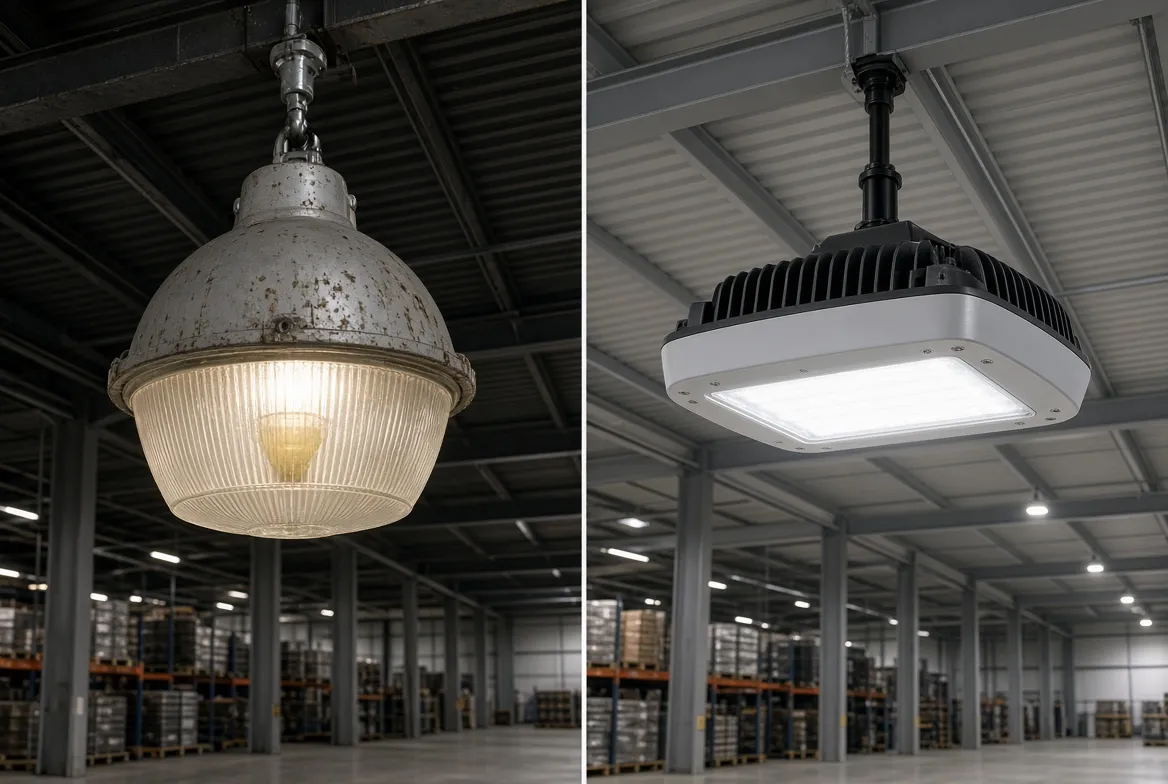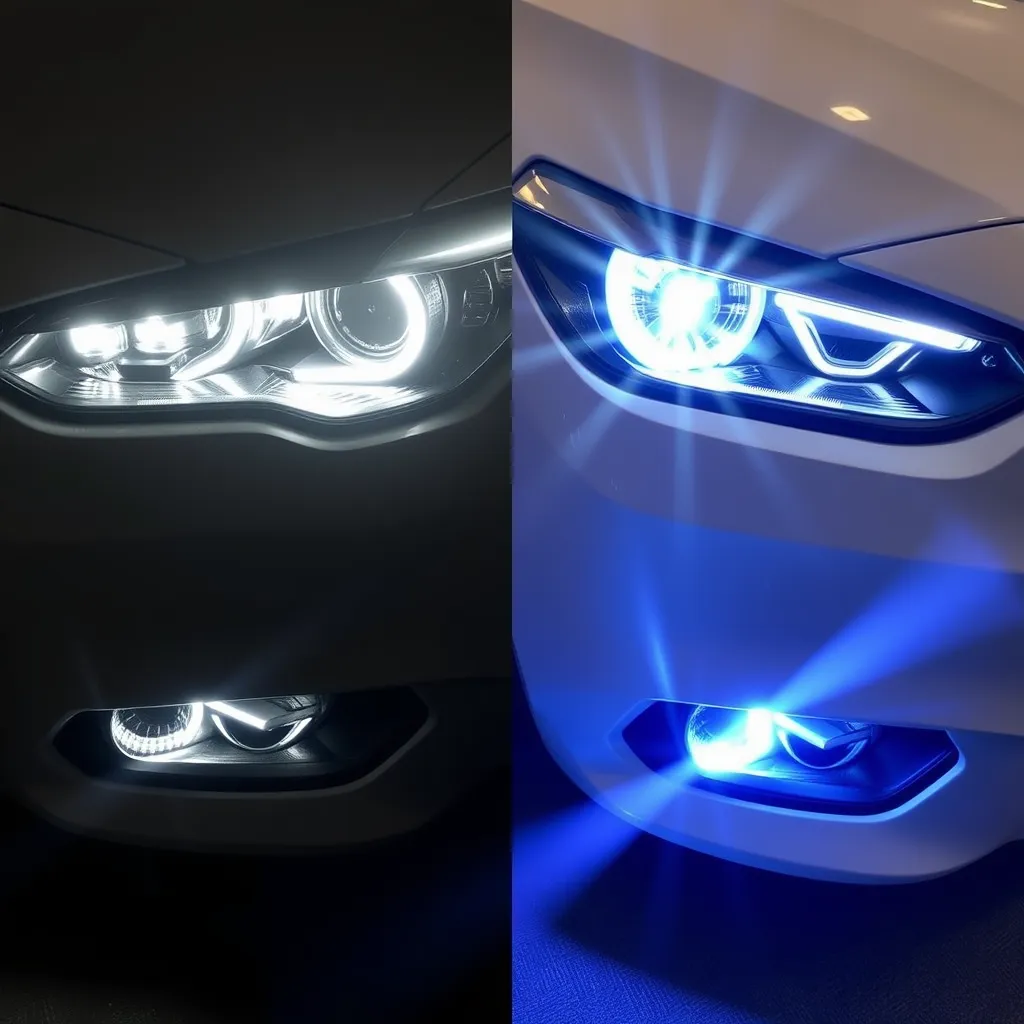
For decades, High-Intensity Discharge (HID) lighting, specifically utilizing xenon gas, represented the pinnacle of illumination technology. Introduced to the automotive market in the early 1990s, it offered a stark improvement over the yellow, dim glow of halogen bulbs. However, the rise of Light Emitting Diodes (LEDs) has fundamentally altered the landscape. While both technologies provide high-quality light, they operate on entirely different physical principles, resulting in significant differences in efficiency, longevity, and performance.
Xenon lighting relies on an electrical arc jumping between two electrodes within a quartz tube filled with xenon gas and metal salts. This process creates a brilliant, high-intensity glow but requires a high-voltage "kick" to start. Conversely, LEDs are semiconductors that emit light through electroluminescence-a process where electrons recombine with holes within the device, releasing energy in the form of photons. This solid-state approach eliminates the need for fragile glass tubes and volatile gases.
Technical Specifications and Performance Metrics
To understand why the industry has largely shifted toward solid-state solutions, it is necessary to examine the raw data. The following table breaks down the primary performance characteristics of both technologies in a standard automotive or high-output setting.
Performance Metric | Xenon (HID) | LED (Solid-State) |
|---|---|---|
Luminous Efficacy | 80-100 lumens per watt | 100-150+ lumens per watt |
Operating Lifespan | 10,000-15,000 hours | 30,000-50,000+ hours |
Start-up Time | 5-15 seconds (warm-up required) | Instantaneous (nanoseconds) |
Power Consumption | 35W - 55W (standard) | 15W - 30W (equivalent output) |
Color Rendering Index (CRI) | 70 - 85 | 80 - 98 (highly variable) |
Heat Generation | High (emitted as IR radiation) | Low (conductive heat at the base) |
Vibration Resistance | Moderate (fragile quartz tube) | High (no moving parts or glass) |
Physics of Light Production: Arc vs. Semiconductor
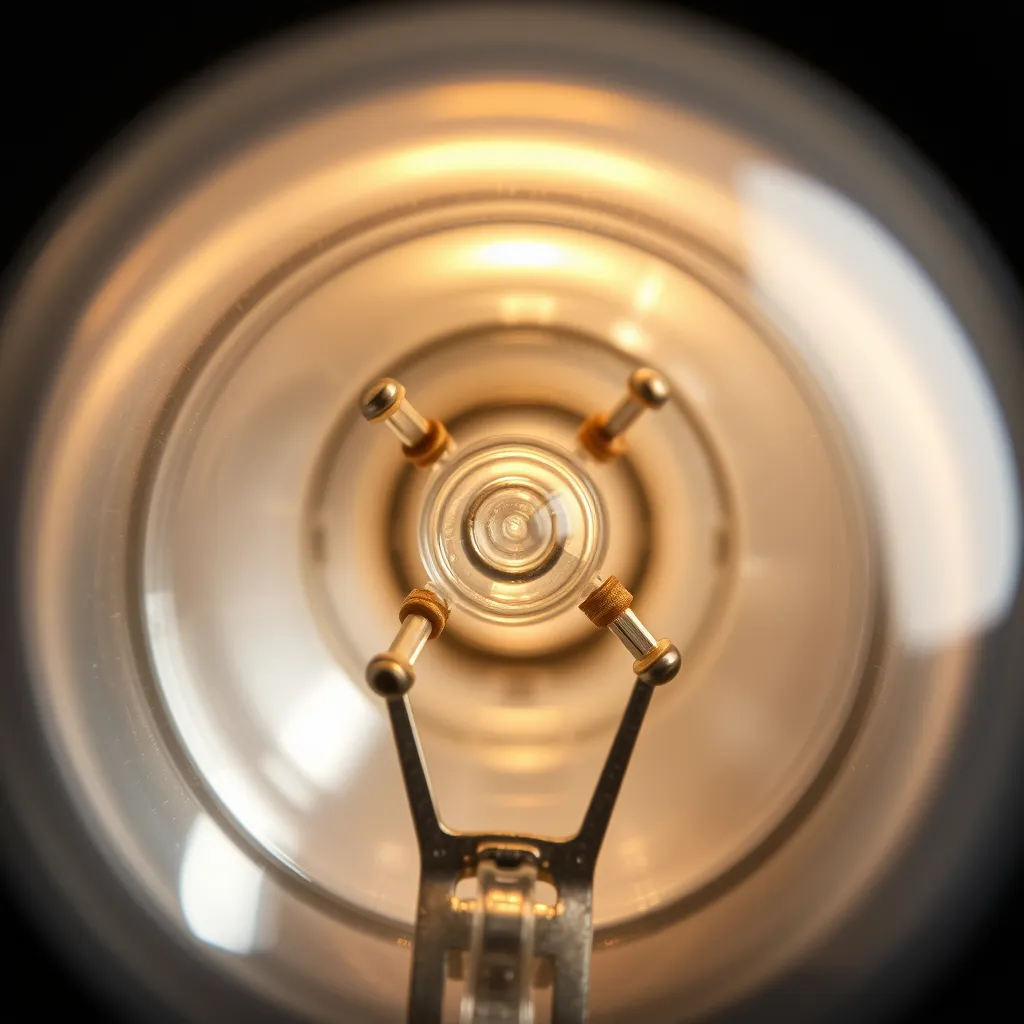
The mechanism behind xenon lighting is essentially a controlled bolt of lightning. A ballast-an external electronic control unit-converts the vehicle's 12V DC power into a massive 20,000V+ pulse to ionize the xenon gas. Once the arc is established, the ballast settles into a lower-voltage operating state. This high-voltage requirement makes the systems more complex and prone to failure at the connection points or within the ballast itself.
LEDs function without any gas or high-voltage arcs. They utilize a P-N junction, where an N-type semiconductor (with extra electrons) meets a P-type semiconductor (with extra "holes"). When current flows, electrons jump across the junction, dropping into a lower energy state and releasing a photon. Because this happens at the atomic level within a solid material, there is no "burn out" in the traditional sense. Instead, the light output slowly degrades over decades, a process known as lumen depreciation.
Automotive Applications and Beam Control
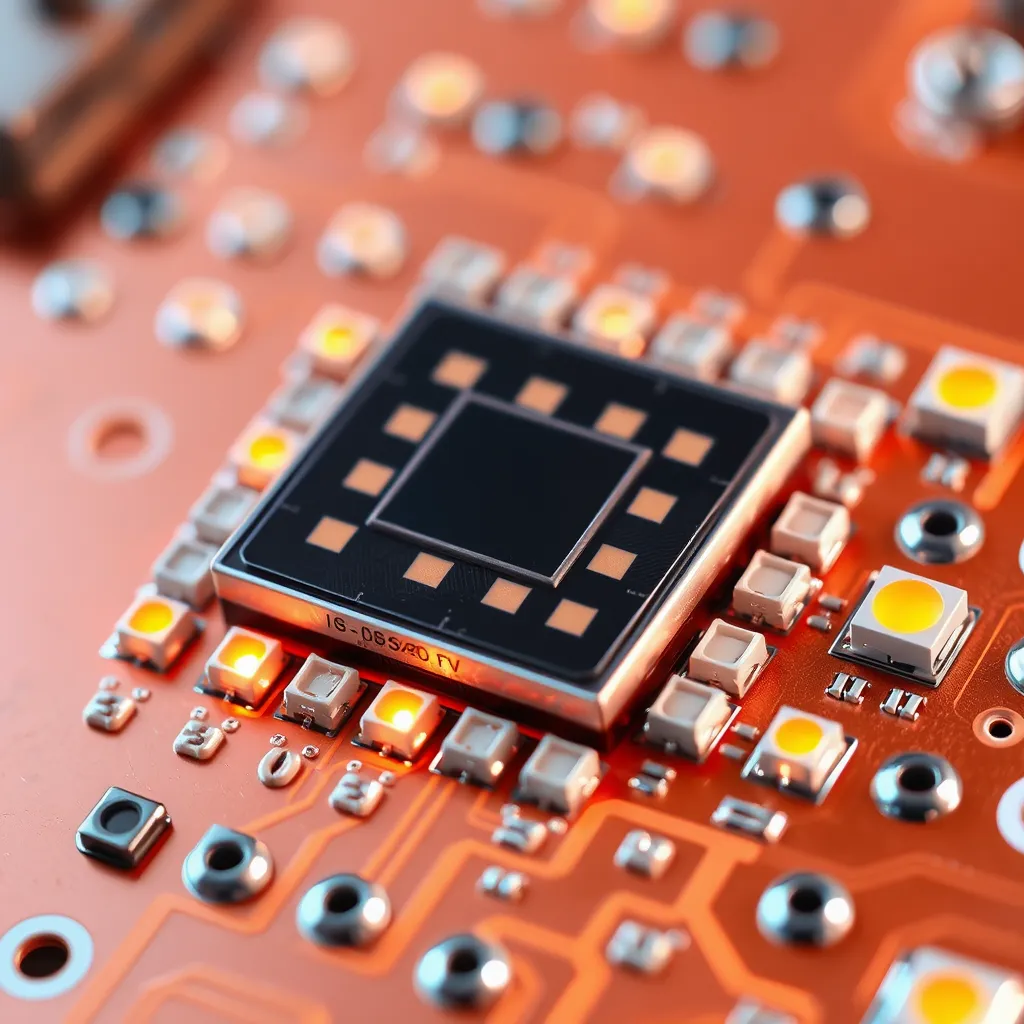
In the context of a Xenon vs LED Light: Full Comparison, the automotive sector provides the most practical insights. For years, xenon was the gold standard for luxury vehicles because it could project light much further than halogen. However, xenon bulbs are "point sources" that emit light in 360 degrees. This requires large, complex reflectors or heavy projector lenses to aim the light onto the road and prevent blinding other drivers.
LEDs are directional. They emit light in a specific arc (usually 120 degrees), allowing engineers to place multiple small diodes in a specific pattern. This has led to the development of Matrix LED and Adaptive Driving Beam (ADB) technology. In these systems, a camera detects oncoming cars and turns off individual LEDs within the headlight housing, effectively "carving out" a shadow around the other vehicle while keeping the high beams active everywhere else. This level of precision is physically impossible with a single xenon arc lamp.
Warm-up Time and Safety
One of the most significant functional differences is the "strike" time. Xenon bulbs require several seconds to reach their full operating temperature and color. This is why many older cars used a "bi-xenon" setup (a mechanical shutter) or a separate halogen bulb for high-beam flashing. LEDs reach full brightness in microseconds. This provides a safety advantage, particularly for brake lights and high beams, where every millisecond of visibility counts during emergency maneuvers.
Thermal Management
A common misconception is that LEDs do not produce heat. While they do not emit infrared (IR) heat in the light beam like xenon or halogen bulbs, they generate significant heat at the junction where the chip is mounted. If this heat is not dissipated, the LED will fail prematurely. This is why high-quality LED conversions feature large aluminum heatsinks, copper heat pipes, or even active cooling fans. Xenon bulbs, by contrast, get extremely hot at the glass surface, which can lead to the degradation of the plastic reflectors inside the headlight housing over time.
Performance in Cinema and Professional Projection
While LEDs have won the battle for general and automotive lighting, the cinema industry tells a different story. High-end movie theaters still rely heavily on xenon arc lamps. The reason lies in the sheer volume of light required to fill a 60-foot screen. A 6,000-watt xenon lamp can produce upwards of 30,000 lumens from a very small, concentrated point, which is ideal for the optics of a projector.
LED-based projectors exist, but they are generally limited to home theaters or smaller meeting rooms. For the ultra-high-brightness levels required in commercial cinemas, the industry is moving toward Laser Phosphor or RGB Laser projection rather than standard LED arrays. Laser offers the same instant-on and long-life benefits of LED but with the concentrated intensity required to match or exceed xenon's output.
Retrofitting and Compatibility Issues
Many owners of older vehicles consider upgrading their factory xenon systems to LED. While the benefits are clear, the process is not always a simple bulb swap.
Optical Alignment: Most xenon housings use a projector lens designed specifically for the arc position of an HID bulb. Because LEDs are flat chips mounted on a central pillar, they may not sit at the exact focal point of the lens, leading to a "patchy" beam pattern or excessive glare.
CANbus Errors: Modern vehicles monitor the electrical resistance of the lighting circuit. LEDs draw significantly less power than a 35W xenon bulb. The car's computer may interpret this as a "bulb out" condition, triggering a dashboard warning. Resistors or "decoders" are often necessary to mimic the original load.
Physical Clearance: The rear of a xenon bulb is relatively slim, but an LED replacement includes a heatsink and often a cooling fan. In many compact housings, there may not be enough room to fit the LED and still close the weather-sealing dust cap.
Energy Efficiency and Environmental Impact
From an environmental perspective, the comparison leans heavily in favor of the semiconductor. LEDs are approximately 30-50% more efficient than xenon HIDs. In an electric vehicle (EV), this efficiency translates directly into range; using less power for illumination leaves more energy for the motors.
Furthermore, xenon bulbs contain trace amounts of mercury and xenon gas under high pressure. While the amounts are small, they require specific disposal methods. LEDs are made from standard electronic components and contain no toxic gases, making them much easier to recycle and less hazardous if a bulb breaks during an accident.
Cost Analysis: Initial Investment vs. Long-term Value
Historically, xenon bulbs were the expensive option, often costing $100 or more per bulb from a dealership. Today, a high-quality pair of LED bulbs may cost more upfront than budget xenon bulbs. However, when calculating the total cost of ownership, LEDs are significantly cheaper.
Consider a vehicle driven for 100,000 miles. A xenon system might require two bulb replacements and potentially a ballast replacement. An LED system, if properly cooled, will likely last the entire life of the vehicle. For commercial applications, the labor cost of replacing a single HID bulb often exceeds the cost of the bulb itself, making the 50,000-hour lifespan of LED a massive financial advantage.
Summary of the Comparison
Xenon remains a capable technology for those who already have it. It provides a high-quality, high-CRI light that is far superior to halogen. However, for any new installation or upgrade where compatibility is not an issue, LED is the superior choice. It offers better efficiency, instant activation, more sophisticated beam control, and a lifespan that makes "changing a bulb" a thing of the past.
The only remaining stronghold for xenon-ultra-high-output cinema projection-is being eroded by laser technology, meaning the era of gas-discharge lighting is rapidly drawing to a close.
Conclusion:
While xenon technology provided a necessary bridge between halogen and the modern era, its limitations in warm-up time and energy consumption have made it a niche choice. LEDs have not only matched the raw power of HID systems but have surpassed them by offering superior beam control and significantly lower maintenance requirements over time.
When deciding between the two, consider the total cost of ownership. The upfront price of LED components is now comparable to xenon, yet the extended lifespan means you will likely never replace the bulb again. For those in specialized fields like cinema, keep an eye on laser projection as it begins to phase out the final stronghold of xenon arc lamps.
Frequently Asked Questions
Q1: Can I put LED bulbs in a projector housing designed for xenon?
A: Yes, but with caveats. You must ensure the LED chips are positioned in the exact same location as the xenon arc to maintain the correct beam pattern. Look for "360-degree" LEDs or those with very thin PCBs to minimize the "dark spot" in the projection. If the beam pattern is scattered, you may actually lose visibility despite the LED being "brighter."
Q2: Why do some people still prefer the look of xenon?
A: Xenon HIDs have a very specific "flicker" and color shift when they first turn on, moving from a deep blue to a crisp white. Some enthusiasts prefer this aesthetic. Additionally, high-quality xenon bulbs (like those from Osram or Philips) often have a very high Color Rendering Index (CRI), which can make colors appear more natural than cheap, low-end LED replacements.
Q3: Do LED headlights melt snow and ice like xenon bulbs do?
A: This is a genuine concern in cold climates. Xenon bulbs emit significant heat from the front of the bulb, which warms the headlight lens and melts snow. LEDs stay cool at the front and hot at the back. Some high-end OEM LED headlights now include heating elements in the lens specifically to solve this problem, but most aftermarket LED bulbs do not.