LED light bulbs use 75-80% less energy than incandescent bulbs for the same brightness and last 25 to 50 times longer. An 800-lumen LED (10W) replaces a 60W incandescent, saving $9 per bulb annually at average U.S. electricity rates. LEDs also generate significantly less heat - a critical advantage in enclosed fixtures and warm climates. Incandescent bulbs maintain a single advantage: a perfect CRI of 100, which some professionals prefer for color-critical work. For all other purposes, LED is the superior choice in energy efficiency, lifespan, safety, and total cost of ownership.
The global transition from incandescent to LED is effectively complete. U.S., EU, Canadian, and Australian regulations now prohibit the manufacture and sale of most standard incandescent household bulbs. LED bulbs at $1-$3 each are now comparable in price to the incandescent bulbs they replaced, removing the last barrier to universal adoption.
Key Differences
Feature | Incandescent | LED |
|---|---|---|
Energy use (800 lumens) | 60W | 8-10W |
Lifespan | 750-1,000 hours | 25,000-50,000 hours |
10-year cost per bulb | ~$115 (energy + replacements) | ~$15 (energy + bulb) |
Heat output | 90% of energy wasted as heat | 15-20% heat |
CRI | 100 | 80-97 |
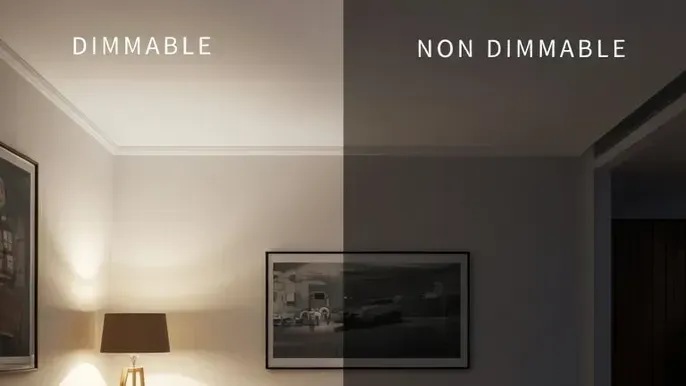
Dimmable | Yes (all) | Yes (most) |
Available for purchase (U.S.) | Specialty types only | All types widely available |
How They Produce Light Differently
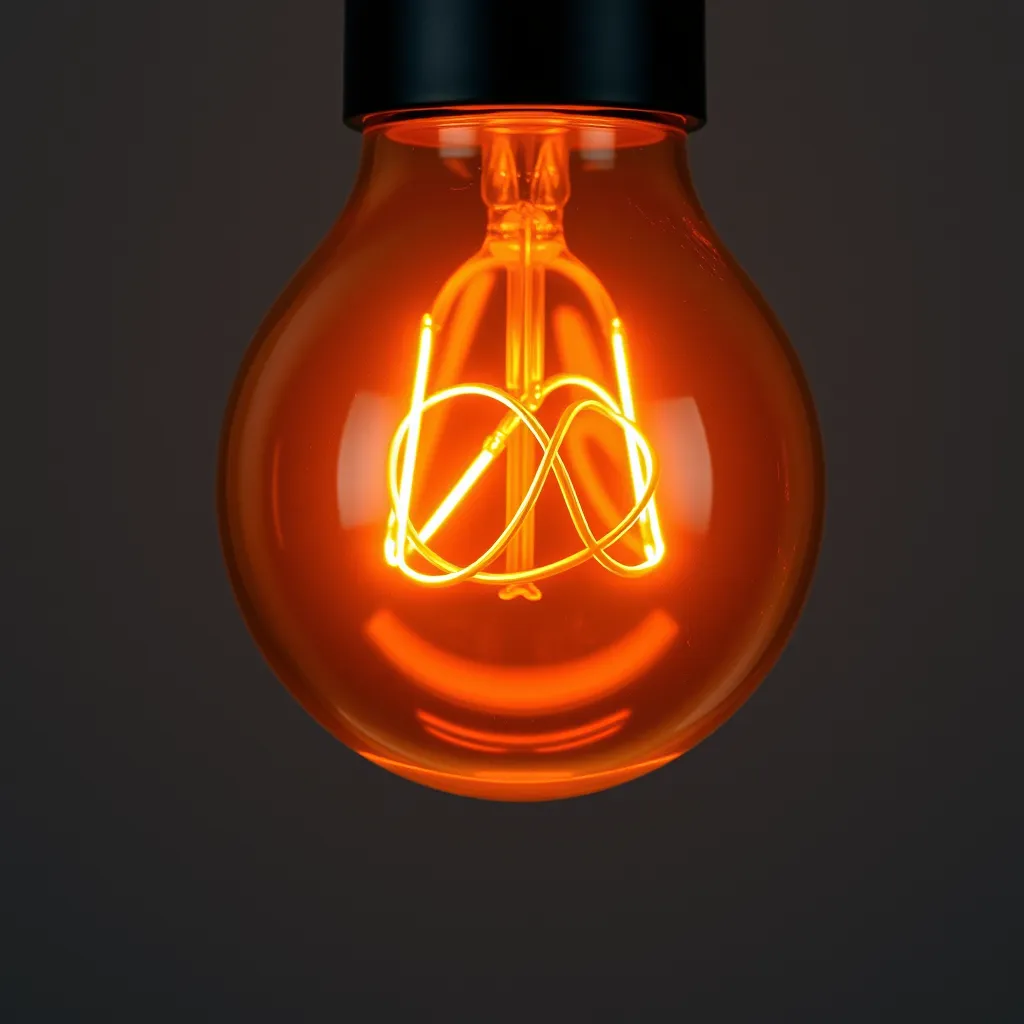
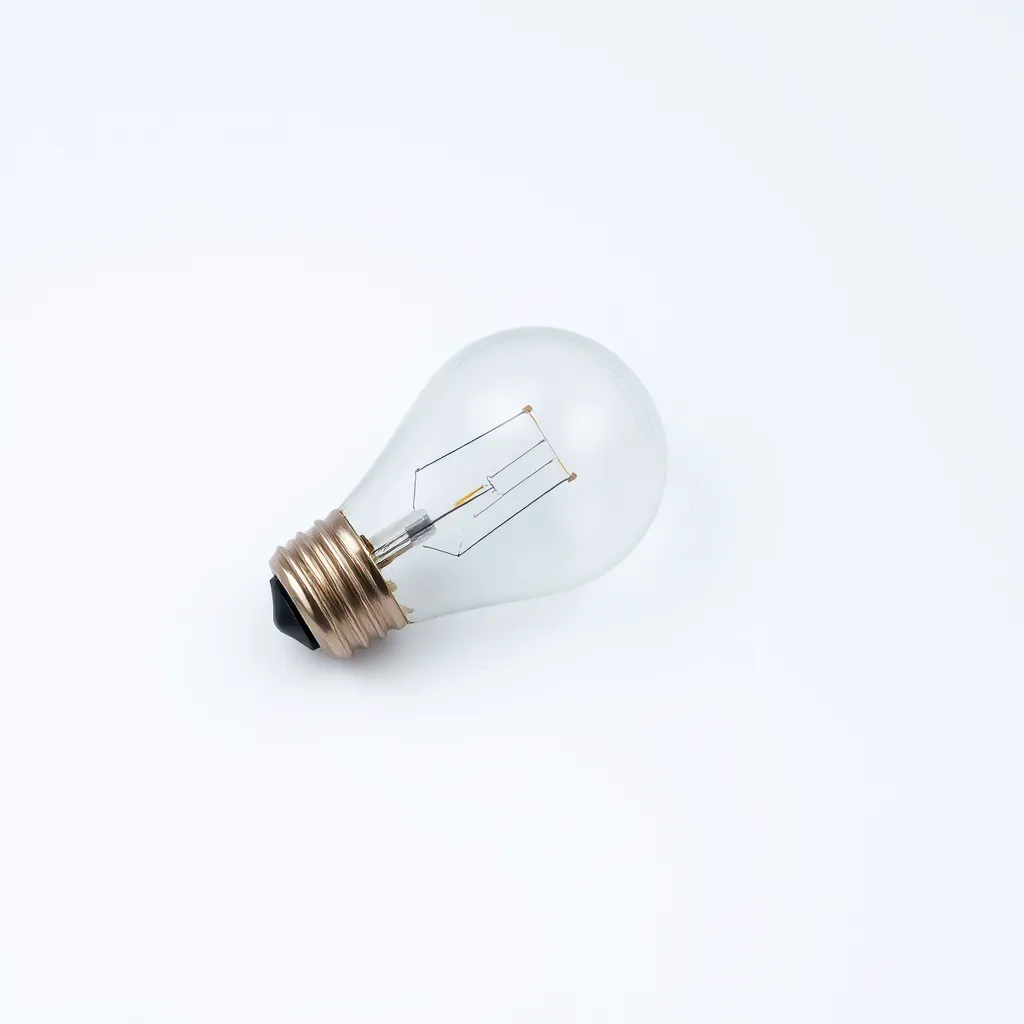
Incandescent bulbs produce light through thermal radiation. Electrical current heats a thin tungsten filament to about 4,600°F, at which point it glows white-hot and emits visible light across the full spectrum. This continuous spectrum is why incandescent light looks warm and renders colors perfectly (CRI 100). The drawback is that 90% of the energy is emitted as infrared heat, not visible light.
LED bulbs produce light through electroluminescence. When current passes through a semiconductor, electrons release energy as photons at specific wavelengths. A blue LED chip coated with yellow phosphor produces white light. This process is fundamentally more efficient because it converts electricity directly to light without needing extreme temperatures. Commercial LEDs achieve 40-50% electrical-to-light efficiency versus about 5% for incandescent.
Cost Analysis: 10-Year Comparison
For one socket running 3 hours per day at $0.16/kWh over 10 years: an incandescent bulb costs about $10.50/year in electricity plus 10+ bulb replacements ($10-$20 total), totaling approximately $115-$125. An LED bulb costs about $1.40/year in electricity plus one $2 bulb that lasts the entire 10 years, totaling approximately $16. The LED saves roughly $100 per socket over 10 years. A 30-socket home saves approximately $3,000 over a decade by using LED throughout.
Conclusion:
The transition from incandescent to LED represents one of the simplest and most effective ways to reduce household energy consumption. While the nostalgia for the warm glow of a tungsten filament remains, modern LED technology has largely solved the early issues of harsh colors and poor dimming. By choosing bulbs with high CRI ratings and the appropriate color temperature, you can maintain the aesthetic of your home while drastically lowering your utility bills.
Moving forward, the focus is shifting from simple replacement to smart integration. As you swap out your remaining traditional bulbs, consider selecting dimmable or smart-enabled LEDs that allow for greater control over your environment. This not only maximizes your cost savings but also ensures your lighting setup is ready for the next generation of home automation and energy efficiency standards.
Frequently Asked Questions
Do LED bulbs really last 25 years?
At rated usage of 3 hours per day, a 25,000-hour LED lasts about 22 years. At 8 hours per day, it lasts about 8.5 years. The rated lifespan represents L70 - the point at which brightness has declined to 70% of original. The bulb continues to work past L70, just dimmer. Real-world lifespan depends heavily on heat: bulbs in well-ventilated fixtures last longer than those in enclosed fixtures or recessed cans without airflow.
Can I still buy incandescent bulbs?
Standard household incandescent bulbs (A19 40W/60W/75W/100W) are no longer manufactured or sold in the U.S. due to DOE efficiency standards. Some specialty incandescent bulbs remain available: appliance bulbs (oven, refrigerator), rough-service bulbs, three-way bulbs, and certain decorative shapes. These exemptions are narrowing over time. For standard household lighting, LED is now the only option at retail.
Why do some people prefer incandescent light?
Nostalgia and habit play a role, but there are two legitimate technical preferences. First, incandescent's CRI 100 makes colors look absolutely accurate - professional painters, photographers, and colorists may notice the difference versus CRI 90 LED. Second, incandescent dimming naturally shifts from white to warm amber, creating a candle-like glow at low settings that standard LEDs do not replicate (though "warm dim" LEDs now address this). For most people, modern 2700K CRI 90+ LED bulbs are visually indistinguishable from incandescent in everyday use.