The terms "LED" and "UV" are often used interchangeably or confused, especially when discussing products like nail lamps or sanitizers. However, they describe fundamentally different aspects of light. Understanding this distinction is crucial for making informed choices about lighting products, whether for everyday illumination, specialized curing, or disinfection applications.
At its core, LED (Light Emitting Diode) refers to a technology-a highly efficient method of producing light using semiconductor devices. UV (Ultraviolet), on the other hand, describes a specific type of light-a segment of the electromagnetic spectrum that is invisible to the human eye. The confusion typically arises because LED technology can be engineered to produce various types of light, including visible light (which we use for illumination) and ultraviolet light (for specialized purposes).
This article will clarify the relationship between LED technology and UV light, explore their distinct characteristics, delve into their practical applications, and highlight important safety considerations. By the end, you'll have a clear understanding of what each term means and how they interact in the world of modern lighting.
Understanding Light: The Electromagnetic Spectrum
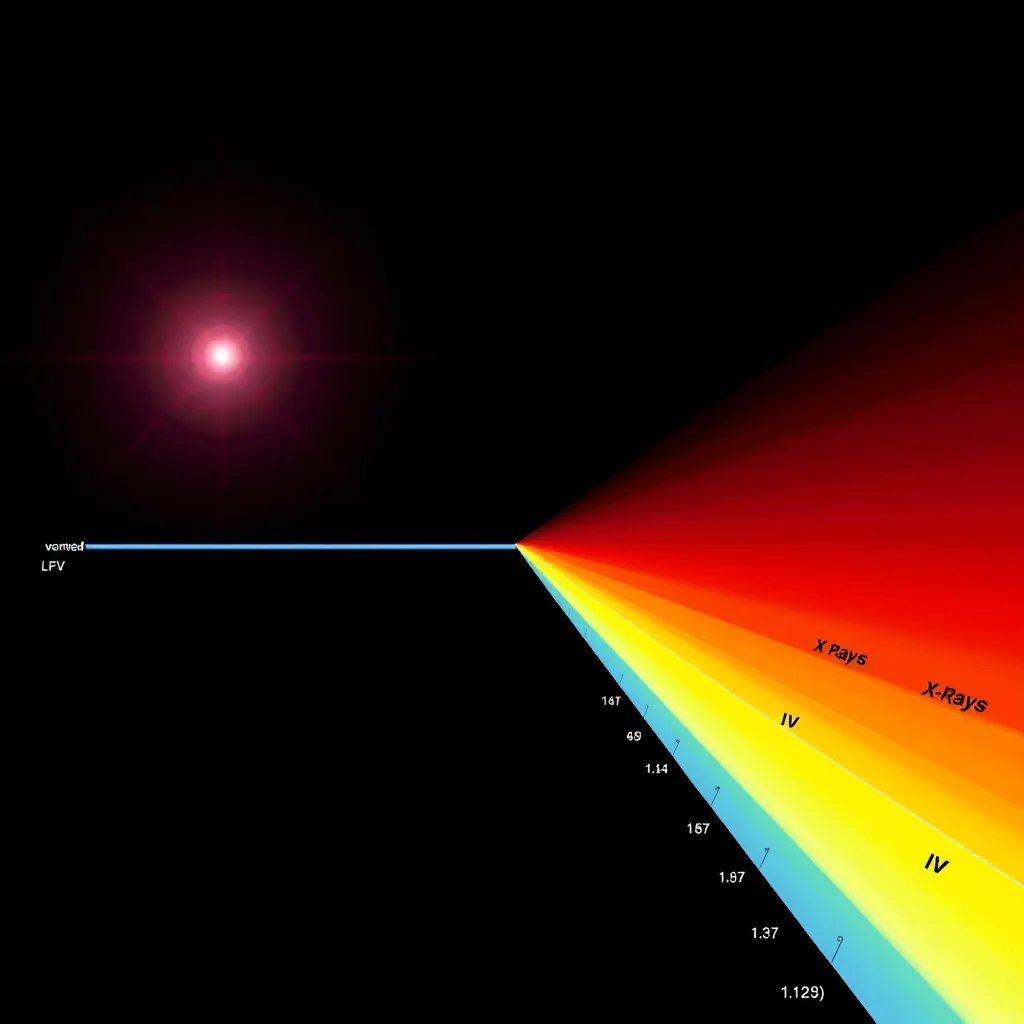
To truly grasp the difference between LED and UV, it helps to understand the broader context of light itself. Light is a form of electromagnetic radiation, which travels in waves. The entire range of these waves is known as the electromagnetic spectrum, encompassing everything from radio waves to gamma rays. What differentiates these waves is their wavelength (the distance between two consecutive peaks of a wave) and their frequency.
The human eye can only perceive a tiny portion of this spectrum, known as visible light, which has wavelengths ranging from approximately 380 nanometers (nm) to 750 nm. Within this visible spectrum, different wavelengths correspond to different colors-red has the longest wavelength, violet the shortest.
Ultraviolet (UV) light occupies the segment of the spectrum just beyond violet light, hence its name. Its wavelengths are shorter than visible light, typically ranging from 10 nm to 400 nm. Because it's outside the visible range, UV light is invisible to us. UV light is further categorized into three main types based on its wavelength, each with distinct properties and implications:
UV-A (315-400 nm): This is the longest wavelength UV light and makes up about 95% of the UV radiation that reaches the Earth's surface. It's associated with skin aging, tanning, and is used in "blacklights" and many nail curing lamps.
UV-B (280-315 nm): Shorter and more energetic than UV-A, UV-B causes sunburn and contributes significantly to skin cancer risk. Most of it is absorbed by the Earth's ozone layer.
UV-C (100-280 nm): This is the shortest and most energetic UV light. It is extremely harmful to living organisms and is almost entirely absorbed by the Earth's atmosphere. UV-C is highly effective at killing bacteria, viruses, and other microorganisms, making it valuable for germicidal applications.
What Exactly is an LED? (Light Emitting Diode)
An LED is a semiconductor device that emits light when an electric current passes through it. Unlike traditional incandescent bulbs that generate light by heating a filament, or fluorescent lamps that use gas discharge, LEDs produce light through a process called electroluminescence. This process is incredibly efficient, converting a high percentage of electrical energy directly into light, with minimal heat waste.
Key characteristics and advantages of LED technology include:
High Efficiency: LEDs consume significantly less power than older lighting technologies, leading to substantial energy savings.
Long Lifespan: Modern LEDs can last 25,000 to 50,000 hours or more, far outlasting incandescent and fluorescent bulbs. This translates to fewer replacements and reduced maintenance.
Durability: Being solid-state devices, LEDs are more resistant to shock and vibration compared to fragile glass bulbs.
Instant On: LEDs reach full brightness immediately, with no warm-up time.
Precise Wavelength Control: The specific materials used in an LED's semiconductor chip determine the exact wavelength (and thus color or type of light) it emits. This precision is crucial for specialized applications, allowing manufacturers to create LEDs that emit specific visible colors, infrared, or ultraviolet light.
Compact Size: LEDs are tiny, allowing for flexible and creative lighting designs, from thin strip lights to complex arrays.
Most people are familiar with LEDs that produce visible light-the white light from your home bulbs, the colored lights in displays, or the indicator lights on electronic devices. However, the same fundamental LED technology can be adapted to produce light outside the visible spectrum, including ultraviolet light.
The Intersection: When LEDs Emit UV Light
This is where the "LED vs UV" confusion is most directly addressed: an LED can be designed to emit UV light. These are specifically called UV LEDs. Just as a standard white LED uses a blue LED chip coated with phosphor to produce white light, a UV LED is engineered with semiconductor materials that emit photons in the ultraviolet range.
Historically, UV light for applications like blacklights, sterilization, or curing relied on traditional UV fluorescent lamps or mercury vapor lamps. These older technologies have drawbacks, including slower warm-up times, shorter lifespans, mercury content (environmental hazard), and less precise wavelength output. UV LED technology offers significant advantages:
Targeted Wavelengths: UV LEDs can be manufactured to emit very specific wavelengths within the UV-A, UV-B, or UV-C spectrum, optimizing their performance for particular applications.
Instant On/Off: No warm-up time, which is beneficial for processes requiring precise timing.
Energy Efficiency: Generally more efficient than traditional UV lamps, especially as the technology matures.
Compact and Durable: Allows for smaller, more robust UV devices.
Mercury-Free: A significant environmental and safety advantage over fluorescent UV lamps.
Key Differences: Visible LEDs, Traditional UV Lamps, and UV LEDs
To provide a clear comparison, let's look at the distinct characteristics of standard visible-light LEDs, traditional UV fluorescent lamps, and modern UV LEDs.
Feature | Standard Visible LED | Traditional UV Fluorescent Lamp | UV LED (Curing/Germicidal) |
|---|---|---|---|
What it Is | LED technology emitting visible light | Gas-discharge technology emitting UV light | LED technology emitting UV light |
Wavelength- Range | ~380-750 nm (visible spectrum) | Broad spectrum, typically UV-A (320-400 nm) or UV-C (254 nm) | Narrow band, typically 365-405 nm (UV-A) or 265-280 nm (UV-C) |
Primary Application | General illumination, displays, indicator lights | Nail curing, blacklights, insect traps, large-scale germicidal | Modern nail curing, resin curing, small-scale germicidal devices |
Lifespan (Average) | 25,000 - 50,000+ hours | 5,000 - 10,000 hours | 20,000 - 50,000 hours |
Warm-up Time | Instant | Several seconds to minutes | Instant |
Mercury Content | None | Yes (in fluorescent tube) | None |
Energy Efficiency | Very High | Moderate | High (and improving rapidly) |
Heat Generation | Low (requires heat sink) | Moderate | Low (but concentrated) |
Safety Concerns | Generally safe (avoid direct bright stare) | UV exposure risk (skin/eyes), mercury disposal | UV exposure risk (skin/eyes), specific to UV type |
UV Light in Nail Care: Fluorescent vs. LED Systems
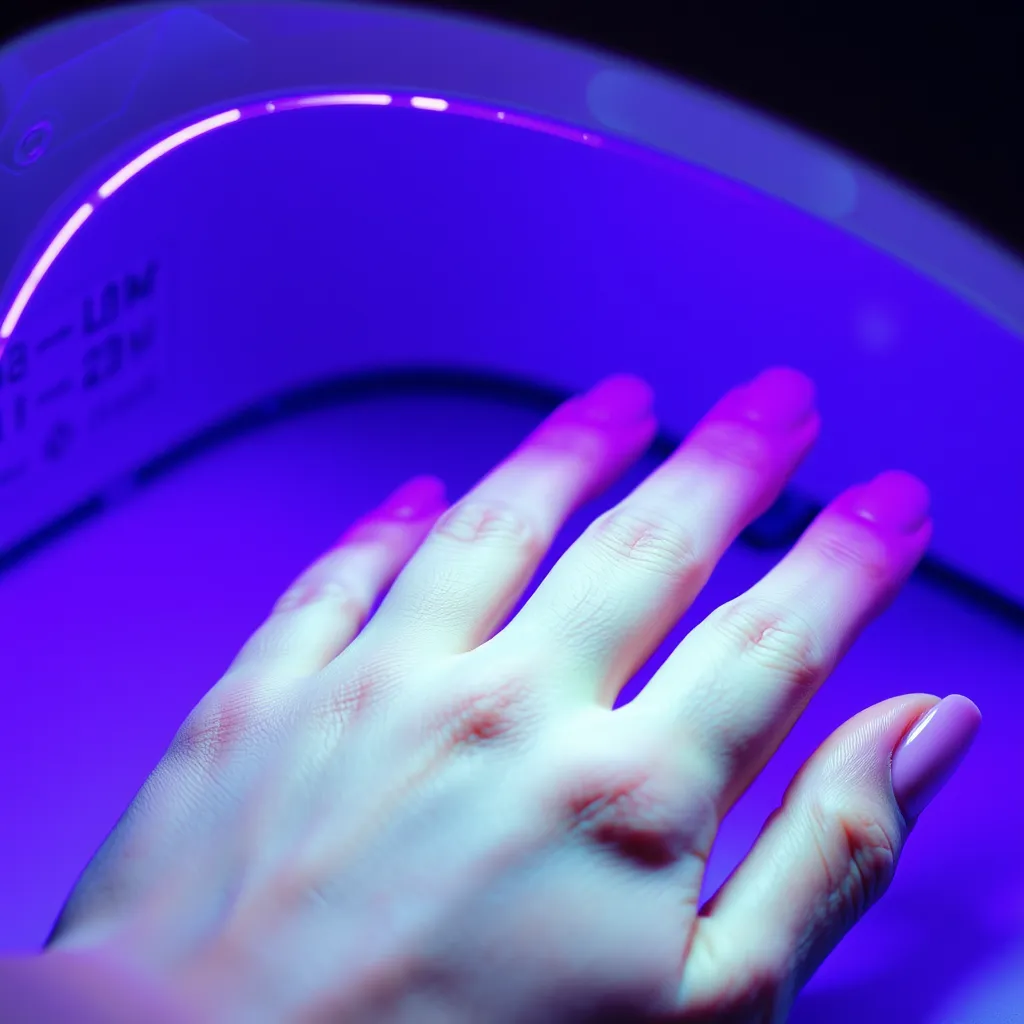
One of the most common contexts for the "LED vs UV" debate is in professional and home nail care. Both types of lamps are used to cure gel nail polish, but they operate differently.
How Gel Polish Curing Works
Gel polishes don't air dry; they harden through a process called photopolymerization. This involves special chemicals called photoinitiators within the gel formula. When exposed to specific wavelengths of UV light, these photoinitiators absorb the light energy, trigger a chemical reaction, and cause the liquid gel to transform into a hard, durable polymer.
Traditional UV Fluorescent Nail Lamps
Older nail lamps typically use compact fluorescent tubes that emit a broad spectrum of UV-A radiation, generally ranging from 320 nm to 400 nm. Because they emit a wide range of UV-A, these lamps are typically compatible with almost any gel polish formulation.
Pros: Wide compatibility with most gel types, lower initial cost.
Cons: Slower curing times (2-3 minutes), bulbs degrade over time, contain mercury.
Modern UV LED Nail Lamps
LED nail lamps utilize UV LEDs that emit a much narrower, more concentrated band of UV-A light, usually centered around 365 nm or 405 nm. This precise wavelength output is designed to perfectly match the photoinitiators found in modern "LED-compatible" gel polishes.
Pros: Significantly faster curing times (30-60 seconds), much longer lifespan, energy-efficient, mercury-free, instant on/off.
Cons: Primarily cures gels formulated for LED curing; older gels might not cure properly if they require wavelengths outside the LED's narrow band.
Compatibility and Practical Advice
The key takeaway for nail enthusiasts is compatibility. Most modern gel polish brands are now "LED-compatible." If you use older gels, check the product's instructions. Using an LED lamp on a non-LED-compatible gel will result in a tacky, uncured finish.
From a safety perspective, both types of lamps expose skin to UV-A radiation. For added protection, consider applying broad-spectrum sunscreen to your hands 20 minutes before a gel manicure or wearing UV-protective gloves.
Germicidal Applications: UV-C for Disinfection and Sterilization
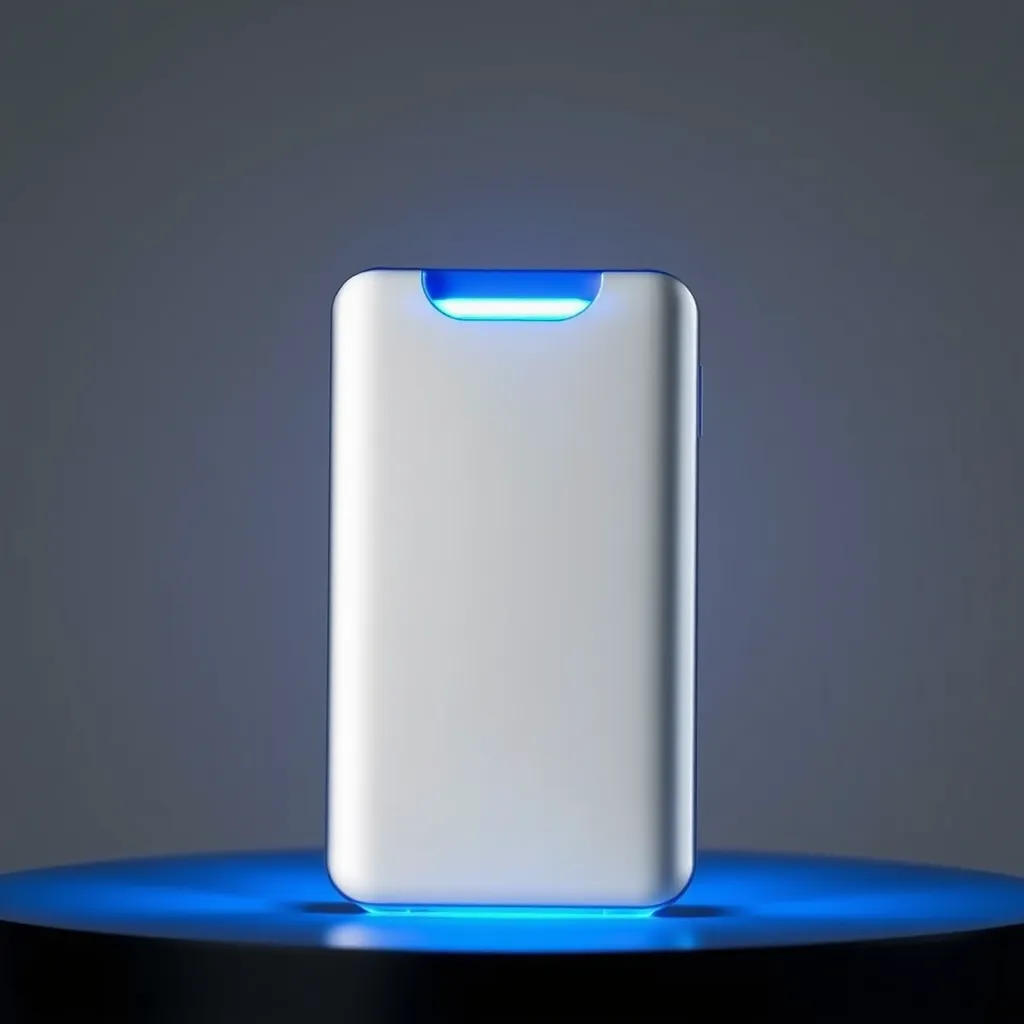
Another critical application of ultraviolet light is disinfection. This relies exclusively on UV-C light (200-280 nm). UV-C light has germicidal properties because its high energy allows it to damage the DNA and RNA of microorganisms, rendering them unable to reproduce.
Traditional UV-C Sources
For decades, the standard has been low-pressure mercury vapor fluorescent lamps. They primarily emit UV-C at 254 nm and are used in hospitals, water treatment plants, and HVAC systems.
Pros: Well-established efficacy, cost-effective for high-power applications.
Cons: Contain mercury, fragile glass, require warm-up time.
UV-C LEDs: A Modern Solution
The development of UV-C LEDs, typically emitting in the 265-280 nm range, represents a significant advancement. They offer distinct advantages for portable and integrated solutions:
Compact Size: Enables integration into phone sanitizers and water bottle purifiers.
Instant On/Off: Allows for pulsed operation and precise dosing.
Mercury-Free: Environmentally friendly.
Important Distinctions and Warnings
It's absolutely critical to understand that standard visible-light LEDs have no germicidal effect whatsoever. Products marketed as "LED sterilizers" must contain actual UV-C LEDs to be effective. Always verify that a device specifies UV-C wavelengths.
Furthermore, UV-C light is extremely dangerous. Direct exposure can cause severe skin burns and permanent eye damage within seconds. Any UV-C device must be designed with robust safety features.
Other Specialized Applications of UV LEDs
Beyond nail curing and germicidal use, UV LEDs are finding their way into numerous other niche applications:
Industrial Curing: For inks, coatings, and adhesives in manufacturing.
Counterfeit Detection: Verifying security features on banknotes and passports.
Forensic Investigation: Detecting bodily fluids and fibers that fluoresce under UV-A.
Horticulture: Influencing plant growth and enhancing beneficial compounds in certain crops.
Non-Destructive Testing (NDT): Inspecting materials for cracks or defects using fluorescent penetrants.
Safety First: Essential Precautions for UV Light Exposure
Understanding the potential risks associated with UV light is paramount. The level of danger depends heavily on the specific UV wavelength.
Visible Light LEDs: Generally safe for illumination. Avoid prolonged direct staring at very bright LEDs to prevent glare or temporary discomfort.
UV-A (315-400 nm): Prolonged exposure contributes to skin aging and increased risk of skin cancer. Minimize skin exposure during nail curing by using sunscreen or protective gloves.
UV-B (280-315 nm): Responsible for sunburn and skin cancer. Devices emitting UV-B require strict protective measures.
UV-C (100-280 nm): The most dangerous type. Never look directly at a UV-C source and never allow UV-C light to shine on bare skin. It causes severe burns and eye damage within seconds.
Dispelling Common Myths & Misconceptions
"All LEDs emit UV radiation." False. Standard white or colored LEDs used for general lighting emit negligible to no UV radiation.
"UV light from nail lamps is extremely dangerous." While UV-A exposure contributes to risks over time, cumulative exposure from typical nail lamp use is relatively low compared to tanning beds.
"Visible light LEDs can kill germs." False. Only specific wavelengths of UV-C light have germicidal properties.
"UV LEDs are safer than traditional UV lamps." This depends on the wavelength. UV-C LEDs are just as dangerous as traditional UV-C lamps if not handled safely.
Conclusion:
In summary, while frequently conflated, LED refers to the highly efficient semiconductor technology that produces light, whereas UV denotes a specific, invisible segment of the electromagnetic spectrum. LEDs can be engineered to emit various light types, including visible and UV. This crucial distinction empowers consumers and professionals alike to make informed decisions, whether selecting energy-efficient home lighting, specialized nail curing systems, or advanced germicidal solutions.
As LED technology continues to evolve, the applications for UV LEDs are rapidly expanding, offering precise and powerful solutions across diverse industries. From enhancing sanitation efforts to driving industrial processes, the potential is vast. However, the energy of UV light, particularly UV-C, necessitates a continued emphasis on safety protocols. Always verify product specifications and adhere to manufacturer guidelines to ensure effective and secure use of these powerful lighting innovations.
Frequently Asked Questions
Q1: Do regular household LED bulbs produce any UV light?
A: No, standard household LED bulbs emit negligible amounts of UV radiation. The tiny blue light chip inside is covered by a phosphor coating that converts blue light into white light, absorbing trace UV in the process.
Q2: Is an LED nail lamp better than a traditional UV nail lamp?
A: For most users, an LED nail lamp is superior due to faster curing times, longer lifespan, and energy efficiency. Just ensure your gel polishes are formulated for LED curing.
Q3: Can I use a UV LED blacklight to sanitize my phone?
A: No. UV LED blacklights emit UV-A radiation, which is not effective for germicidal purposes. Only UV-C light has proven germ-killing abilities.