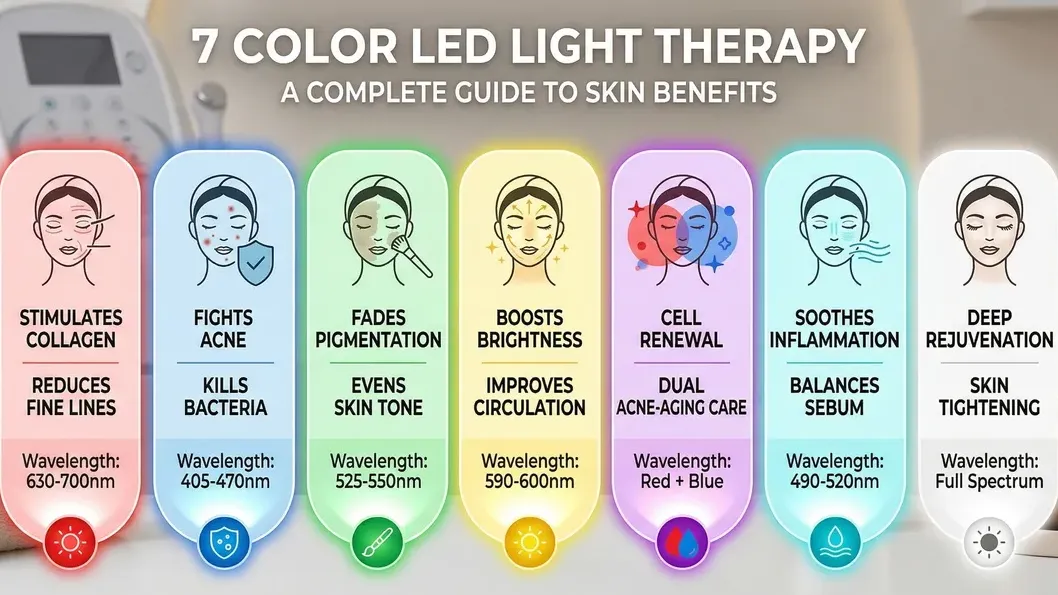
LED light therapy is a non-invasive skin treatment that uses specific wavelengths of light-emitting diode (LED) light to stimulate cellular processes in the skin. Red LED light at 630-660nm wavelength penetrates into the dermis where it stimulates fibroblast activity, increases collagen and elastin production, and reduces inflammation - treating wrinkles, fine lines, and skin texture. Blue LED light at 405-420nm kills Propionibacterium acnes bacteria that cause inflammatory acne. Near-infrared LED light at 830nm penetrates deepest, promoting wound healing and reducing deep-tissue inflammation. LED light therapy was originally developed by NASA for plant growth experiments and wound healing in space, and is now widely used in dermatology, aesthetics, and at-home skincare.
How LED Light Therapy Works
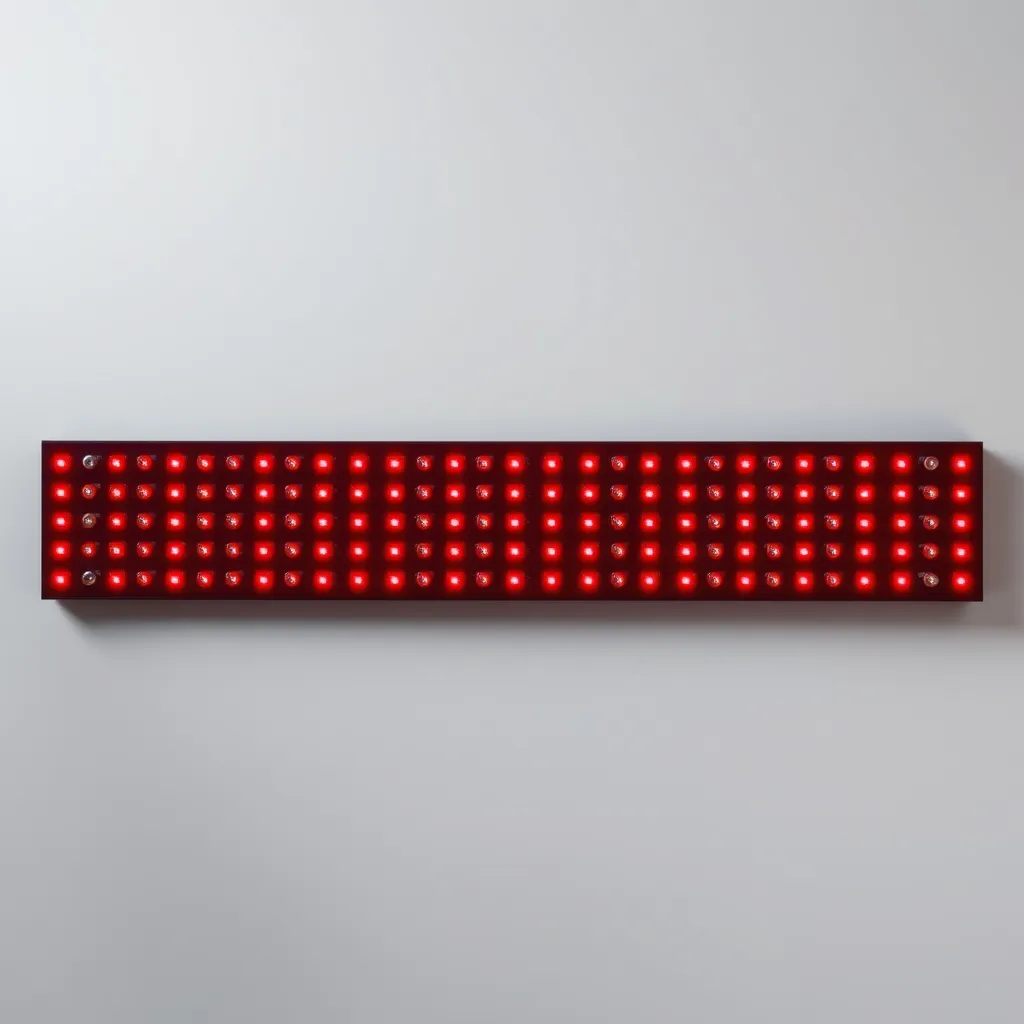
LED light therapy works through a process called photobiomodulation - specific wavelengths of light are absorbed by chromophores (light-absorbing molecules) in skin cells, triggering biological responses. The primary target chromophore for red and near-infrared light is cytochrome c oxidase, an enzyme in the mitochondrial electron transport chain. When this enzyme absorbs photon energy, it increases ATP (adenosine triphosphate) production - the cellular energy currency. This boost in cellular energy drives increased collagen synthesis, accelerated cell turnover, enhanced wound healing, and reduced inflammatory signaling.
For blue light, the target chromophores are porphyrins - photosensitive molecules produced by P. acnes bacteria. When porphyrins absorb blue light at 415nm, they produce reactive oxygen species (singlet oxygen) that are toxic to the bacterial cell, killing it without antibiotics and without developing bacterial resistance. This photodynamic effect is selective - only cells containing porphyrins are affected, leaving healthy skin cells unharmed. The mechanism was first described in clinical research in the early 2000s and has since been validated in multiple randomized controlled trials.
LED Light Therapy Wavelengths and Benefits
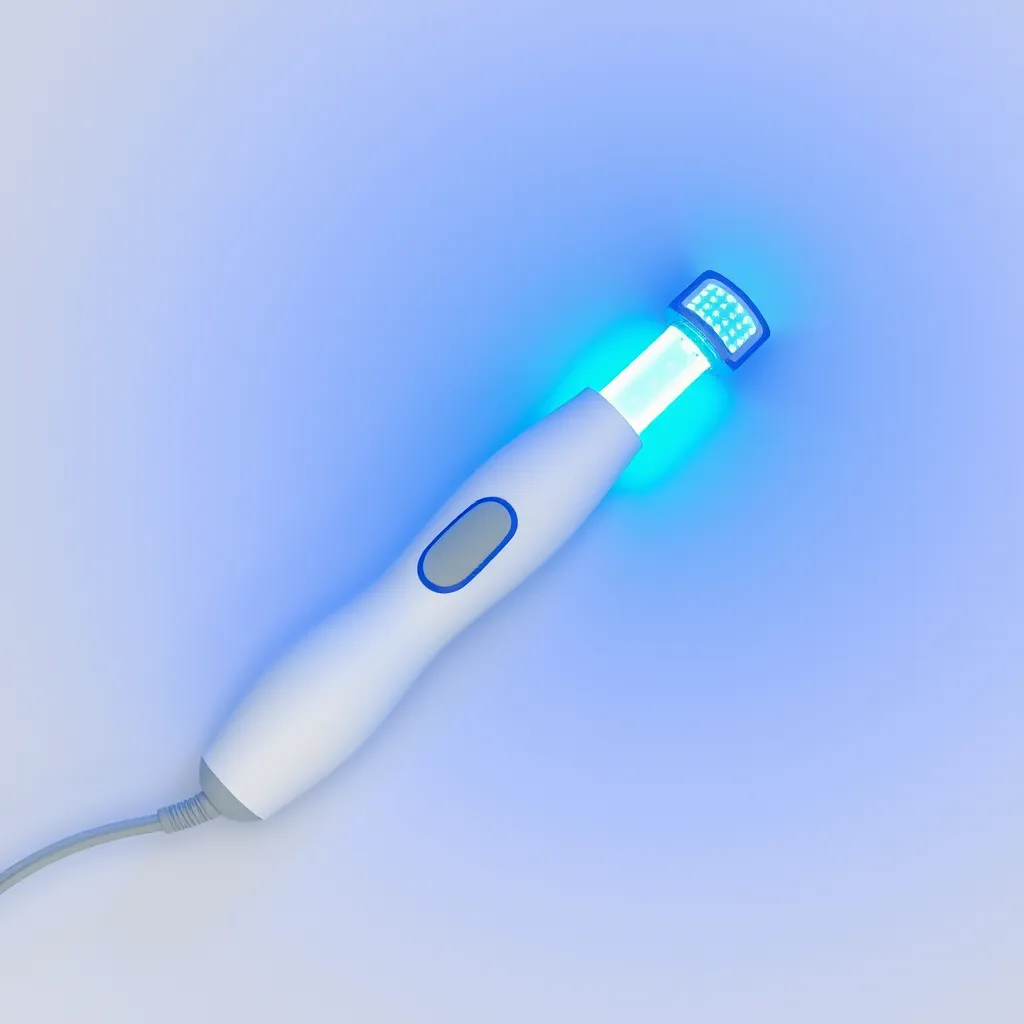
Wavelength | Color | Penetration | Primary Target | Benefits |
|---|---|---|---|---|
415nm | Blue | 0.5-1mm (epidermis) | Bacterial porphyrins | Acne reduction, antibacterial |
630-660nm | Red | 2-3mm (dermis) | Cytochrome c oxidase | Collagen, anti-aging, inflammation |
830nm | Near-infrared | 3-5mm (deep dermis) | Cytochrome c oxidase | Wound healing, deep inflammation |
520nm | Green | 1-2mm | Melanocytes | Pigmentation, dark spots |
590nm | Yellow/Amber | 1-2mm | Lymphatic system | Redness, sensitivity, rosacea |
What to Expect During Treatment
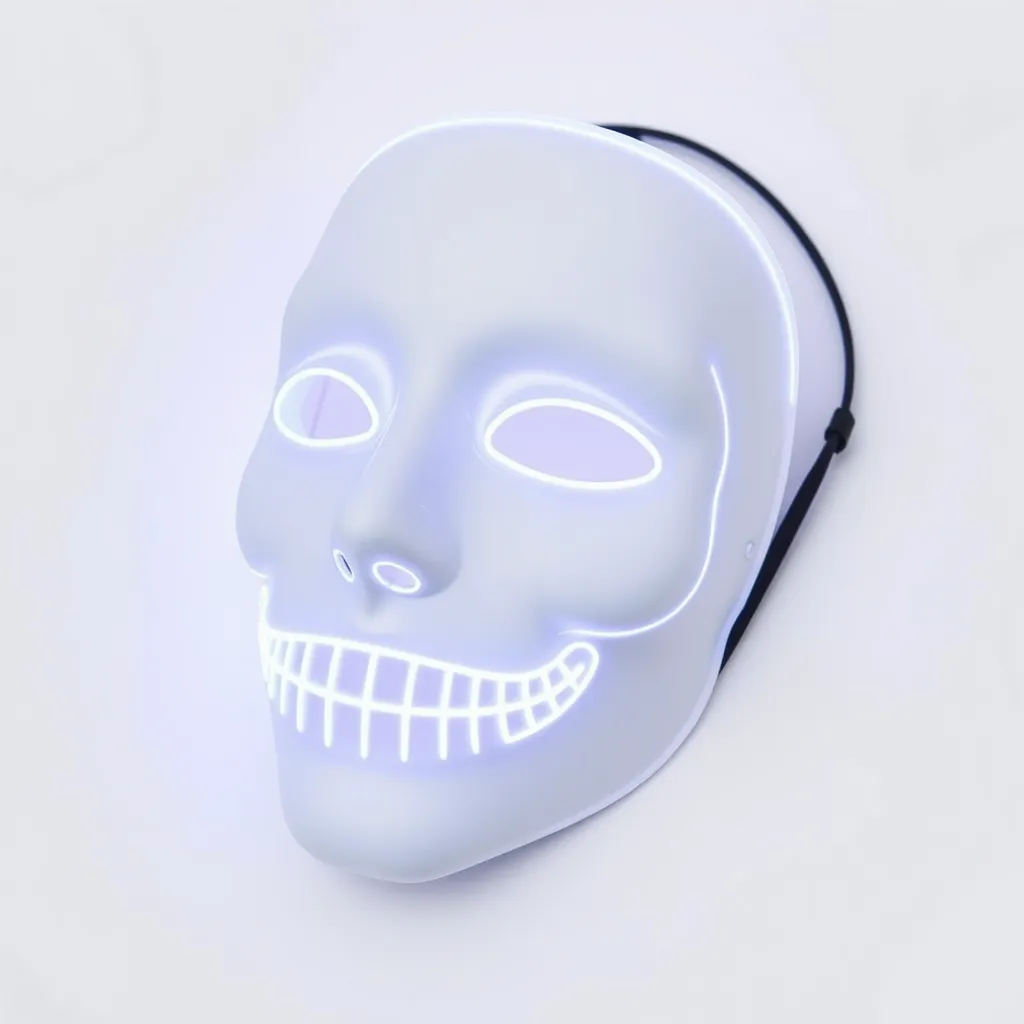
Professional treatment: A dermatologist or aesthetician positions a large LED panel 1-6 inches from your face. The treatment lasts 15-30 minutes and is completely painless - you may feel mild warmth but no heat, burning, or discomfort. No anesthesia, no downtime, and no recovery period are needed. You can return to normal activities immediately, including applying makeup and going outdoors (with sunscreen). Professional LED panels produce higher irradiance (30-100 mW/cm²) than home devices, delivering the therapeutic dose in less time. Professional treatments cost $50-$300 per session, with treatment courses of 6-12 sessions recommended.
At-home treatment: Consumer LED devices - masks, handheld panels, and wands - produce lower irradiance (5-30 mW/cm²) and require longer treatment times (10-20 minutes) and more frequent sessions (3-5 times per week) to achieve comparable results. At-home devices cost $30-$500 for the device itself, with no per-session cost after purchase. The convenience of unlimited home treatments often produces better cumulative results than periodic professional treatments because users treat more frequently and consistently. Brands like CurrentBody, Dennis Gross, and Omnilux are FDA-cleared for specific therapeutic claims.
Clinical Evidence
LED light therapy has stronger clinical evidence than most non-prescription skincare treatments. A 2018 systematic review in the Journal of Investigative Dermatology analyzed 31 randomized controlled trials and found statistically significant improvements in wrinkle reduction (red LED), acne lesion count (blue LED), and wound healing (red + near-infrared LED). A landmark study by Wunsch and Matuschka (2014) demonstrated measurable increases in collagen density and reductions in wrinkle depth after 30 sessions of red LED therapy over 15 weeks.
The evidence is strongest for red light (anti-aging) and blue light (acne) - both supported by multiple high-quality randomized controlled trials. Evidence for green light (pigmentation), yellow light (redness), and combination therapies is growing but less robust, primarily from smaller studies and case series. LED light therapy is FDA-cleared (not FDA-approved - an important distinction) for several indications including acne treatment and temporary improvement in wrinkle appearance. The "cleared" status means the FDA has determined LED devices are safe, not that they have verified all marketing efficacy claims.
Conclusion:
The democratization of LED light therapy represents a significant shift in dermatological care, moving powerful light-based treatments from exclusive clinical settings directly into the home. While professional panels offer higher intensity and faster results, the success of at-home therapy relies almost entirely on user consistency. By integrating these devices into a regular routine, users can maintain cellular health and skin resilience with minimal effort and no recovery time.
When selecting a device or booking a treatment, prioritize wavelength accuracy and safety certifications. Ensure any home device is FDA-cleared and provides the specific wavelengths-such as 415nm for acne or 633nm for aging-required for your specific skin goals. As LED technology continues to advance, we can expect even more targeted, wearable solutions that make maintaining a healthy complexion more accessible than ever before.
Frequently Asked Questions
Q1: Is LED light therapy safe?
A: LED light therapy is considered one of the safest aesthetic treatments available. It uses non-ionizing, non-thermal light at intensities too low to cause tissue damage. Side effects are rare and mild - occasional temporary redness or warmth that resolves within hours. LED light therapy does not cause burns, scarring, or hyperpigmentation risk (unlike laser treatments). It is safe for all skin types and tones. The primary safety consideration is eye protection - while consumer LED devices are generally eye-safe, closing eyes during treatment is recommended, particularly with blue light exposure. Avoid LED therapy if you are taking photosensitizing medications (tetracycline antibiotics, isotretinoin) or have photosensitive conditions (lupus, porphyria).
Q2: How long does it take to see results from LED light therapy?
A: Initial improvements (skin glow, reduced redness, smoother texture) may appear within 1-4 weeks of consistent treatment. Significant structural changes (wrinkle reduction, acne clearance, collagen improvement) require 8-12 weeks of consistent treatment at recommended frequency (3-5 sessions per week for at-home, or 8-12 professional sessions over 4-6 weeks). Results are cumulative and progressive - each session builds on previous cellular stimulation. Maximum results typically appear at 12-16 weeks, with ongoing maintenance treatments needed to sustain improvements.
Q3: Can LED light therapy replace other skincare treatments?
A: LED light therapy is most effective as a complement to, not replacement for, a comprehensive skincare routine. It works through different mechanisms than topical ingredients (retinoids, vitamin C, AHAs) and procedural treatments (chemical peels, microneedling) - combining LED therapy with these approaches produces additive benefits. For mild acne, LED blue light alone may provide sufficient control. For moderate-severe acne or significant anti-aging concerns, LED therapy works best alongside appropriate topical treatments prescribed by a dermatologist. LED therapy's advantage is its gentleness - it enhances results from other treatments without adding irritation or downtime.