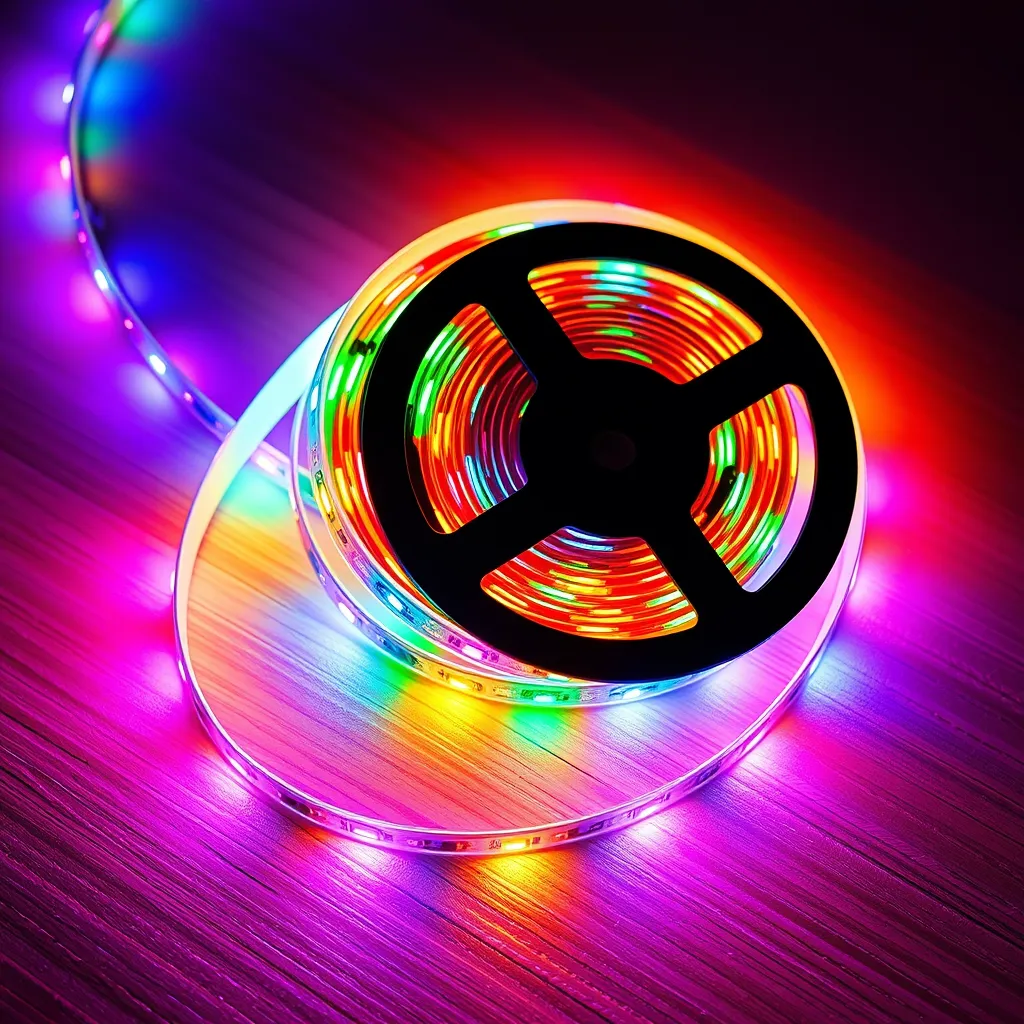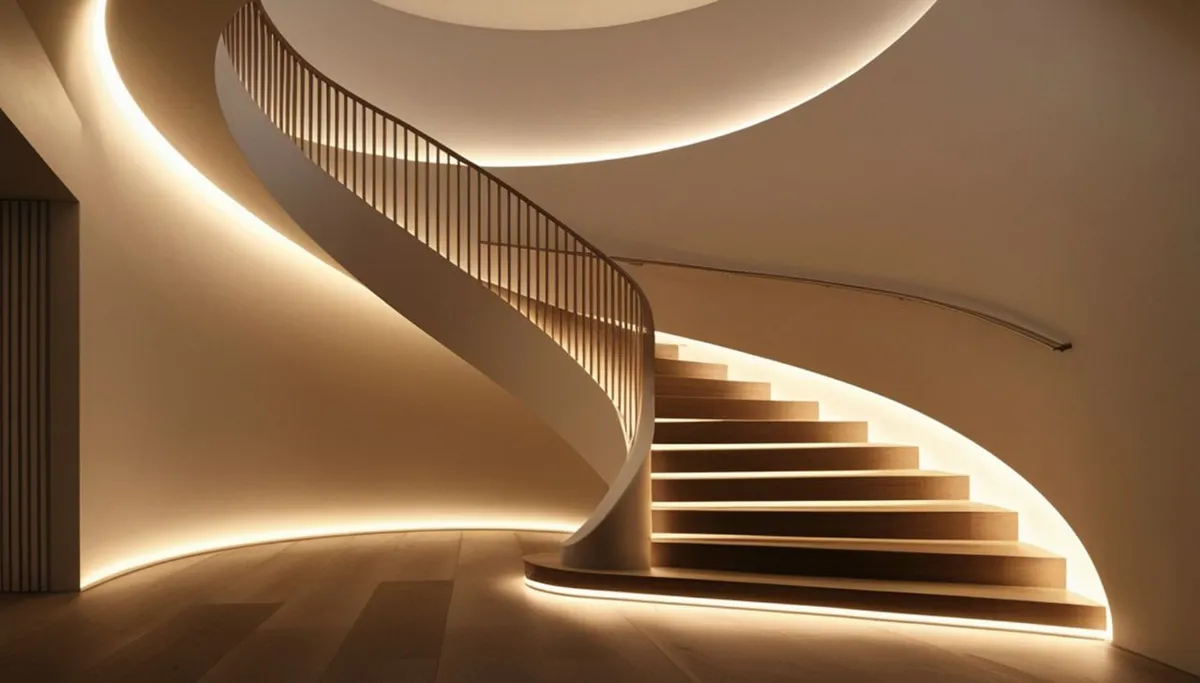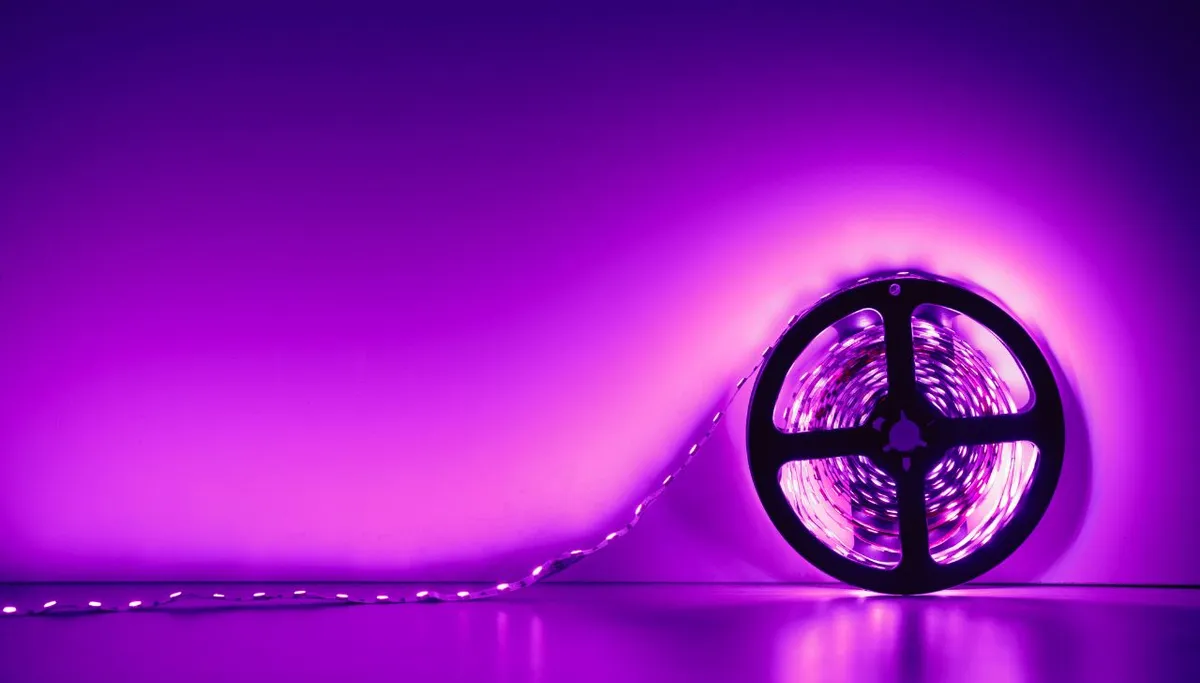
Yes, in most cases it is safe to leave LED strip lights on all night. They run cool, use very little power, and are built to last 50,000 hours or more. The main things to watch are keeping them away from flammable materials, using a quality strip with the right power supply, and knowing that constant use slowly shortens their life.
LED strips are one of the safest lights to leave on. But "safe" is not the same as "no downsides," so here is the full picture before you leave yours glowing overnight.
Why It Is Generally Safe:
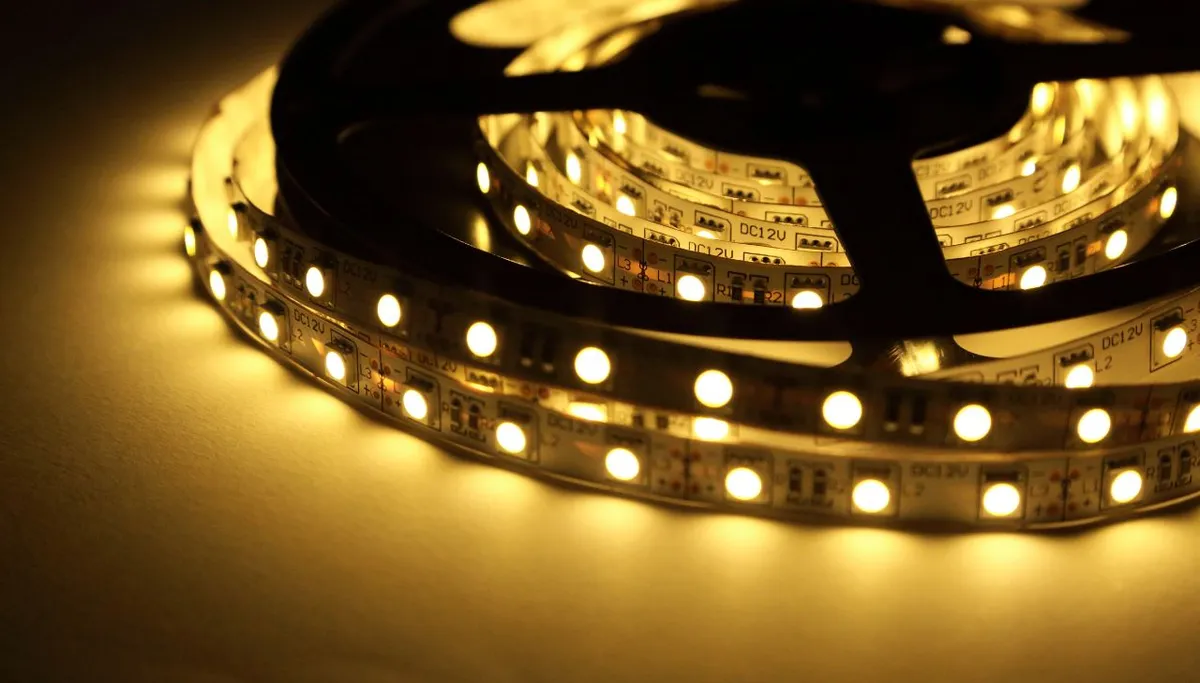
The big worry is fire, and LEDs answer it well. They turn most of their energy into light rather than heat, so a strip stays cool to the touch even after hours.
Most strips also run on low voltage, typically 12V or 24V, which further lowers any risk of overheating compared to a hot incandescent bulb.
Do LED Strips Use Much Power Overnight?
Very little. A typical strip uses around 9-12 watts for a 16-foot roll, so running it for 10 hours costs only about 90-120 watt-hours.
At an average rate, that is roughly a penny or two per night. Leaving one on will not noticeably change your electricity bill.
The Real Trade-Offs to Know:
Factor | What to Know |
|---|---|
Lifespan | Running strips 24/7 uses up their rated hours faster, so they fade sooner |
Heat near objects | Even low heat matters in a sealed, unventilated, or cluttered spot |
Quality | Cheap strips and power supplies run hotter and fail earlier |
Sleep | Bright or cool-white light at night can disrupt sleep |
None of these are dealbreakers. They are simply reasons to use a good strip and a little common sense.
How to Leave Them On Safely:
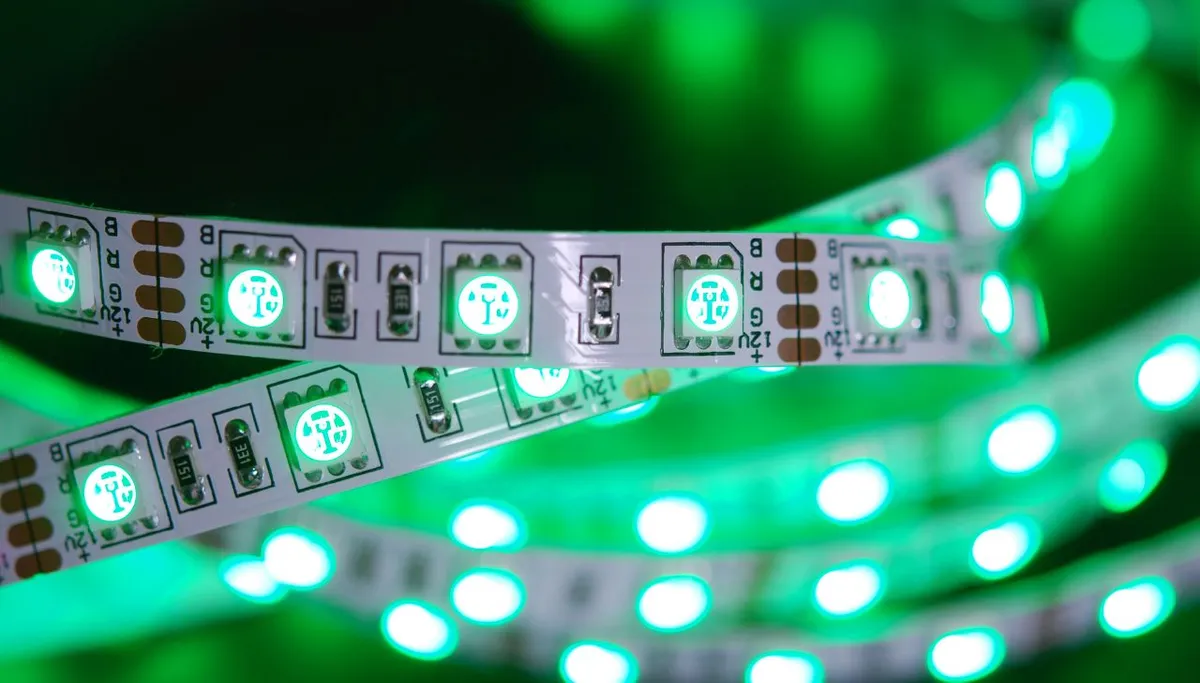
Keep them clear of flammables. Do not run strips against fabric, paper, or inside a tight, unventilated space.
Use the right power supply. A quality driver rated for your strip's length prevents overheating.
Pick warm, dim light for bedrooms. A low, warm setting is easier on sleep than bright cool white.
Add a timer or smart plug. If you only want light part of the night, automate it and save the lifespan.
Check quality. A well-made strip with good adhesive and a solid power supply is far safer for long runs.
Smart tip: A timer or motion sensor gives you overnight light only when you need it - like a hallway that lights for a midnight trip - without running the strip for eight straight hours.
One safety check: If a strip or its power supply ever feels hot (not just warm), turn it off. That points to a cheap strip, an overloaded supply, or a wiring issue, and it should be fixed before continued use.
Want the details behind this? See our guides on how hot LED lights get and how many watts LED lights use.
(FAQs):
Q1. Can LED strip lights catch fire if left on?
A: It is very unlikely. LED strips run cool and use low voltage, so they rarely overheat. The small risk comes from cheap strips, an overloaded power supply, or running them against flammable material in a sealed space.
Q2. Is it expensive to leave LED strips on all night?
A: No. A typical strip uses only 9-12 watts, costing roughly a penny or two per night. Even nightly use adds very little to your electricity bill.
Q3. Will leaving LED strips on shorten their life?
A: Slightly. Strips are rated for around 50,000 hours, and running them 24/7 uses those hours faster. A timer or smart plug helps stretch their lifespan if you do not need light all night.
Q4. Are LED strips safe to leave on while sleeping?
A: Yes, from a fire standpoint. For better sleep, though, use a warm color and low brightness, since bright cool-white light at night can make it harder to fall asleep.