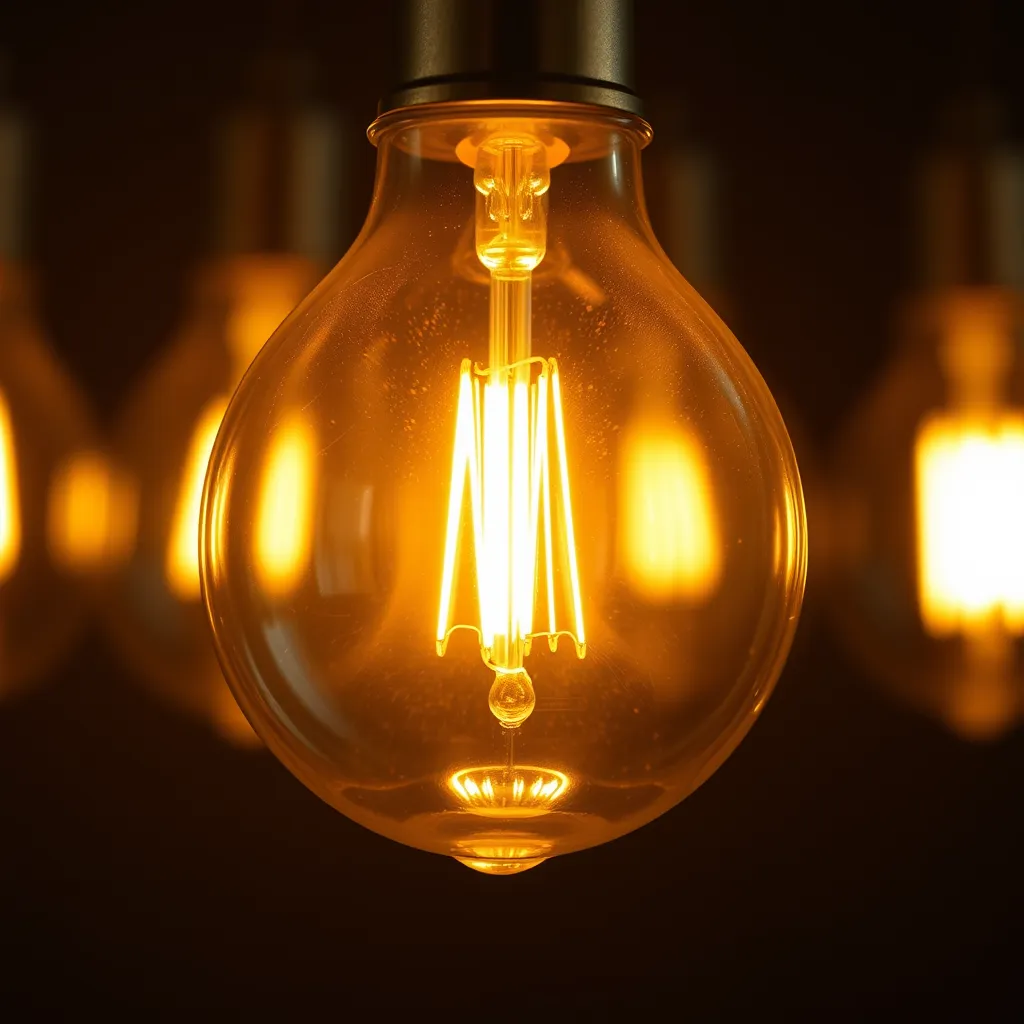
An LED (Light Emitting Diode) produces light through electroluminescence - when electrical current flows through a semiconductor material, electrons combine with electron holes and release energy as photons (visible light). Unlike incandescent bulbs that heat a filament until it glows, or fluorescent tubes that excite gas molecules, LEDs convert electricity directly into light using solid-state semiconductor physics. This direct conversion is why LEDs are 80-90% more efficient than incandescent bulbs, according to the U.S. Department of Energy, wasting far less energy as heat.
The Semiconductor Process
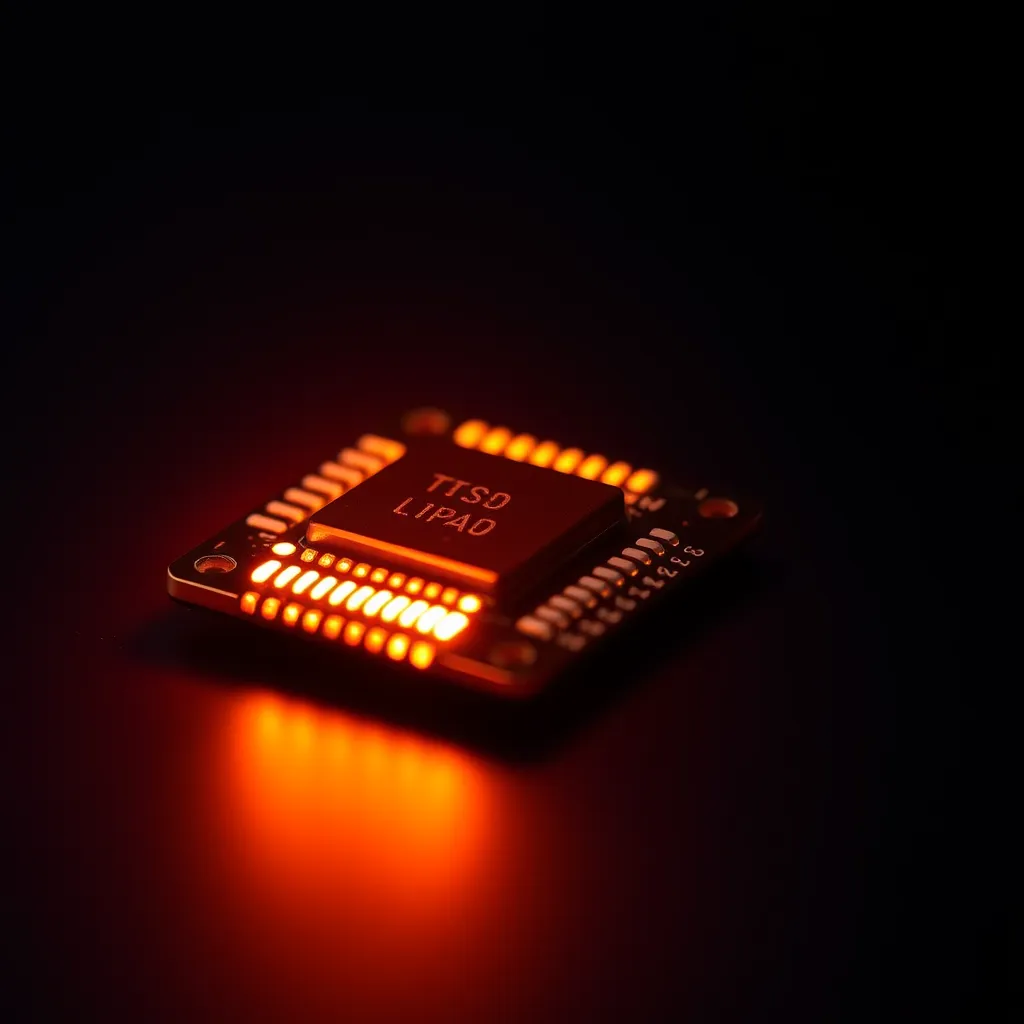
Every LED contains a tiny semiconductor chip (the "die") made from materials like gallium arsenide, gallium nitride, or indium gallium nitride. The chip has two layers: a P-type layer (rich in positively charged "holes") and an N-type layer (rich in negatively charged electrons). The boundary between these layers is called the P-N junction - this is where light is produced.
When voltage is applied across the LED (positive to the P-type side, negative to the N-type side), electrons from the N-layer are pushed toward the junction, and holes from the P-layer move toward the junction from the opposite direction. At the junction, electrons fall into holes - a process called recombination. Each recombination event releases a small packet of energy as a photon. The color (wavelength) of the photon depends on the semiconductor material and the energy gap between the electron states.
How LEDs Produce Different Colors
The color of an LED is determined by the semiconductor material, not by colored plastic or filters. Different materials have different energy band gaps, which produce different wavelengths of light. Red LEDs use aluminum gallium arsenide (AlGaAs). Green LEDs use gallium phosphide (GaP) or indium gallium nitride (InGaN). Blue LEDs use indium gallium nitride (InGaN) - this breakthrough by Shuji Nakamura, Isamu Akasaki, and Hiroshi Amano earned the 2014 Nobel Prize in Physics because blue LEDs enabled white LED light.
White LED light is produced by coating a blue LED chip with a yellow phosphor layer. The blue photons from the chip excite the phosphor, which emits yellow light. The combination of blue light passing through and yellow phosphor emission creates the appearance of white light to the human eye. By adjusting the phosphor composition, manufacturers control the color temperature - more phosphor produces warmer (yellowish) white, less phosphor produces cooler (bluish) white. This phosphor-conversion method is used in the vast majority of white LEDs sold today.
LED Components and Construction
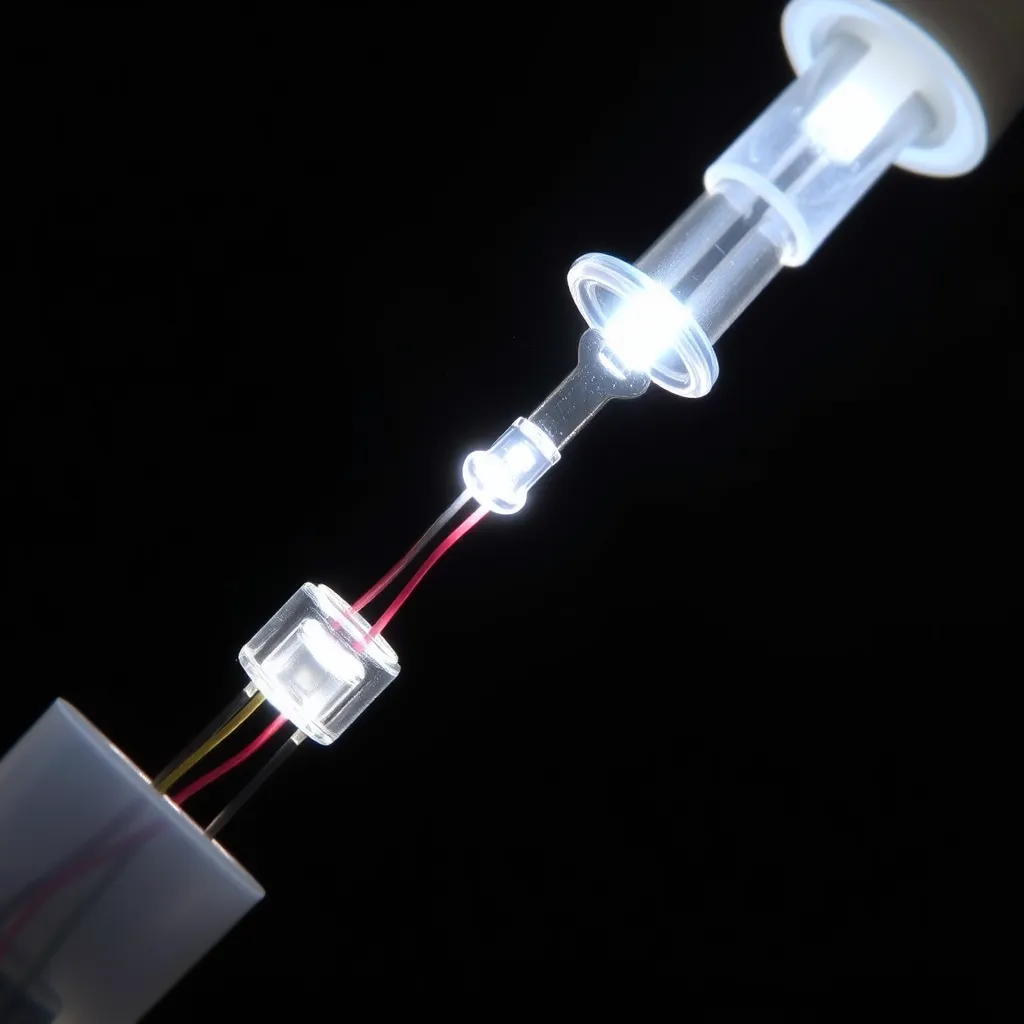
The die: The semiconductor chip itself, typically 0.3-1mm square. This is the light-producing element. Multiple dies can be placed in a single LED package for higher output.
The substrate: A base material (sapphire, silicon carbide, or silicon) on which the semiconductor layers are grown. The substrate provides structural support and helps conduct heat away from the die.
The phosphor layer: A coating of phosphor material applied over the die in white LEDs. Converts some of the blue photon energy to longer wavelengths (yellow/red), producing white light through color mixing.
The lens/encapsulant: A dome of epoxy or silicone that protects the die and shapes the light output. The lens angle determines the beam spread - narrow lenses create spotlights (15-30°), wide lenses create floodlights (100-120°).
The heat sink: A metal component (usually aluminum) that draws heat away from the die. While LEDs produce far less heat than incandescent bulbs, the small die generates concentrated heat that must be dissipated to prevent performance degradation and shortened lifespan.
Why LEDs Are More Efficient
Incandescent bulbs produce light by heating a tungsten filament to approximately 2,500°C - at this temperature, the filament glows and emits visible light. However, 90-95% of the electrical energy becomes infrared radiation (heat), not visible light. The filament must waste enormous energy as heat just to reach the temperature needed for visible light emission.
LEDs skip the heating step entirely. The semiconductor converts electrical energy directly into photons at the quantum level. Modern commercial LEDs convert 40-50% of input electricity into visible light (80-150 lumens per watt), with laboratory LEDs exceeding 200 lumens per watt. The remaining energy becomes heat, but at far lower levels than incandescent. This fundamental efficiency difference - direct photon emission vs. thermal radiation - is why LEDs have revolutionized lighting.
Fluorescent lights achieve intermediate efficiency (45-75 lm/W) by using electricity to excite mercury vapor, which emits ultraviolet light that is then converted to visible light by phosphor coatings inside the tube. This two-step conversion is more efficient than heating a filament but less efficient than the direct semiconductor process used by LEDs.
LED Driver and Power Regulation
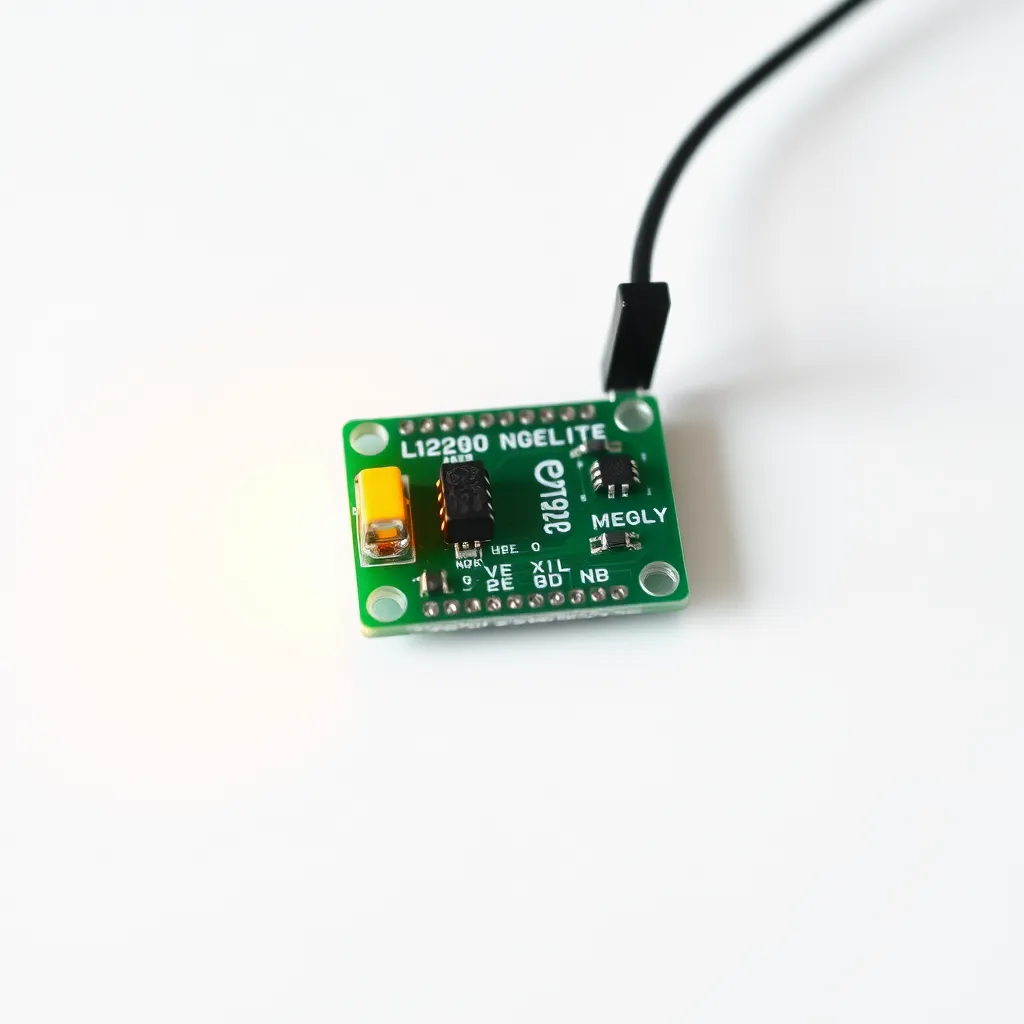
LEDs are current-driven devices - they require a specific forward current (typically 20-350 milliamps for standard LEDs, up to 1-3 amps for high-power LEDs) to operate correctly. Unlike incandescent bulbs that can be connected directly to household voltage, LEDs need a driver circuit that converts the AC mains voltage (120V or 240V) to the correct DC voltage and current for the LED.
In LED bulbs designed for standard light sockets, the driver is built into the bulb base. In LED strip lights, the driver is an external power supply (typically 12V or 24V DC). The driver's quality directly affects LED performance - a poor driver causes flickering, buzzing, reduced efficiency, and shortened lifespan. Premium LED products use constant-current drivers that maintain steady output regardless of voltage fluctuations.
Conclusion:
LED technology has transformed lighting by replacing fragile filaments and gases with durable solid-state components that offer precise control, better color quality, and longer life. When choosing LEDs, pay attention not just to the chip but also to thermal management and driver quality, since these affect lifespan and performance. Well-built LEDs with effective heat sinks can last up to 50,000 hours. As technology advances, LEDs will become even more efficient, smarter, and better integrated into connected environments.
Frequently Asked Questions
Q1: Do LEDs produce heat?
A: Yes, but far less than incandescent bulbs. An LED converts 40-50% of electricity into light and 50-60% into heat. An incandescent converts only 5-10% into light and 90-95% into heat. The LED's heat is concentrated at the base of the chip (conducted through the heat sink) rather than radiated forward like an incandescent. This is why LED bulbs feel warm at the base but cool at the lens, while incandescent bulbs radiate intense heat in all directions.
Q2: Why do LEDs last so long?
A: LEDs have no filament to burn out, no gas to deplete, and no moving parts. The semiconductor die degrades very slowly over time - the crystal structure gradually develops defects that reduce light output. An LED reaches its rated lifespan (typically 25,000-50,000 hours) when its brightness drops to 70% of its original output (the L70 standard). The most common cause of premature LED failure is heat damage to the driver circuit, not failure of the LED chip itself.
Q3: Can LEDs be any color?
A: LEDs can produce any visible color by selecting the appropriate semiconductor material. Red, orange, yellow, green, and blue LEDs each use different material compositions. Colors between these can be created by mixing multiple-colored LEDs (RGB mixing). Ultraviolet and infrared LEDs also exist for specialized applications. The one-color LEDs cannot directly produce is a true, pure white - white LEDs use the phosphor-conversion method described above, which is technically a combination of blue and yellow light.