When a bulb finally dies in an integrated fixture, you can't just twist in a new one, the whole fixture goes. That trade-off is intentional, and it's why integrated LEDs now dominate commercial lighting.
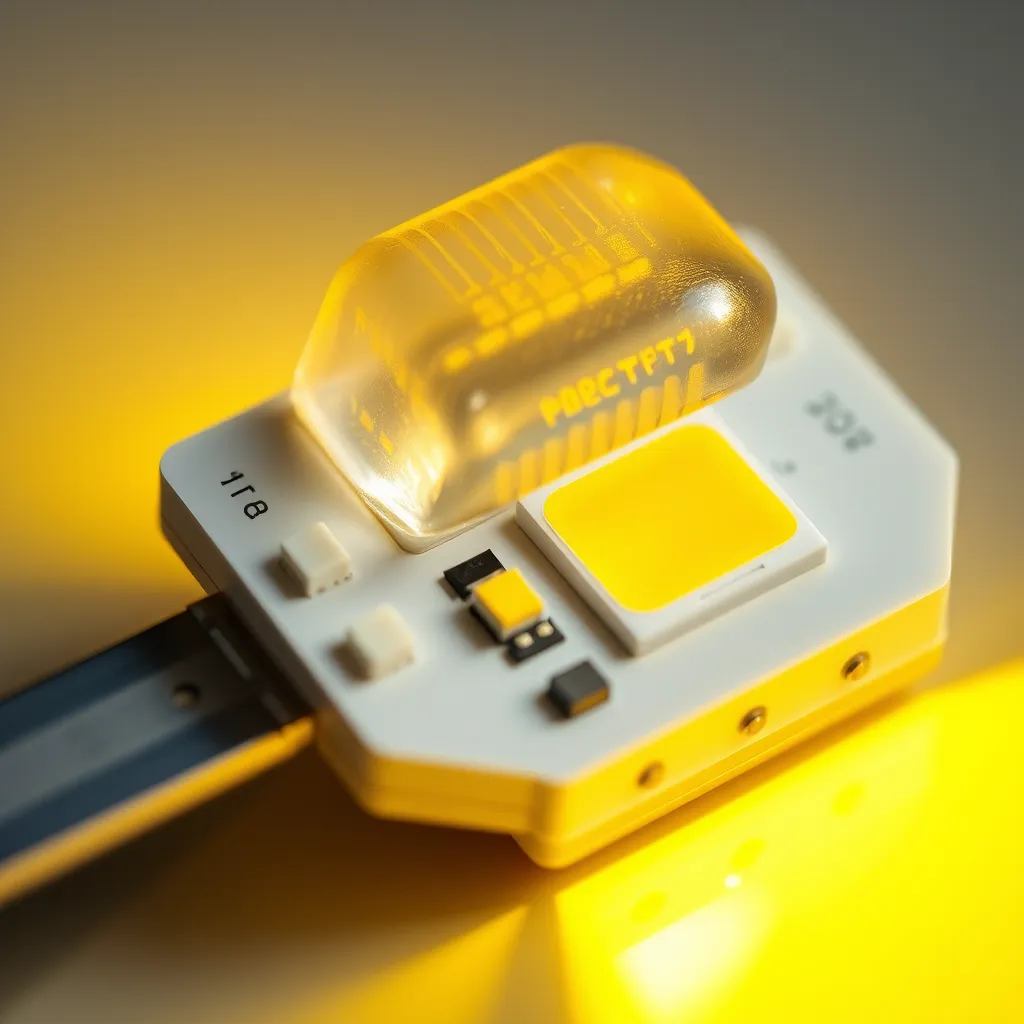
An integrated LED light has the LED chip and driver built permanently into the fixture body instead of a replaceable bulb in a socket. When it finally dims past usefulness, typically after 50,000 to 75,000 hours, you replace the entire unit. In exchange, manufacturers engineer the LED, driver, and housing as one matched system.
Why Manufacturers Build It This Way
Building the LED, driver, and housing as one sealed unit lets engineers optimize heat flow and light output together, rather than designing a bulb that has to work in any generic socket. See our guide on what LED lighting is for the fundamentals behind that engineering.
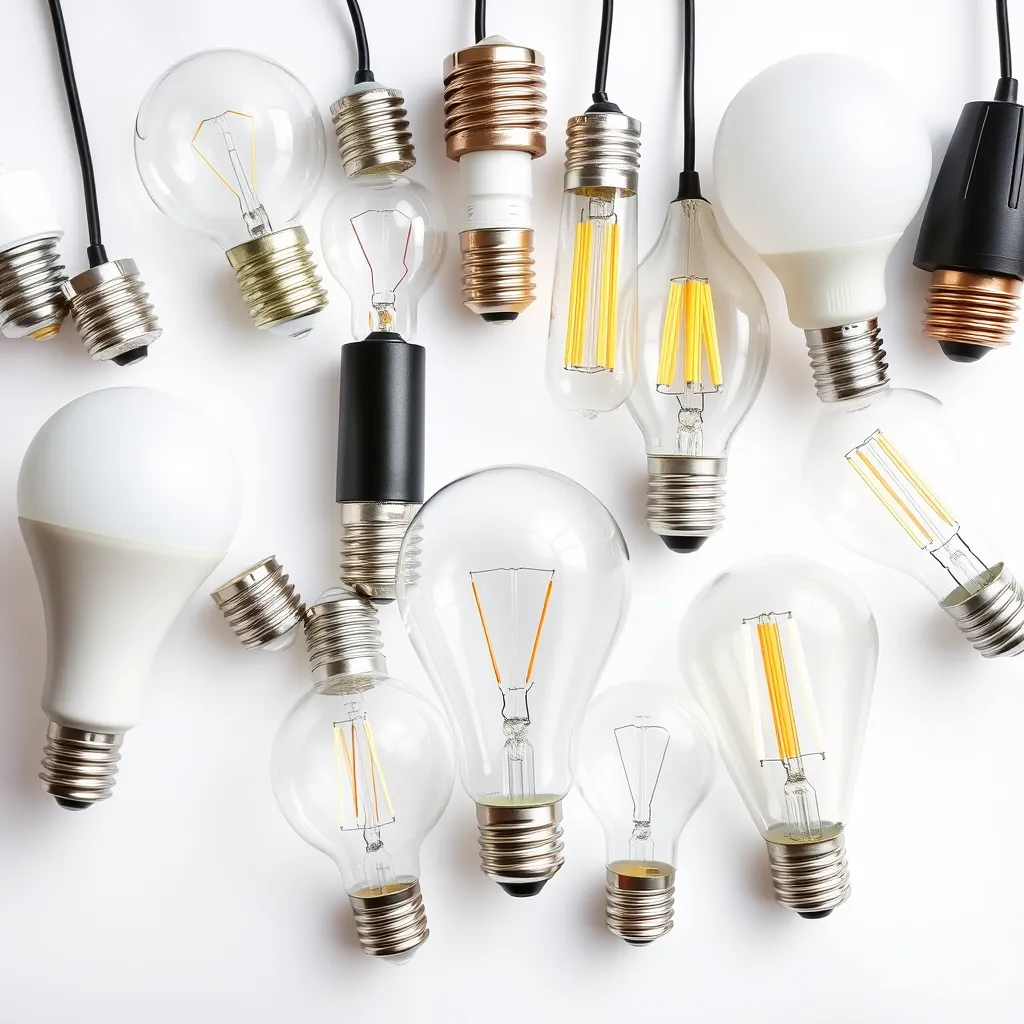
Integrated vs Socket-Based, Side by Side:
Feature | Integrated LED | Socket-Based |
|---|---|---|
Bulb replaceable? | No, entire fixture replaced | Yes, just swap the bulb |
Typical lifespan | 50,000-75,000 hours | 25,000-50,000 (bulb), fixture lasts indefinitely |
Thermal management | Heat sink matched to the module | Generic, bulb dissipates its own heat |
Profile | Very slim, some under 0.5" | Bulkier, needs socket clearance |
Replacement cost | $15-$80+ per fixture | $1-$5 per bulb |
Why Integrated Fixtures Last Longer:
Heat is the main enemy of LED longevity, and integrated fixtures fight it better. The housing itself often serves as the heat sink, aluminum construction pulling heat away far more effectively than a bulb sitting loose in a generic socket.
That's the real reason integrated fixtures reach 50,000 to 75,000 hours against 25,000 to 50,000 for bulb-in-socket setups.
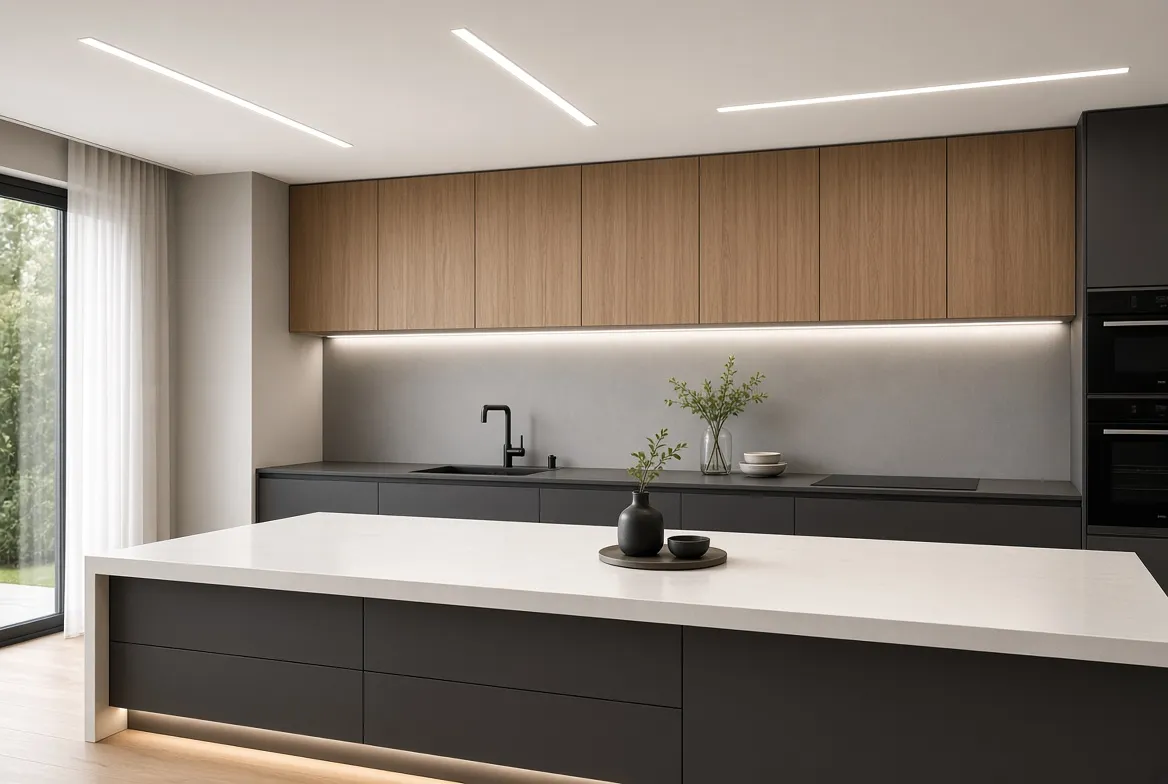
It also frees up space. Without a socket or bulb clearance to design around, canless recessed lights run as thin as 0.5 inches, and under-cabinet bars stay under 1 inch, impossible with a traditional socket design.
What You Give Up:
The obvious cost is repair price, $15 to $80 for a full fixture against $1 to $3 for a bulb. But that replacement lands after 50,000+ hours, over 17 years at 8 hours a day, by which point newer fixtures are likely cheaper anyway.
The bigger limit is flexibility. A socket-based fixture lets you upgrade to higher CRI or a different color temperature any time. An integrated fixture locks in whatever spec it shipped with, if your taste changes, the whole thing gets replaced, not just the bulb. For more on picking the right specs upfront, see our guide on LED light bulbs for socket-based options.
Which One Should You Choose?
Choose integrated when you want the slimmest possible profile, need maximum reliability in hard-to-reach or commercial spots, or want guaranteed light-quality consistency, recessed cans, under-cabinet lighting, and commercial fixtures are the classic fits. COB-based integrated fixtures often push this furthest, see our guide on what a COB LED light is for how that technology fits in.
Choose socket-based when you want the freedom to swap bulbs later, you rent and want to take your bulbs when you move, the fixture is decorative (a chandelier or pendant where the bulb is part of the look), or you like switching between smart bulbs and standard ones as needed.
Conclusion:
Integrated LED lighting treats the light source as a permanent fixture, not a consumable, trading bulb-swapping flexibility for better thermal engineering and a lifespan that can span decades.
For slim, consistent, low-maintenance lighting, integrated wins. For decorative fixtures or spaces where you like changing things up, a traditional socket still has the edge.
(FAQs):
Q1. Can integrated LED lights be repaired?
A: Rarely in consumer fixtures, the module and driver are sealed permanently. Some commercial fixtures use replaceable LED engines, but that's uncommon at home. Given the 50,000 to 75,000-hour lifespan, most homeowners never replace one at all.
Q2. Are integrated LED lights dimmable?
A: Most are, but check the spec sheet for a "dimmable" label and compatible dimmer type (leading-edge, trailing-edge, 0-10V). Since the driver is matched to the exact module, integrated fixtures often dim more smoothly than bulb-in-socket setups.
Q3. How long do integrated LED lights actually last?
A: The rated 50,000 to 75,000 hours is L70 life, the point where output drops to 70% of original brightness, not a hard failure. At 8 hours daily, that's about 17 years, and the fixture keeps working past that, just dimmer.