Every LED fixture, from the high-performance panel in an office to the simple strip light under a kitchen cabinet, relies on a critical component that most people never see: the LED driver. While the visible light comes from the semiconductor chips, the driver acts as the essential power management system. Without this hardware, LEDs would be unable to handle the erratic nature of the electrical grid, leading to near-instant failure.
Think of an LED as a precision instrument that requires a specific, steady flow of electricity. Household power, by contrast, is a high-voltage, fluctuating mess of alternating current (AC). The driver bridges this gap, converting the dangerous, raw energy from your wall into the stable, low-voltage direct current (DC) that delicate LED diodes demand to function safely and efficiently.
How Electrical Regulation Works:
At a technical level, an LED driver performs a two-step conversion process. First, it rectifies incoming AC mains voltage into DC. Second, it uses a switching regulator to step that voltage down to the exact level required by the light source. This is not a simple transformer; it is an active electronic circuit that operates at high frequencies-typically between 50,000 and 300,000 Hz.
Because these regulators cycle so rapidly, they can maintain a constant, steady output even when the building's power supply fluctuates. In a typical home, voltage might drift between 110V and 125V depending on the load from other appliances. A robust driver absorbs these spikes internally, ensuring the LEDs receive a consistent stream of power. This prevents the "dimming and brightening" effect often seen with older incandescent bulbs on unstable circuits.
The efficiency of this process is measured by how much power is converted to light versus how much is lost as heat. High-quality drivers typically achieve 85% to 95% efficiency. If a driver is only 75% efficient, that missing 25% of energy isn't just lost-it turns into heat, which accumulates inside the fixture and significantly shortens the life of the internal components.
Categorizing Power Supplies:
Not all drivers are built for the same purpose. Choosing the correct type is the most common mistake during installation. The distinction lies in how the driver manages the load.
Driver Type | Output Behavior | Best Use Case | Dimming Standard |
|---|---|---|---|
Constant-Current (CC) | Fixed mA, Variable Voltage | Commercial panels, high-power COB chips | 0-10V, DALI, PWM |
Constant-Voltage (CV) | Fixed 12V/24V, Variable mA | LED strips, under-cabinet tape | PWM, TRIAC |
AC LED (Linear) | Direct AC Operation | Budget bulbs, simple retrofits | TRIAC phase-cut |
Constant-Current Operation:
In a constant-current system, the driver pushes a fixed amount of electricity (measured in milliamperes, or mA) through the LEDs. If the LED array heats up and its electrical resistance changes, the driver automatically adjusts its output voltage to ensure the current remains exactly at the target, such as 700mA.
This is the gold standard for high-performance lighting because it prevents "thermal runaway," where an LED draws more power as it gets hotter, eventually burning itself out.
Constant-Voltage Operation:
Constant-voltage drivers are simpler. They act like a standard power brick, providing a steady 12V or 24V output. These are designed for LED strips that already have tiny resistors built into their circuits to limit current. When using these, you simply ensure your total load in watts does not exceed the driver's maximum rating. If you have a 5-meter strip drawing 10 watts per meter, you need at least a 50W driver, though a 60W or 75W unit is better to avoid running the electronics at 100% capacity.
Why Quality Defines Longevity
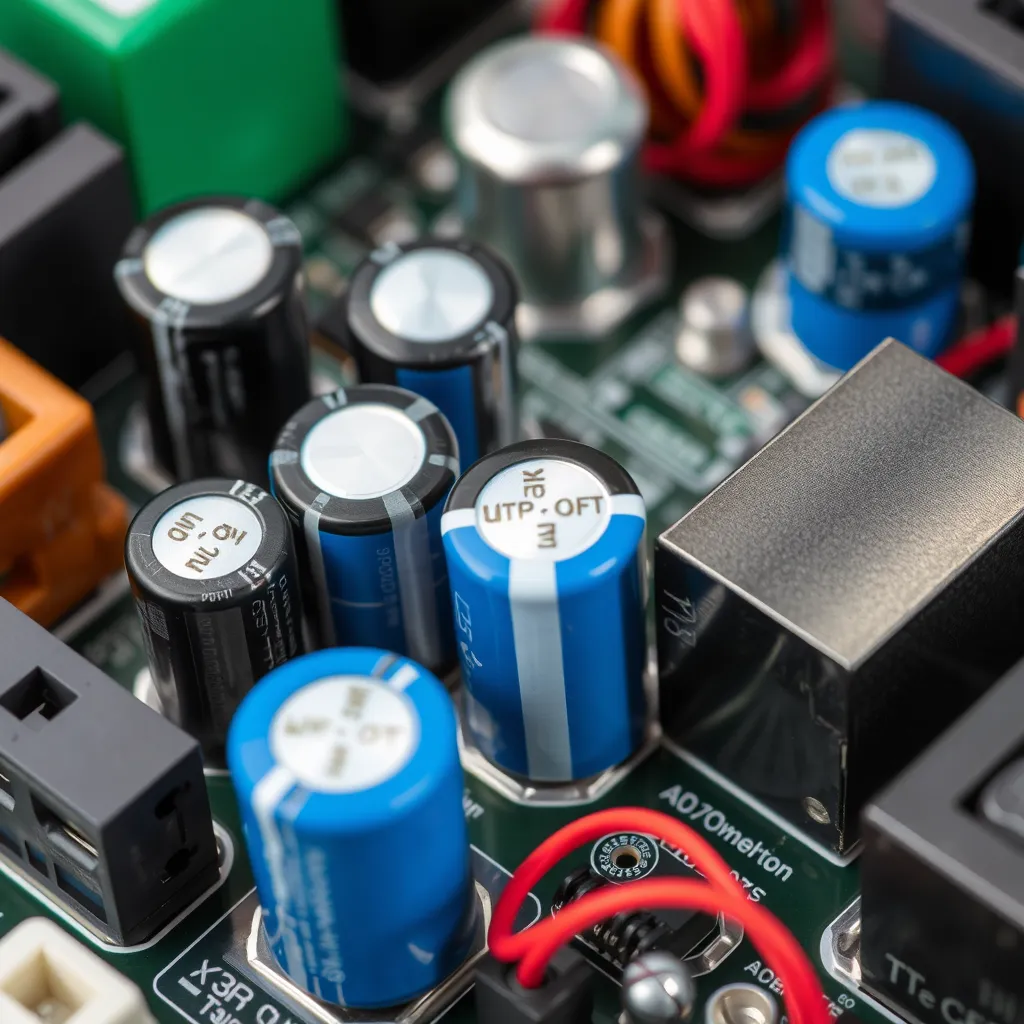
The LED chips themselves can often last 50,000 hours or more, but the driver is almost always the "first to die" component. A cheap driver uses low-grade electrolytic capacitors that dry out when exposed to the heat of an enclosed fixture. In contrast, premium drivers use components rated for 105°C, which can survive years of thermal cycling.
Flicker is another major indicator of driver quality. If a driver doesn't smooth out the AC ripple effectively, the LEDs will pulse at 100 or 120 times per second. While this may look like constant light to the human eye, it can cause subconscious eye strain, headaches, and fatigue. High-end units keep output ripple below 5%, ensuring the light is as steady as sunlight.
Practical Installation and Troubleshooting
When selecting a driver, always account for a "headroom buffer." Never run a driver at 100% of its rated capacity. A 20% safety margin is standard practice; for example, if your total lighting load is 80 watts, use a 100-watt driver. This reduces internal heat, improves efficiency, and extends the life of the entire system.
If you are experiencing issues with flickering or buzzing, the problem is rarely the LEDs themselves. It is almost always a mismatch between the driver and the dimmer switch. If you are using a TRIAC dimmer with a driver that expects 0-10V control, the two systems will fight each other, resulting in audible noise or visible strobing.
Conclusion:
The LED driver is the unsung hero behind every reliable lighting installation, quietly converting volatile AC power into the stable DC current that LEDs need to thrive. Choosing between constant-current and constant-voltage drivers depends entirely on your application, while quality components determine whether your fixture lasts five years or fifteen. Always build in a 20% headroom buffer, match your driver to your dimming protocol, and prioritize units with low ripple to avoid flicker-induced eye strain. When LEDs fail prematurely, the driver is almost always to blame, making this small component the single most important investment in any lighting system.
Frequently Asked Questions
Q1: Can I replace an LED driver myself?
A: If you have experience with household wiring, yes. Always cut power at the breaker before starting. Ensure the replacement driver matches the output voltage (for constant-voltage) or output current (for constant-current) of the original unit exactly. If the fixture is under warranty, contact the manufacturer first, as many high-end fixtures use proprietary connectors or specialized dimming protocols.
Q2: Do all LED bulbs contain a driver?
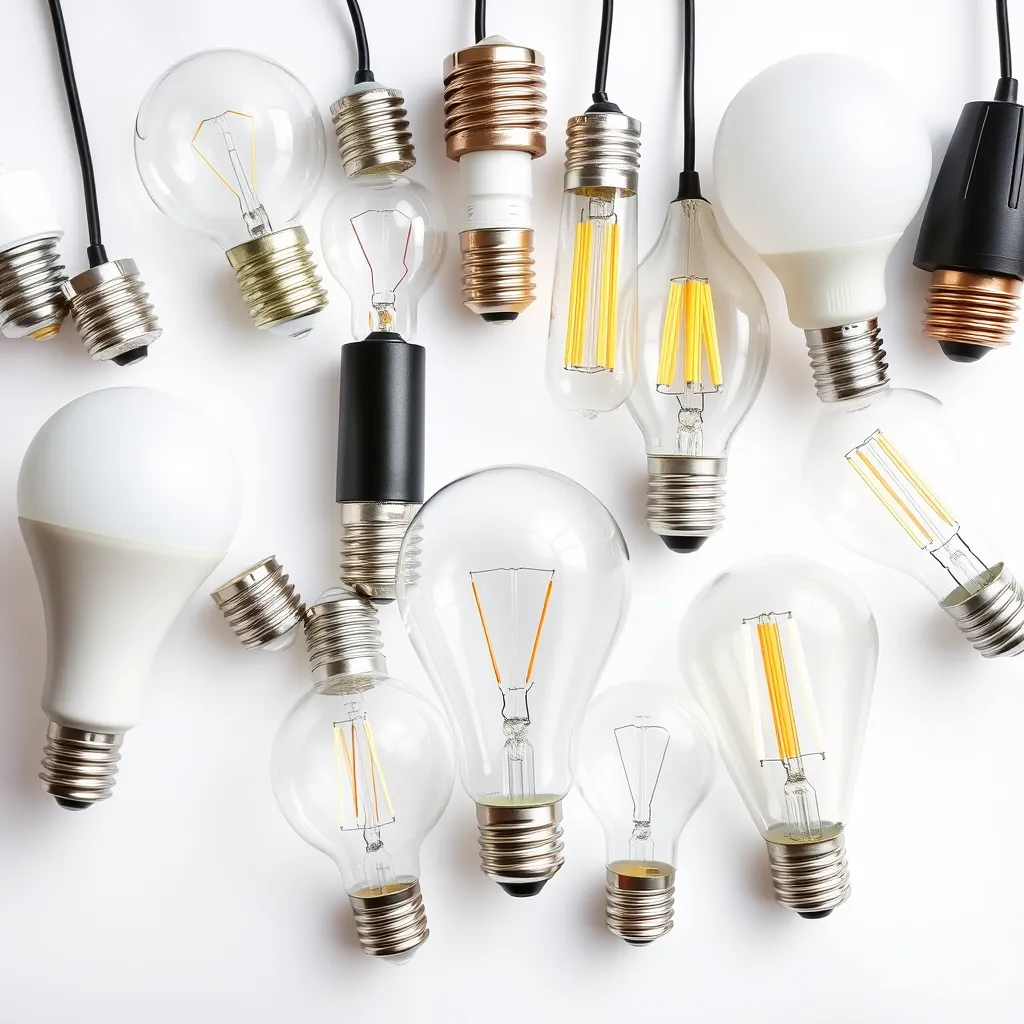
A: Yes. Every E26, E12, or GU10 bulb has a miniature driver integrated into the base. This is why some bulbs are heavier than others; the higher-quality ones contain better heat-sinking and more robust electronic components to manage the conversion process.
Q3: What happens if I use the wrong size driver?
A: Using an undersized driver will cause the LEDs to dim, flicker, or fail prematurely due to overheating. Using an oversized driver (in terms of wattage) is perfectly safe, provided the voltage (for CV) or current (for CC) matches the requirements of the LEDs. The LEDs will only draw what they need, regardless of how much power the driver is capable of supplying.