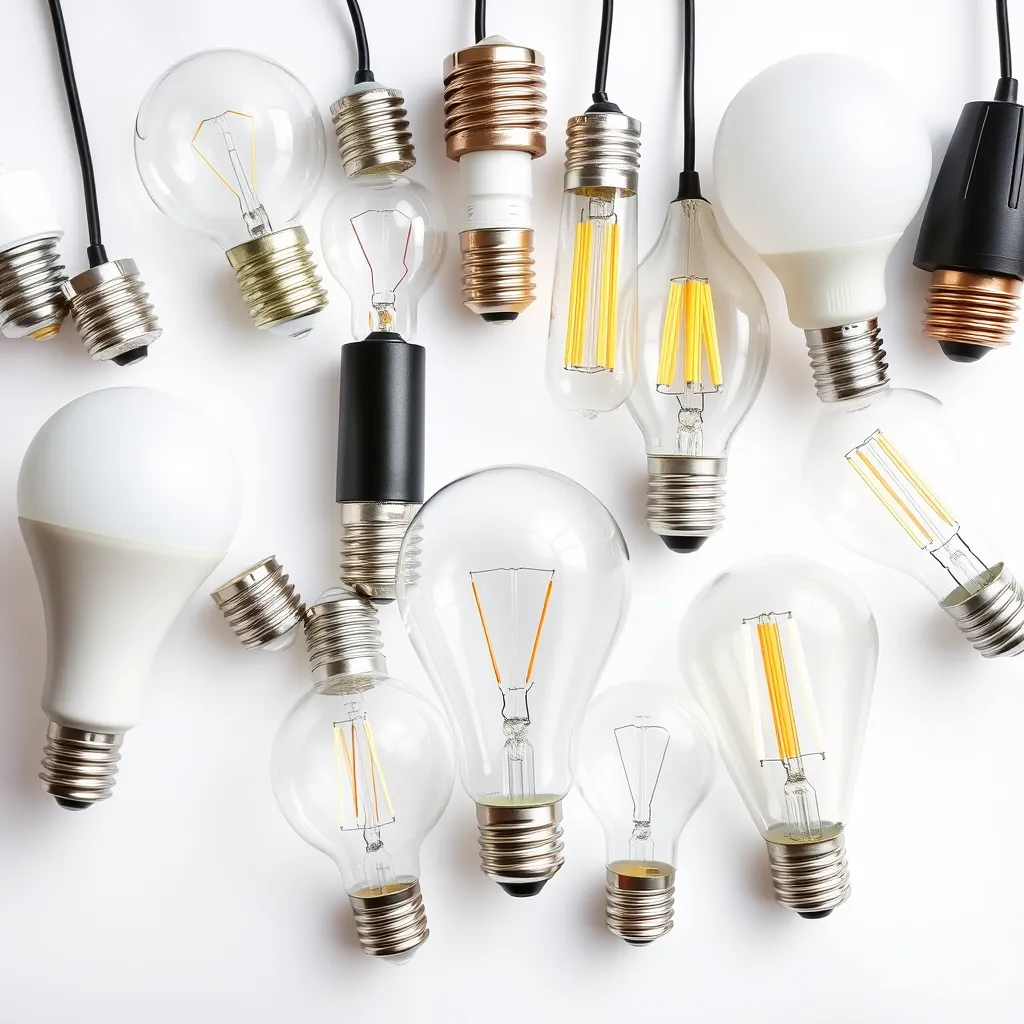
For decades, outdoor lighting has inadvertently created a nightly spectacle of buzzing, swarming insects. The shift to LED technology has brought about significant advancements in energy efficiency and lifespan, but a common question persists: what bugs are attracted to LED lights? While the answer is nuanced, the good news is that LEDs generally attract far fewer insects than their traditional counterparts. Understanding why this is the case, and how to choose and position your LED lights effectively, can dramatically reduce unwanted insect congregations around your home.
Understanding Insect Vision and Light Attraction
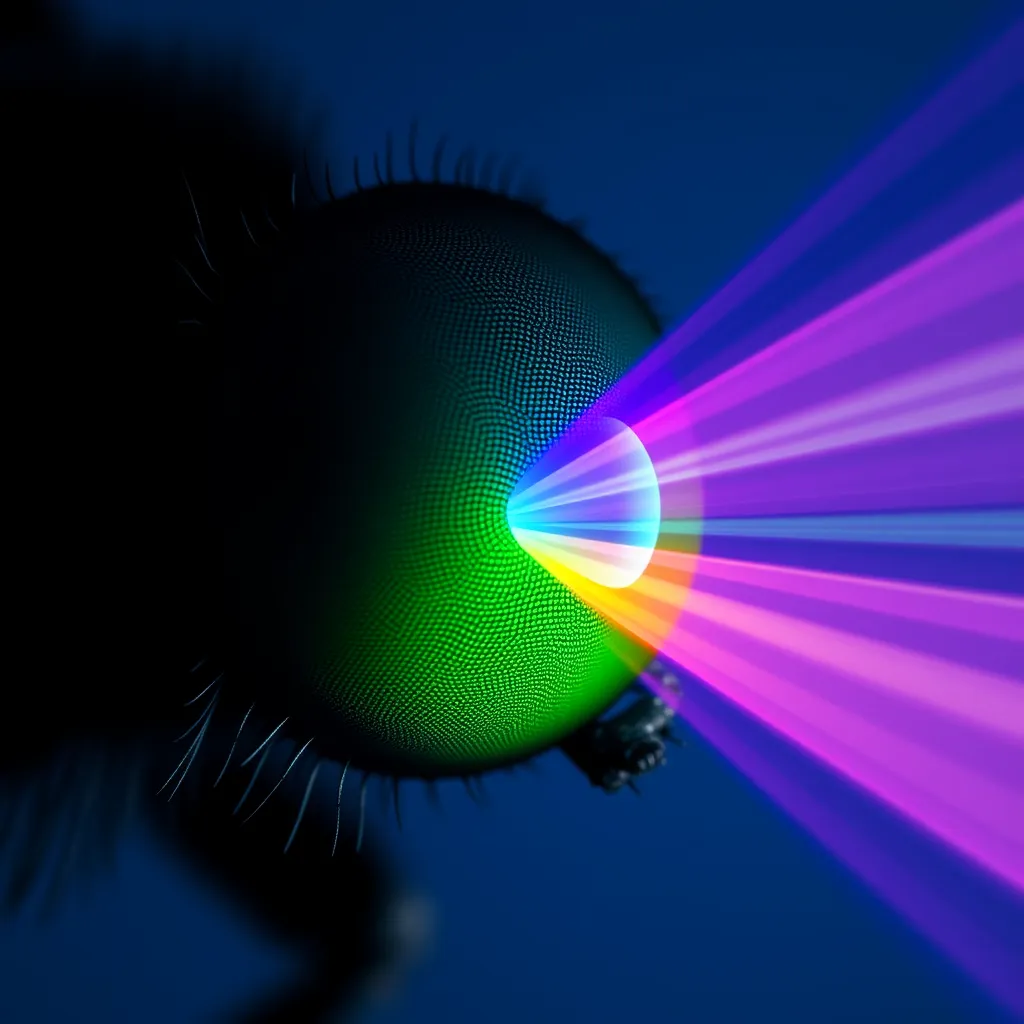
To grasp why certain lights attract insects, we must first understand how insects perceive light. Unlike humans, whose peak visual sensitivity lies in the green-yellow spectrum (around 550 nanometers), most nocturnal flying insects possess compound eyes highly sensitive to ultraviolet (UV) light and shorter visible wavelengths, particularly blue and green (ranging from approximately 300 to 550 nanometers). They often have photoreceptors specifically tuned to these parts of the spectrum, which are abundant in natural celestial light sources like the moon and stars.
This sensitivity is crucial for a behavior known as phototaxis, which is the movement of an organism in response to light. Most flying insects exhibit positive phototaxis, meaning they are drawn towards light. For millennia, insects have used distant celestial light sources for navigation, maintaining a constant angle to the light to fly in a straight line - a process called transverse orientation. When an artificial light source, like a porch light, is introduced at close range, it overwhelms this ancient navigational system. The insect continuously tries to maintain its angle to the perceived "moon," leading it to spiral inwards towards the light source rather than flying past it.
The intensity and spectral composition (the mix of different colors or wavelengths) of artificial light play a critical role in how strongly insects are attracted. Wavelengths beyond the green spectrum, such as yellow, orange, and red (above 550 nanometers), are far less visible to most insect species and therefore elicit a significantly weaker phototactic response.
The Science Behind Light Attraction: LED vs. Traditional Sources
The primary reason LEDs attract fewer insects stems from their fundamental method of light generation and spectral output compared to traditional lighting technologies.
How Light Sources Produce Light and UV
Incandescent and Halogen Lights: These bulbs produce light by heating a filament until it glows (incandescence). A significant portion of their energy is wasted as heat, and they emit light across a broad spectrum, including a substantial amount of UV and short-wavelength visible light (blue/violet). This broad spectrum and UV emission make them highly attractive to a wide range of insects.
Fluorescent and Mercury Vapor Lights: These lights work by passing electricity through a gas, which excites mercury vapor to produce UV radiation. This UV then strikes a phosphor coating on the inside of the bulb, which converts it into visible light. While designed to produce visible light, they inevitably leak significant amounts of UV radiation as a byproduct, making them notoriously effective at attracting insects. Mercury vapor lights, in particular, are among the worst offenders due to their high UV output.
LED Lights (Light Emitting Diodes): LEDs generate light through electroluminescence, where electrons recombine with holes within a semiconductor material, releasing energy in the form of photons. This process is highly efficient and produces light in a very narrow spectral band. Crucially, standard white LEDs generate very little to no UV radiation as a direct part of their light production. White light in LEDs is typically achieved by using a blue LED chip coated with a yellow phosphor, which converts some of the blue light into yellow light, resulting in a white appearance. Because they inherently produce minimal UV and can be engineered to minimize blue light output, LEDs are inherently less attractive to the majority of phototactic insects.
A 2016 study published in Biology Letters provided quantitative evidence, demonstrating that LED lights attracted 50% fewer insects than equivalent incandescent lights and a remarkable 75% fewer than mercury vapor lights. The key differentiator was consistently identified as the significantly reduced UV emission from LED sources.
Spectrum of Attraction: What Wavelengths Do Insects See?
The spectral sensitivity of various insect species determines their attraction to different light colors. While UV and blue light are general attractants for most flying insects, specific species may have peak sensitivities in slightly different ranges.
Insect Type | Attraction Level to LED | Most Attractive Wavelengths | Least Attractive Wavelengths | Primary Attractants (Beyond Light) |
|---|---|---|---|---|
Moths | Moderate to High | UV (300-400nm), Blue (400-500nm) | Yellow, Orange, Red (>550nm) | Pheromones, Food sources |
Beetles | Low to Moderate | UV, Green (500-550nm) | Yellow, Orange, Red (>550nm) | Pheromones, Wood, Plant matter |
Flies/Gnats | Moderate | UV, Blue (400-500nm) | Yellow, Orange, Red (>550nm) | Decaying matter, Moisture, CO2 |
Mosquitoes | Very Low (Light secondary) | UV, Blue (weakly) | Yellow, Orange, Red (>550nm) | CO2, Heat, Lactic acid, Body odor |
Stink Bugs | Moderate | UV, Broad spectrum | Yellow, Orange, Red (>550nm) | Pheromones, Host plants |
Mayflies/Midges | High | UV, Blue-Green (450-550nm) | Yellow, Orange, Red (>550nm) | Water bodies (for breeding) |
As the table illustrates, a common thread among most phototactic insects is their strong response to UV and shorter visible wavelengths (blue/violet). This knowledge is fundamental to selecting LED lighting that minimizes insect attraction.
Optimizing Light Color for Pest Reduction
The single most effective strategy for reducing insect attraction with LED lights is to choose the appropriate color temperature, often measured in Kelvin (K).
Warm White LEDs (2200K - 3000K)
Recommendation: Best standard choice for minimizing insect attraction.
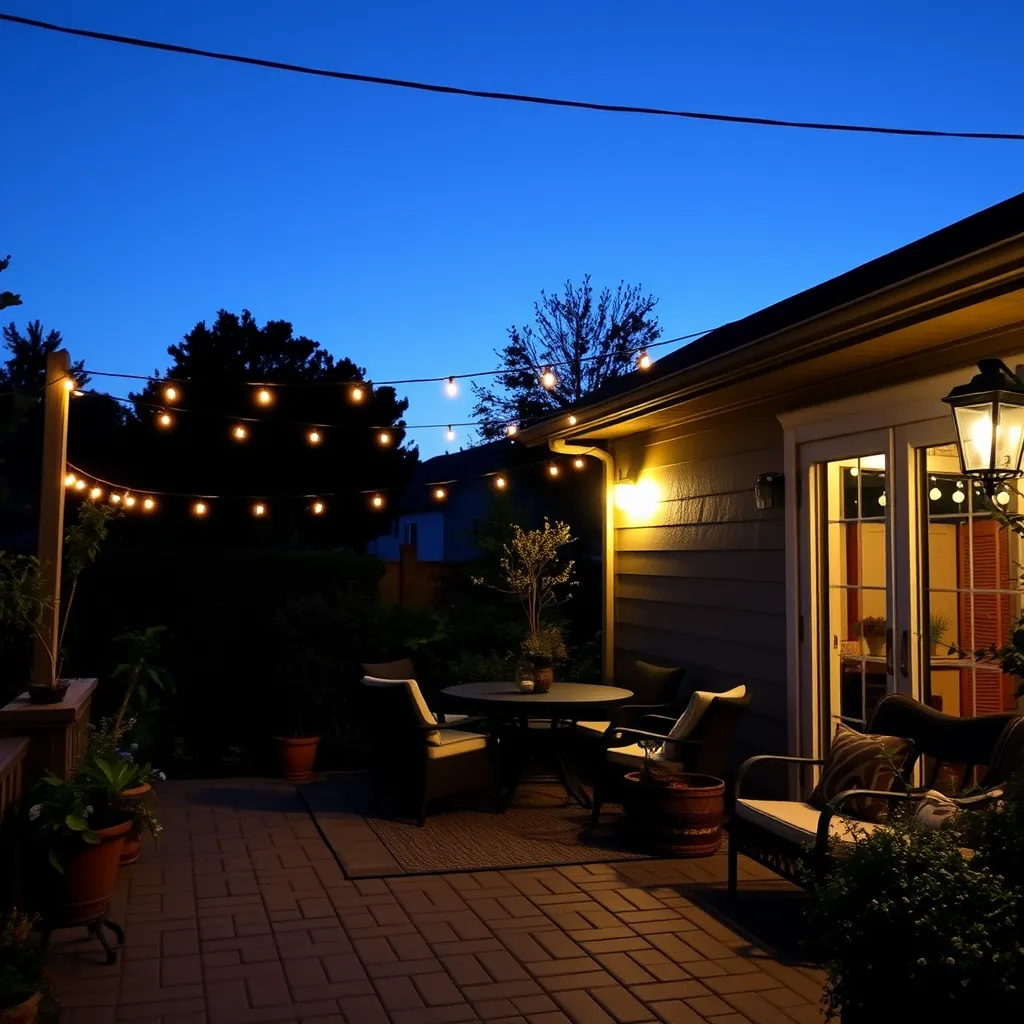
Warm white LEDs, typically in the 2200K to 3000K range, emit light predominantly in the yellow-orange-red end of the visible spectrum. This means they have a significantly reduced blue light component and virtually no UV emission. Research consistently shows that warm white LEDs attract approximately 50-80% fewer insects compared to cool white LEDs of comparable brightness. For most outdoor residential applications-porch lights, patio lighting, landscape accents, and security lights-a warm white LED (e.g., 2700K) is the ideal choice. It provides a pleasant, inviting ambiance while significantly mitigating bug issues.
Amber or Yellow "Bug Light" LEDs (570nm - 590nm)
Recommendation: Superior for extreme insect reduction, but with aesthetic trade-offs.
Dedicated amber or yellow LED "bug lights" are specifically engineered to emit light almost entirely in the yellow-orange spectrum, typically peaking around 590 nanometers. They produce virtually no blue or UV light, making them nearly invisible to the photoreceptors of most flying insects. When compared to standard white LEDs, these specialized bulbs can reduce insect attraction by 80-95%. They are the go-to choice for areas where insect presence is a major nuisance, such as screen porches, outdoor dining areas, or entrances that are frequently opened. The primary drawback is their monochromatic light output, which can make everything appear yellowish, affecting color rendering. This makes them less suitable for tasks requiring accurate color perception.
Colors to Approach with Caution Outdoors
Cool White LEDs (4000K - 6500K+): While still better than incandescent or fluorescent lights, cool white LEDs emit a noticeable amount of blue-wavelength light. This blue component is within the highly attractive range for many insects. If your outdoor space is prone to bug issues, opt for warm white instead of cool white.
Blue LEDs: Blue light is a strong attractant for many insects. Decorative blue LED strip lights or fixtures used outdoors will inevitably draw more bugs than warmer-toned alternatives. Avoid blue LEDs in areas where insect congregation is undesirable.
UV-Emitting "Blacklight" LEDs: These lights are designed to emit UV radiation (typically 365-395nm) and are highly effective at attracting insects. In fact, they are the primary attractant in many commercial insect traps and bug zappers. Unless your explicit goal is to lure insects for trapping, keep these away from living spaces.
Strategic Placement and Fixture Design for Fewer Bugs
Beyond choosing the right color temperature, how you position and enclose your LED lights can significantly impact insect presence.
Optimal Light Positioning
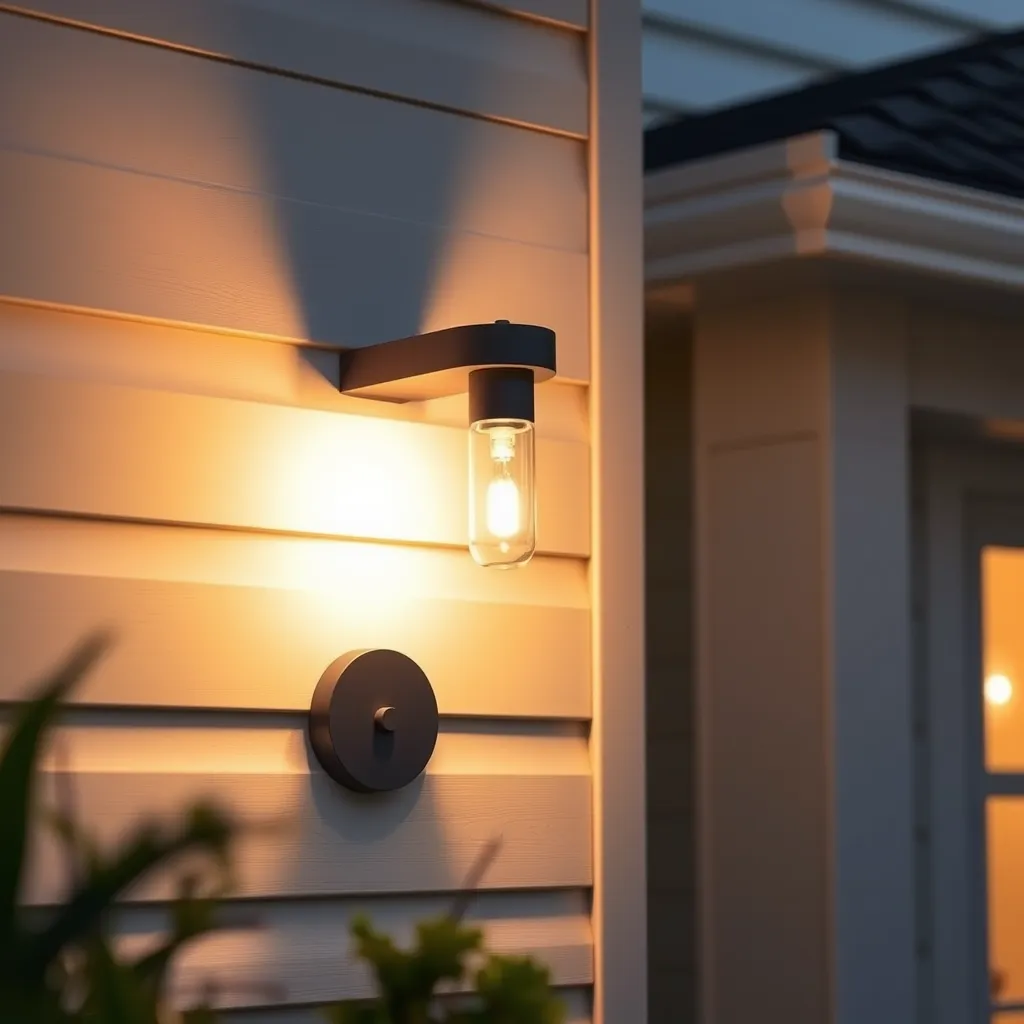
Distance from Entry Points: Mount exterior lights at least 10 to 20 feet away from doors, windows, and other entry points into your home. Lights draw insects to the general vicinity; the closer they are to an opening, the higher the chance of them entering when the door is ajar. If lights must be near an entry, ensure they are warm white or yellow.
Overhead vs. Ground Level: For pathways and landscape lighting, consider fixtures that direct light downwards, illuminating the ground rather than broadcasting light upwards or outwards. This reduces the visible "beacon" effect that attracts insects from a distance.
Away from Water Features: If you have a pond, pool, or other water feature, avoid placing bright lights directly over or next to them. Many aquatic insects, like mayflies and midges, are strongly attracted to light reflecting off water, often leading to massive swarms.
Fixture Design Considerations
Full-Cutoff or Downward-Directed Fixtures: These designs prevent light from escaping upwards or horizontally, directing it only where needed. By minimizing light spill into the night sky, they reduce the overall "glow" that attracts insects from afar, and also help reduce light pollution.
Enclosed and Sealed Fixtures: Choose outdoor fixtures with sealed lenses and tight enclosures. This prevents insects from entering the fixture itself, where they can accumulate, die, and obscure the light output. Cleaning dead bugs out of open fixtures is a common, annoying chore that sealed designs eliminate.
Shielded Light Sources: If a fixture isn't fully enclosed, consider models with shields or baffles that block the direct view of the LED light source from certain angles, further reducing its attractiveness.
Smart Lighting Solutions
Motion-Sensor Activation: Motion-activated LED fixtures are a highly effective bug deterrent. Since they are off most of the time, only illuminating when movement is detected, insects don't have a sustained light source to navigate towards. The brief 15-30 second activation period of most motion sensors is insufficient for significant insect congregation. This approach also conserves energy, offering a dual benefit.
Timers and Dusk-to-Dawn Sensors: Use timers to turn off unnecessary outdoor lighting during peak insect activity hours (typically after dusk). Dusk-to-dawn sensors ensure lights are only on when truly needed, reducing exposure time.
Dimmable LEDs: While not as effective as changing color or using motion sensors, dimming your outdoor LEDs can slightly reduce insect attraction by lowering the overall light output.
Conclusion
LED lights are the smartest choice for minimizing insect attraction around your home. By emitting little to no UV light and producing a narrow spectral output, they naturally draw fewer bugs than incandescent or fluorescent alternatives. For best results, choose warm white (2700K) bulbs, install motion sensors, and position fixtures away from doors and water features. Whether you're protecting a patio or lighting a walkway, thoughtful LED selection delivers a brighter, bug-free outdoor experience without sacrificing energy efficiency or visual comfort.
Frequently Asked Questions
Q1: Are Bug Zappers Effective Against Pests?
A: LED bug zappers that emit UV light (365-395nm) do effectively attract and kill flying insects. However, extensive research, notably by the University of Florida, has consistently shown that these devices primarily kill non-pest insects like moths, beetles, and midges, rather than biting pests such as mosquitoes or biting flies. Less than 0.5% of insects killed by typical bug zappers are mosquitoes. In some cases, bug zappers can even worsen mosquito problems by indiscriminately killing their natural predators. For targeted pest control, mosquito-specific traps that use CO2 and octenol attractants are far more effective than light-based zappers.
Q2: Can Light Alone Solve My Mosquito Problem?
A: No. Mosquitoes are primarily attracted to carbon dioxide (CO2) from human breath, body heat, and skin odors (like lactic acid) - light plays a very secondary role. While warm-white LEDs may slightly reduce mosquito presence near lights compared to cool-white, the effect is modest. For meaningful mosquito reduction, focus on eliminating standing water (breeding grounds), using repellents, fans to disrupt their flight, and mosquito-specific traps that mimic human attractants.
Q3: Will Switching to LED Reduce Bugs in My Garage?
A: Absolutely. Switching from traditional fluorescent tubes or incandescent bulbs in a garage to warm-white LEDs will noticeably reduce the number of flying insects that accumulate, especially when the garage door is open on summer evenings. Fluorescent lights, in particular, are notorious for their high UV emission, making the transition to LEDs a dramatic improvement (expect 50-70% fewer insects). For even greater effect, consider installing a dedicated yellow LED "bug light" near the garage door entrance. However, for complete insect control, remember to also seal gaps around doors and windows, and keep the garage door closed when not actively in use.