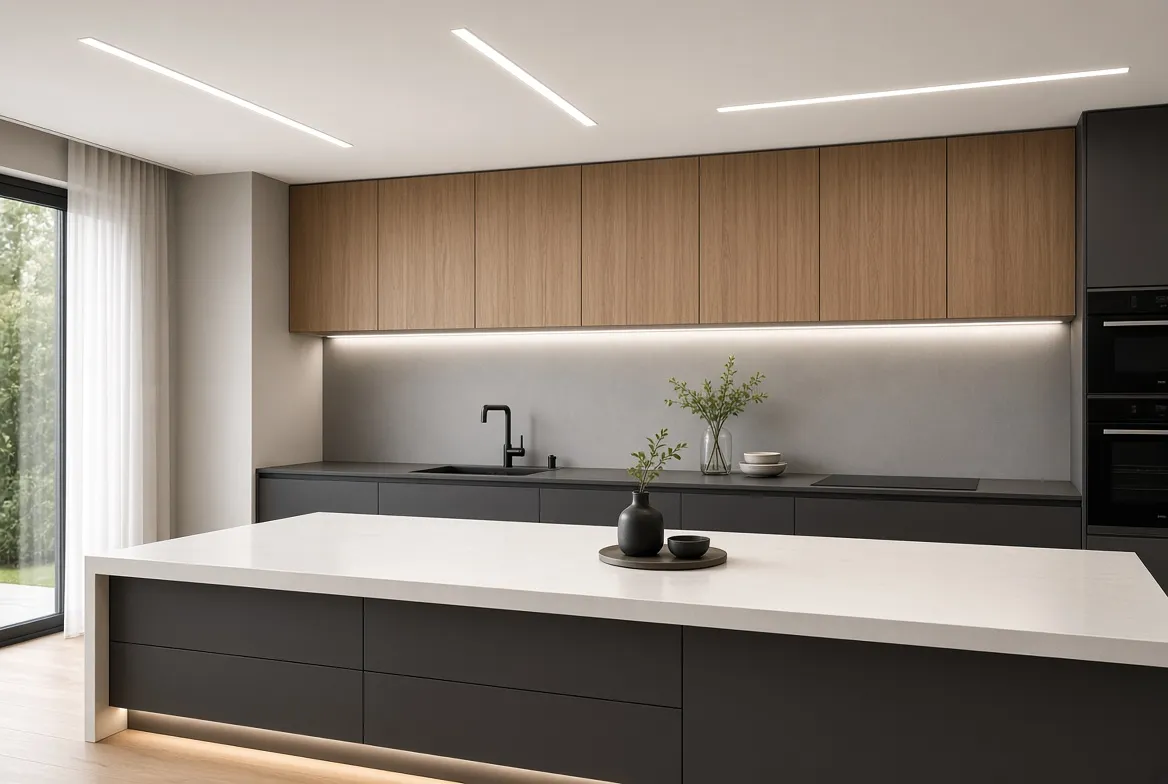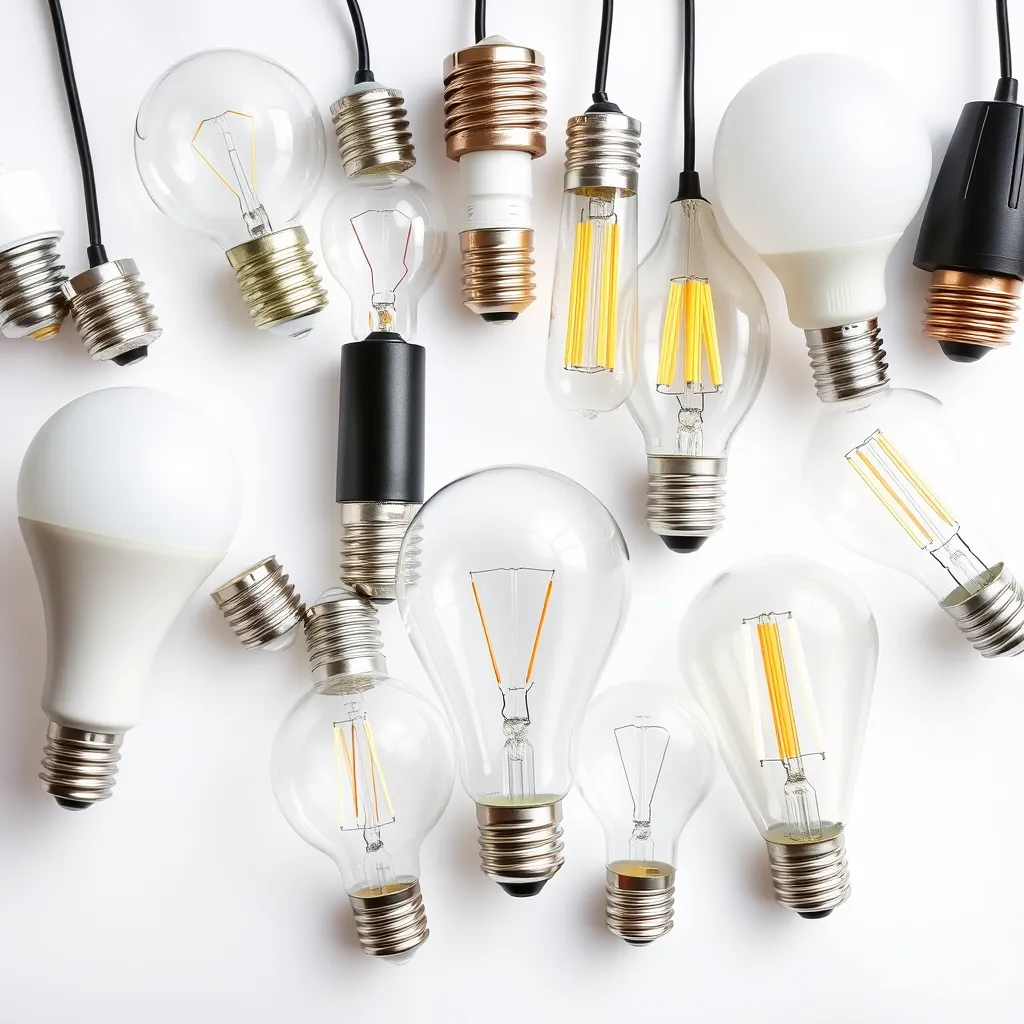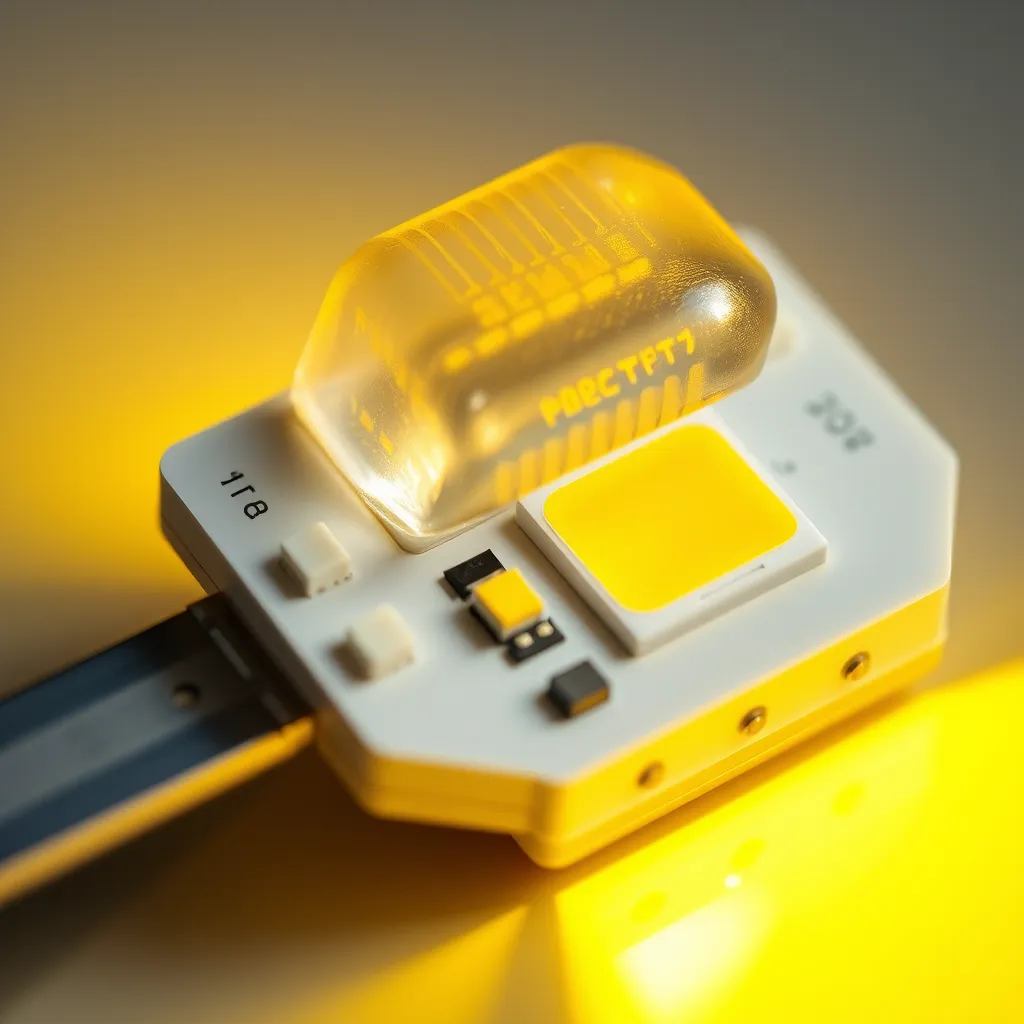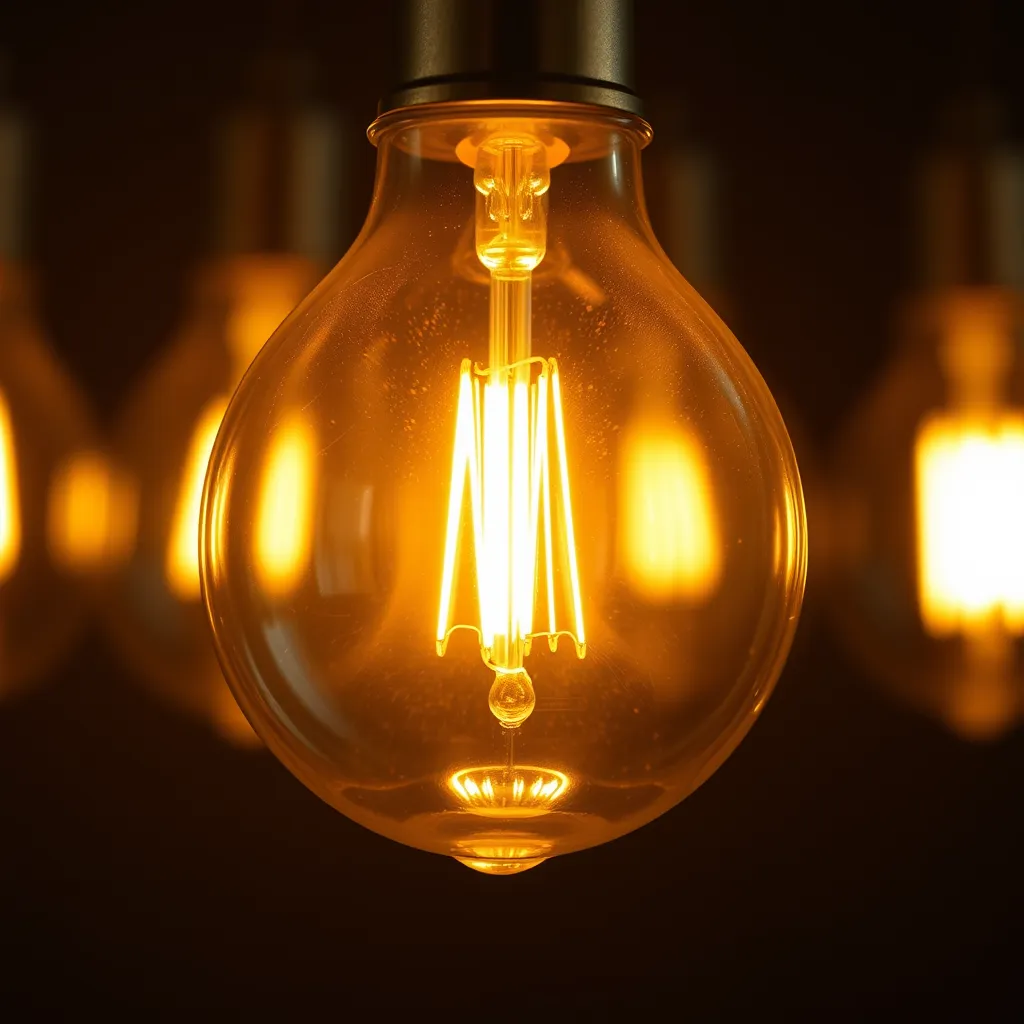
In barely two decades, one technology pushed out the light bulb that had lit homes for over a century. It won because it does something no older bulb could: make light almost without heat, for a fraction of the power.
LED lighting uses semiconductor diodes to make light when current passes through them, releasing energy as photons. Unlike an incandescent bulb that heats a filament until it glows, an LED turns electricity straight into light. Per the U.S. Department of Energy, that means 75% less energy and up to 25 times the lifespan.
The Short Version of Why LEDs Took Over
LED stands for Light Emitting Diode. The tech existed since the 1960s, but usable white LEDs only arrived in the mid-2000s. Once prices fell, they swept the market, and today LEDs are more than half of all lighting sold worldwide.
How LED Lights Actually Make Light:
An LED is a semiconductor with two layers: an N-type with extra electrons and a P-type with electron holes. Apply voltage and electrons cross the junction, dropping into holes and releasing the energy difference as photons, which is visible light.
The material sets the color. Gallium nitride makes blue, which a phosphor coating converts to white. For the full mechanism, see our guide on how LED lights work.
A full bulb has more than the chip. A driver converts 120V AC to the low-voltage DC the chip needs, a heat sink pulls heat off the chip, and a diffuser spreads the light. The quality of each decides the bulb's lifespan and color.
The Main Types of LED Lighting:
LED Type | What It Is | Common Uses |
|---|---|---|
SMD (Surface Mounted Diode) | Small chips mounted flat on a board | Strip lights, panels, bulbs |
COB (Chip on Board) | Many chips packed on one substrate | Downlights, track, spotlights |
Filament LED | Chips arranged like an old filament | Decorative Edison-style bulbs |
Integrated LED | Module built into the fixture | Ceiling panels, recessed lights |
RGB / RGBW | Red, green, blue diodes that mix | Strips, smart bulbs, accents |
The two you will meet most are SMD and COB. Our guide on what an SMD LED is explains the difference in depth.
The 3 Specs That Actually Matter When You Buy:
Lumens measure brightness, not watts. A 60-watt incandescent makes about 800 lumens, and an LED matches that on just 8 to 10 watts. Always compare lumens.
Color temperature in Kelvin sets the mood. 2700K is warm and yellowish, 5000 to 6500K is cool daylight. Warm for living rooms and bedrooms, cool for kitchens and garages.
CRI rates how true colors look, from 0 to 100. Good LEDs hit 80 to 90, premium ones 95+. For kitchens, bathrooms, and art spaces, look for CRI 90 or higher.
Why LEDs Beat Incandescent, Halogen, and CFL:
Four things drove the takeover: far lower energy use, much longer life, falling prices, and efficiency rules. Between 2010 and 2024, the average LED bulb dropped from over $30 to under $3, erasing the last reason to hold out.
The DOE's 2023 efficiency standards effectively ended most traditional incandescent sales in the U.S. And CFLs, the bridge technology of the 2000s, never caught on thanks to slow warm-up, mercury, and poor dimming. LEDs fixed all of it. See the savings in our guide on whether LED lights save money.
Conclusion:
LED lighting won by ditching heat: it turns electricity straight into light, using 75% less energy and lasting 25 times longer than the bulbs it replaced.
When you upgrade, match the color temperature to each room and look for a high CRI where color matters. Quality components mean years without a replacement, better for your wallet and the planet.
(FAQs):
Q1. Are LED lights bad for your eyes?
A: Standard warm-white bulbs (2700 to 3000K) are fine for healthy eyes. Very cool, blue-rich LEDs (6500K+) may add eye strain over long exposure, but that is mainly unshielded industrial fixtures, not household bulbs.
Q2. Do LED lights contain mercury?
A: No. Unlike CFLs, LEDs have no mercury or hazardous materials, so they can go in regular trash in most areas. Recycling is still better, since the electronics hold recoverable metals.
Q3. Can LED bulbs be used in any fixture?
A: Most fit standard E26/E27 sockets as direct replacements. The exception is fully enclosed fixtures, where trapped heat shortens life, so check for an "enclosed fixture rated" label if there is no ventilation.
Q4. Are LEDs really cheaper than they used to be?
A: Dramatically. A bulb that cost over $30 around 2010 is now under $3, and it pays for itself in months through lower energy bills and far fewer replacements.