Chip-on-Board (COB) technology represents a significant shift in how light-emitting diodes are packaged and utilized. While traditional LEDs rely on individual surface-mounted components, a COB LED integrates multiple diode dies directly onto a single substrate. This design creates a unified, high-density light source that behaves more like a single incandescent filament or a solid panel of light rather than a collection of individual points.
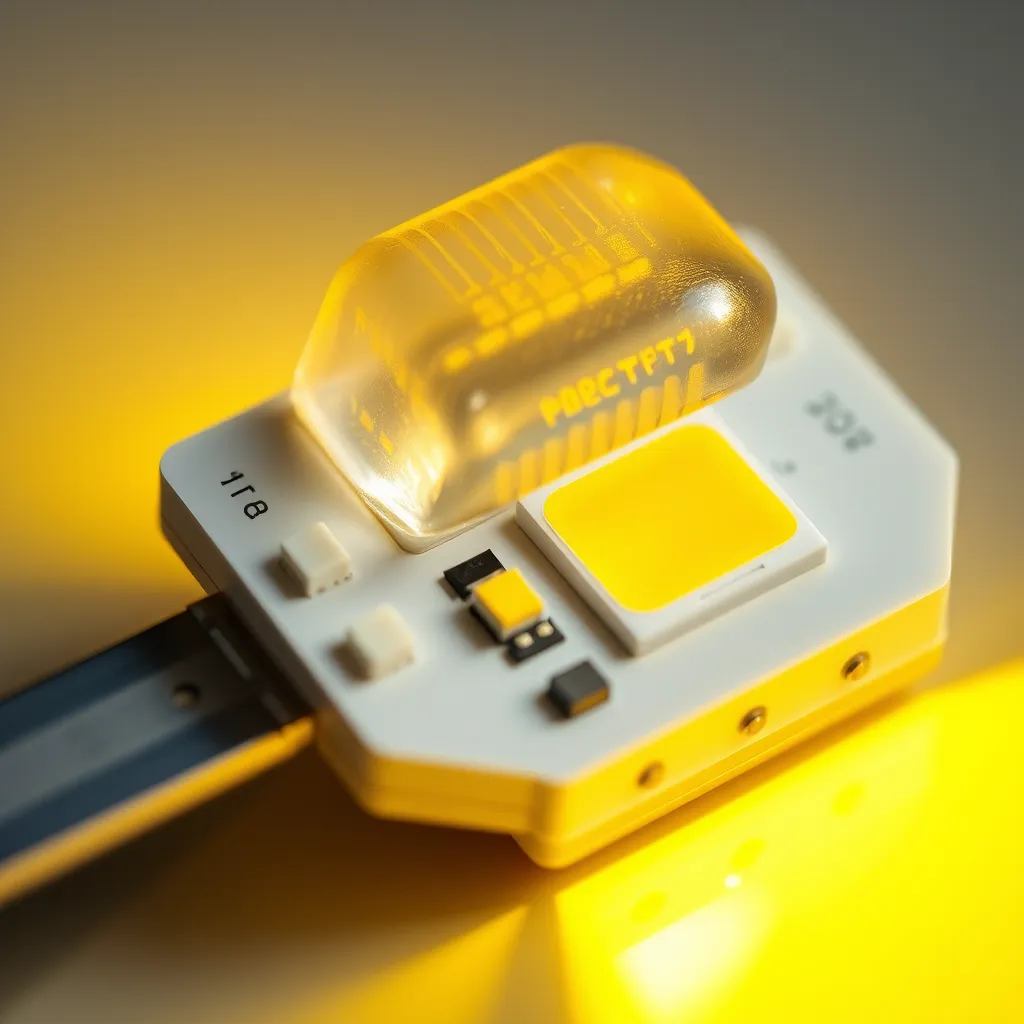
The core of this technology involves mounting bare LED chips-often 9 to 100 or more-onto a thermally conductive base, typically made of ceramic or aluminum. These chips are then covered with a single layer of phosphor. Because the individual dies are not packaged in the traditional sense (with their own plastic housings and reflectors), they can be placed much closer together. This results in a significantly higher lumen output per square inch and a vastly more uniform light distribution.
The Engineering Behind Chip-on-Board Technology
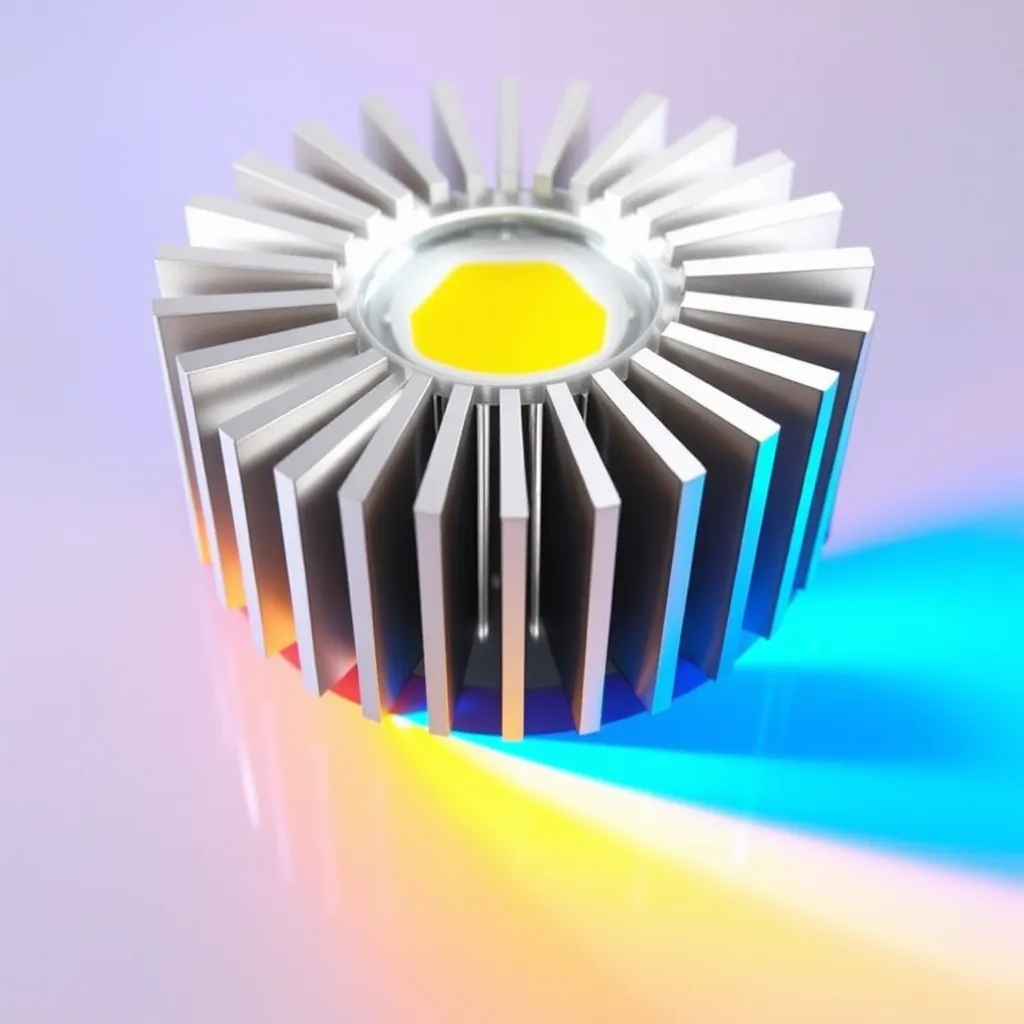
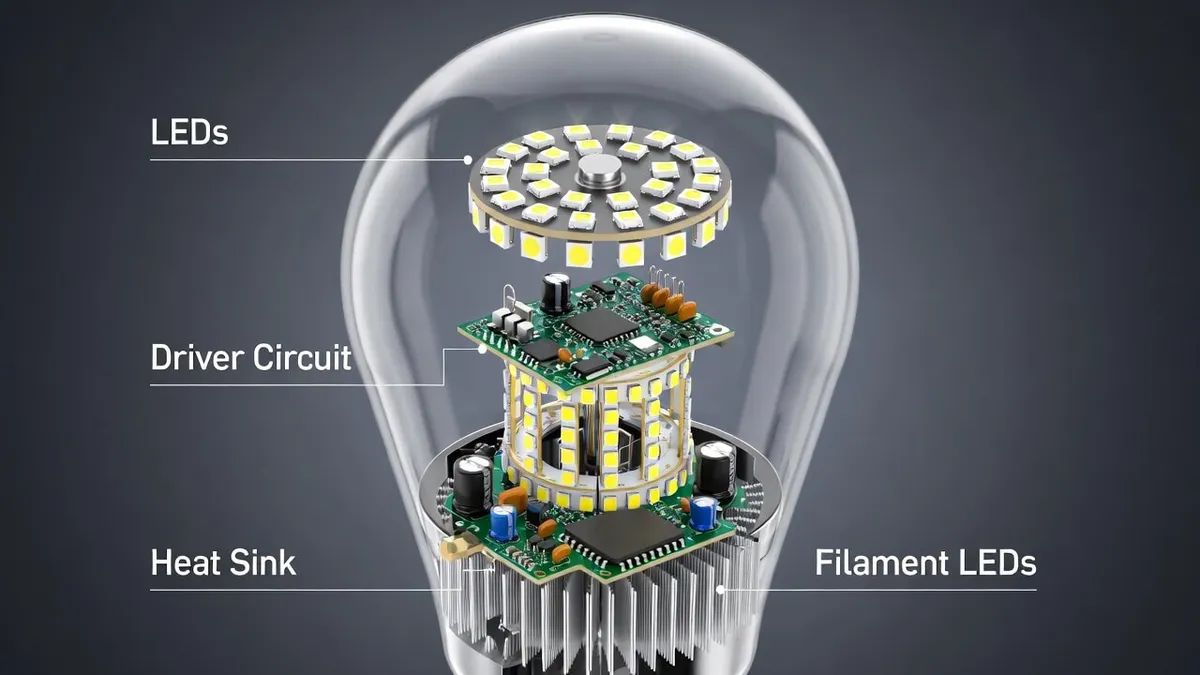
To understand why these modules are preferred in high-end lighting, it is necessary to look at the assembly process. In a standard LED, the semiconductor die is placed inside a package, wire-bonded, and then soldered to a circuit board. In a COB arrangement, the "middleman" package is removed. The bare dies are bonded directly to the substrate using a specialized silver paste or thermal adhesive. This direct contact is vital for thermal management, as it creates a shorter path for heat to travel from the light-producing junction to the heat sink.
Once the dies are bonded and electrically connected-usually in a series-parallel circuit to manage voltage and current-the entire array is encapsulated in a phosphor-silicone mixture. This coating serves two purposes: it protects the delicate wire bonds and converts the native blue light emitted by the LED dies into the desired color temperature, such as warm white (2700K) or daylight (5000K). Because every die shares the same phosphor "bath," the color consistency across the entire light-emitting surface is remarkably stable.
Substrate Materials and Thermal Conductivity
The choice of substrate dictates the lifespan and efficiency of the light. Aluminum substrates are common due to their cost-effectiveness and decent thermal performance. However, high-performance COB modules often use ceramic substrates (like Alumina or Aluminum Nitride). Ceramic offers superior electrical insulation and a thermal expansion coefficient that closely matches the LED dies, reducing mechanical stress during the thousands of heating and cooling cycles the light will undergo.
How COB Compares to Surface Mount Device (SMD) LEDs
For years, the Surface Mount Device (SMD) was the industry standard. You recognize SMDs as the small, square "dots" on common light strips (like the 5050 or 2835 chips). While SMD technology is highly versatile and efficient, it has limitations in high-intensity applications. COB technology was developed specifically to address the "multi-point" shadow effect and the thermal bottlenecks found in dense SMD arrays.
Specification | COB LED Technology | SMD LED Technology |
|---|---|---|
Diode Density | Very high (up to 50+ dies per cm²) | Lower (limited by package size) |
Light Quality | Uniform, "seamless" beam | Visible individual hot spots |
Optical Design | Single lens/reflector needed | Requires complex optics for uniform beams |
Thermal Path | Direct die-to-substrate (excellent) | Die-to-leadframe-to-solder-to-PCB (moderate) |
Color Consistency | High (single phosphor layer) | Variable (depends on chip binning) |
Failure Mode | Single die failure may dim the unit | Single chip failure creates a dark spot |
Eliminating the Multi-Shadow Effect
One of the most practical advantages of this technology is the elimination of multiple shadows. When you use a fixture with multiple SMD chips, each chip acts as an individual light source. If an object is placed in front of the light, it casts several overlapping shadows, which can be distracting in retail or gallery settings. A COB module acts as a single, large light source, producing a soft, clean shadow similar to a traditional halogen bulb but with the efficiency of solid-state lighting.
Thermal Management: The Critical Requirement
While COB LEDs are highly efficient, they concentrate a significant amount of heat in a very small area. An SMD array spreads heat across a larger circuit board, whereas a 50-watt COB module might concentrate that same energy into a space no larger than a postage stamp. Without a properly engineered heat sink, the junction temperature will quickly exceed the safe operating limit (usually around 85°C to 100°C), leading to rapid lumen depreciation or immediate failure.
Engineers use Thermal Interface Materials (TIMs), such as high-grade thermal grease or phase-change pads, to ensure there is no air trapped between the COB substrate and the heat sink. In industrial applications, active cooling (fans) or large passive aluminum fins are required to dissipate the heat. When you choose a COB-based fixture, the weight of the heat sink is often a good indicator of the product's quality and expected lifespan.
Practical Applications of COB Technology
Because of their unique footprint and light characteristics, these modules have become the gold standard in several specific industries. They are not intended to replace SMDs in every scenario, but they dominate where light quality and intensity are paramount.
Architectural and Residential Downlighting
Modern recessed "can" lights almost exclusively use COB modules. They allow for a very small aperture while still providing 1,000 lumens or more. The ability to use a single parabolic reflector with a COB light allows manufacturers to create precise beam angles, from narrow 15-degree spots to 60-degree wide floods, without the "rainbow" fringing often seen in multi-chip LED bulbs.
High-CRI Photography and Studio Lighting
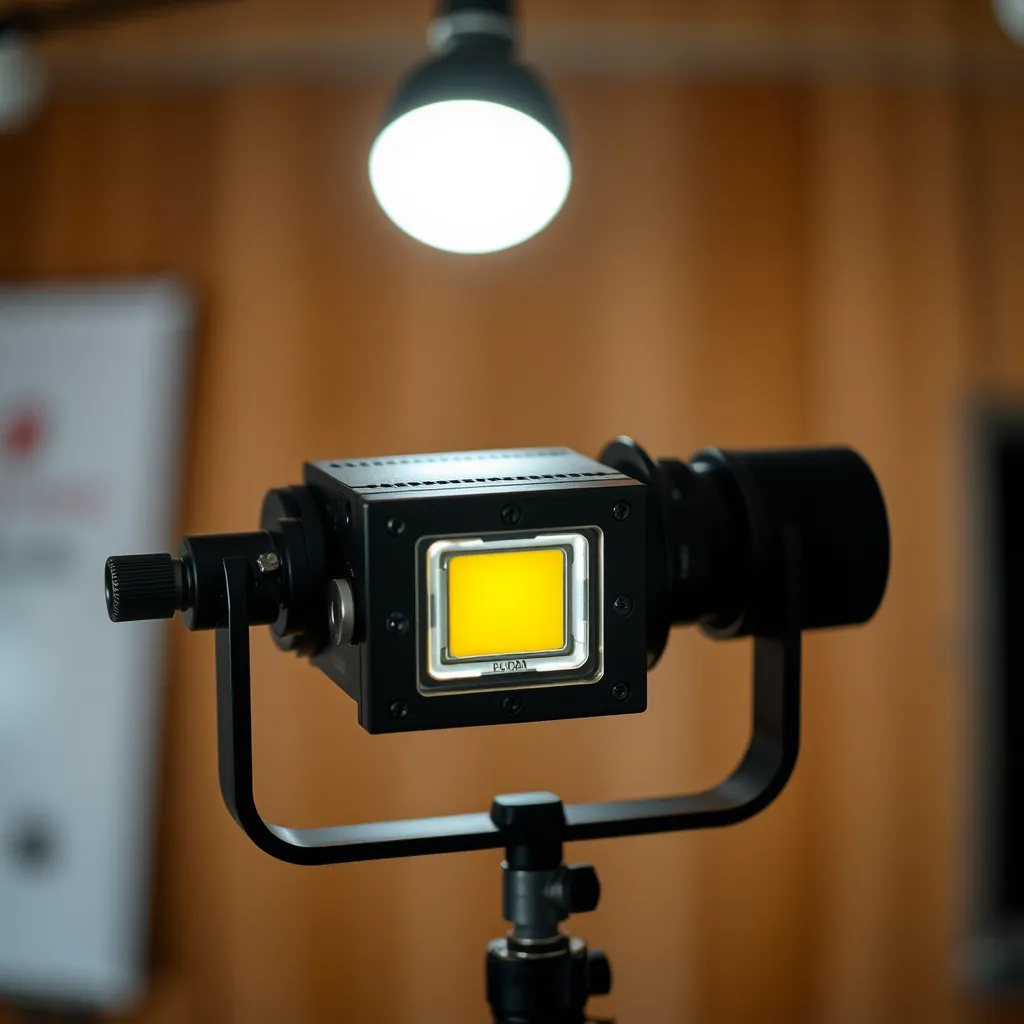
Color Rendering Index (CRI) and Television Lighting Consistency Index (TLCI) are critical for photographers and videographers. COB LEDs are frequently manufactured with CRI ratings of 95 or higher. Because the phosphor is applied in a single, controlled layer, manufacturers can more easily tune the spectrum to ensure that skin tones and fabrics look natural under the light. High-power COB "monolights" have largely replaced hot tungsten lamps and bulky fluorescent softboxes in professional studios.
Horticultural Lighting
In indoor farming, the goal is to provide high Photosynthetic Photon Flux Density (PPFD). COB grow lights are favored because they can penetrate deep into the plant canopy. A single "full spectrum" COB can provide a balanced mix of red, blue, and green light that mimics the sun's spectral distribution, which is often more effective for plant health than the "purple" light produced by older, discrete red and blue LEDs.
Seamless LED Strip Lighting
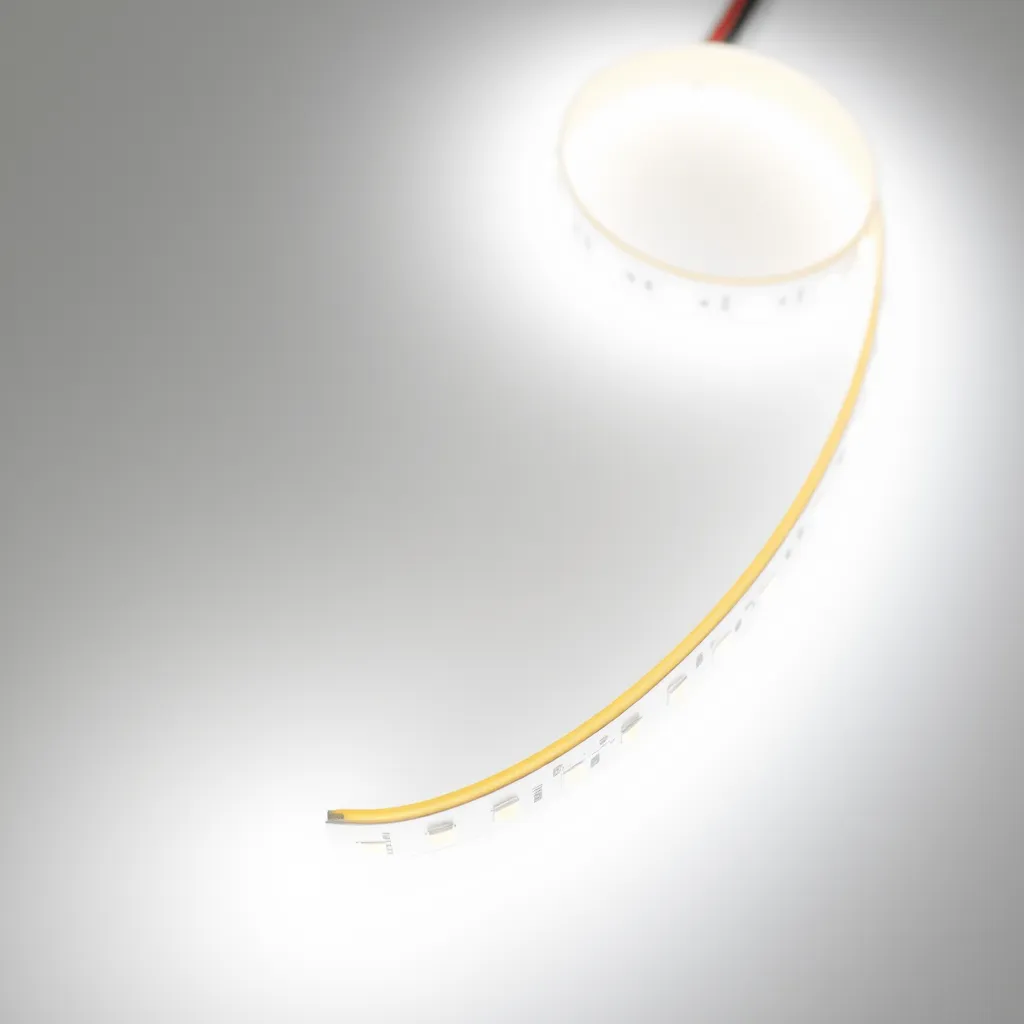
One of the most popular recent innovations is the COB LED strip. Traditional strips leave "dots" of light reflected on shiny surfaces like countertops or tile floors. COB strips place thousands of tiny dies along a flexible PCB, covered by a continuous phosphor ribbon. This creates a "neon" effect where the light is a solid, unbroken line, even when used without a diffusing profile or cover.
Selecting the Right COB Module: Key Metrics
If you are specifying lighting for a project or purchasing COB components, several technical metrics beyond just "wattage" will determine the success of the installation.
Luminous Efficacy: Measured in lumens per watt (lm/W). While some SMDs can reach 150-180 lm/W, high-quality COBs typically sit between 100 and 130 lm/W. The slightly lower efficiency is a trade-off for superior light quality.
Light Emitting Surface (LES): This is the diameter of the actual glowing part of the chip. A smaller LES allows for tighter beam control, while a larger LES is easier to cool and provides a naturally softer light.
MacAdam Ellipse (SDCM): This refers to color consistency between different batches. A "3-step MacAdam Ellipse" rating means the human eye will not be able to perceive any color difference between two different fixtures.
Voltage and Current Requirements: COBs often operate at higher voltages (36V is common) compared to individual 3V LED chips. This requires a dedicated constant-current LED driver.
Common Mistakes to Avoid
When working with COB LED lights, the most frequent error is underestimating the thermal load. Many DIY enthusiasts mount a high-power COB to a thin piece of metal, only to have the light burn out within hours. Always use a heat sink rated for the specific wattage of the module. Another mistake is "overdriving" the chip. While a COB might be rated for a maximum of 1500mA, running it at 1000mA will significantly increase its efficiency and lifespan while reducing heat output.
Additionally, avoid touching the yellow phosphor surface with your bare hands. Skin oils can create "hot spots" on the phosphor coating, which can lead to premature failure or shifts in color temperature. If you do touch the surface, clean it gently with isopropyl alcohol and a lint-free swab before powering it on.
Summary of Benefits and Limitations
COB technology prioritizes the quality of the light and the compactness of the fixture over the absolute maximum energy efficiency found in some SMD designs.
The Pros:
Compact footprint with extremely high lumen density.
Superior color mixing and consistency.
Simplified optical design for reflectors and lenses.
Reduction in "glare" and multi-shadow artifacts.
The Cons:
High thermal density requires heavy, often expensive heat sinks.
Lower efficacy compared to the most efficient SMD chips.
Lack of "pixel" control; the entire module is either on or off.
Higher initial cost for the module and the necessary driver.
Conclusion
Chip-on-Board technology has redefined modern lighting by prioritizing light quality, uniformity, and compact design over raw efficiency. By integrating multiple dies onto a single substrate with a unified phosphor layer, COB modules deliver seamless illumination, superior color consistency, and shadow-free output ideal for architectural, photographic, and horticultural applications. While they demand robust thermal management and specialized drivers, their advantages clearly outweigh the limitations. For projects where visual quality matters most, COB remains the gold standard in solid-state lighting.
Frequently Asked Questions
Q1: Why are COB LEDs more expensive than regular LEDs?
A: The manufacturing process for COB involves more precision. Bonding multiple bare dies directly to a ceramic substrate and applying a uniform phosphor coating is more complex than mass-producing individual SMD packages. Additionally, the high-quality substrates and the need for robust thermal management components increase the total system cost.
Q2: Can COB LEDs change colors like RGB strips?
A: While most COB modules are single-color (White), there are now Tunable White COBs that use two different sets of dies (warm and cool) to allow for adjustable color temperatures. True RGB COB modules exist but are less common because achieving a perfectly uniform color mix without specialized optics is difficult with such tight packing.
Q3: Do COB LEDs require a special power supply?
A: Yes. Because a COB consists of many dies wired in series and parallel, they usually require a specific Constant Current driver rather than a Constant Voltage power supply. You must match the driver's output current (in milliamps) and voltage range to the specifications of the COB module.