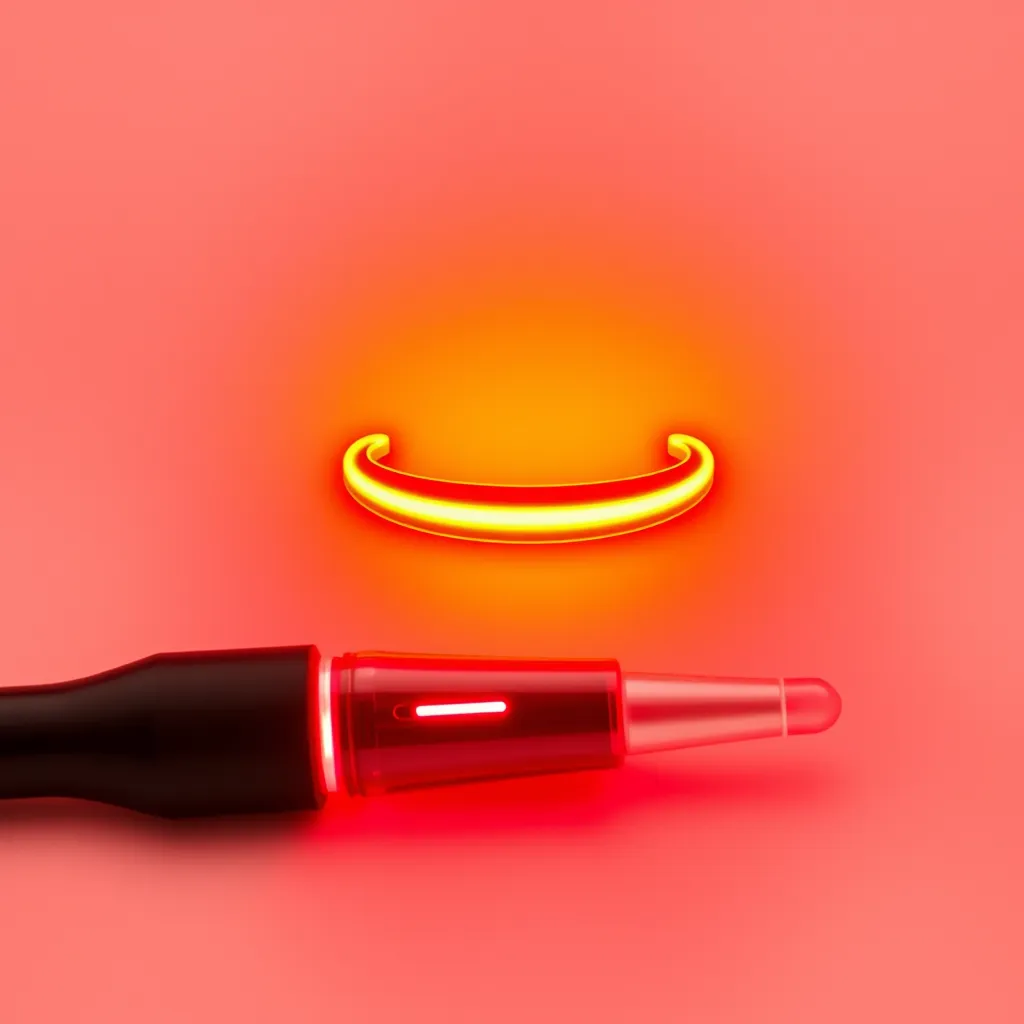
Oral LED light therapy lifts the corners of the mouth by delivering red (630-660 nm) and near-infrared (830-850 nm) wavelengths into the skin and underlying muscles of the perioral area. These wavelengths penetrate 2-5 mm into tissue, stimulating fibroblasts to produce new collagen and elastin while increasing ATP production in mitochondria. Over 8-12 weeks of consistent use, the boosted collagen fills out thinning skin around the mouth and restores firmness to the orbicularis oris muscle complex, which controls lip and mouth movement. The cumulative effect is a subtle but visible lift at the oral commissures (mouth corners) that sag with age.
This process is a form of photobiomodulation, the same mechanism used in medical wound healing and dermatological treatments. It does not produce overnight results, but clinical studies show measurable improvements in skin elasticity and collagen density with regular sessions.
Why Mouth Corners Droop With Age
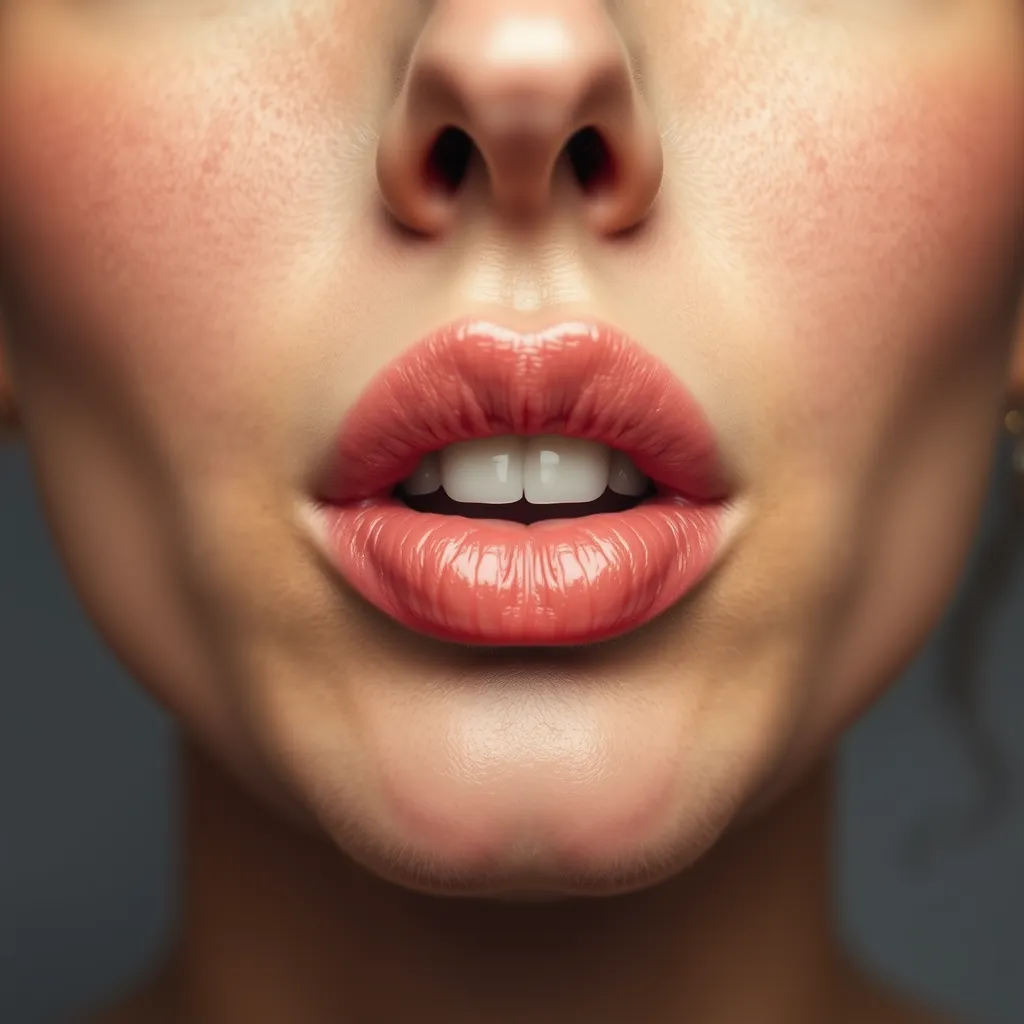
The downward turn at the corners of the mouth, sometimes called marionette lines or oral commissure drooping, results from three simultaneous aging processes. First, collagen production declines by roughly 1% per year after age 25, causing the skin to lose structural support. Second, the depressor anguli oris muscle (which pulls the mouth corners down) gradually overpowers the weakening levator muscles that lift them. Third, fat pads in the midface shift downward due to gravity and volume loss, adding weight that pulls the lower face down. By the mid-40s, these combined forces create a visible downturn that makes the face look tired or unhappy even at rest.
How LED Light Therapy Addresses Each Cause
Collagen Stimulation
Red light at 630-660 nm is absorbed by cytochrome c oxidase in the mitochondria of skin cells. This triggers increased ATP production, which gives fibroblasts the energy to synthesize new collagen and elastin fibers. A 2014 study published in Photomedicine and Laser Surgery found that subjects treated with 630 nm red light showed a 31% increase in collagen density after 30 sessions. The new collagen fills out the thinning dermis around the mouth, providing structural scaffolding that supports the skin from beneath.

Muscle Toning
Near-infrared light (830-850 nm) penetrates deeper into tissue, reaching the muscle layer. It reduces inflammation in fatigued perioral muscles and improves cellular energy production within muscle fibers. Some oral LED devices combine light therapy with microcurrent or EMS (electrical muscle stimulation) to actively contract and strengthen the muscles that lift the mouth corners. The combination addresses both the skin and muscle components of drooping simultaneously.
Improved Circulation
LED light therapy promotes nitric oxide release in blood vessel walls, causing vasodilation and increased blood flow to treated areas. Better circulation delivers more oxygen and nutrients to the skin and muscles around the mouth while removing metabolic waste products more efficiently. This improved blood flow supports the healing and regeneration processes that ultimately create the lifting effect. Enhanced microcirculation also reduces puffiness and fluid retention in the lower face.
What Devices Are Used
Device Type | How It Works | Session Time |
|---|---|---|
Oral LED mouthpiece | Fits inside the mouth, delivers light from inside the oral cavity outward | 10-15 minutes |
External LED panel (perioral) | Held or strapped against the lower face, delivers light through the skin | 10-20 minutes |
LED mask with mouth zone | Full-face mask with targeted LEDs around the mouth area | 10-20 minutes |
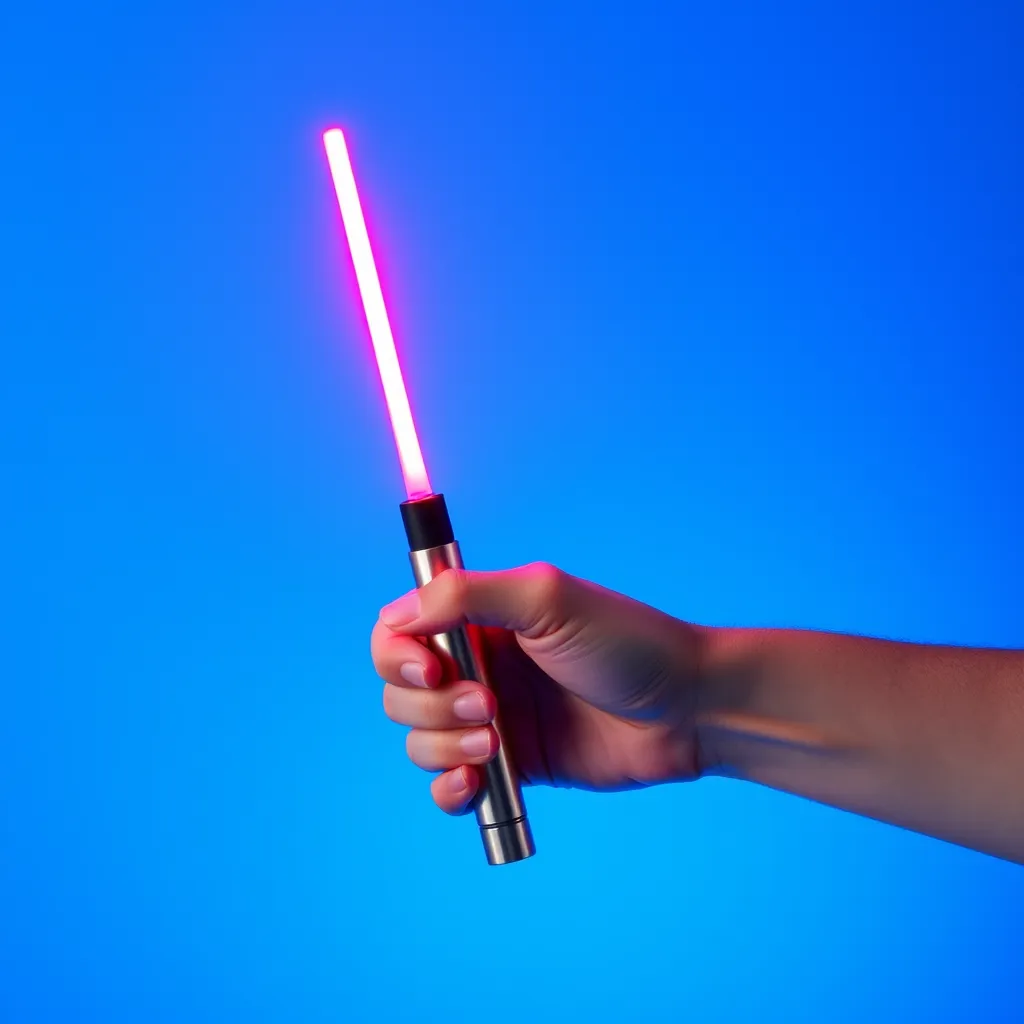
Handheld LED wand | Manually moved across the perioral area for targeted treatment | 5-10 minutes per area |
Oral mouthpiece devices deliver light from inside the mouth, which allows shorter tissue penetration distances to reach the target muscles and collagen layers. External devices must penetrate through the full thickness of skin, so they typically require higher power densities and longer treatment times to achieve comparable energy delivery to the perioral tissues.
Realistic Expectations and Timeline
LED light therapy for mouth corner lifting is a gradual process, not an instant fix. Most users report noticing subtle improvements in skin texture and firmness around weeks 4-6 of daily use. More noticeable lifting at the mouth corners typically becomes apparent at 8-12 weeks when cumulative collagen remodeling reaches visible levels. Clinical studies on facial LED therapy generally use 3-5 sessions per week over 8-12 weeks as the standard treatment protocol.
The degree of improvement depends on age, skin condition, and how much drooping has already occurred. LED therapy works best for mild to moderate commissure drooping. Severe sagging with significant volume loss may require complementary treatments such as dermal fillers or thread lifts for meaningful correction. LED therapy can still be used alongside these procedures to enhance and maintain results.
Conclusion
While oral LED light therapy offers a non-invasive way to lift the lower face, it is important to view it as a long-term commitment rather than a quick fix. Unlike injectable fillers that provide immediate volume, photo-biomodulation works by slowly rebuilding the biological foundations of your skin and muscle. This gradual approach results in a more natural look, as the lifting effect comes from your body’s own collagen and improved muscle tone rather than an external substance.
To maximize the lifting effect at the corners of the mouth, consider a multi-modal approach. Pairing daily LED sessions with facial massage or targeted exercises can help maintain the strength of the levator muscles, while high-quality topical serums can support the skin's surface barrier. As light therapy technology continues to miniaturize, these targeted oral treatments are becoming a practical staple for those looking to age gracefully without surgical intervention.
Frequently Asked Questions
Q1: Is oral-LED light therapy safe?
A: Yes. LED light therapy is FDA-cleared for cosmetic use and does not emit UV radiation. The wavelengths used (red and near-infrared) are non-ionizing and do not damage DNA or cause burns when used at recommended power levels. Side effects are rare and typically limited to mild warmth during treatment. People with active oral infections, photosensitivity disorders, or those taking photosensitizing medications should consult a dermatologist before starting treatment.
Q2: How often should I use an oral LED device?
A: Most manufacturers recommend 3-5 sessions per week, with each session lasting 10-20 minutes depending on the device's power output. Consistency matters more than session length. Daily use for 10 minutes produces better results than occasional 30-minute sessions. After the initial 12-week treatment period, most users reduce to 2-3 maintenance sessions per week to preserve the collagen gains.
Q3: Can LED therapy replace fillers for marionette lines?
A: LED therapy and dermal fillers work through completely different mechanisms. Fillers add immediate volume beneath the skin, while LED therapy stimulates your body's own collagen production over weeks. For mild drooping, LED therapy alone may provide sufficient improvement. For moderate to severe marionette lines, fillers deliver faster and more dramatic results. Many dermatologists recommend using LED therapy as a complement to fillers, helping the results last longer by continuously stimulating collagen around the treatment area.