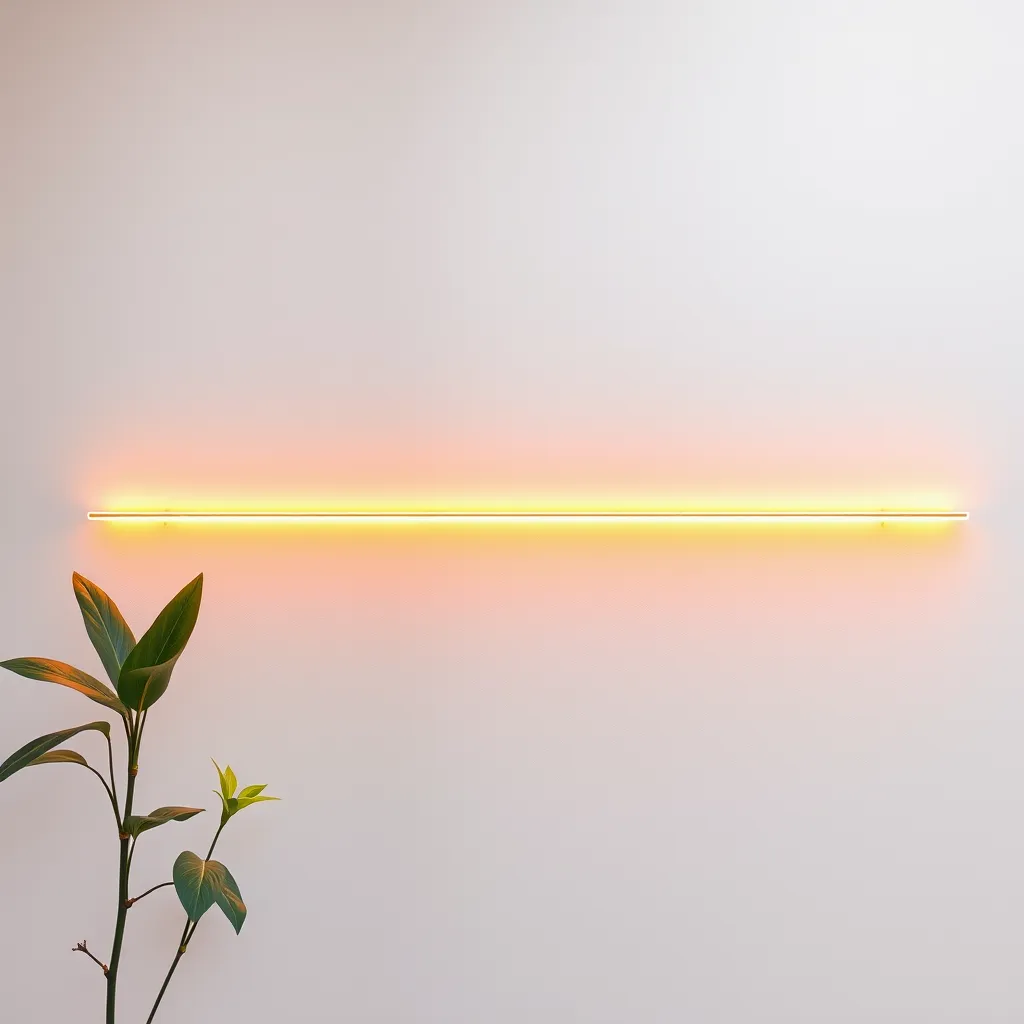
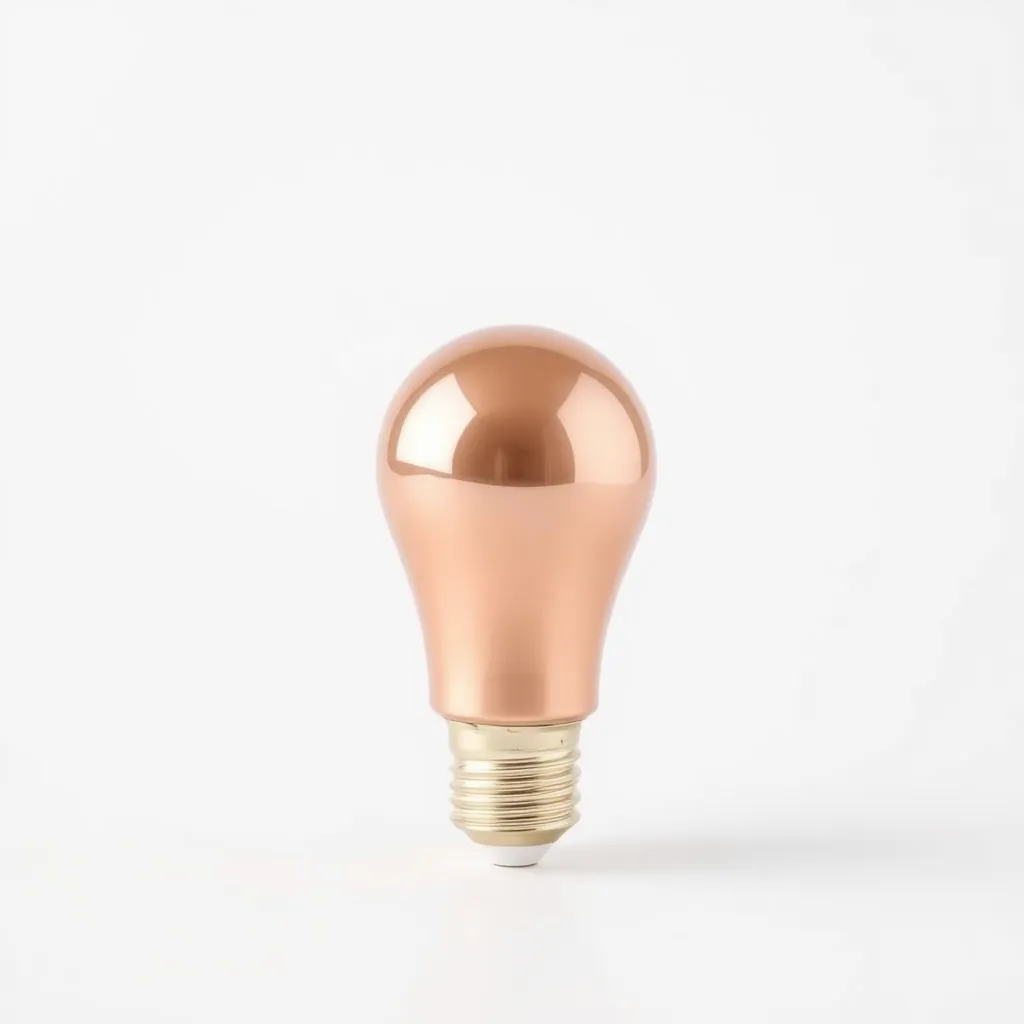
Rose gold on LEDs is a soft, warm pink with a coppery-gold undertone - think blush mixed with a little amber. Here's the catch that trips most people up: rose gold is a metallic color, and LED strips can't do metallic, so you fake the glow with a warm pink, lower brightness, and a bit of diffusion. Get the values right and any RGB strip, bulb, or RGBIC setup can give you that pretty pink-gold wash. For a quick start, try RGB (255, 160, 150) - hex #FFA096 - at about 50% brightness, then tune from there.
The one thing to know first: the "official" rose gold color is #B76E79 (RGB 183, 110, 121), but punched into a bright LED strip it looks like a muddy, dark mauve - not the glow you pictured. The fix is always the same: lighten + warm + dim + diffuse.
The Rose Gold Cheat Sheet
Setting | What to dial in |
|---|---|
Easy glow (custom RGB) | RGB (255, 160, 150) / hex #FFA096 |
Softer, paler rose | RGB (224, 191, 184) / hex #E0BFB8 |
Deeper, dustier "true" rose gold | RGB (183, 110, 121) / hex #B76E79 |
Brightness | 40-60% - not full blast |
Blue channel | keep it low (around 120-160 of 255) |
Diffusion | always - bounce, frost, or shade it |
Best hardware | RGBIC or RGBWW (RGB + warm white) |
How to Dial It In (Step by Step)

1. Start with a warm pink base
Rose gold lives in the pink family - HSL hue around 351°, just shy of red. On an RGB light, start with red near full (240-255), green in the middle (150-180), and blue a little lower (130-160). That gives you a warm pink instead of a cold, bluish one.
2. Add the "gold"
The gold in rose gold is really just warmth. Nudge the green up and the blue down a touch - say RGB (255, 175, 140) - and the pink picks up a soft peachy-copper cast. Too much blue kills the gold and leaves you with plain pink; too little green leaves you with red. Small moves here make the difference.
3. Dim it down
Rose gold is gentle, never neon. Run it at 40-60% brightness. At full blast, even the right color reads as harsh hot-pink; pulling it back is what makes it look soft and expensive.
4. Diffuse it
A bare strip is a hard line of colored dots; rose gold wants to be a wash. Bounce it off a white or pale wall, tuck it behind a headboard or shelf, or run it through sheer fabric. Diffusion is what turns "pink light" into "rose gold glow," and it also hides the muddy look on cheaper strips.
5. Blend in warm white (RGBIC / RGBWW)
If your strip has a warm-white channel, mix a little in - it adds the metallic warmth that RGB alone can't, and softens the pink toward true rose gold. On RGBIC strips you can run a gentle gradient, say #FFA096 into a paler #E0BFB8, to mimic the way the metal catches light.
Doing It With Your Specific Lights
Basic RGB strips
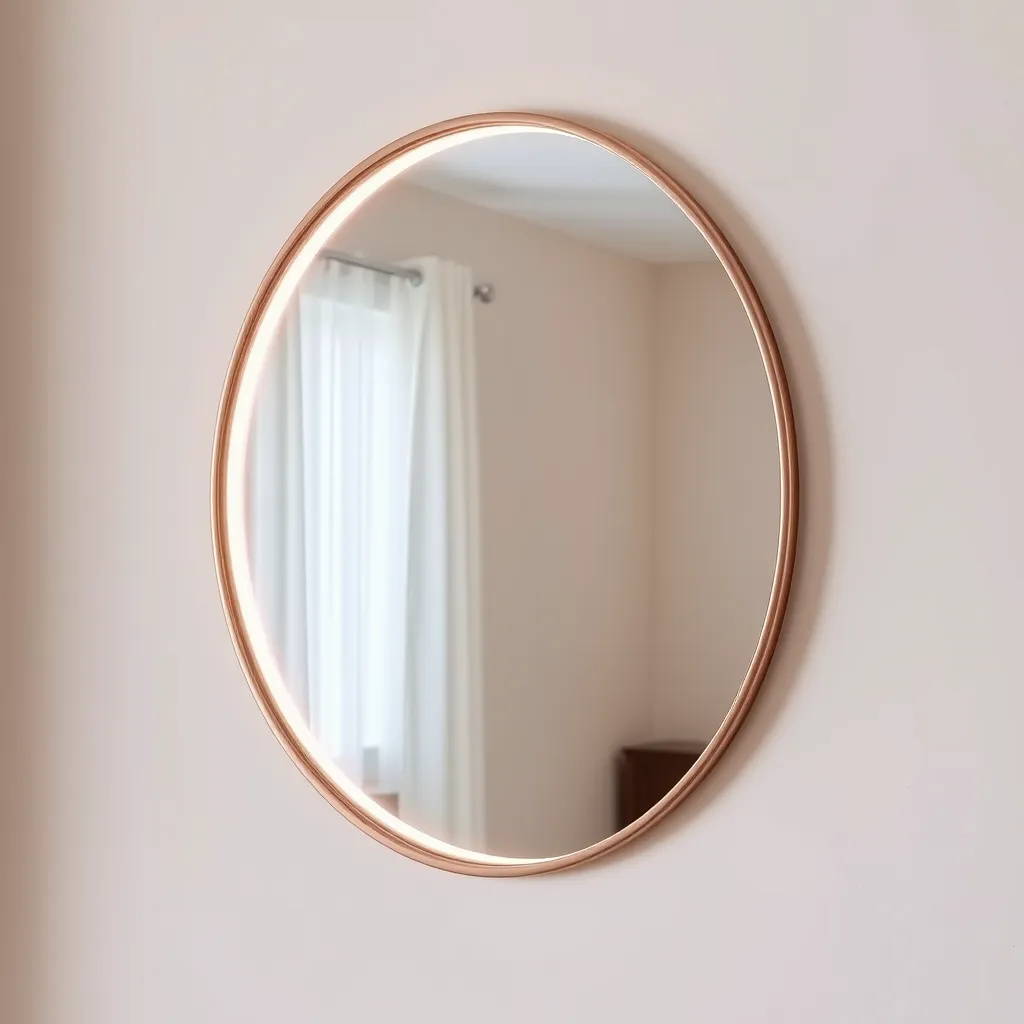
Skip the preset "pink," which is usually too cold and saturated. Punch in a custom RGB around (255, 160, 150), drop brightness to 50%, and bounce the light. Cheaper strips with weak color rendering look far better diffused than viewed head-on.
RGBIC and RGBWW strips
These are the best fit. Use the warm-white channel to add gold, or set a soft gradient from #FFA096 to #E0BFB8. Keep total brightness around 40-60% so the gradient stays subtle.
Smart bulbs (Hue, Govee, etc.)
Many have a "Rose Gold," "Blush," or "Sunset" scene - start there, then nudge it warmer and dimmer. Setting it by hand, aim for a warm pink at 40-50% brightness, and group 2-3 bulbs for an even wash.
Common Mistakes That Kill the Look
1. Using the metallic hex straight
#B76E79 is built for screens and paint, not glowing light - on a bright strip it goes dark and muddy. Lighten toward #FFA096 or #E0BFB8 and dim it.
2. Too much blue
Extra blue turns rose gold into cold bubblegum pink. Keep blue low - around 120-160 - so the warmth survives.
3. Leaving it at full brightness
100% turns any pink into harsh neon. Rose gold needs 40-60% to look soft.
4. Viewing the strip directly
Undiffused LEDs look cheap and dotty. Bounce or shade every source.
Where Rose Gold LED Looks Best
Bedrooms and vanities - a warm, flattering pink glow that's easy on the eyes.
Selfies and content - rose gold light is soft and skin-friendly, great for photo and video.
Parties and events - blush-gold uplighting reads as elegant rather than loud.
Shelves and headboards - diffused rose gold behind furniture gives a cozy, premium accent.
Conclusion
Rose gold on LEDs isn't one magic code - it's a warm pink (start at RGB 255, 160, 150 / #FFA096), brightness pulled back to 40-60%, blue kept low, and light that's softened instead of pointed. Skip the literal metallic swatch #B76E79 on bright strips, lean on a warm-white channel if you have one, and tweak by eye until the pink turns golden. Get those right and even a basic strip glows like rose gold instead of muddy mauve.
Frequently Asked Questions
Q1: What is the RGB or hex code for rose gold on LEDs?
A: The named rose gold color is #B76E79 (RGB 183, 110, 121), but for a glowing strip it's better to lighten and warm it - try RGB (255, 160, 150) / #FFA096, or a paler #E0BFB8 (RGB 224, 191, 184). Dim to around 50% for the soft look.
Q2: Why does my rose gold look muddy or just pink?
A: Two usual causes: you used the dark metallic hex (#B76E79) at high brightness, or you've got too much blue. Lighten the color, drop brightness to 40-60%, and pull blue down to around 120-160 so the gold warmth comes through.
Q3: Can cheap RGB strips do rose gold?
A: Yes, with help. Set a warm-pink custom color, dim it, and - most important - bounce the light off a wall or through fabric. Budget strips render color weakly, and diffusion hides that while keeping the glow.
Q4: What lights are best for rose gold?
A: RGBIC or RGBWW strips, because the warm-white channel adds the coppery warmth that plain RGB can't - getting you closer to true rose gold than a basic RGB-only strip.