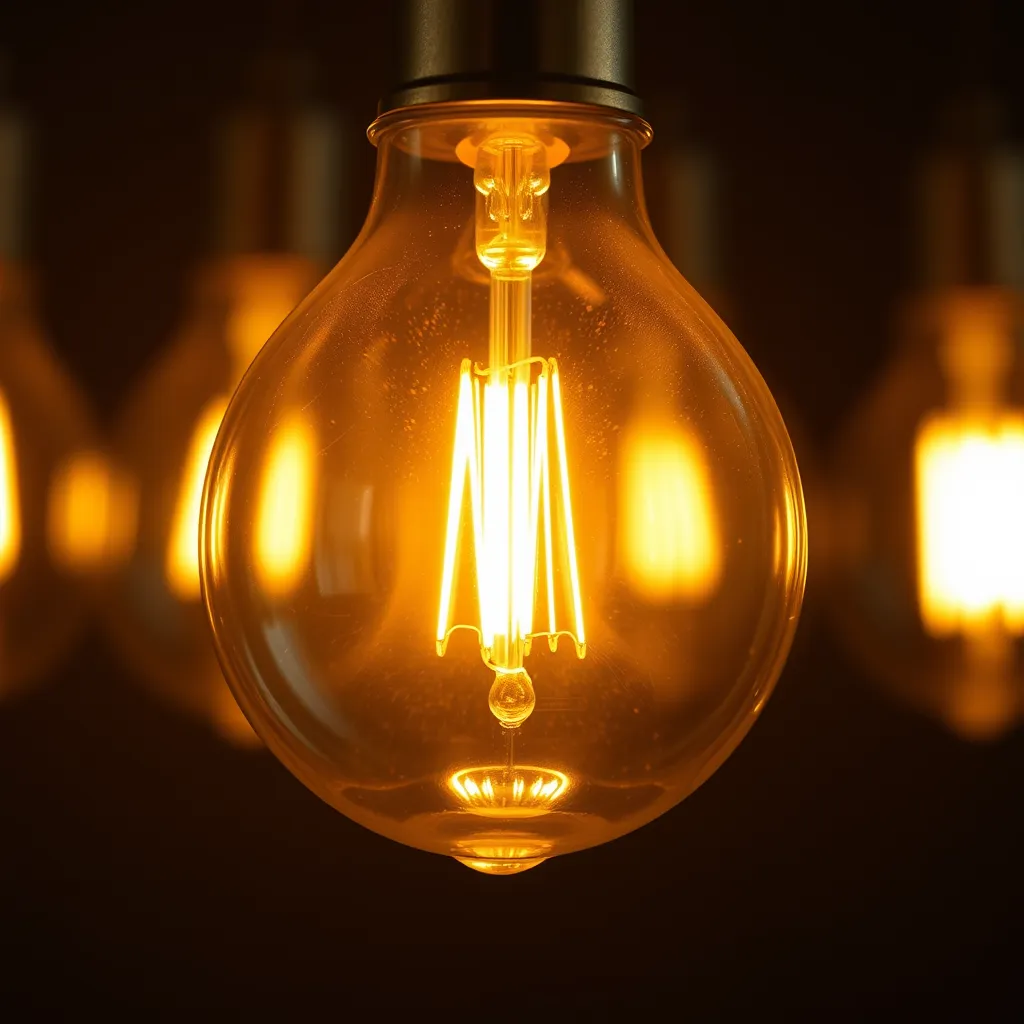
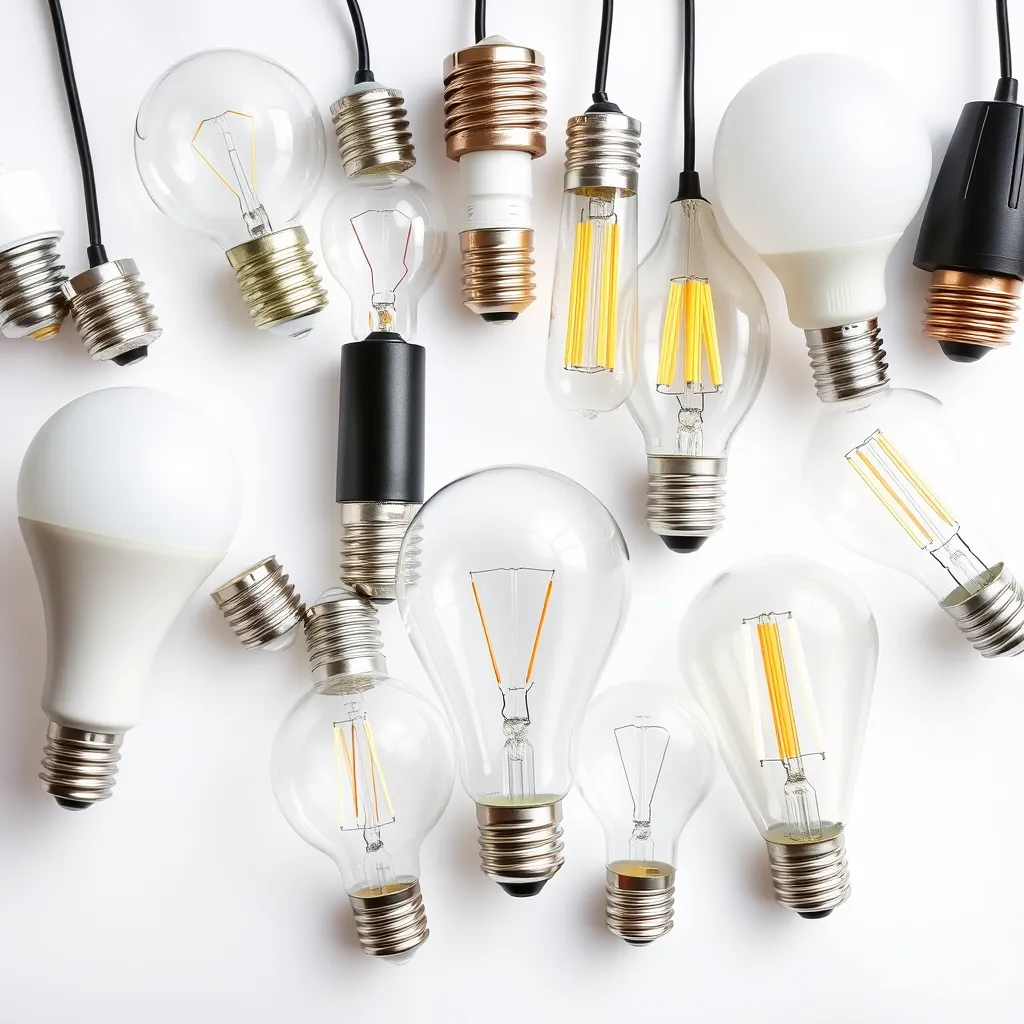
The risk is very low. LED lights turn most of their energy into light instead of heat, so they run far cooler than incandescent or halogen bulbs and rarely get hot enough to start a fire. When an LED fire does happen, the cause is almost always the wiring, a cheap driver, an overloaded circuit, a power surge, or a bulb sealed in the wrong fixture - not the LED chip itself.
Are LED Lights a Fire Hazard?
For a fair comparison, look at the old technology. An incandescent bulb wasted about 90% of its power as heat and its surface could pass 200°F, hot enough to scorch a cloth left against it. Halogen bulbs ran even hotter.
An LED flips that ratio. It gives off mostly light and little heat, so the bulb stays cool to the touch. Most fabrics ignite between 570°F and 930°F, and a working LED never comes close, which is why LEDs are considered one of the safest lighting types you can fit.
What Causes LED Lights to Catch Fire?
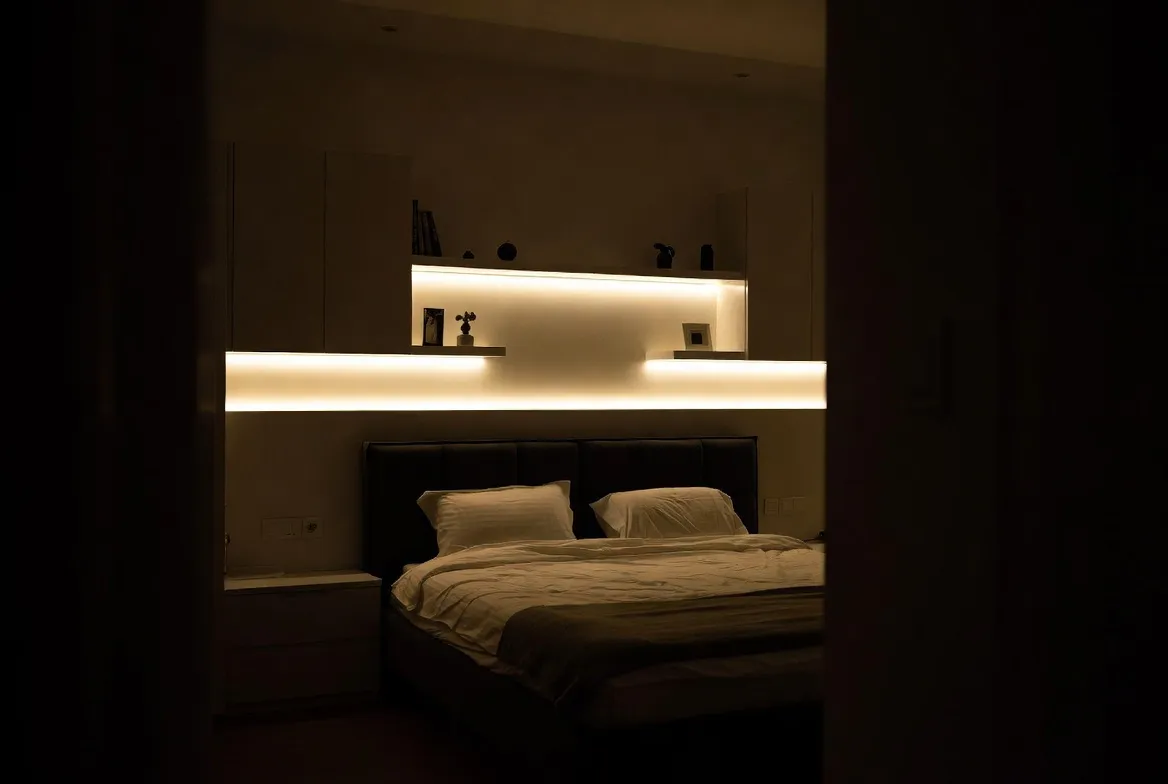
The chip stays cool, but an LED is a small electrical system, and the parts and wiring around it can fail. These are the real fire risks:
Cause | Why It Is a Risk |
|---|---|
Cheap or faulty driver | Low-grade power parts overheat, short out, or fail unsafely |
Bad wiring or connections | Loose or wrong connections arc and spark behind the fixture |
Overloaded circuit | Too many fixtures on one circuit overheats the house wiring |
Enclosed fixture | A non-rated bulb sealed in a closed fitting traps its own heat |
Power surge | A voltage spike can damage the driver and cause a short |
Moisture or water | Water reaching a non-waterproof light causes a short circuit |
Every one of these is a wiring, power, or installation fault. None is the LED itself burning, and each would threaten any type of light, not just LED.
Cheap LEDs and Faulty Drivers:
This is the single biggest avoidable risk. Budget and counterfeit lights often use low-grade drivers, thin wiring, and no over-current protection, so they overheat or short far more easily than certified units.
Some cheap makers also overdrive their LEDs, pushing extra current for more brightness, which builds heat and shortens life. Buying a UL or ETL certified product removes most of this risk on its own.
Can LED Bulbs Overheat in Enclosed Fixtures?
Yes, and this one catches people out. An LED makes little heat, but it still needs that heat to escape through its base, which acts as a heat sink.
Seal a standard bulb inside a closed dome or globe and the warm air has nowhere to go. The trapped heat then cooks the driver, shortens its life, and in a cheap bulb can make it fail badly.
Check the box: If a fixture fully encloses the bulb, only fit one labeled "suitable for enclosed fixtures." Most standard LED bulbs are not rated for it, and the packaging says so.
Can LED Strip Lights Cause a Fire?

LED strip lights are very low risk, but they carry slightly more than a single bulb, for two reasons. They often have no built-in heat sink, and they rely on a separate power supply that can be overloaded.
The heat comes from three mistakes: an underrated or cheap power supply, chaining too many strips into one run, and hiding strips in a sealed recess with no airflow. Any of these lets heat build where it cannot escape.
How to Use LED Strip Lights Safely
Size the power supply right. Pick one rated for at least 20% more than the strip's total wattage, so it never runs at full load.
Respect the run length. Do not chain strips past the maker's limit, which strains the supply and the connections.
Allow airflow. An aluminum channel helps, but never seal long runs in an airtight recess.
Keep them off flammables. Do not run strips directly on fabric, paper, or against combustible material.
Do Smart Bulbs or Burned-Out LEDs Catch Fire?
Two common worries, both low risk. A smart bulb is no more a fire hazard than any other LED and runs no hotter. If anything it is safer, since you can switch it off remotely from your phone.
A burned-out LED is also nothing to fear. When an LED reaches the end of its life it simply stops conducting, so the circuit breaks and the current stops. It is still good practice to remove a dead bulb, but it will not ignite.
How to Prevent LED Light Fires
A few simple habits remove almost all of the small risk that remains:
Buy certified products. Look for a UL, ETL, or CE mark, which means the light passed real safety testing. This is the most important single step.
Match the bulb to the fixture. Use enclosed-rated bulbs in sealed fittings and damp-rated lights in bathrooms or outdoors.
Do not overload circuits. Keep fixture counts within the circuit's limit so the wiring never runs hot.
Protect against surges. A surge protector shields LED drivers from voltage spikes that can damage them.
Wire it properly. Loose or wrong connections are a top cause, so if you are unsure, have an electrician do the work.
Warning signs to act on: a light or power supply that feels hot to the touch, a burning or plastic smell, scorch marks, buzzing from the wall or fixture, or flickering that a good bulb and dimmer do not fix. Switch it off and check the wiring or replace the unit.
Want the numbers behind the heat claim? See our guide on how hot LED lights get. To wire a circuit safely, see how many LED lights on a 15-amp circuit, and for overnight use, can you leave LED strip lights on all night.
(FAQs):
Q1. Can LED lights catch fire if left on all night?
A: In almost all cases, no. LEDs run cool and draw little power, so leaving them on overnight is safe. Keep them clear of flammable material and use quality, certified products, and the risk stays tiny.
Q2. Can cheap LED lights cause a fire?
A: They carry more risk than quality ones. Cheap and counterfeit lights often use low-grade drivers and thin wiring that overheat or short. Buying UL or ETL certified products is the simplest way to avoid it.
Q3. Can LED bulbs overheat in enclosed fixtures?
A: Yes. A sealed fixture traps the small amount of heat an LED makes, which cooks the driver over time. Use a bulb marked suitable for enclosed fixtures in those fittings to prevent it.
Q4. Are LED strip lights a fire hazard?
A: They are low risk when installed correctly. The dangers come from a cheap or overloaded power supply, chaining too many strips, or sealing them with no airflow. A quality supply within its length limit keeps them safe.
Q5. Do burned-out LED bulbs cause fires?
A: No. When an LED fails it simply stops conducting, breaking the circuit so no current flows. It is still best to remove a dead bulb, but it will not start a fire.