If you are worried about overloading a circuit with LED lights, here is the relief: you would need well over a hundred bulbs to get close. With LED, the lights are almost never the limit anymore, so the real question is what else shares the wire.
A 15 amp circuit at 120 volts gives 1,800 watts, and the safe usable figure under the code's 80% rule is 1,440 watts. At 8 to 10 watts a bulb, that runs about 144 to 180 LED bulbs, enough to light a whole house from one circuit.
Why Circuit Capacity Stopped Being a Worry:
With old bulbs this was a real constraint: a 15 amp circuit held just 24 incandescent bulbs at 60 watts. LED's tiny draw changed that overnight, so overloading a circuit with lighting is now almost impossible in a normal home.
The Math, Step by Step:
Step | Calculation | Result |
|---|---|---|
Total circuit capacity | 15 amps × 120 volts | 1,800 watts |
80% continuous limit (NEC) | 1,800 × 0.80 | 1,440 watts |
LED bulbs at 10W each | 1,440 ÷ 10 | 144 bulbs |
LED bulbs at 8W each | 1,440 ÷ 8 | 180 bulbs |
LED recessed at 12W each | 1,440 ÷ 12 | 120 fixtures |
The wattage per bulb is what drives this. Our guide on how many watts LED lights use covers the numbers by fixture type.
Why You Only Use 80% of the Circuit:
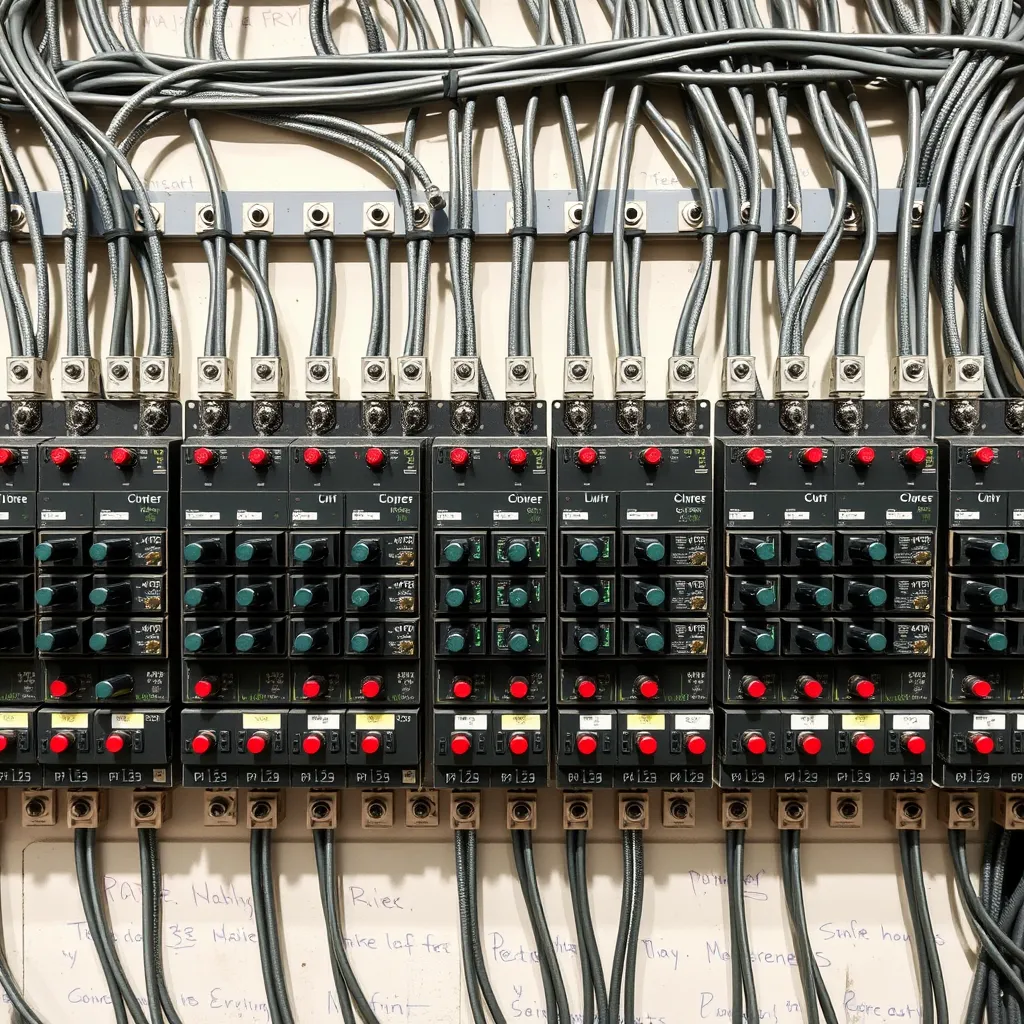
The National Electrical Code (Section 210.20) says circuits running a continuous load (3+ hours) should sit at no more than 80% of their rating. Lights count, since they stay on a while.
The rule stops the breaker, wiring, and connections from overheating during long use. A 15 amp breaker can carry 15 amps, but doing so nonstop degrades the wire insulation over time.
On a 20 amp circuit (common in kitchens), the usable figure is 1,920 watts, or about 192 to 240 LED bulbs, far more than any room needs.
The One Thing That Actually Limits You: Shared Circuits:
This is the real answer. Most home lighting circuits also feed outlets, and a single appliance can eat most of the circuit.
A space heater (1,500W), hair dryer (1,200W), or vacuum (1,000W) can swallow a 15 amp circuit alone. So add up everything on the wire, lights and outlets, and keep the total under 1,440 watts.
Quick check: flip one breaker off and see which lights and outlets die. Older homes surprise you, a bedroom light may share with a hallway outlet and the bathroom fan.
How LED Frees Up Your Circuits vs Old Bulbs:
Bulb Type | Watts | Max on 15A (80%) |
|---|---|---|
LED (800 lm) | 8 to 10W | 144 to 180 |
CFL (800 lm) | 13 to 15W | 96 to 110 |
Incandescent (800 lm) | 60W | 24 |
Halogen (350 lm) | 50W | 28 |
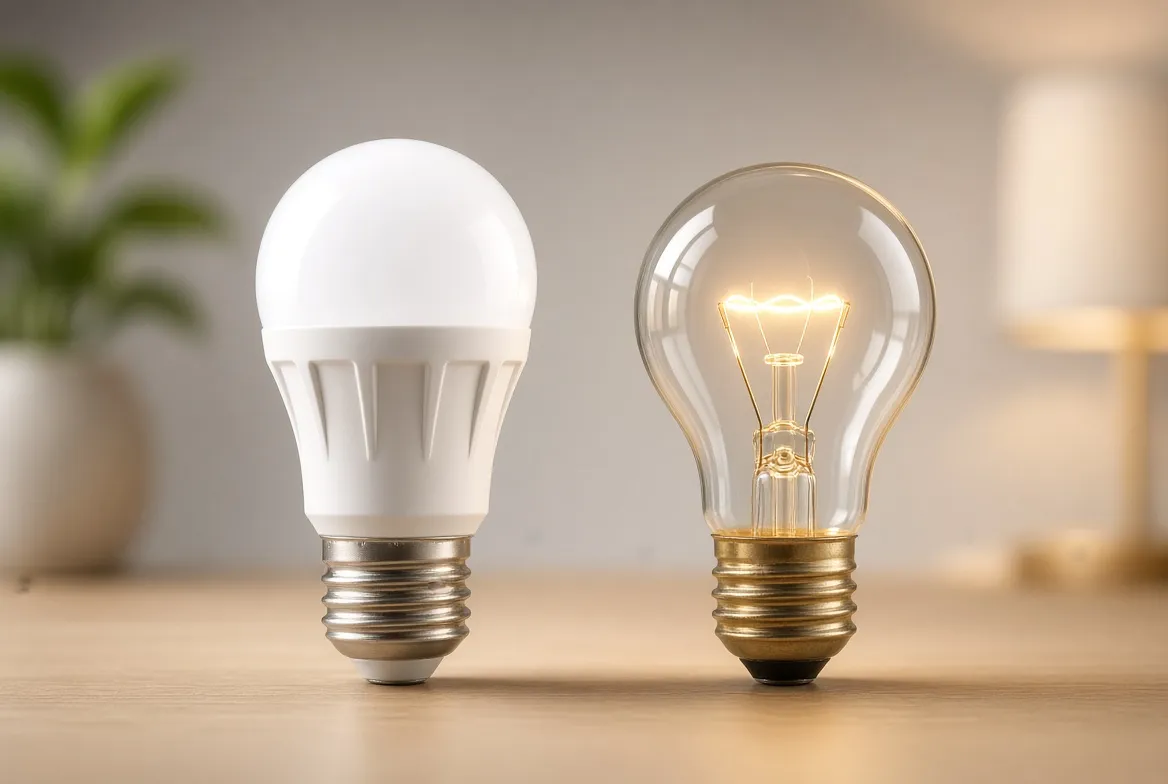
Swapping 20 incandescent bulbs (1,200W) for 20 LEDs (200W) frees up 1,000 watts on that circuit for other uses. See the wider gap in our guide on LED vs incandescent bulbs.
Conclusion:
On a 15 amp circuit you can run 144 to 180 LED bulbs, so the lights themselves are basically never the problem. LED's low draw also builds in a safety buffer against nuisance tripping.
The one habit that still matters: map out what shares each breaker, especially in older homes, and keep the whole circuit under 1,440 watts. Do that and your system stays stable as you upgrade.
(FAQs):
Q1. Can LED lights trip a 15 amp breaker?
A: Almost never on their own. Twenty LED bulbs draw just 200 watts (1.67 amps). A trip is nearly always something else on the circuit, an appliance or a wiring fault, not the LEDs.
Q2. Do LED lights use fewer amps than incandescent?
A: Yes. A 10W LED draws 0.083 amps, a 60W incandescent 0.5 amps, about 83% less current for the same light. That is far less stress on your wiring. See how many amps LED lights draw.
Q3. Should I put LED lights on a dedicated circuit?
A: Not necessary at home, since LED draw is so low. It is a nice convenience, though, keeping lights on if an appliance trips a shared breaker. New construction often wires dedicated lighting circuits as standard.
Q4. How many LED lights can a 20 amp circuit handle?
A: About 192 to 240 bulbs at 8 to 10W, using the same 80% rule on 1,920 usable watts. Like the 15 amp circuit, that is far more than any single space would ever use.