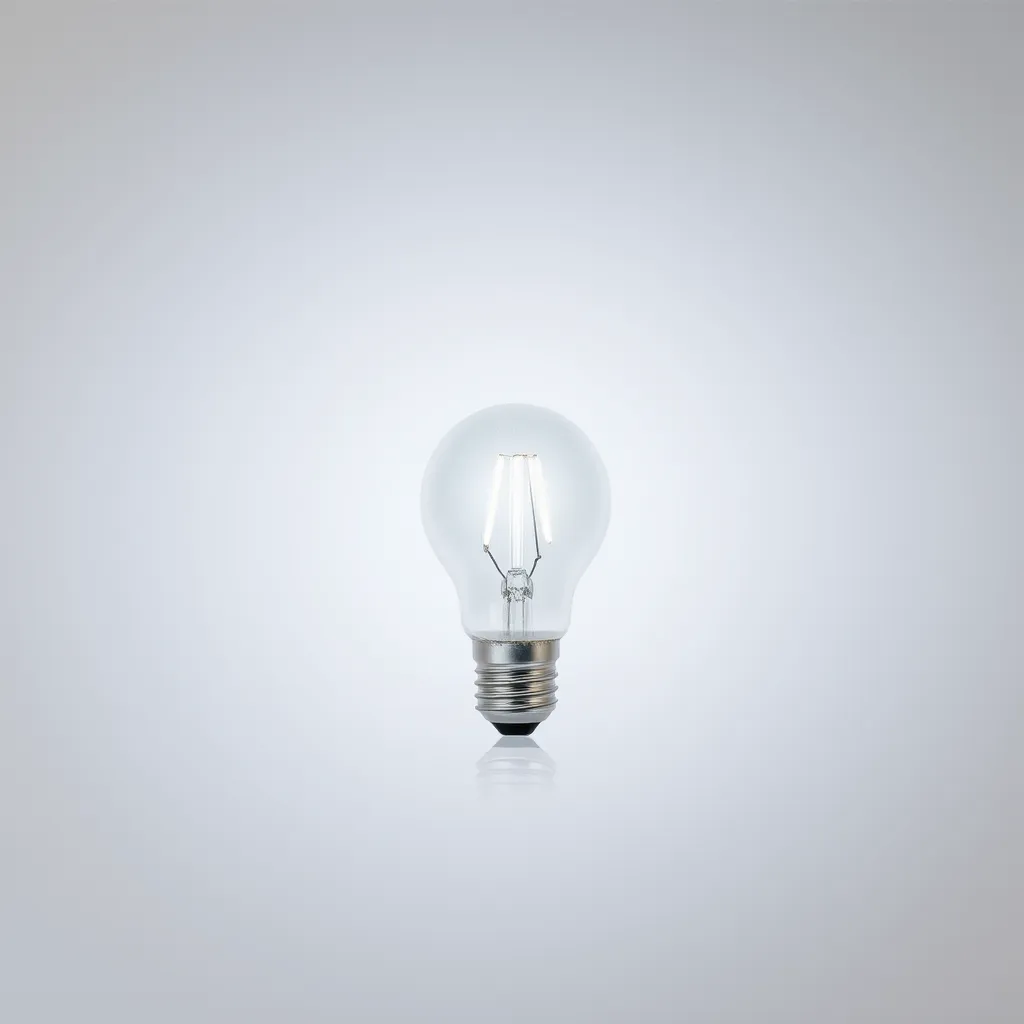
A standard 10-watt LED bulb draws approximately 0.083 amps (83 milliamps) at 120V household current. A 12V LED strip light draws 1-5 amps depending on length and LED density. LED lights draw significantly fewer amps than equivalent incandescent bulbs because they require far less wattage to produce the same brightness. To calculate the amperage of any LED: Amps = Watts ÷ Volts. For a 10W LED on a 120V circuit: 10 ÷ 120 = 0.083A. On a standard 15-amp household circuit, you can safely run over 100 LED bulbs before approaching the circuit's capacity.
LED Amperage Chart
LED Light Type | Typical Wattage | Amps at 120V AC | Amps at 12V DC |
|---|---|---|---|
A19 bulb (40W equivalent) | 5W | 0.042A | 0.42A |
A19 bulb (60W equivalent) | 10W | 0.083A | 0.83A |
A19 bulb (100W equivalent) | 17W | 0.142A | 1.42A |
BR30 recessed | 10W | 0.083A | 0.83A |
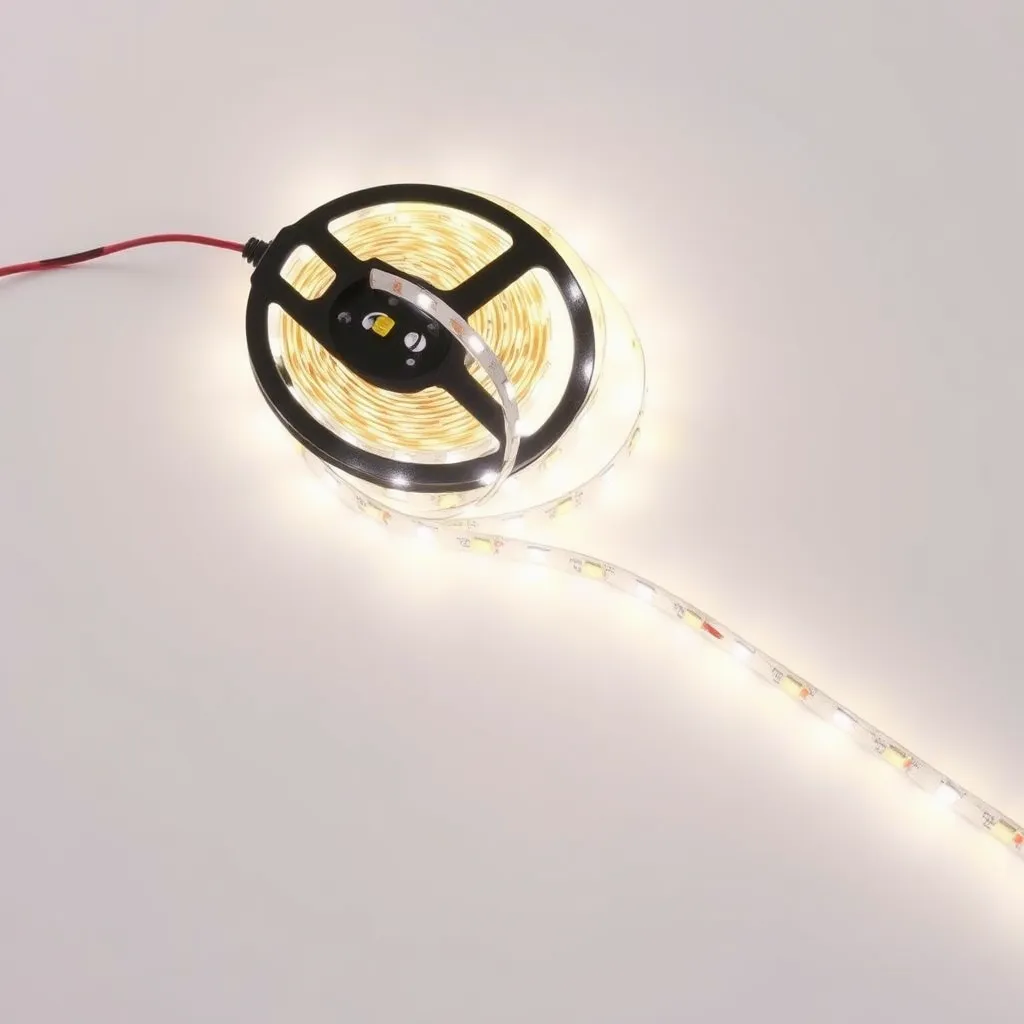
LED strip (16 ft / 5m) | 14-24W | 0.12-0.20A | 1.2-2.0A |
LED tube (4 ft T8) | 15-18W | 0.125-0.15A | 1.25-1.5A |
LED flood/security | 30-50W | 0.25-0.42A | 2.5-4.2A |
LED high bay | 100-200W | 0.83-1.67A | 8.3-16.7A |
Amps at 120V vs 12V
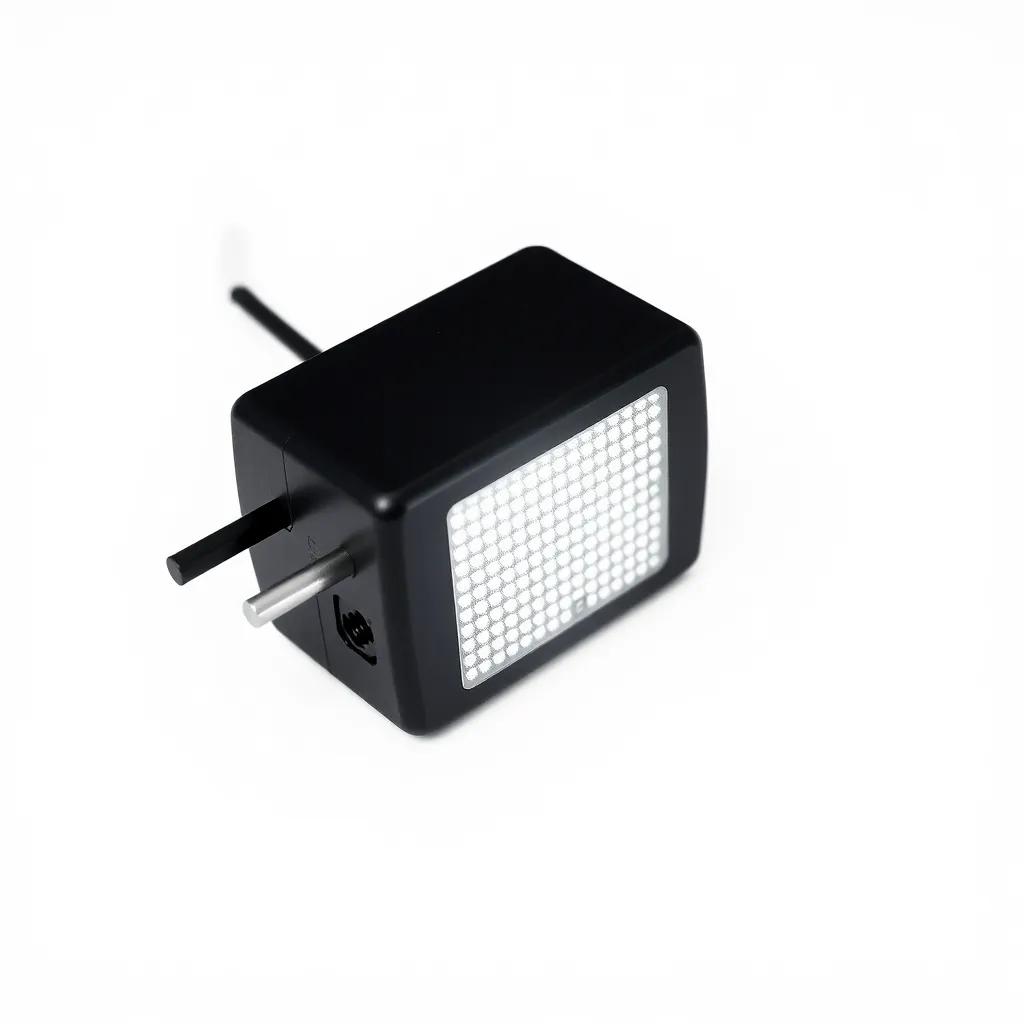
The voltage matters significantly when calculating amperage. Most household LED bulbs plug into 120V AC circuits and draw very low amps. LED strip lights and automotive LEDs run on 12V DC and draw much higher amps for the same wattage. A 24W LED strip draws only 0.20A at 120V (from the wall outlet through the power adapter) but 2.0A at 12V (on the low-voltage strip side). Always match your wire gauge and power supply to the amperage on the 12V side, as this is where the current is highest.
This is a direct application of Ohm's Law: Power (Watts) = Voltage (Volts) × Current (Amps). When voltage drops, current must increase to deliver the same power. A 12V LED system draws 10 times more amps than a 120V system at the same wattage. This is why 12V LED strip installations require thicker wire gauges for longer runs.
How Many LED Lights on a 15-Amp Circuit
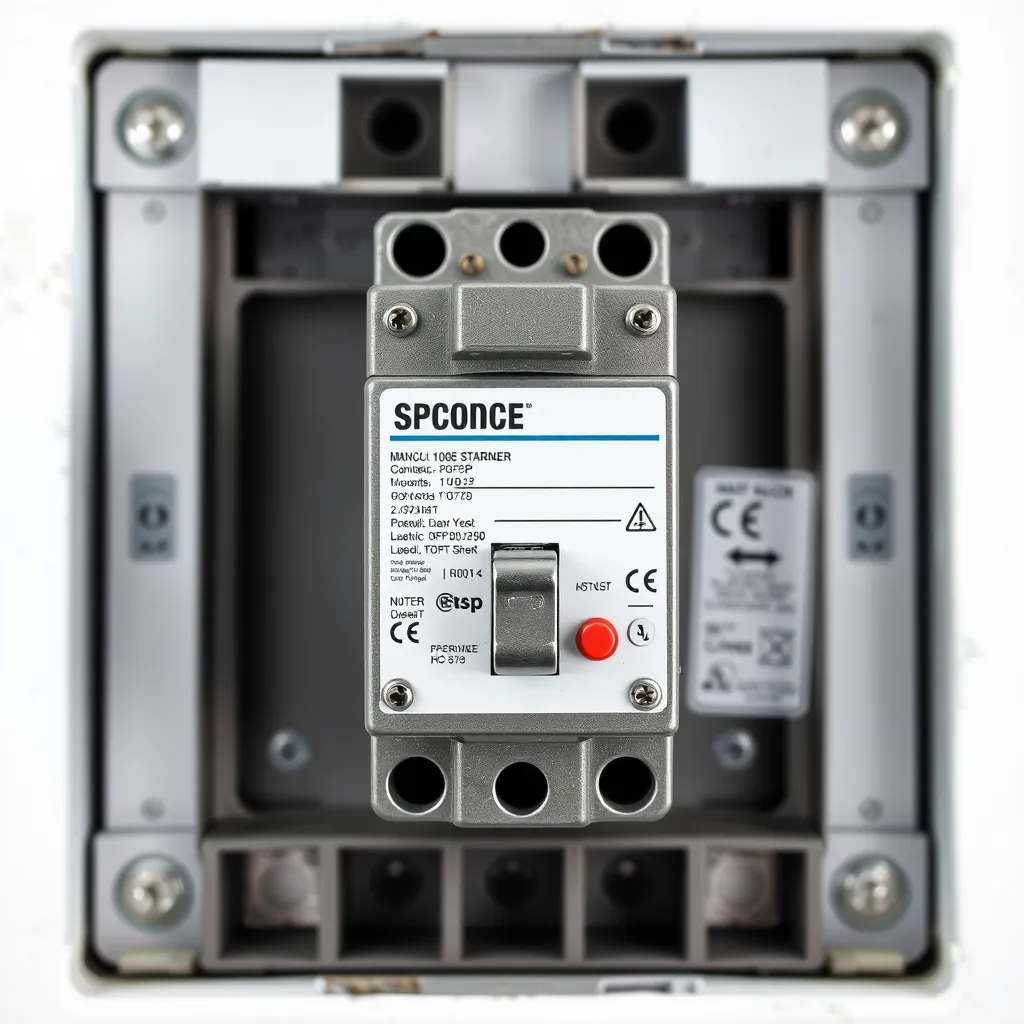
A 15-amp household circuit (the most common in U.S. homes) provides 1,800 watts at 120V (15A × 120V). The National Electrical Code recommends loading circuits to no more than 80% of their rated capacity for continuous loads, giving you a practical limit of 1,440 watts (12 amps). At 10 watts per LED bulb, you can safely run 144 LED bulbs on a single 15-amp circuit. Even a 20-amp circuit (common in kitchens and bathrooms) supports 192 LED bulbs at the 80% limit.
Compare this to incandescent bulbs: the same 15-amp circuit could only handle 24 incandescent 60W bulbs at the 80% load limit. LEDs allow far more fixtures per circuit, which is particularly relevant in commercial spaces and large homes where many lights share a single circuit breaker.
Why Amperage Matters for LED Installations
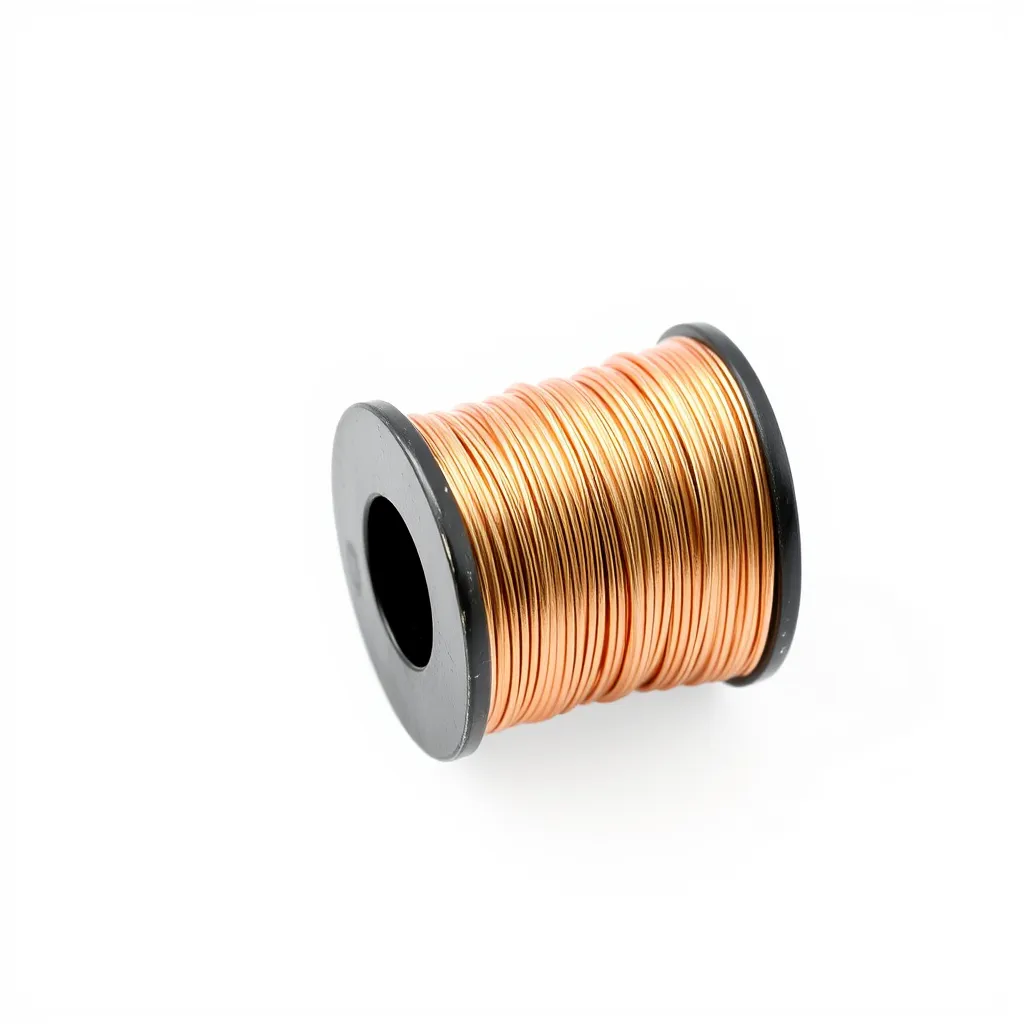
Wire gauge selection: For 12V LED strip runs, the amperage determines the required wire gauge. Up to 3A over short runs (under 10 feet), 18 AWG wire is sufficient. For 5A+ or runs over 15 feet, step up to 16 or 14 AWG to prevent voltage drop. Undersized wire causes the LEDs at the far end of a strip to appear dimmer because resistance in the wire reduces voltage.
Power supply sizing: LED power supplies (drivers) are rated in amps. A 12V 5A power supply delivers a maximum of 60 watts (12V × 5A). If your LED strips total 48W, a 5A supply provides adequate headroom. Always choose a power supply rated at least 20% above your total LED wattage to ensure reliable, cool operation and account for power supply efficiency losses.
Fuse and breaker protection: In automotive LED installations, the fuse protecting the LED circuit should be rated slightly above the total amp draw. If your car LED strips draw 2A at 12V, a 3A or 5A fuse provides protection without nuisance tripping. Never use an oversized fuse, as it defeats the purpose of circuit protection.
Conclusion:
Understanding the low amperage of LED lighting is key to designing safe and efficient electrical systems. While a single bulb draws very little current, the cumulative effect in large-scale installations or low-voltage strip projects requires careful planning. By respecting the 80% load rule and matching your wire gauge to the specific amperage of your 12V or 24V systems, you prevent common issues like voltage drop and overheating.
Always verify the wattage listed on your LED products before starting an installation. Whether you are retrofitting an entire home or adding accent lighting to a vehicle, calculating your total amp draw ensures that your power supplies and circuits operate reliably for years to come. This proactive approach not only keeps your lights bright but also protects your electrical infrastructure from unnecessary stress.
Frequently Asked Questions
Q1: Do LED lights draw amps when turned off?
A: LED bulbs in standard on/off circuits draw zero amps when the switch is off. However, smart LED bulbs (Wi-Fi or Bluetooth enabled) draw a tiny standby current - typically 0.3-0.5 watts (0.003A at 120V) - to maintain their wireless connection and respond to app commands. LED drivers (power supplies) connected to strips may also draw a small phantom load of 0.1-0.5W when the strip is off but the driver remains plugged in.
Q2: Why do LED lights trip my breaker?
A: LEDs themselves rarely trip breakers due to their low amperage. The most common cause is inrush current - the brief spike of current (up to 10-20 times the steady-state draw) when LEDs first power on. If many LED lights on one circuit turn on simultaneously, the combined inrush can momentarily exceed the breaker's rating. Solutions include staggering power-on timing, using soft-start LED drivers, or upgrading to a breaker with higher inrush tolerance. Also check for faulty wiring or a damaged LED driver that may be causing a short circuit.
Q3: How do I measure LED amperage?
A: Use a clamp meter or multimeter set to AC amps for household LED bulbs (measure at the 120V side) or DC amps for 12V LED strips. For a clamp meter, simply clamp around one conductor of the power cable. For a multimeter in series, disconnect one wire, connect the meter leads in the break, and read the current. Always start with the meter set to the highest amp range to avoid blowing the meter's fuse, then switch to a lower range for a more precise reading.