Grab the wrong LED bulb and you will find out the hard way, flicker on a dimmer, a light that looks harsh in the bedroom, or one that dies early in a sealed fixture. Most of those problems trace back to one thing: buying by habit instead of by spec.
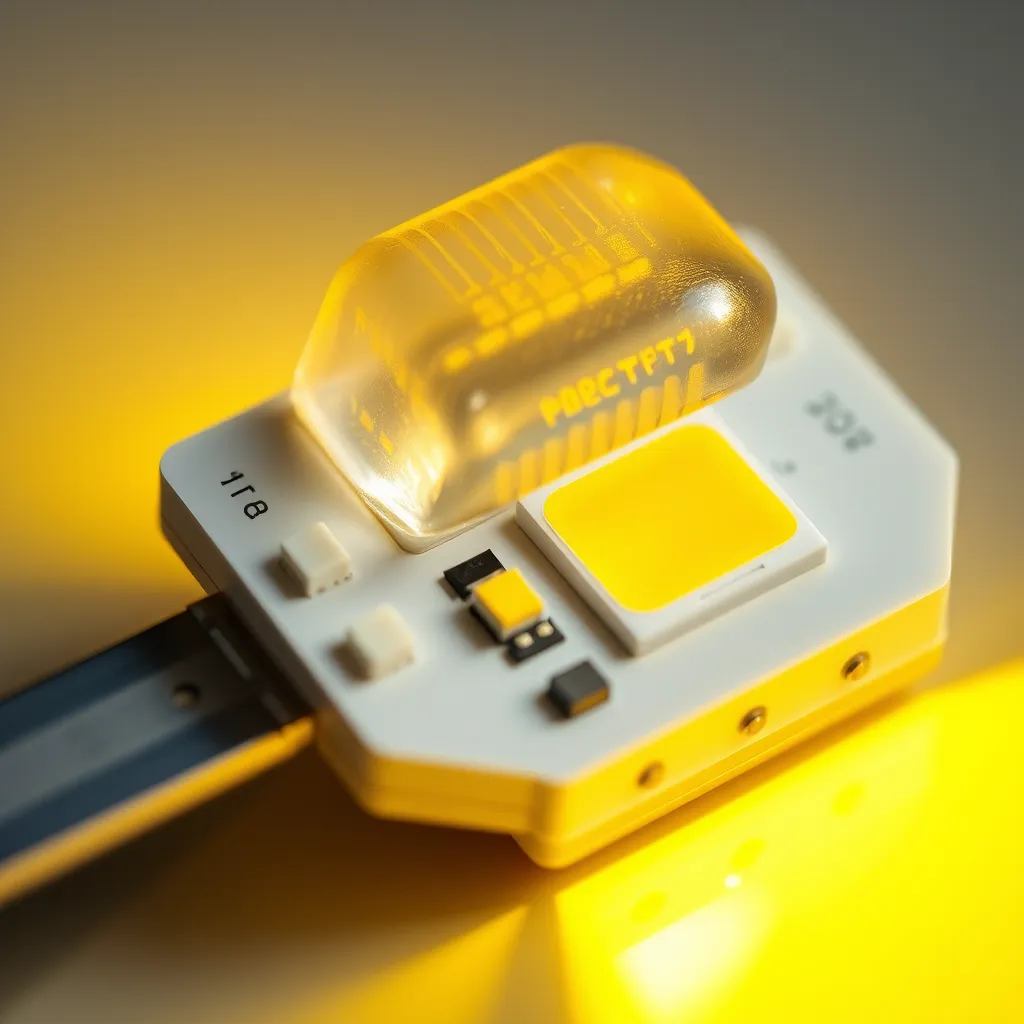
An LED light bulb makes light with a semiconductor instead of a heated filament, using 8 to 10 watts to match a 60W incandescent and lasting 25,000 to 50,000 hours. But "LED bulb" covers dozens of shapes, bases, and specs, and picking the right one matters more than picking LED at all. For the full physics of how they work, see our guide on how LED lights work.
Why Watts Stopped Being the Number to Shop By
For decades, people bought bulbs by watts. But watts measure power draw, not brightness, and LEDs use so little that wattage no longer tells you anything useful. Shop by lumens instead, matched to color temperature and the bulb's physical shape for your fixture.
LED vs the Bulbs It Replaced
Feature | LED | Incandescent | CFL |
|---|---|---|---|
Power (800 lm) | 8 to 10W | 60W | 13 to 15W |
Lifespan | 25,000 to 50,000 hrs | 1,000 hrs | 8,000 to 10,000 hrs |
Efficacy | 80 to 120 lm/W | 13 to 15 lm/W | 50 to 70 lm/W |
Heat | Very low | Very high | Medium |
Instant on | Yes | Yes | No, warm-up |
Shop by Lumens, Not Watts
To replace a 60-watt bulb, look for about 800 lumens. For a 100-watt equivalent, look for 1,600 lumens. The wattage printed on an LED box tells you almost nothing about brightness anymore.
Matching Color Temperature to the Room
Color temperature, in Kelvin (K), decides whether light reads warm or cool. Lower numbers glow yellow, higher numbers read blue-white.
2700 to 3000K (warm white): bedrooms, living rooms, anywhere you want a cozy, incandescent-like glow.
3500 to 4100K (neutral): kitchens, bathrooms, workspaces, clean and balanced for focus.
5000 to 6500K (daylight): garages, basements, task lighting where contrast and detail matter most.
For color accuracy, check CRI too, most standard LEDs sit around 80, fine for general use, but vanities and kitchens benefit from CRI 90+ so skin tones and food look true.
The Shapes and Bases You'll Actually Shop For
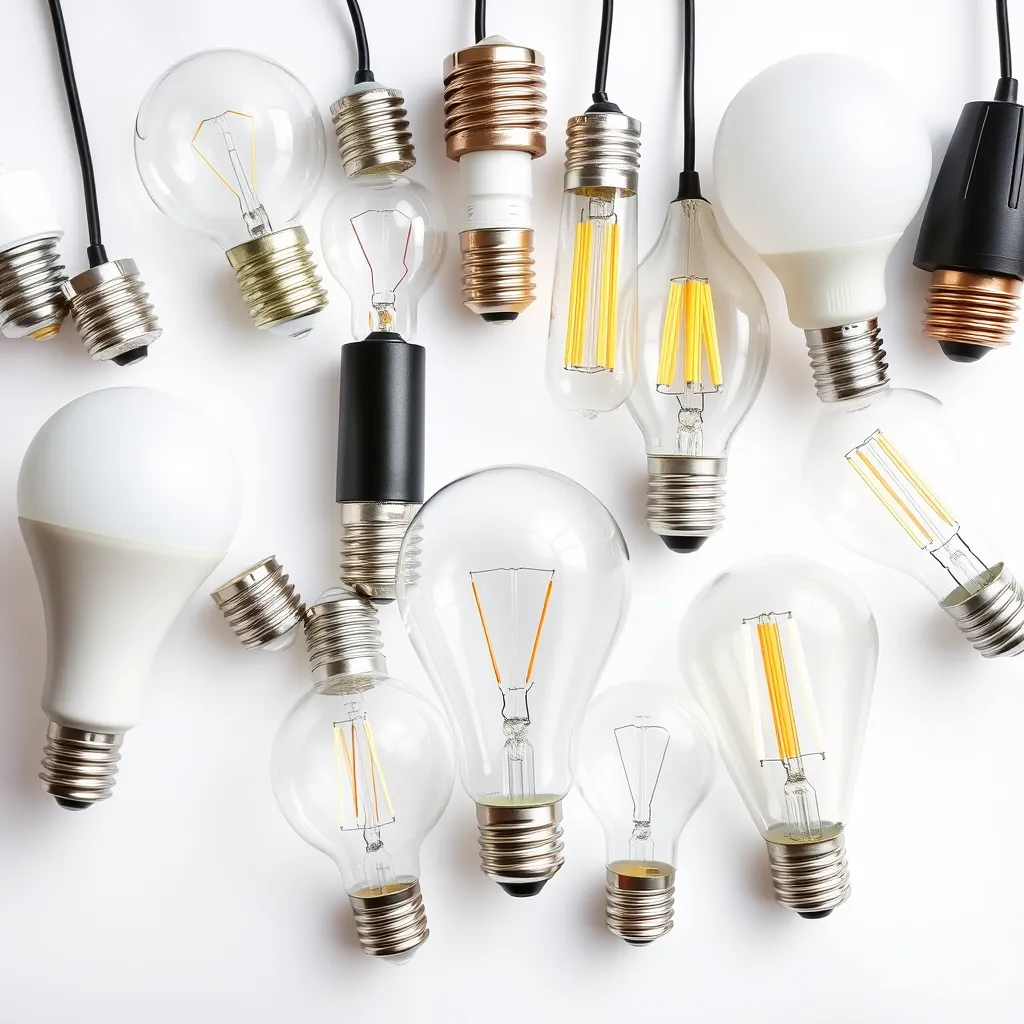
LEDs come in nearly every shape the old bulbs did, since manufacturers built them to drop into existing fixtures.
A19 (general purpose): the classic pear shape for lamps and ceiling fixtures, throwing light in all directions.
BR30 (reflector): a wide flood, common in recessed ceiling cans.
PAR (reflector): a tighter, more intense beam for track lighting or outdoor security.
Candelabra (E12 base): small, flame-shaped, for chandeliers and sconces.
Globe (G-series): round bulbs for exposed vanity fixtures.
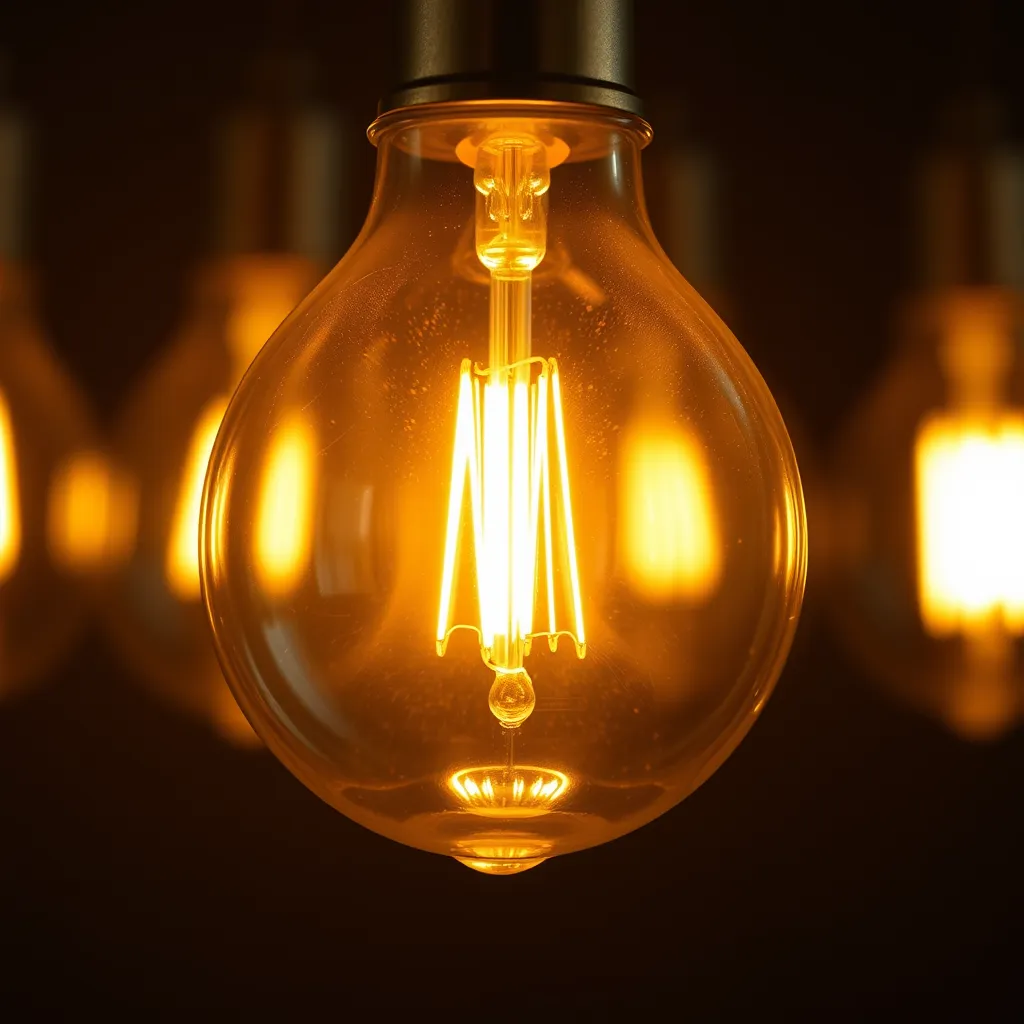
Vintage filament: thin LED strips mimicking an Edison bulb's look, at modern efficiency.
Why Some LEDs Flicker on a Dimmer
This is the most common LED complaint, and it is rarely the bulb's fault alone. Older dimmers were built for simple, high-wattage incandescent loads, LEDs are complex electronics that need a different kind of dimmer.
Always buy a bulb explicitly labeled dimmable, and pair it with an LED-compatible dimmer (look for ELV or trailing-edge). That combination dims smoothly from full brightness down to 1 to 5%, instead of flickering or buzzing.
What Actually Shortens an LED's Life
LEDs do not burn out like incandescent bulbs, they fade slowly through lumen depreciation. The "rated life" is the point where a bulb drops to 70% of its original brightness, called L70.
Three things speed that fade: heat trapped in a fully enclosed fixture (use enclosed-rated bulbs), frequent power surges, and cheap driver capacitors failing before the LED chips do.
The Real Payback
An LED costing $3 against a $1 incandescent usually earns back that gap in energy savings within six months. Over a bulb's full life, expect $50 to $150 saved depending on local electricity rates. See the full math in our guide on whether LED lights save money.
Frequently Asked Questions
Q1. Why do some LED bulbs flicker?
A: Usually an incompatible dimmer, or a voltage dip when a big appliance starts up nearby. Flicker on a non-dimmed circuit often means the internal driver is failing and the bulb needs replacing.
Q2. Can I put a higher watt-equivalent LED in a fixture?
A: Yes. A "60W Max" fixture rating refers to incandescent heat, and a 100W-equivalent LED draws only about 14 actual watts. You can safely go brighter without exceeding the fixture's rating.
Q3. Do LED bulbs contain mercury?
A: No, unlike CFLs. LEDs hold no mercury or toxic gas, so they are safer and easier to handle. See our guide on how to dispose of LED light bulbs for the best way to recycle them.
Conclusion
An LED light bulb is defined less by the diode inside and more by the shape, spec, and color temperature you choose around it. Shop by lumens, match Kelvin to the room, and pair dimmable bulbs with an LED-rated dimmer, and you will land on the right bulb the first time.