Fix LED Christmas lights by checking the two plug fuses first - a blown fuse is the most common cause of a completely dead string. Slide open the fuse compartment on the male plug, remove the small glass fuses, and inspect them. If the thin wire inside is broken or blackened, replace the fuse with the spare included in the original packaging (usually taped to the cord). Replacement fuses are also available at hardware stores for under $3. About 40% of dead LED Christmas light strings are solved by this single step.
If the fuses are good, the problem is either a loose or broken connection in the string itself. LED Christmas lights are wired in series-parallel circuits: small groups of LEDs are wired in series, and those groups are wired in parallel across the main power bus. This design means a single failed LED only takes out its small group (3-5 bulbs), not the entire string.
Problem: Entire String Is Dead
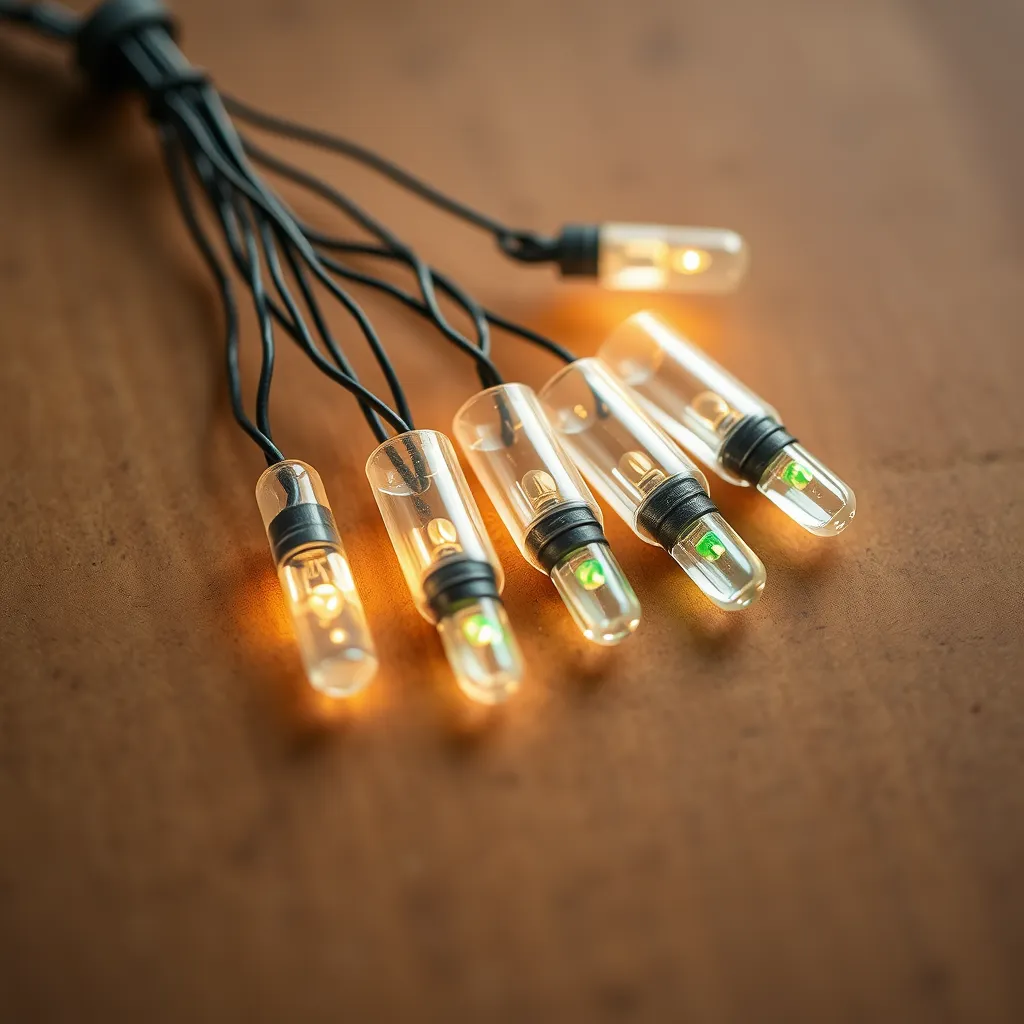
After checking fuses, verify the outlet is working by plugging in a different device. If the outlet works and fuses are good, look for physical damage along the cord - cuts, kinks, or exposed wire from storage or animal chewing. A break in the main power bus wire kills the entire string. If you find a cut, you can splice the wire back together with a waterproof wire connector or solder and heat shrink tubing, but replacement is often easier and safer for outdoor use.
On strings with end-to-end connectors, check that the male plug is fully seated in the socket or extension cord. A loose plug connection causes intermittent or complete power loss. Push the plug in firmly and wiggle it - if the lights flicker when you wiggle the plug, the socket contacts are worn. Try a different outlet or extension cord.
Problem: Half the String Is Dark
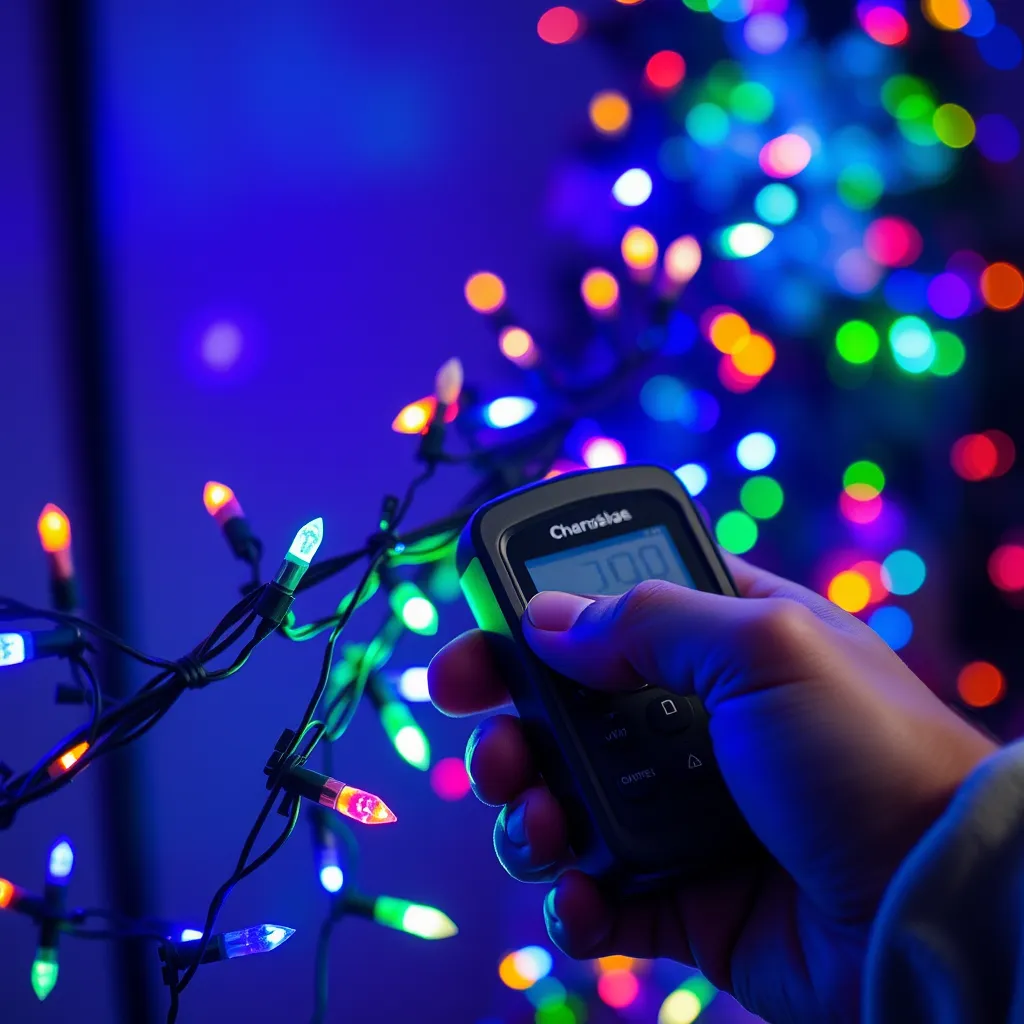
When exactly half of a string is dark, one of the two parallel circuits has a break. Find the boundary between the lit and dark sections. The LED closest to that boundary on the dark side is likely the failure point. Remove that bulb from its socket (gently pull it straight out) and inspect the bulb's wire leads for corrosion or breakage. Reinsert it firmly or replace it with a spare bulb from the same set. Make sure the replacement bulb matches the voltage rating.
A purpose-built LED light tester ($10-$20) makes finding the fault much faster. These testers detect which bulb or section has lost continuity by sensing the electromagnetic field along the wire. Run the tester slowly along the dark section - it beeps or shows a signal change at the point of failure.
Problem: Individual Bulbs Are Out
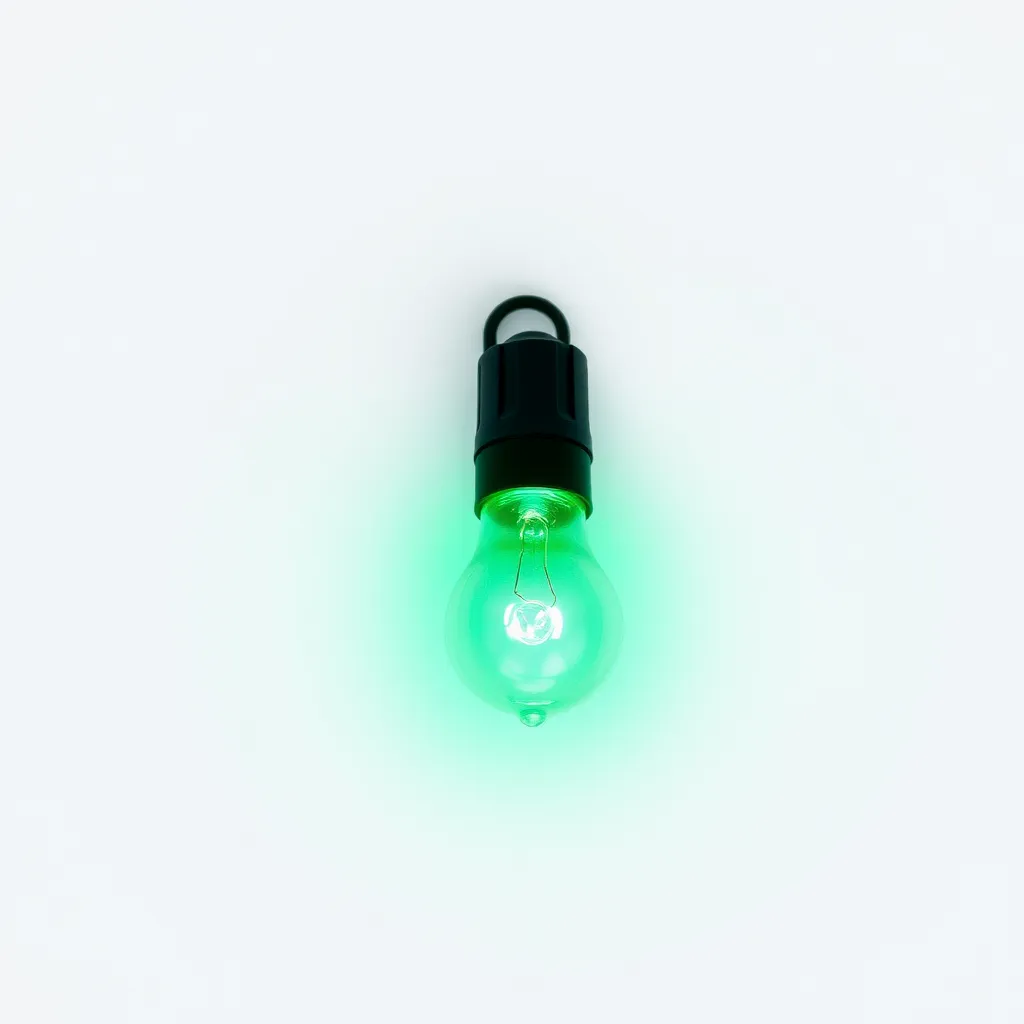
One or a few dark bulbs in an otherwise working string indicate failed individual LEDs or bulbs that are not fully seated in their sockets. Gently push each dark bulb into its socket to ensure full contact. If the bulb still does not light, pull it out and replace it with a spare of the same type. Most LED Christmas light sets include 3-5 spare bulbs attached to the packaging or end of the cord.
Unlike incandescent mini lights where one dead bulb can kill a long section, LED strings use shunt circuits or parallel grouping so that individual bulb failures affect only that bulb or a small group. If replacing a single bulb restores 3-5 adjacent bulbs that were also dark, the failed bulb was the series connection for that group.
Problem: Lights Flicker
Flickering LED Christmas lights are caused by loose connections, usually at the plug, at a mid-string connector, or at individual bulb sockets. Check the plug connection first. Then inspect any inline connectors (where two string sections join). Push all connections together firmly. If the entire string flickers, it may be a power issue - LED strings draw very little current, and sharing an outlet with a large appliance can cause momentary voltage drops that produce visible flicker.
Outdoor lights may flicker due to moisture entering the bulb sockets. Even weather-resistant strings can accumulate condensation inside sockets during temperature swings. Dry the string completely before diagnosing electrical issues. Silicone dielectric grease applied to socket contacts helps prevent future moisture issues.
Prevention Tips for Next Season
Tip | Why It Helps |
|---|---|
Store lights in a dry, cool location | Prevents moisture corrosion on contacts and wire |
Wrap strings around cardboard or a reel | Prevents kinks and wire breaks |
Test before hanging | Finds problems when access is easy, not after installation |
Don't exceed the max daisy-chain limit | Overloading blows fuses and overheats connectors |
Use outdoor-rated strings outdoors | Indoor strings lack weatherproofing and degrade in rain/snow |
Conclusion:
Repairing your LED Christmas lights is a rewarding way to save money and reduce electronic waste. Most issues come down to a simple blown fuse or a loose bulb, both of which can be fixed in minutes with the right spare parts. By taking a systematic approach - starting at the plug and working your way down the string - you can identify the exact point of failure without the frustration of guessing.
While most strings are salvageable, always prioritize safety. If you find significant wire damage, such as exposed copper or melted plastic, it is safer to recycle the set than to attempt a complex repair. For those sets that are still in good shape, a few minutes of maintenance now ensures your holiday display remains bright and reliable throughout the season.
For the best results next year, treat your lights with care during the teardown process. Avoid pulling strings roughly from trees or gutters, as this is the primary cause of internal wire breaks. Storing them in a dry, temperature-controlled environment will prevent the corrosion and moisture issues that lead to flickering and dead sections.
Frequently Asked Questions
Q1: Can I replace individual LED Christmas light bulbs?
A: Yes, on strings with removable bulbs. Gently pull the bulb straight out of its socket and push in the replacement. The replacement must be the same voltage and type - using a higher or lower voltage replacement causes the entire group to dim or fail. Most LED light sets include spare bulbs; additional spares can be purchased from the manufacturer or lighting specialty stores.
Q2: Why won't my LED Christmas lights work after storage?
A: The most common post-storage failures are corroded contacts and broken wires from rough handling. Start by checking the fuses, then test the string on a known-good outlet. If a section is dark, gently flex the cord at 6-inch intervals to find where the break occurred. Storing lights in sealed plastic bins rather than open cardboard boxes and avoiding tight coiling significantly reduces post-storage failures.
Q3: Are LED Christmas lights worth repairing or should I replace them?
A: For a simple fuse replacement or bulb swap, repair is faster and cheaper than replacement. For multiple dead sections, corroded connectors, or damaged wiring, replacement is usually more practical. A new
LED string costs $5-$15, and the time spent diagnosing and fixing a severely damaged string often exceeds the cost of a new one. Save repair efforts for higher-end sets with features like programmable controllers or commercial-grade strings.