If you've ever walked into a brightly lit office, store, or even your own kitchen and felt a dull throb building behind your eyes, you're not imagining it. LED lights, while energy-efficient and long-lasting, are one of the most common modern triggers for headaches and migraines. The flicker, the blue-rich glow, and the harsh glare of poorly chosen LEDs can leave sensitive individuals feeling drained, irritable, and in pain.
The good news? Preventing headaches from LED lights is entirely possible once you understand what causes them. By making targeted adjustments to your bulbs, fixtures, and lighting habits, you can enjoy the benefits of LED technology without the discomfort. This guide walks you through every preventive step - from choosing the right bulbs to optimizing your environment - so you can create a headache-free home or workspace.
Why Do LED Lights Cause Headaches?
Before you can prevent headaches from LED lights, it helps to understand the three main culprits behind them:
High blue light content: Many LEDs emit a strong peak in the 450-490 nm blue spectrum, which overstimulates the photosensitive cells in your eyes that connect to the brain's pain pathways.
Invisible flicker: Cheaper LED drivers cause rapid, imperceptible pulsing (typically 100-120 Hz). Even though you can't see it, your brain processes it - leading to neural fatigue and headaches.
Excessive brightness and glare: Overly bright or exposed LEDs force your iris muscles to constantly contract, causing eye strain and tension headaches.
Now that you know the triggers, here's how to prevent each one.
Step 1: Choose the Right Color Temperature (CCT)
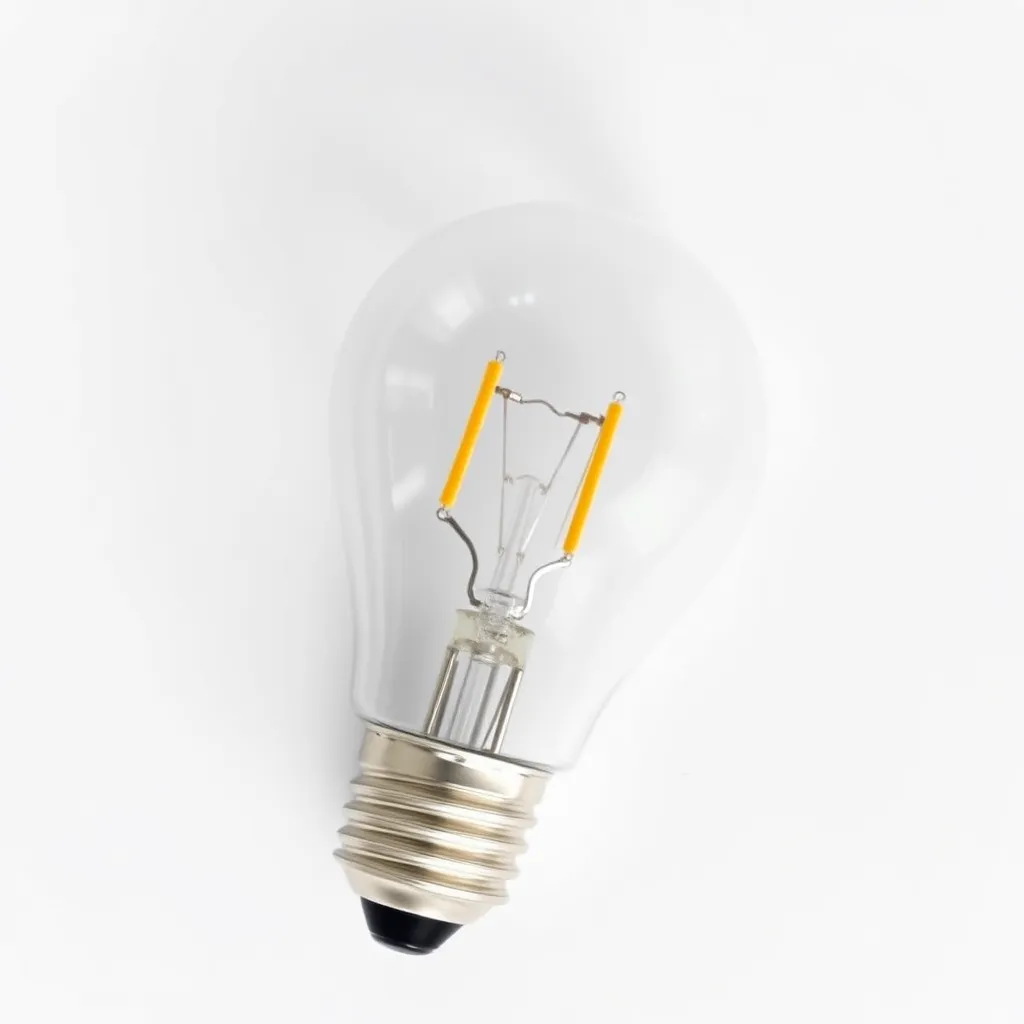
The single most effective way to prevent LED-induced headaches is selecting bulbs with a warm color temperature, measured in Kelvins (K).
Avoid Cool White and Daylight LEDs
Cool white LEDs (4000K to 6500K) mimic daylight and contain a strong blue light spike. Harvard Medical School research has shown that blue wavelengths generate the strongest pain signals in the visual-neural pathway. For headache-prone individuals, these bulbs are a primary trigger.
Choose Warm White Instead
Stick with 2700K to 3000K bulbs. These emit a soft, amber-toned glow similar to traditional incandescent lighting, with up to 50% less blue light than cool white options.
CCT (Kelvin) | Best For | Headache Risk |
|---|---|---|
2700K (Soft White) | Bedrooms, living rooms, dining areas | Lowest |
3000K (Warm White) | Kitchens, bathrooms, home offices | Low |
3500K (Neutral White) | Task-heavy spaces (use cautiously) | Moderate |
4000K+ (Cool White/Daylight) | Avoid in homes if sensitive | High |
Quick tip: Always check the label for the Kelvin rating. Words like "soft white" or "warm white" usually indicate a headache-friendly choice.
Don't Forget CRI
Look for bulbs with a Color Rendering Index (CRI) of 90 or higher. High-CRI bulbs reveal colors accurately, which reduces the visual strain your brain experiences when interpreting distorted hues.
Step 2: Eliminate Flicker by Choosing Quality Bulbs
Flicker is one of the sneakiest headache triggers because you can't always see it. But your brain can.
How to Test for Flicker
Use your smartphone to detect flicker in seconds:
Open your phone's camera in slow-motion mode (240 fps or higher).
Point it at the LED bulb.
A flicker-free bulb will appear steady. A flickering bulb will show dark bands or pulsing waves on screen.
How to Buy Flicker-Free LEDs
Stick with reputable brands like Philips, Cree, GE, or Sylvania.
Look for the label "flicker-free" on packaging.
For LED strip lights, invest in a constant-current, high-quality driver/power supply - cheap drivers are notorious flicker offenders.
Avoid bargain-bin bulbs from unknown manufacturers, where corner-cutting on drivers is common.
Step 3: Control Brightness with Dimmers
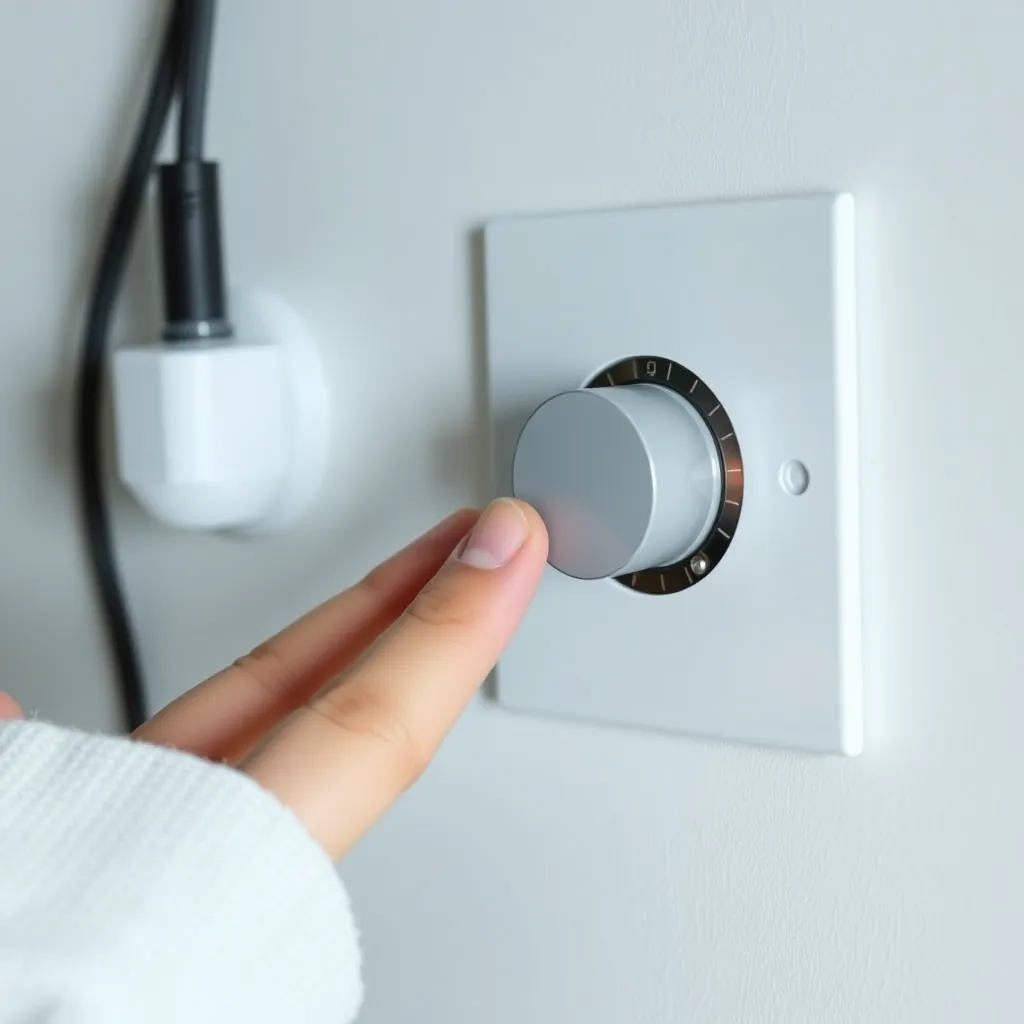
Over-bright lighting is a hidden cause of LED headaches. Most homes are far brighter than they need to be.
Recommended Brightness Levels
Living rooms / bedrooms: 30-50 footcandles (300-500 lux)
Task areas (reading, cooking): 70-100 footcandles (700-1000 lux)
Install LED-Compatible Dimmers
Dimmers let you fine-tune light output to your comfort level. But not all dimmers work with LEDs - using the wrong one can cause flickering, buzzing, or premature bulb failure.
When shopping for dimmers, look for labels that say:
"LED compatible"
"ELV" (Electronic Low Voltage)
"TRIAC compatible"
Pair dimmers with your warm white bulbs for the ultimate headache-prevention combo.
Step 4: Reduce Glare and Soften Light
Glare is just as harmful as raw brightness. Bare LED bulbs create harsh "point sources" that fatigue your eyes.
Effective Glare-Reduction Strategies
Use frosted bulbs and diffusers: Replace clear LEDs with frosted versions, or place them inside fixtures with frosted glass or acrylic shades.
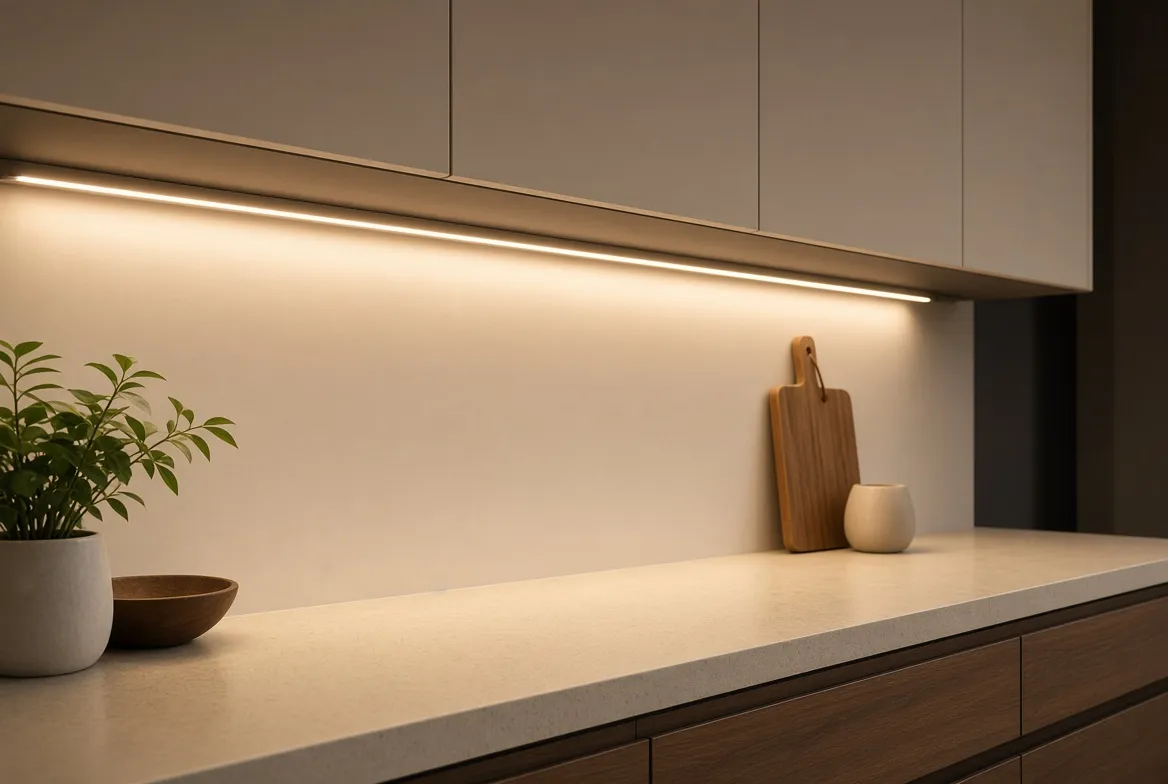
Install LED channels with diffuser covers: For LED strip lighting, mount strips inside aluminum channels topped with frosted polycarbonate covers. This converts harsh dots into a soft, continuous line.
Embrace indirect lighting: Aim LEDs at walls or ceilings so the light bounces softly into the room rather than shining directly into your eyes.
Choose baffled fixtures: Recessed downlights with deep baffles shield the LED chip from direct view, eliminating point-source glare.
Step 5: Manage Blue Light from Screens
LED-backlit screens (phones, laptops, TVs) can amplify your daily blue light exposure - and your headache risk.
Activate Built-In Night Modes
Every major device has a blue-light-reducing mode that filters 30-60% of blue light:
Windows: Settings → Display → Night Light
macOS: System Preferences → Display → Night Shift
iPhone/iPad: Settings → Display & Brightness → Night Shift
Android: Settings → Display → Night Light or Eye Comfort Shield
For headache-prone users, leave these modes on 24/7, not just at night.
Practice Healthy Screen Habits
Match brightness to your room - never use a bright screen in a dark space.
Sit 20-26 inches (50-65 cm) from the screen.
Follow the 20-20-20 rule: Every 20 minutes, look at something 20 feet (6 meters) away for 20 seconds.
Increase text size to avoid squinting.
Wipe screens regularly to reduce glare from dust and smudges.
Consider Blue-Light-Blocking Glasses
Evidence is mixed, but for highly sensitive individuals, amber-tinted lenses (60-90% blue light blocking) may provide supplementary relief during long screen sessions. These work best alongside - not instead of - warm bulbs and flicker-free LEDs.
Step 6: Design a Headache-Friendly Lighting Environment
Even the best bulbs won't prevent headaches if your overall lighting design is flawed.
Use Layered Lighting
Avoid relying on a single overhead fixture. Instead, combine:
Ambient lighting for general illumination (warm, dimmable).
Task lighting for focused activities like reading or cooking.
Accent lighting to add depth and reduce harsh shadows.
This spreads light evenly and reduces the high-contrast zones that trigger headaches.
Balance Natural and Artificial Light
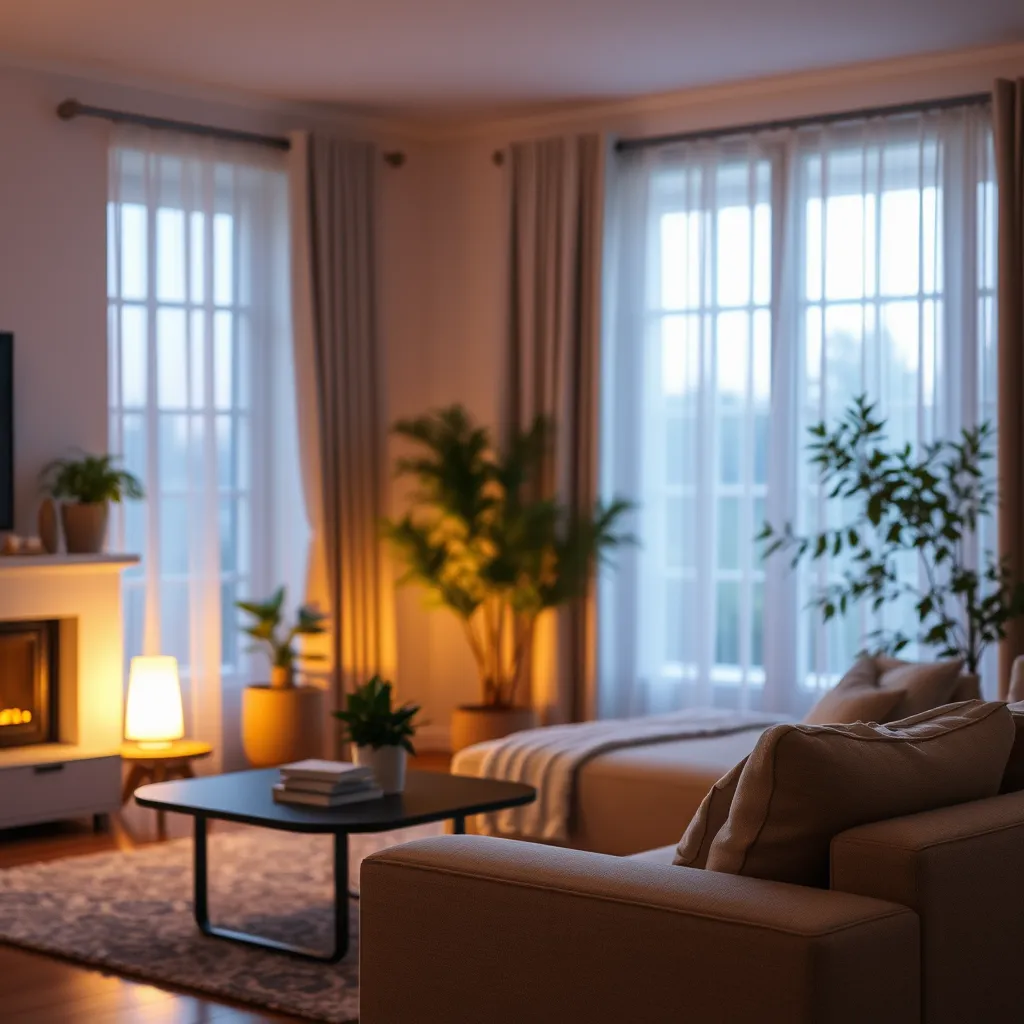
Use blinds or sheer curtains to soften harsh sunlight.
Position your desk so natural light enters from the side, not in front of or behind you.
Never let direct sunlight hit your monitor - this creates intense, painful glare.
Choose Comfortable Surfaces
Use matte paint finishes instead of glossy ones to reduce reflected glare.
Opt for light-colored walls to spread illumination more evenly.
Avoid pairing very dark walls with bright lights, as the contrast strains the eyes.
Conclusion
Preventing headaches from LED lights doesn't mean giving up on modern lighting - it means choosing it wisely. By switching to warm-white, flicker-free bulbs, controlling brightness with dimmers, softening glare with diffusers, and managing screen-related blue light, you can transform any space into a comfortable, headache-free environment. With a few thoughtful adjustments, LEDs can deliver all their efficiency and longevity benefits without ever costing you another migraine.
Frequently Asked Questions
Q1: Are LED lights inherently worse for headaches than incandescent bulbs?
A: Not necessarily. Cool-white LEDs (4000K-6500K) emit more blue light than incandescent bulbs and can trigger headaches more easily, but warm-white LEDs (2700K-3000K) closely match the spectrum of incandescent lighting. A quality, flicker-free warm-white LED is comparable in comfort to an incandescent bulb.
Q2: Can LED lights trigger migraines?
A: Yes. Photosensitive individuals are particularly vulnerable to cool-white, flickering, or overly bright LEDs. However, warm-white, flicker-free, dimmable LEDs are often the best lighting option for migraine management because their characteristics can be precisely controlled.