LED lights flicker most commonly because of an incompatible dimmer switch. Traditional dimmers designed for incandescent bulbs chop the electrical waveform in a way that LED drivers cannot process smoothly, causing visible pulsing or strobing. Other common causes include loose wiring, voltage fluctuations from large appliances, a failing LED driver, or a low-quality bulb operating outside its design parameters.
Unlike incandescent bulbs, which produce light from a heated filament with built-in thermal inertia, LEDs respond instantly to changes in electrical current. Any instability in the power supply becomes visible as flicker. The good news is that every common cause has a straightforward fix.
The 6 Most Common Causes of LED Flickering
1. Incompatible Dimmer Switch
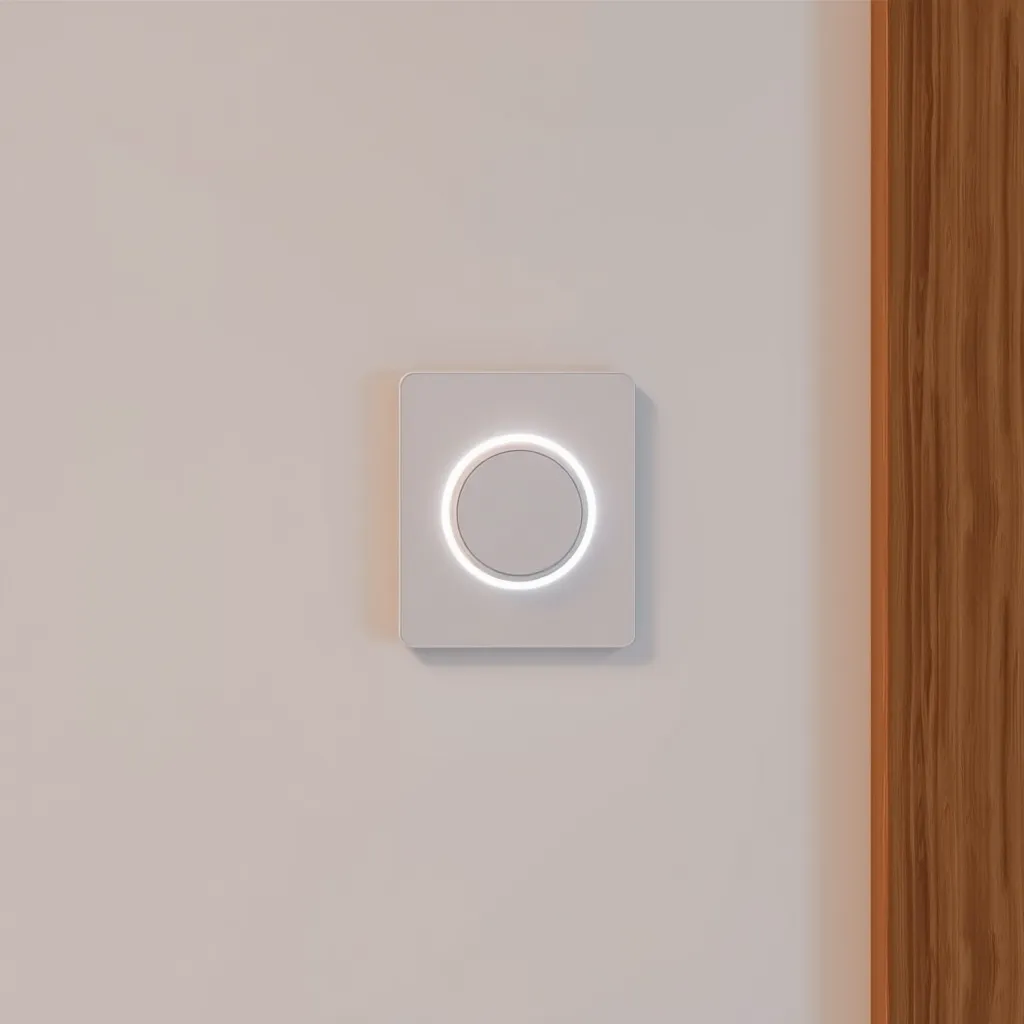
This is the number one cause of LED flickering. Most older dimmer switches use TRIAC or leading-edge technology designed for the high wattage of incandescent bulbs (typically 40-600 watts). An LED replacement drawing only 8-10 watts falls below the dimmer's minimum load threshold, causing erratic behavior. The fix is replacing the dimmer with one specifically rated for LED loads. Look for dimmers labeled "LED compatible" or "trailing-edge" from brands like Lutron, Leviton, or Legrand. The cost is typically $15-$30 (Lutron).
2. Loose or Faulty Wiring
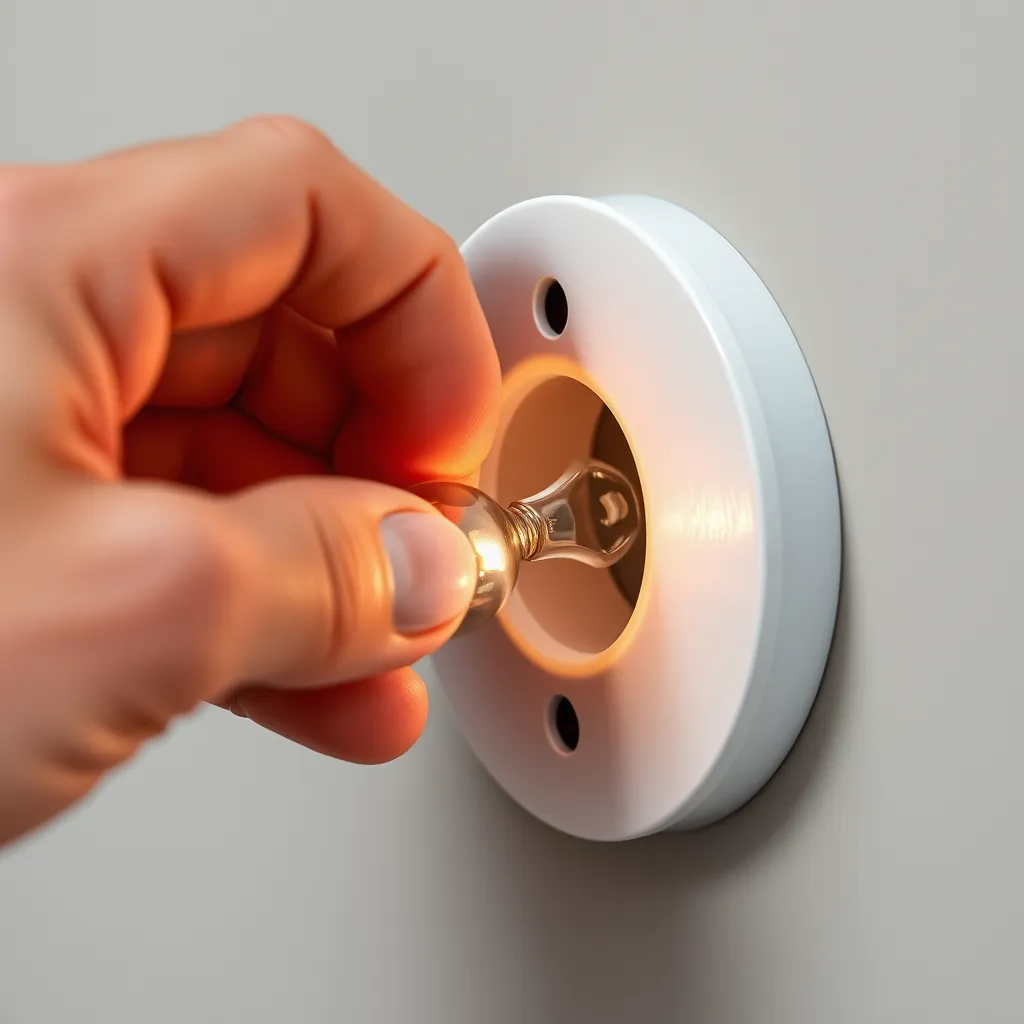
A loose connection at the bulb socket, light switch, or junction box creates intermittent contact that causes flickering. This can happen in older homes where wiring has degraded, or after a fixture was recently installed or moved. Turn off the breaker, check that the bulb is fully seated in the socket, and inspect wire connections at the switch and fixture. If wiring looks corroded, blackened, or loose, have a licensed electrician re-terminate the connections.
3. Voltage Fluctuations
Large appliances like air conditioners, refrigerators, and washing machines draw a surge of current when their motors start. If the LED is on the same circuit, this momentary voltage drop causes a brief flicker. This type of flicker is normal and usually lasts less than a second. If it happens frequently and bothers you, the solution is moving the LED fixture to a different circuit or installing a dedicated circuit for the high-draw appliance.
4. Failing LED Driver
Every LED bulb contains a driver, a small circuit that converts household AC power to the DC current the LED chip requires. When the driver begins to fail, it delivers inconsistent current, causing the light to flicker, strobe, or pulse. Driver failure is the leading cause of complete LED bulb failure and typically occurs due to overheating in enclosed fixtures or poor component quality. Replacing the bulb is the only fix once the driver has degraded (1000Bulbs).
5. Low-Quality LED Bulbs
Budget LED bulbs with cheap capacitors and minimal filtering in the driver circuit are prone to flicker from the moment they are installed. They may work fine on some circuits and flicker on others depending on the electrical environment. Investing in ENERGY STAR certified or name-brand LED bulbs with published flicker specifications largely eliminates this issue. Look for bulbs with a flicker percentage below 10% and a flicker index below 0.05.
6. Shared Neutral Wiring
In some older multi-switch installations, circuits share a neutral wire. When two circuits on the same neutral carry different loads, the imbalance can cause LED flickering on the lighter-loaded circuit. This is an electrical panel issue that requires an electrician to resolve, typically by separating the neutral connections or rebalancing the circuits.
How to Diagnose Which Cause Applies to You
Symptom | Most Likely Cause | Fix |
|---|---|---|
Flickers only when dimmed | Incompatible dimmer | Replace with LED-rated dimmer |
Flickers in one fixture only | Loose connection or bad bulb | Reseat bulb; check wiring |
Brief flicker when appliance starts | Voltage fluctuation | Separate circuits |
Flickers constantly, new bulb | Low-quality driver | Replace with ENERGY STAR bulb |
Flickers in multiple rooms | Panel or neutral issue | Call an electrician |
Conclusion
While LED flickering can be an annoying distraction, it's reassuring to know that most causes are easily identifiable and remedied. By understanding the common culprits, from outdated dimmer switches to minor voltage fluctuations, you're well-equipped to restore your lighting to a steady, consistent glow. This minor inconvenience shouldn't overshadow the significant energy savings and longevity that modern LED technology offers.
The key to a flicker-free environment often lies in a systematic approach. Start with the simplest checks, like ensuring bulb compatibility and secure connections, before exploring more complex electrical considerations. Don't hesitate to consult a qualified electrician if the issue persists or if you suspect underlying wiring problems; their expertise can ensure both safety and optimal performance.
As LED technology continues to advance, we can expect even greater compatibility and resilience in future products, further simplifying the transition to efficient lighting. Embracing these innovations means enjoying brighter, more reliable illumination for years to come, free from the subtle visual disturbances of the past.
Frequently Asked Questions
Is LED flickering dangerous?
The flickering itself is not dangerous to the bulb or your electrical system. However, it can trigger headaches, eye strain, and discomfort in sensitive individuals. Persistent flickering caused by loose wiring should be addressed promptly because faulty connections are a fire hazard regardless of bulb type.
Why do LED lights flicker on camera?
LEDs operate on alternating current that cycles at 50 or 60 Hz. Camera sensors capture images at frame rates that can fall out of sync with this cycling, creating visible banding or flicker in video. This is a camera artifact, not a sign of a defective bulb. Adjusting the camera's shutter speed to match the electrical frequency (1/50 or 1/60 second) usually eliminates it.
Do all dimmable LEDs work with all dimmers?
No. Even bulbs labeled "dimmable" may flicker with certain dimmer models. Most LED manufacturers publish compatibility lists on their websites. Matching the bulb brand's recommended dimmer is the most reliable way to avoid issues. Lutron's online compatibility tool is a helpful resource for checking specific bulb-dimmer combinations.