LED Christmas lights last 25,000+ hours compared to 1,000-2,000 hours for incandescent, use up to 90% less electricity, and stay cool enough to touch safely even after hours of operation. Incandescent Christmas lights cost less upfront ($2-$5 per string) but need replacing every 1-3 seasons, while LED strings ($8-$20) typically survive 7 to 10 seasons of outdoor use. The U.S. Department of Energy reports that LED holiday lights could theoretically last over 40 seasons under ideal conditions.
The energy cost difference is dramatic. Running 10 strings of 100-count incandescent mini lights for 6 hours daily across a 45-day season costs approximately $17-$25 in electricity. The same display with LED strings costs $2-$3. Over five seasons, that difference pays for the LED upgrade several times over.
Durability Comparison
Incandescent Christmas lights use thin glass bulbs that break during installation, storage, and takedown. On series-wired strings (most budget models), a single broken or burned-out bulb can knock out the entire string. LED Christmas lights use shatter-resistant plastic or epoxy lenses that withstand drops, wind, and the mechanical stress of being wrapped around trees, gutters, and poles. They also resist moisture better, making them more reliable in rain, snow, and freezing conditions (Christmas Designers).
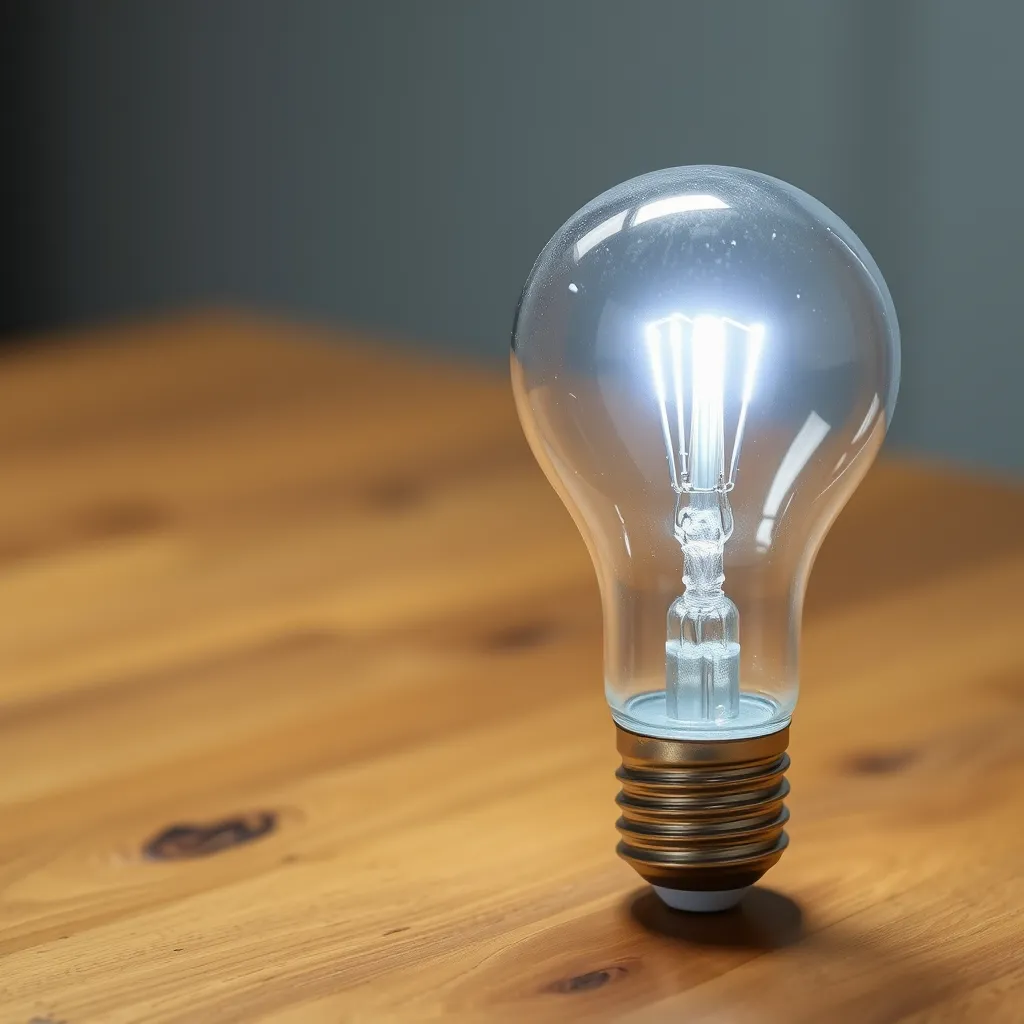
Heat is the most significant safety factor. Incandescent Christmas lights generate enough heat to dry out live trees and pose a measurable fire risk, according to the National Fire Protection Association. LED strings remain cool to the touch, virtually eliminating this hazard. For homes with live trees, pets, or young children, LEDs provide an important safety margin.
Energy Usage Comparison
Metric (per 1,000 bulbs) | Incandescent | LED |
|---|---|---|
Total wattage | ~408W | ~69W |
Strings connectable end-to-end | 4 - 5 | 25+ |
Season electricity cost (6 hrs/day, 45 days) | $17 - $25 | $2 - $3 |
Heat output | Hot (fire risk) | Cool to touch |
The ability to connect 25+ LED strings end-to-end versus only 4-5 incandescent strings is a major practical advantage for large displays. It means fewer extension cords, fewer outlet demands, and far less risk of overloading circuits during the holiday season.
Appearance: The Warm Glow Debate
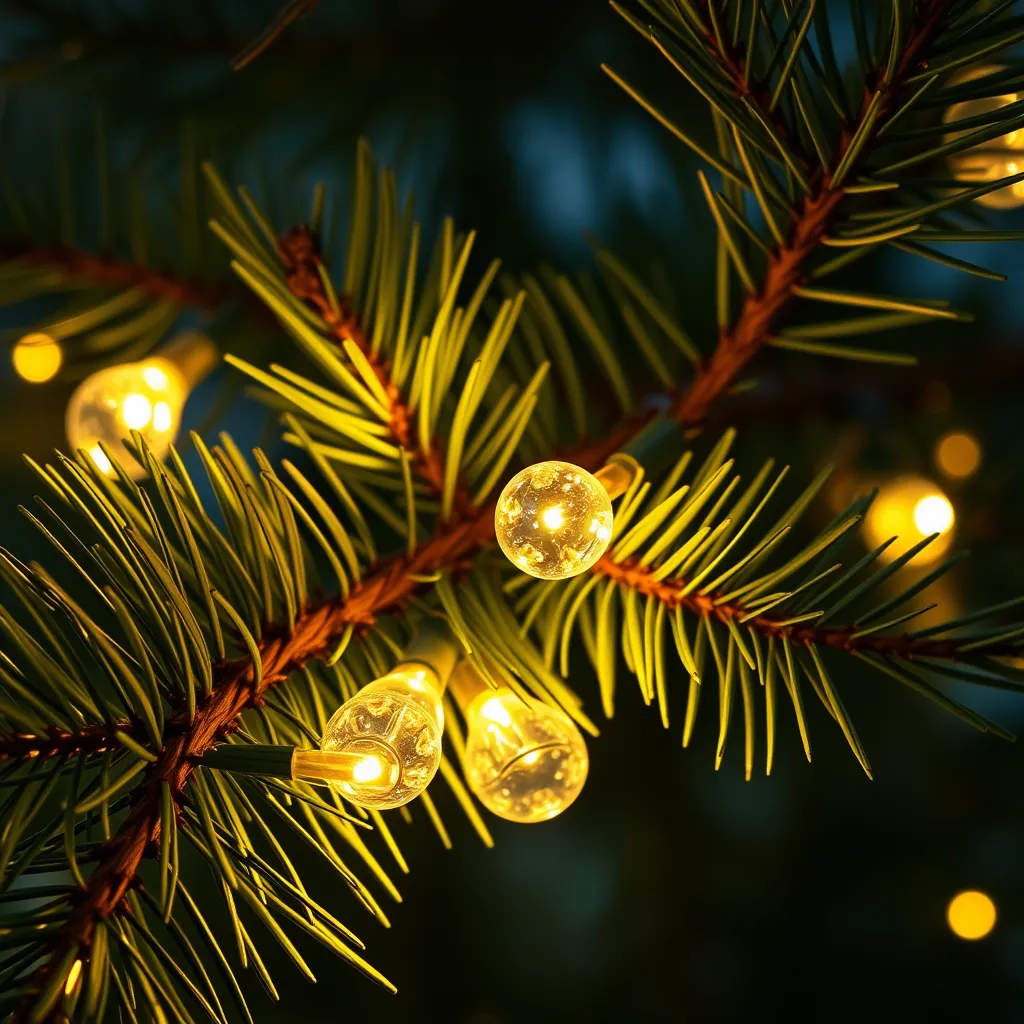
The most common argument for incandescent Christmas lights is their warm, nostalgic amber glow. Early LEDs were criticized for producing harsh, bluish-white light that looked clinical against evergreens. Modern warm white LEDs (2700K-3000K) closely replicate the traditional incandescent appearance. Most viewers cannot distinguish them from more than a few feet away. For exact color matching, look for LED strings specifically labeled "warm white" rather than "pure white" or "cool white."
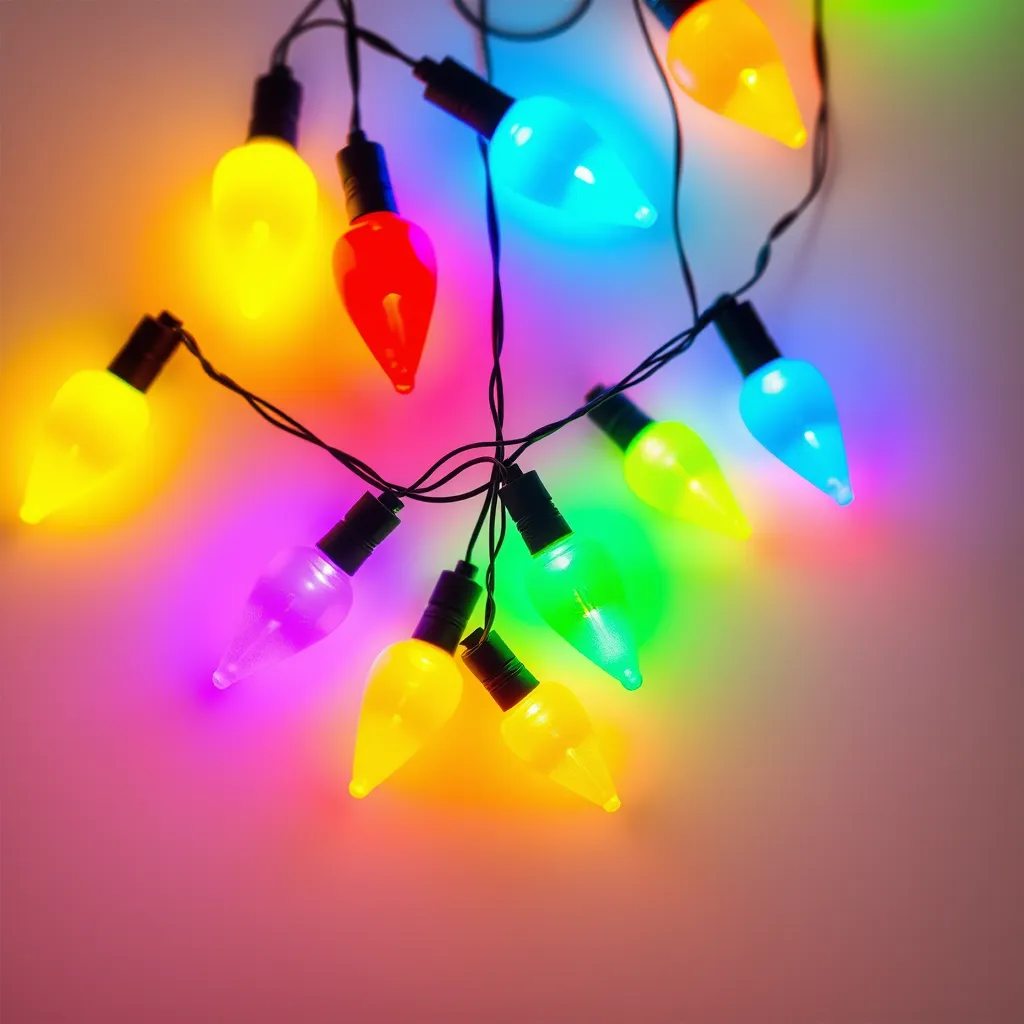
Where LEDs offer something incandescent cannot is programmability. Color-changing, twinkling, fading, and music-synced LED strings create dynamic displays that are impossible with fixed-output incandescent bulbs. Smart LED Christmas lights from brands like Twinkly allow per-bulb color control via a phone app, opening up creative possibilities that justify the premium price for display enthusiasts.
Conclusion:
While the initial cost of LED Christmas lights is higher, the transition is a one-time investment that secures your home against fire risks and reduces the annual stress of troubleshooting dead strings. The durability of plastic lenses means you can spend less time replacing broken glass and more time enjoying the holiday season.
As lighting technology continues to evolve, the gap between traditional aesthetics and modern efficiency has closed completely. Choosing warm white LEDs allows you to preserve the nostalgic atmosphere of your childhood holidays while benefiting from smart features and significant energy savings. For the modern decorator, the switch to LED is the most practical gift you can give your household budget.
Frequently Asked Questions
Q1: Can you tell the difference between LED and incandescent Christmas lights?
A: From a distance of 10+ feet, most people cannot distinguish modern warm white LEDs from incandescent. Up close, incandescent bulbs produce a slightly softer, more diffused glow due to the heated filament, while LEDs appear marginally crisper and more uniform. The difference has narrowed dramatically with newer LED designs.
Q2: Are LED Christmas lights safer than incandescent?
A: Yes. LED Christmas lights produce virtually no heat, eliminating the fire risk associated with incandescent strings near dry trees, curtains, and paper decorations. The NFPA recommends LED lights for holiday decorating specifically because of this reduced fire hazard.
Q3: Should I replace all my incandescent Christmas lights with LED?
A: If your existing incandescent strings still work and you only use them indoors for short periods, there is no urgent need to replace them. However, for outdoor displays, large installations, or any setup near a live tree, the safety, durability, and energy savings of LEDs make the upgrade worthwhile. The cost per string has dropped enough that replacing even working incandescent strings saves money within two seasons.