Red LED lights indicate different things depending on the context. On electronics, a red LED typically means the device is in standby mode or powered off but receiving power. On cameras and recording devices, red means actively recording. On battery-powered devices, red indicates low battery or charging. On networking equipment, red usually signals an error or lost connection. In traffic and safety applications, red universally means stop or danger. As room lighting, red is chosen for sleep-friendly illumination, mood ambiance, or photography darkrooms because it does not suppress melatonin production.
The color red was assigned to LED indicators early in electronics history because red LEDs were the first commercially available type (invented in 1962) and were the cheapest to produce. The association of red with warnings and alerts predates LED technology - it comes from traffic lights, brake lights, and fire safety equipment.
Red LED Meanings by Context
Context | Red LED Meaning | Action Needed |
|---|---|---|
TV / monitor | Standby mode (powered off but plugged in) | Press power to turn on; or unplug to stop phantom draw |
Camera / webcam | Actively recording | None - confirms recording is in progress |
Phone / laptop | Low battery or charging | Connect to charger; red typically turns green when full |
Wi-Fi router / modem | Error, no internet, or hardware fault | Restart the device; contact ISP if persistent |
Smoke detector | Blinking: normal operation. Solid: alarm or fault | Blinking is fine; solid red with beeping = evacuate |
Power strip / surge protector | Protection active or overload warning | Check if devices exceed the strip's wattage rating |
Car dashboard | Critical warning (engine, oil, battery, brakes) | Stop driving and investigate immediately |
Red LED on Electronics: Standby Mode
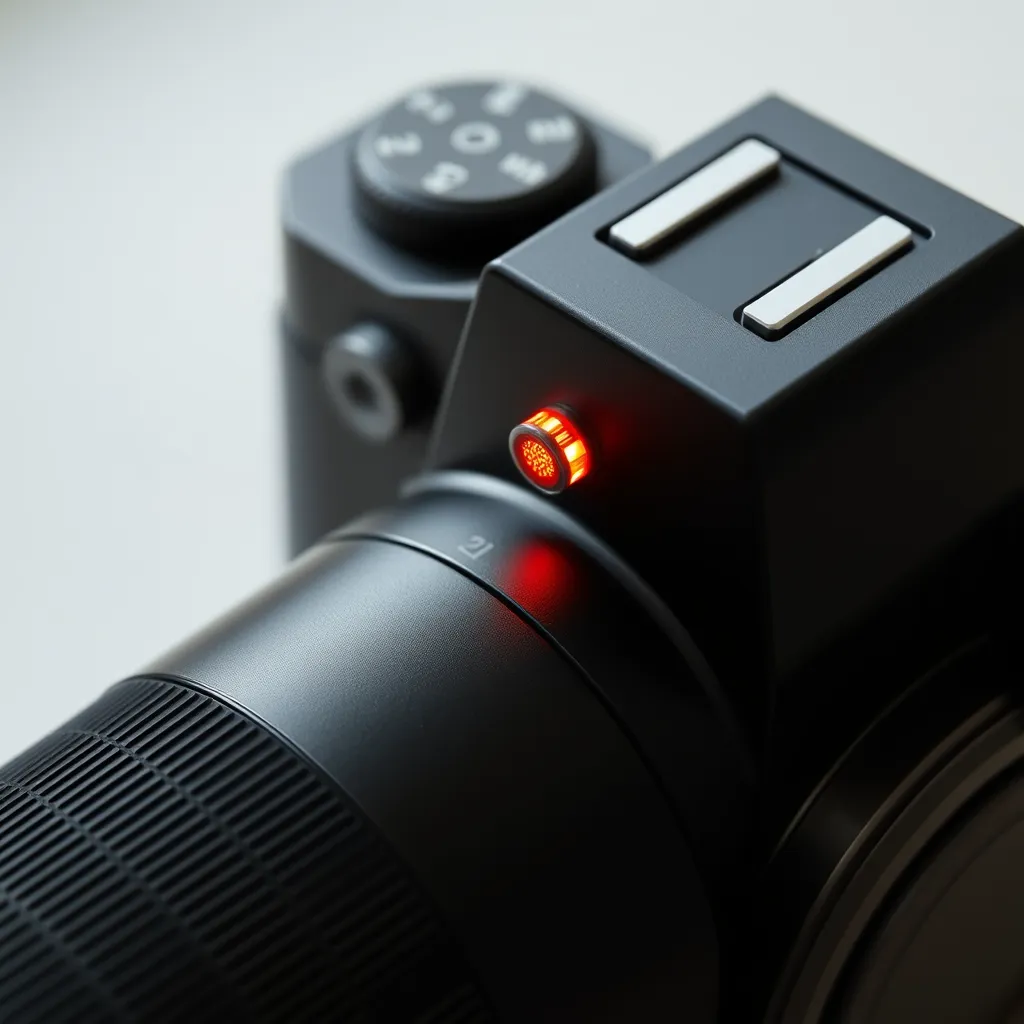
The red standby LED on TVs, monitors, gaming consoles, and audio equipment indicates the device is powered off at the user level but still connected to wall power and drawing a small amount of electricity (0.5-5 watts). This "phantom" or "vampire" power keeps the device ready to respond to the remote control's power signal. If the red LED is off entirely, the device is unplugged or the power switch on the back is in the off position.
On some devices, the LED color changes to indicate status: red for standby, green or blue for powered on, and flashing red for a fault condition. Check the device's manual for model-specific LED indicator meanings, as there is no universal standard across manufacturers.
Red LED as Room Lighting
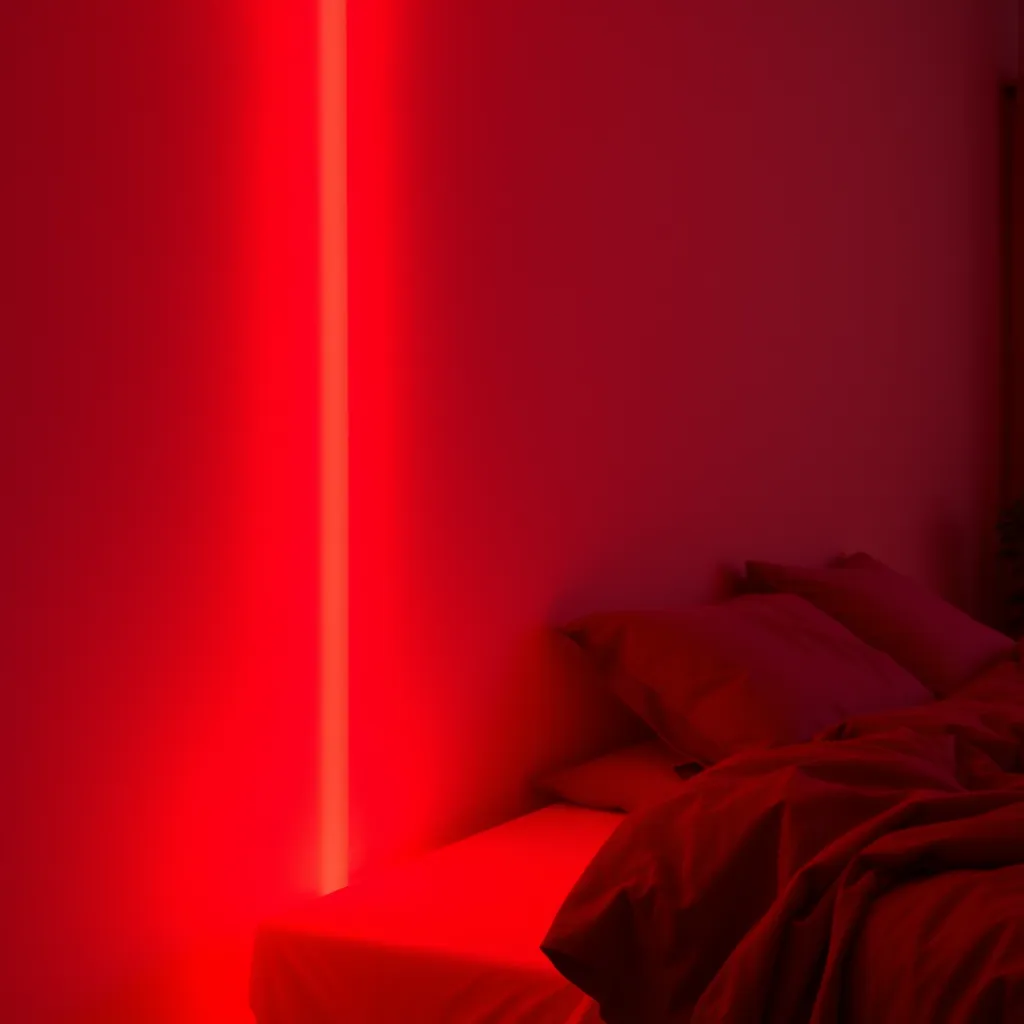
Red LED lights are increasingly popular in bedrooms, nurseries, and relaxation spaces because red light does not suppress melatonin production. The specialized photoreceptors in the retina that regulate the sleep-wake cycle (ipRGCs) are most sensitive to blue light (~480 nm) and minimally responsive to red light (630-700 nm). Using a red LED night light or setting RGB strips to red in the hour before bed allows you to see without disrupting your circadian rhythm.
Red lighting is also used in photography darkrooms (because red wavelengths do not expose most photographic paper), military and aviation night operations (because red preserves scotopic night vision better than white light), and theatrical mood lighting (because red evokes warmth, energy, or drama depending on the setting).
Red LED on Networking Equipment
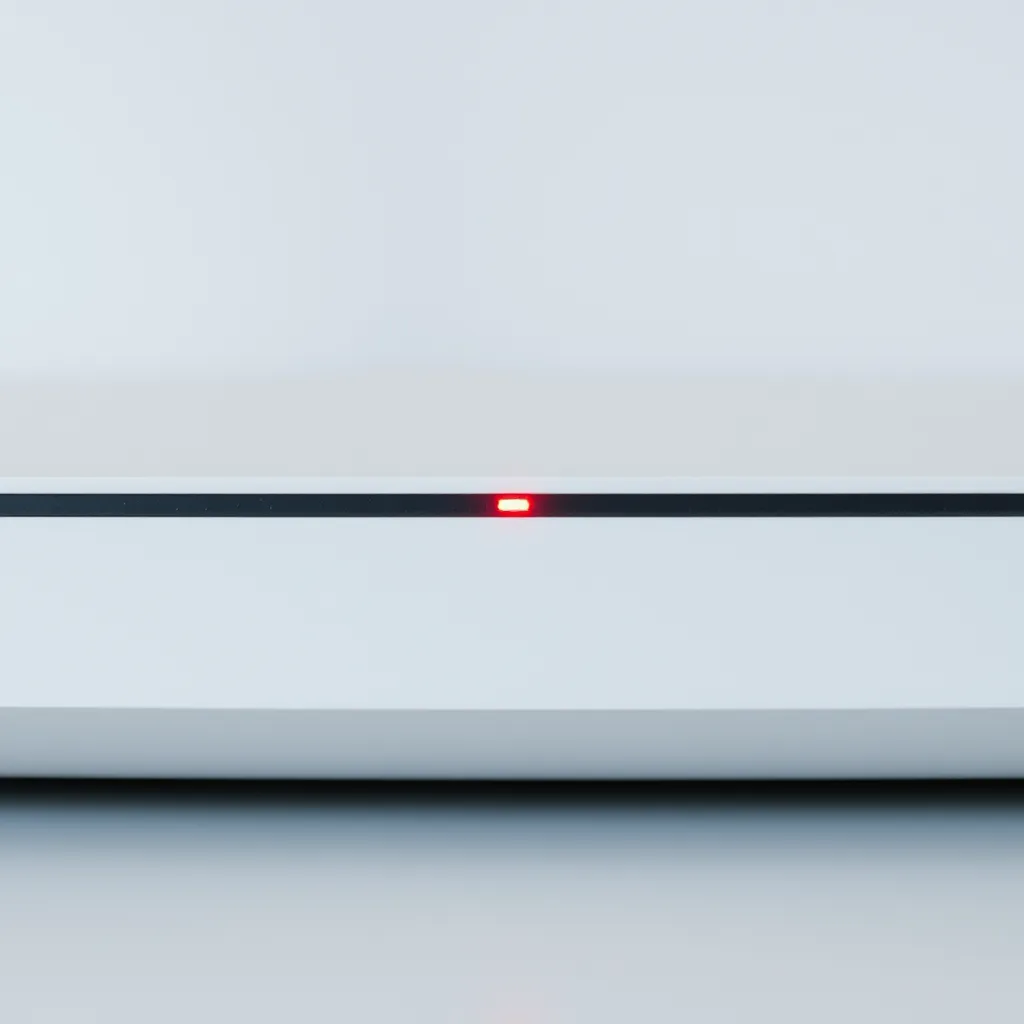
On routers, modems, and network switches, a red LED almost always indicates a problem. Common meanings include: no internet connection (WAN light red), hardware fault detected (power or status light red), or firmware update in progress (flashing red - do not unplug). The first troubleshooting step is restarting the device: unplug it for 30 seconds, then plug it back in. If the red light persists after restart, check your ISP's service status page for outages. If there is no outage, contact your ISP for further diagnosis.
A red light on an Ethernet port specifically can mean the port is detecting a link error or the connected cable is faulty. Try a different Ethernet cable before assuming the router port is defective.
Conclusion:
While a red LED often signals a warning or an error, its role in our daily lives is far more versatile. From preserving your natural sleep cycle to indicating the standby status of your favorite gadgets, these small lights provide essential communication between you and your technology. Understanding the context of the glow is the key to troubleshooting effectively or optimizing your living environment for better rest.
As smart home technology continues to evolve, expect to see even more nuanced uses for red LED indicators. Whether it is a subtle pulse during a firmware update or a deep crimson hue for a nighttime nursery, the red LED remains a foundational element of modern electronics. Always refer to your specific device manual when in doubt but keep these general rules in mind to navigate your illuminated world with confidence.
Frequently Asked Questions
Q1: Is a red LED light bad?
A: Not inherently. In most contexts, a red LED is simply an indicator - standby mode, low battery, or recording status. On networking equipment or car dashboards, a red LED does signal a problem that needs attention. In room lighting, red is actually the best color for health because it supports natural melatonin production. Whether a red LED is "bad" depends entirely on the device and context.
Q2: Why is a red light blinking on my device?
A: A blinking red LED usually means the device is processing something or alerting you to a condition. On smoke detectors, a blinking red light every 30-60 seconds is normal operation confirming the detector is powered and functional. On routers, blinking red means data transmission error or firmware update in progress. On chargers, blinking red can mean the battery is too depleted to charge normally or the device is too hot. Check the specific device's documentation for the exact meaning.
Q3: What does a red LED light mean on TikTok or social media trends?
A: On social media, red LED room lighting is a popular aesthetic trend used for photography and video content. The deep red tone creates a dramatic, moody atmosphere that photographs well and creates visual contrast in content. Some users associate red LED lighting with romance, relaxation, or nightclub vibes. The trend is purely aesthetic and unrelated to the technical indicator meanings of red LEDs on electronic devices.