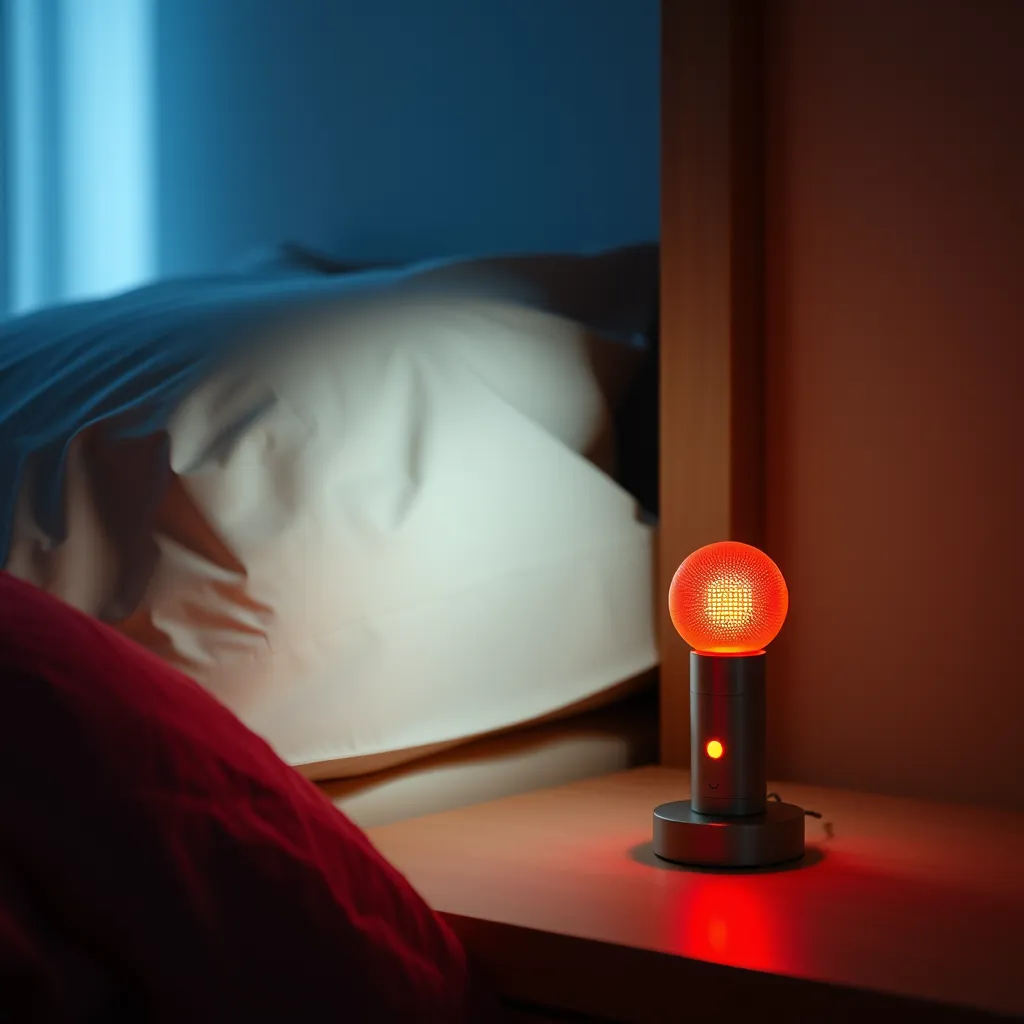
Red and warm amber LED light colors help with sleep because they contain minimal blue wavelengths, which means they do not suppress melatonin production. Research found that subjects exposed to red light (630 nm) for 30 minutes before bed showed improved sleep quality and increased melatonin levels compared to a control group. Warm amber light in the 1800K-2200K range produces a similar effect by mimicking candlelight and firelight, which the human circadian system evolved to interpret as a signal for approaching sleep.
The worst colors for sleep are blue and cool white (5000K-6500K). Blue light at 460-480 nm is the most potent suppressor of melatonin. A Harvard Medical School study found that blue light suppresses melatonin for about twice as long as green light and shifts circadian rhythms by twice as much. This is why using phones, tablets, and cool-white overhead lights before bed disrupts sleep.
How Light Color Affects Melatonin
Melatonin is the hormone that signals your body it is time to sleep. Special photoreceptor cells in the retina called intrinsically photosensitive retinal ganglion cells (ipRGCs) detect light and send signals to the brain's suprachiasmatic nucleus, which controls the circadian clock. These cells are most sensitive to blue light wavelengths around 480 nm. When they detect blue light, the brain suppresses melatonin production, keeping you alert.
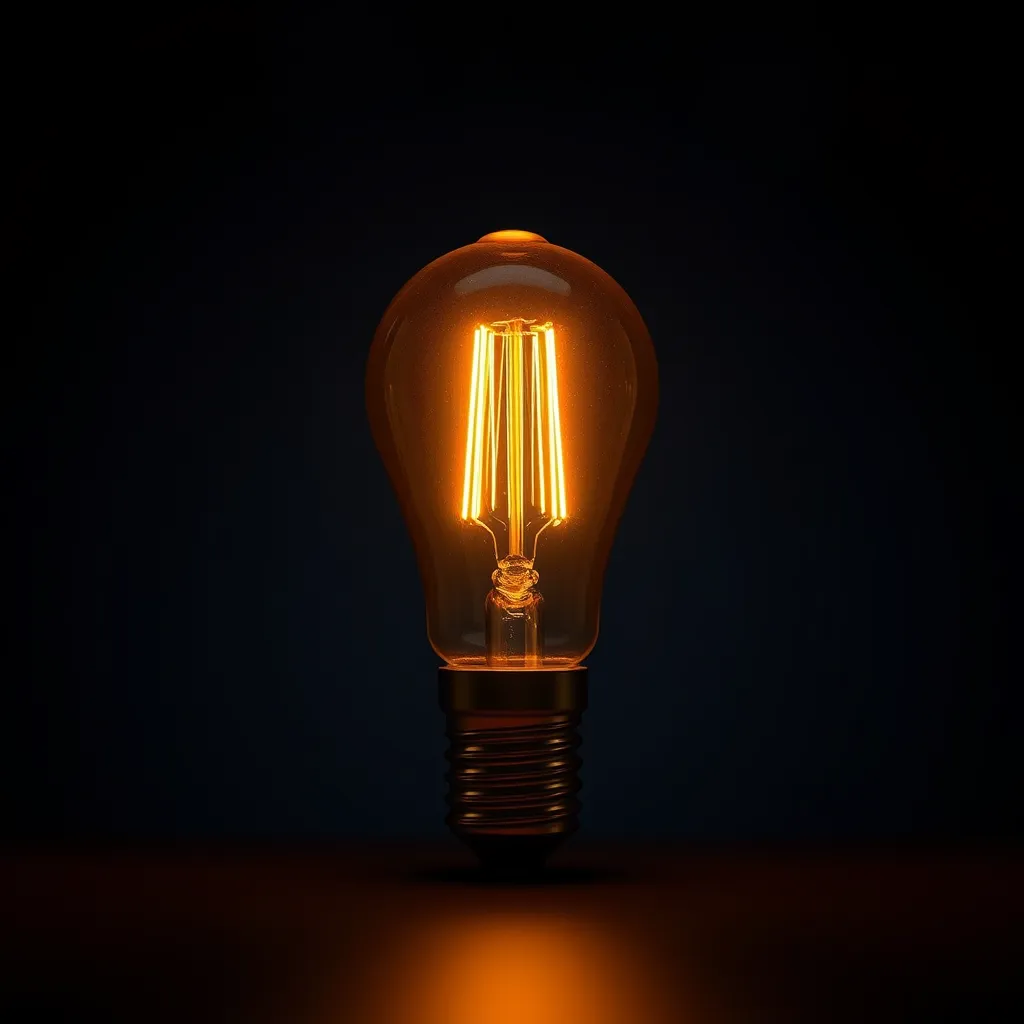
Red light (620-700 nm) falls outside the peak sensitivity range of ipRGCs. This means red light illuminates your room without triggering the alertness response that delays sleep. Amber and warm-tone LEDs (1800K-2200K) produce a spectrum heavily weighted toward red and orange wavelengths with minimal blue content, making them the best general-purpose lighting for evening hours.
Best LED Light Settings for Sleep
Light Type | Color Temperature | Effect on Sleep |
|---|---|---|
Red LED | 630-700 nm | Best - does not suppress melatonin at all |
Amber / warm dim | 1800-2200K | Very good - minimal blue content |
Warm white | 2700K | Good - some blue but significantly less than daylight |
Neutral white | 3500-4000K | Fair - noticeable blue content, not ideal for pre-sleep |
Daylight / cool white | 5000-6500K | Poor - strong blue content suppresses melatonin significantly |
Practical Setup for Better Sleep
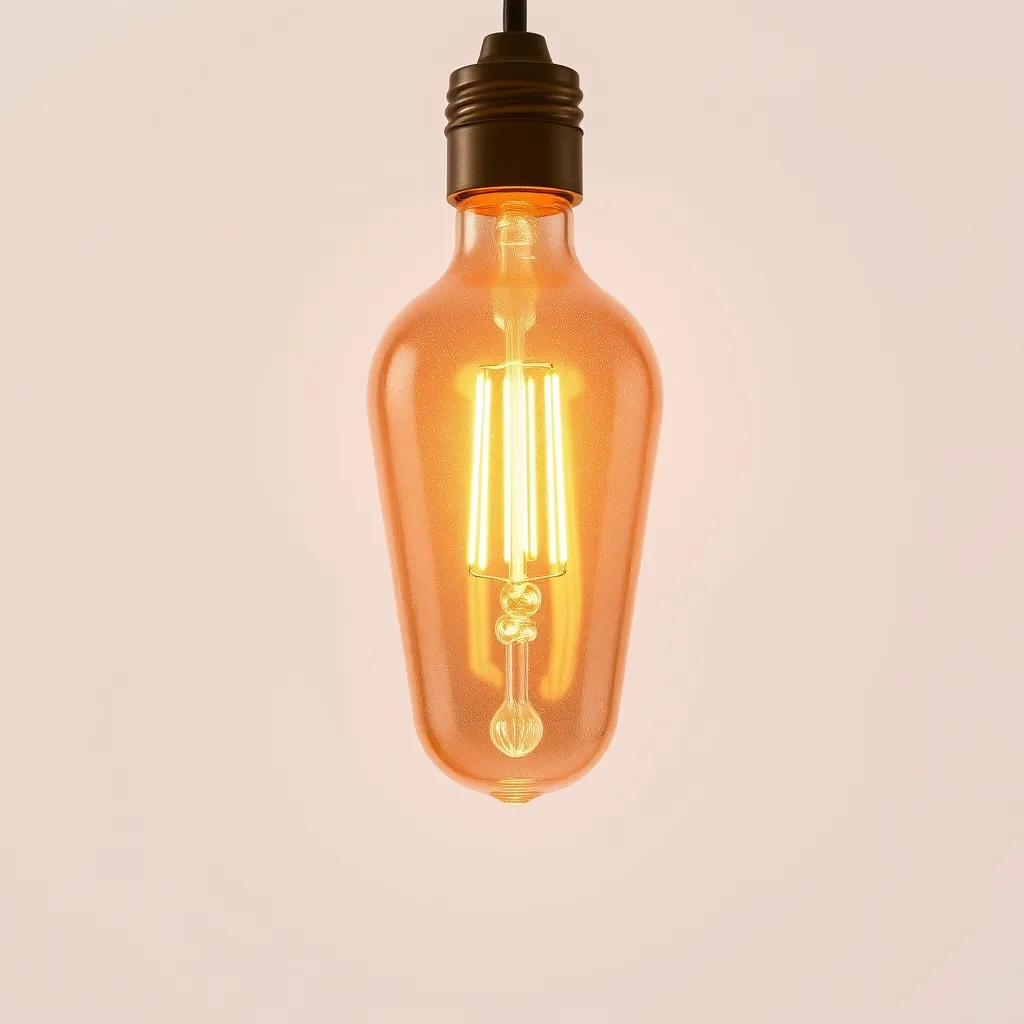
Bedroom overhead light: Replace cool-white bulbs with 2700K warm white LEDs, or ideally 2200K vintage-style Edison LEDs. Dim them to 30-50% brightness in the hour before bed. A dimmed warm-white LED produces very little sleep-disrupting blue light. Many smart LED bulbs offer a "bedtime" mode that automatically shifts to warm, dim output on a schedule.
Bedside lamp: Use a dedicated red or amber LED night light or a smart bulb set to red mode. This provides enough light to read by or navigate the room without any melatonin suppression. Red LED night lights are available for $5-$10 and plug directly into wall outlets.
LED strip accent lighting: If you use LED strips for bedroom ambiance, set RGB strips to a red or deep orange color before bed. Avoid blue, green, or "white" modes in the evening. Many RGB controllers have a timer function that can automatically switch to warm colors at a set time each night.
Screen time: If you use devices in bed, enable the built-in blue light filter (Night Shift on Apple, Night Light on Windows/Android). These filters shift the display toward warm amber tones but do not eliminate blue light entirely. The most effective approach is dimming screens to minimum brightness and keeping them at arm's length rather than close to your face.
Conclusion:
Transitioning your home lighting to support your natural sleep cycle doesn't require a complete renovation. By simply swapping out a few key bulbs in the bedroom and bathroom for warmer, amber-toned LEDs, you create a dedicated wind-down zone that protects your body's melatonin production. Consistency is the most important factor; making these lighting shifts a nightly habit will yield the best results for your long-term sleep hygiene.
As smart lighting technology continues to advance, look for bulbs that offer automated circadian scheduling. These systems handle the transition for you, slowly shifting from bright daylight to soft red tones as the sun sets. Investing in these tools allows your environment to work with your biology rather than against it, ensuring you wake up feeling refreshed and well-rested every morning.
Frequently Asked Questions
Q1: Is a red night light better than no light at all?
A: Complete darkness is the best environment for sleep quality. If you need a night light for safety or comfort, red is the least disruptive color. A dim red LED night light does not measurably affect melatonin levels or sleep architecture in research studies. White or blue night lights, even at low brightness, do have a measurable effect on melatonin because the ipRGC cells in the retina are extremely sensitive to blue wavelengths.
Q2: Do blue light blocking glasses work?
A: Amber-tinted blue light blocking glasses reduce the amount of blue light reaching the retina by 65-99% depending on the lens tint. Multiple studies show they can improve sleep quality and onset time when worn for 1-2 hours before bed. However, they are not a substitute for reducing overall light exposure in the evening. Combining blue-blocking glasses with warm, dim room lighting provides the greatest benefit.
Q3: What about green light for sleep?
A: Green light (495-570 nm) is less disruptive than blue but more disruptive than red. Research from the University of Oxford found that green light at moderate intensity does suppress melatonin, though less dramatically than blue. Green is not recommended as a sleep-friendly lighting choice. If you want to see colors reasonably well in the evening without strong melatonin suppression, warm amber (2200K) provides a better balance than green.