LED stands for Light Emitting Diode. A diode is a semiconductor component that allows electrical current to flow in one direction. When current passes through the semiconductor material in an LED, electrons release energy as photons, which we see as visible light. This process is called electroluminescence. Unlike incandescent bulbs that produce light by heating a metal filament, LEDs generate light directly from electronic activity, which is why they use at least 75% less energy according to the U.S. Department of Energy.
The term "LED" has become so common that most people use it without thinking about what the letters represent. Understanding the basic technology behind the acronym helps explain why LEDs are more efficient, last longer, and behave differently than older lighting technologies.
Breaking Down Each Word
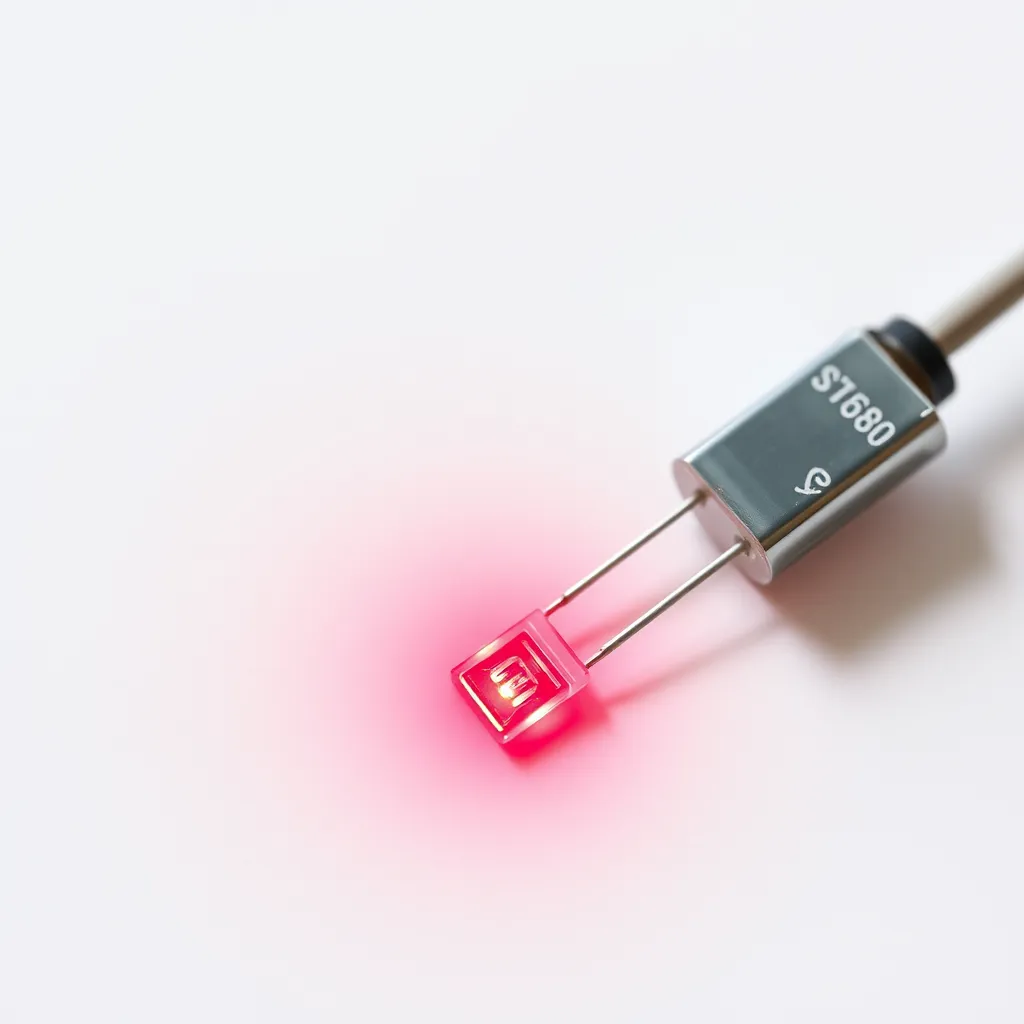
Light: The visible electromagnetic radiation produced by the device. Different semiconductor materials produce different wavelengths (colors) of light. A phosphor coating converts the native blue light of most white LEDs into the broad-spectrum white light used in homes and businesses.
Emitting: The LED actively generates and projects light outward. This distinguishes it from reflective or transmissive materials. The light emission happens at the semiconductor junction when electrons drop from a higher energy state to a lower one, releasing the difference as a photon.
Diode: A two-terminal electronic component made from semiconductor material (typically gallium nitride for white LEDs). The diode structure creates a junction between two types of material: N-type (excess electrons) and P-type (electron holes). Current flows across this junction in only one direction, which is why LEDs are polarity-sensitive - connect them backwards and they will not light up.
A Brief History of the LED
The LED was first demonstrated in 1962 by Nick Holonyak Jr. at General Electric, producing only dim red light. Throughout the 1970s and 1980s, LEDs expanded to yellow, orange, and green wavelengths, but blue remained elusive. In 1994, Shuji Nakamura, Isamu Akasaki, and Hiroshi Amano developed the first practical blue LED using gallium nitride, a breakthrough that earned them the 2014 Nobel Prize in Physics. Blue LEDs made white LED light possible by combining blue light with a yellow phosphor coating.
Commercial white LED bulbs for general home use became available around 2008-2010 but were expensive ($30+ per bulb). Rapid manufacturing improvements and government incentives drove prices below $5 by 2015 and below $2 by 2023. Today, LEDs account for more than half of all lighting sold worldwide and are rapidly approaching total market dominance.
Why LEDs Are More Efficient Than Other Bulbs
Bulb Type | How It Produces Light | Energy Wasted as Heat |
|---|---|---|
Incandescent | Heats a tungsten filament until it glows | ~90% |
Halogen | Heats a filament in a halogen gas envelope | ~80% |
CFL | Excites mercury vapor with electricity | ~70% |
LED | Electroluminescence in a semiconductor | ~15 - 20% |
The core advantage of LEDs is that they convert most of their input energy directly into visible light rather than heat. An incandescent bulb wastes 90% of its energy as thermal radiation. An LED wastes only 15-20%, and even that waste heat is concentrated at the base of the bulb rather than radiating outward like an incandescent. This efficiency is why a 10-watt LED can match the brightness of a 60-watt incandescent.
Conclusion:
As the Light Emitting Diode continues to evolve, the technology is shifting from a specialty electronic component to the universal standard for all illumination. While the basic physics of moving electrons across a semiconductor remains constant, the quality of light-measured in color accuracy and dimming capability-continues to improve. When choosing bulbs today, the focus has shifted from simply saving energy to selecting the right light quality for your specific environment.
Looking ahead, the longevity of LED technology is changing our relationship with lighting fixtures. We are moving toward a future where light sources are integrated directly into architecture and furniture, designed to last for decades without replacement. This transition represents a significant step toward more sustainable, permanent home infrastructure that reduces waste and provides better light for our daily lives.
Frequently Asked Questions
Q1: Is LED a light or a technology?
A: LED refers to the technology (Light Emitting Diode), not a single product. LED technology is used in light bulbs, strip lights, TV screens, phone displays, car headlights, traffic signals, and thousands of other applications. When people say "LED lights," they are referring to lighting products that use LED technology as their light source.
Q2: Are all LED lights the same?
A: No. LED lights vary widely in brightness (lumens), color temperature (warm to cool), color accuracy (CRI), lifespan, and build quality. A $2 budget LED and a $15 premium LED may both produce 800 lumens, but they can differ significantly in color rendering, dimming performance, flicker, and how long they last before noticeable dimming.
Q3: Do LED lights use DC or AC power?
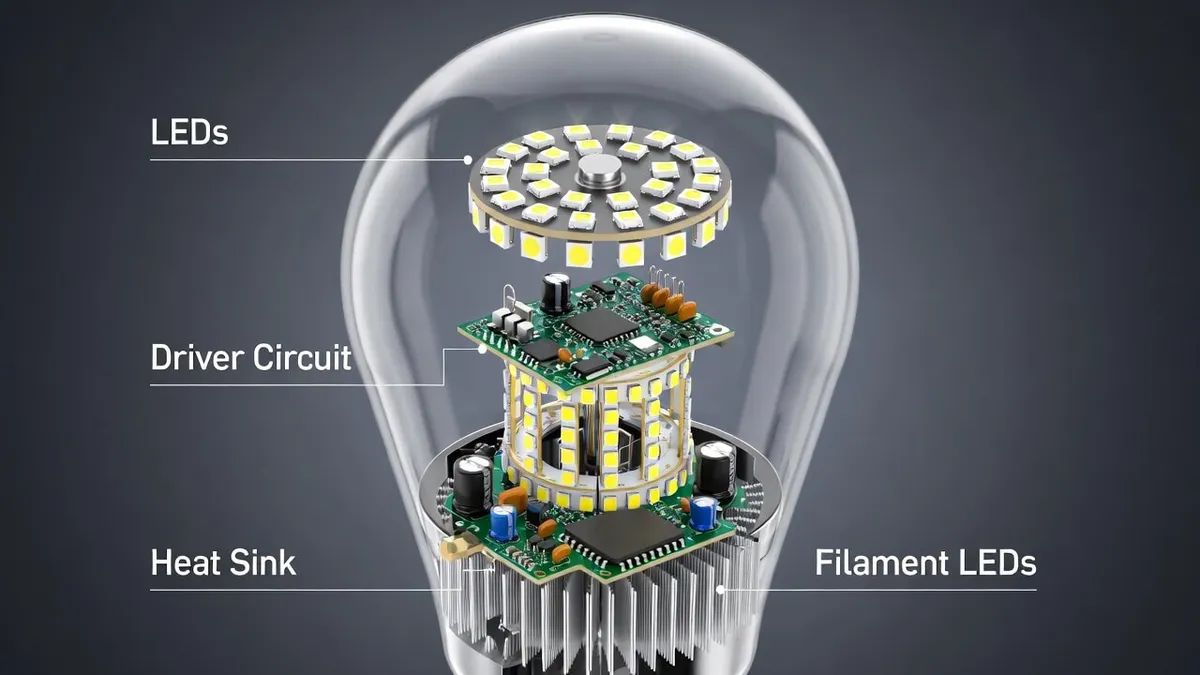
A: LED chips operate on low-voltage DC (direct current). However, household electricity is AC (alternating current). Every LED bulb contains a small driver circuit that converts 120V AC from the wall to the low-voltage DC the LED chip requires. This driver is the most common point of failure in LED bulbs, not the LED chip itself.