Yes, clearly. LED lights use up to 85% less electricity than incandescent bulbs and last 25 to 50 times longer, so they save money two ways: lower power bills and far fewer replacements. A single LED bulb saves around $170 over its life, and switching a whole home can save $2,000 to $5,000 over a decade.
LED Savings at a Glance:
Up to 85% less power, 25 to 50x longer life, about $170 saved per bulb, and $2,000 to $5,000 saved across a home in ten years.
How Much Do LED Lights Save Per Year?
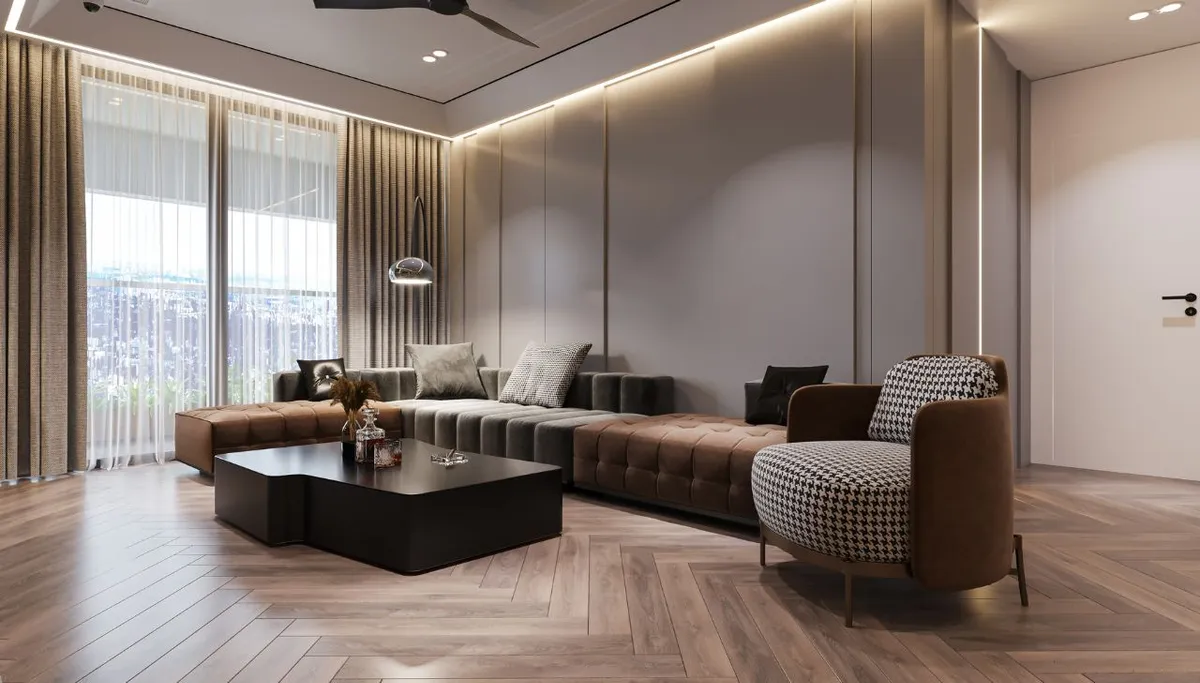
The saving comes from the power gap. A 60-watt incandescent bulb and an LED that looks just as bright draw very different power, and that difference shows up on every bill.
Replace five 60W incandescent bulbs with LEDs and their combined draw falls from 300 watts to about 50 watts. Over a year at three hours a day, that saves roughly $30 for those five fixtures alone at average US rates.
Bulb | Power | Yearly Cost (3 hrs/day) |
|---|---|---|
60W incandescent | 60W | ~$7.20 each |
9W LED equivalent | 9W | ~$1.08 each |
Saving per bulb | 51W less | ~$6 per year |
For the full cost math on any bulb or strip, see our guide on how many watts LED lights use.
Do LED Lights Save Money on Replacements Too?
Yes, and this half often gets forgotten. Beyond the power bill, LEDs cut what you spend replacing dead bulbs, because they last so much longer.
A typical LED runs 15,000 to 50,000 hours against roughly 1,000 for an incandescent. Over an LED's life you would buy and fit 20 to 30 incandescent bulbs to match it, so you save on both the bulbs and the effort.
The two-part saving: lower electricity every month, plus far fewer bulbs to buy and change. Together they are why a $5 LED bulb saves around $170 in energy and replacement costs over its lifetime.
What Is the Payback Time on LED Bulbs?
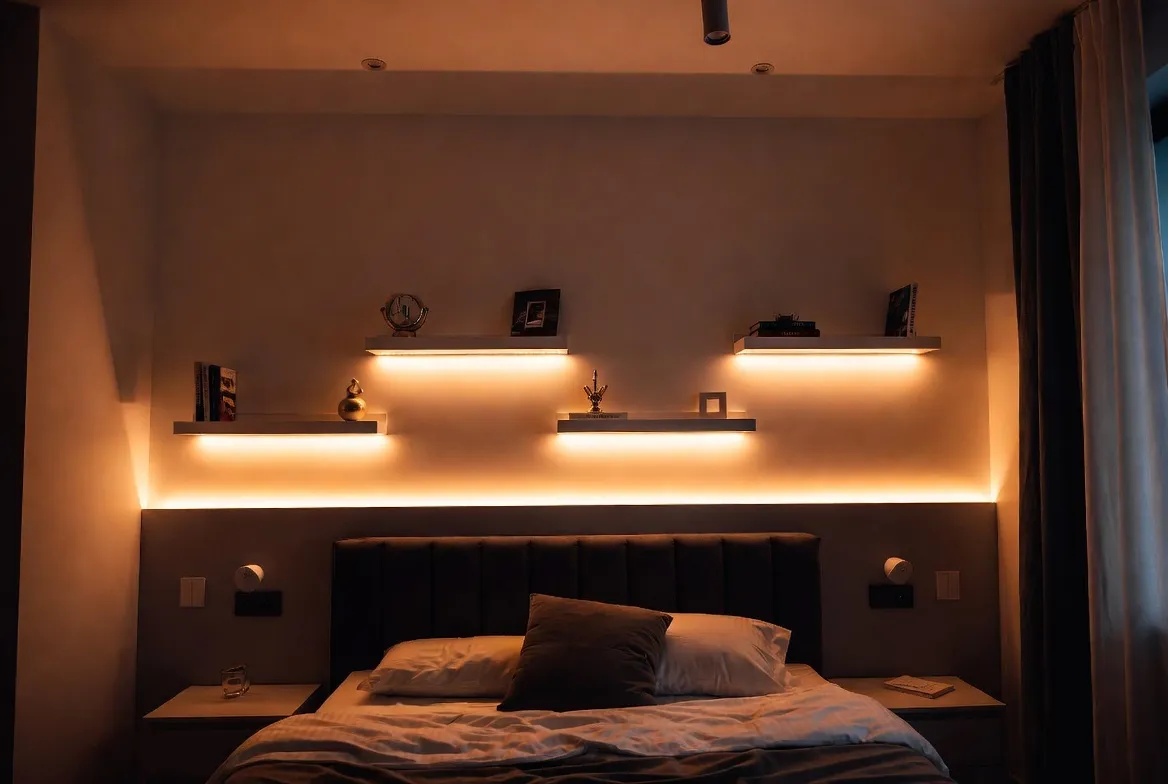
LEDs cost more upfront, which is the one real downside, but the payback is fast. A bulb that costs a few dollars more than an incandescent usually earns that back within months, not years.
In a home the payback is measured in months per bulb. In a commercial setting running lights 10+ hours a day, a full switch often pays for itself in 6 to 12 months, then saves money every year after.
How Much Can a Whole Home Save?
Per bulb the numbers look small, but they add up across a house. A typical home has 30 to 40 fixtures, and lighting is a real slice of the electricity bill.
Switching every fixture to LED saves an estimated $2,000 to $5,000 over a decade, once you count both the lower power use and the 20 to 30 bulb replacements you avoid per fixture.
Are There Ways to Save Even More?
Once you have LEDs, a few habits stretch the saving further:
Dim where you can. Dimming an LED to 50% cuts its power use by about 40 to 50%. See our guide on how to dim LED lights.
Match brightness to the room. Do not overlight. Buy the lumens the space needs and no more.
Use timers and sensors. Motion and dusk-to-dawn controls stop lights running in empty rooms.
Buy quality. A good LED lasts its full rated life, so cheap bulbs that die early erase the replacement saving.
Are LEDs Worth It Compared to CFLs?
Against old incandescent bulbs the saving is huge, but against CFLs it is smaller, since CFLs are already efficient. Swapping a working 13W CFL for a 9W LED saves only about $1 a year in power.
So if you still run incandescent or halogen bulbs, switching now saves real money fast. If you have CFLs, the bigger reasons to switch are better light, instant-on, and no mercury, with the modest energy saving on top. For the full picture, see LED vs incandescent bulbs.
Conclusion:
So, do LED lights save money? Without question. Lower bills every month and years between replacements mean a single bulb saves around $170, and a whole home saves thousands over a decade. The upfront cost is small and paid back in months, making the switch an easy win.
(FAQs):
Q1. How much money do LED lights save per year?
A: About $6 per bulb per year versus a 60W incandescent at three hours of daily use. Across a whole home that adds up to well over $100 a year, more in homes that use lights heavily.
Q2. Are LED lights worth the higher price?
A: Yes. The higher upfront cost is usually paid back within months through lower bills, and each bulb then saves money for years. Over its life a single LED saves around $170.
Q3. Do LED lights really use less electricity?
A: Yes, up to 85% less than incandescent bulbs for the same brightness. A 9W LED gives the same light as a 60W incandescent, cutting power use dramatically.
Q4. How long until LED lights pay for themselves?
A: In a home, months per bulb. In commercial spaces running lights 10 or more hours a day, a full switch typically pays back in 6 to 12 months, then saves money every year after.