The most reliable way to make LED lights brighter is to use bulbs or strips with a higher lumen rating and a cooler color temperature (5000K-6500K), powered by a supply strong enough to run them fully. Reflectors, light-colored walls, and clean fixtures add extra brightness for free. Turning up the voltage is not the answer - it burns LEDs out early.
If your LEDs look dimmer than you hoped, or have faded over time, here are the fixes that actually work - from simplest to most technical.
1. Check Lumens, Not Watts
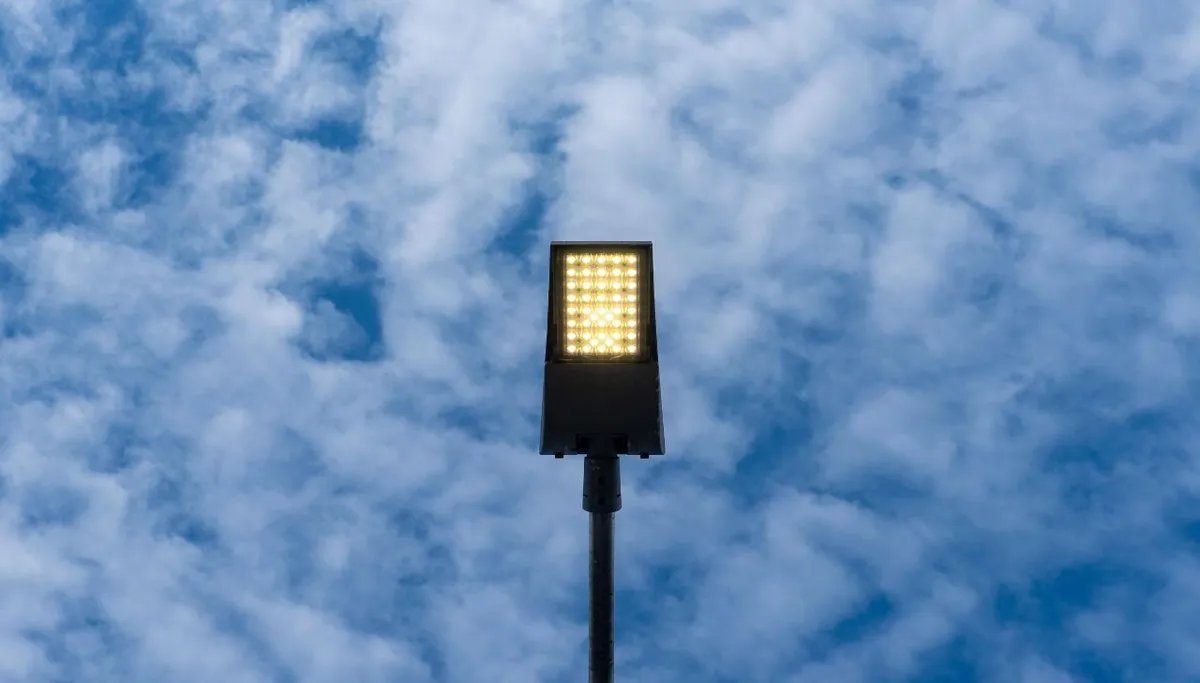
Brightness is measured in lumens, not watts. Watts only tell you power use, so two bulbs can share a wattage yet differ hugely in output.
When buying, read the lumen number: an 800-lumen bulb clearly beats a 400-lumen one. For a real brightness jump, swap in higher-lumen bulbs or strips.
2. Switch to a Cooler Color Temperature
Cool white light simply looks brighter to your eyes than warm light, even at the same lumens. A 5000K-6500K daylight bulb reads as crisp and bright.
A 2700K-3000K warm bulb feels cozy but dimmer. If a space needs to feel brighter, moving to a higher Kelvin is one of the easiest changes you can make.
3. Use the Right Power Supply
LED strips run on a power supply (a driver), and an underpowered one is a common hidden cause of dim light. If the supply cannot deliver enough current, the strip never reaches full brightness.
Match the supply's voltage and wattage to your strip, with a little headroom. A 12V strip needs a proper 12V supply rated above the strip's total draw.
Voltage-drop tip: On a long strip run, the far end often looks dimmer. Power the strip from both ends, or split it into shorter runs, to even out the brightness.
4. Add Reflectors and Light Surfaces
A lot of light is simply lost sideways or backward. Sending it toward where you want it makes the same LED look brighter.
Put reflective tape or an aluminum channel behind strips, and remember that light-colored walls and ceilings bounce far more light than dark ones. This costs almost nothing.
5. Clean the Lights and Fixtures
Dust, grease, and a foggy diffuser quietly steal brightness. A thin film on a bulb or lens can noticeably cut the light that gets through.
Wipe bulbs, strips, and covers with a dry or lightly damp cloth (power off first). It is the easiest free upgrade, especially in kitchens and garages.
6. Fix Heat and Old Age
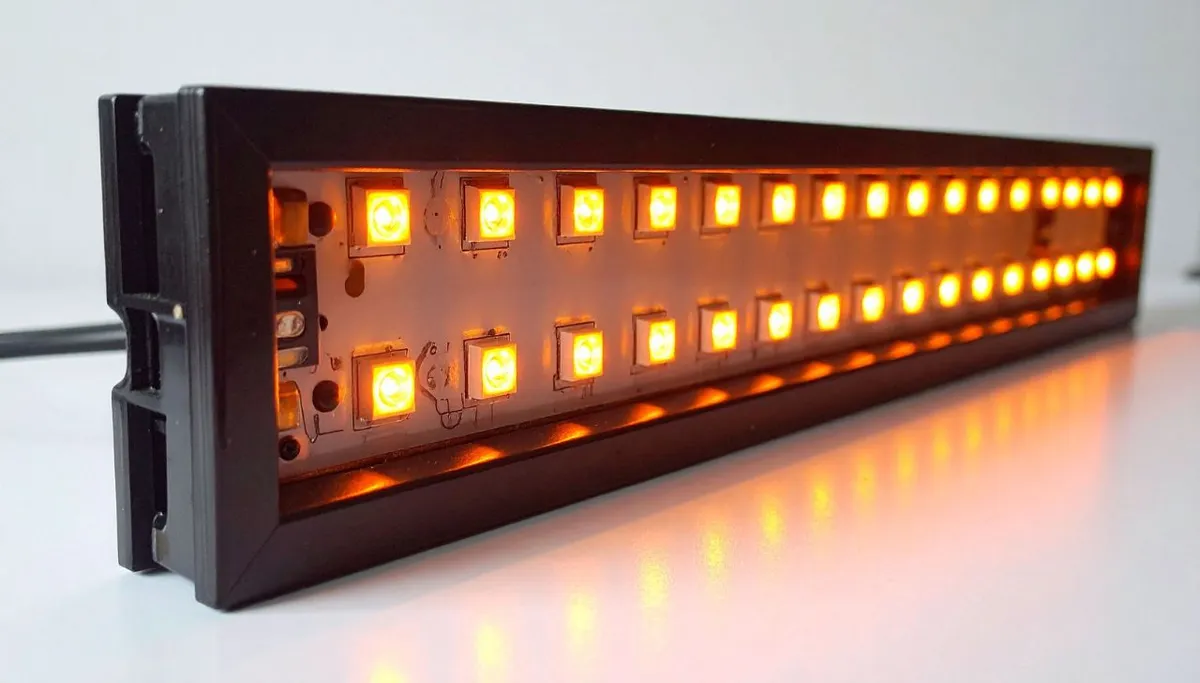
Heat is the enemy of brightness. LEDs packed in a hot, sealed fixture dim faster and fade sooner, so give them airflow and use enclosed-rated bulbs where needed.
And remember LEDs fade slowly over their life. If a light has run for years and looks tired, the honest fix is a fresh, high-lumen replacement.
Do not overvolt your LEDs. Pushing more voltage or current makes them brighter for a moment, then shortens their life or burns them out. Use the correct power and higher-lumen lights instead.
Building your own LED setup from parts? See our guide on how to make LED lights. Curious why brightness fades with heat? See how hot LED lights get.
Frequently Asked Questions
1. Can you make LED lights brighter without replacing them?
A: Yes. Clean the bulbs and diffusers, add reflectors, use lighter wall colors, and make sure the power supply is strong enough. These lift real and perceived brightness without new lights.
2. Does a higher color temperature make LEDs brighter?
A: It makes them look brighter. Cool white (5000K-6500K) appears crisper and brighter to the eye than warm white at the same lumens, so switching Kelvin helps a space feel brighter.
3. Why did my LED lights get dimmer over time?
A: Usually heat, dust, or normal aging. Excess heat and years of use lower an LED's output, and a dusty lens blocks light. Cleaning helps; a badly faded light needs replacing.
4. Can I increase voltage to make LEDs brighter?
A: You should not. Overvolting gives a brief boost, then overheats the LEDs and burns them out early. Use higher-lumen lights and the correct power supply instead.
5. Why is one end of my LED strip dimmer?
A: That is voltage drop on a long run. Power the strip from both ends, or split it into shorter sections, so every part gets full power and even brightness.